Record revenues, continued angst – Game of the People

ON and off the pitch, it seems as though Manchester United have lost their way again. They have started the 2026-27 season badly (one win from five) and they have just reported a pre-tax loss of £ 47 million for 2025-26. Furthermore, many fans remain unhappy about the club’s ownership, despite the arrival of Sir Jim Ratcliffe in February 2024.
Nobody can blame Ratcliffe for wanting to make United more financially efficient, but some of his decisions have not made him popular. In 2025-26, United did not participate in Europe, which may have been a contributory factor in the team finishing in a credible third place and qualifying for the Champions League. After sacking Ruben Amorim following a disappointing 14 months, they appointed an interim manager, former player Michael Carrick, who did well enough to be appointed on a full-time basis, but it is starting to look like a Solskjaer-like situation is developing at Old Trafford. Amorim’s pay-off totalled £ 8.5 million as he still had a while to run on his two and a half year contract.
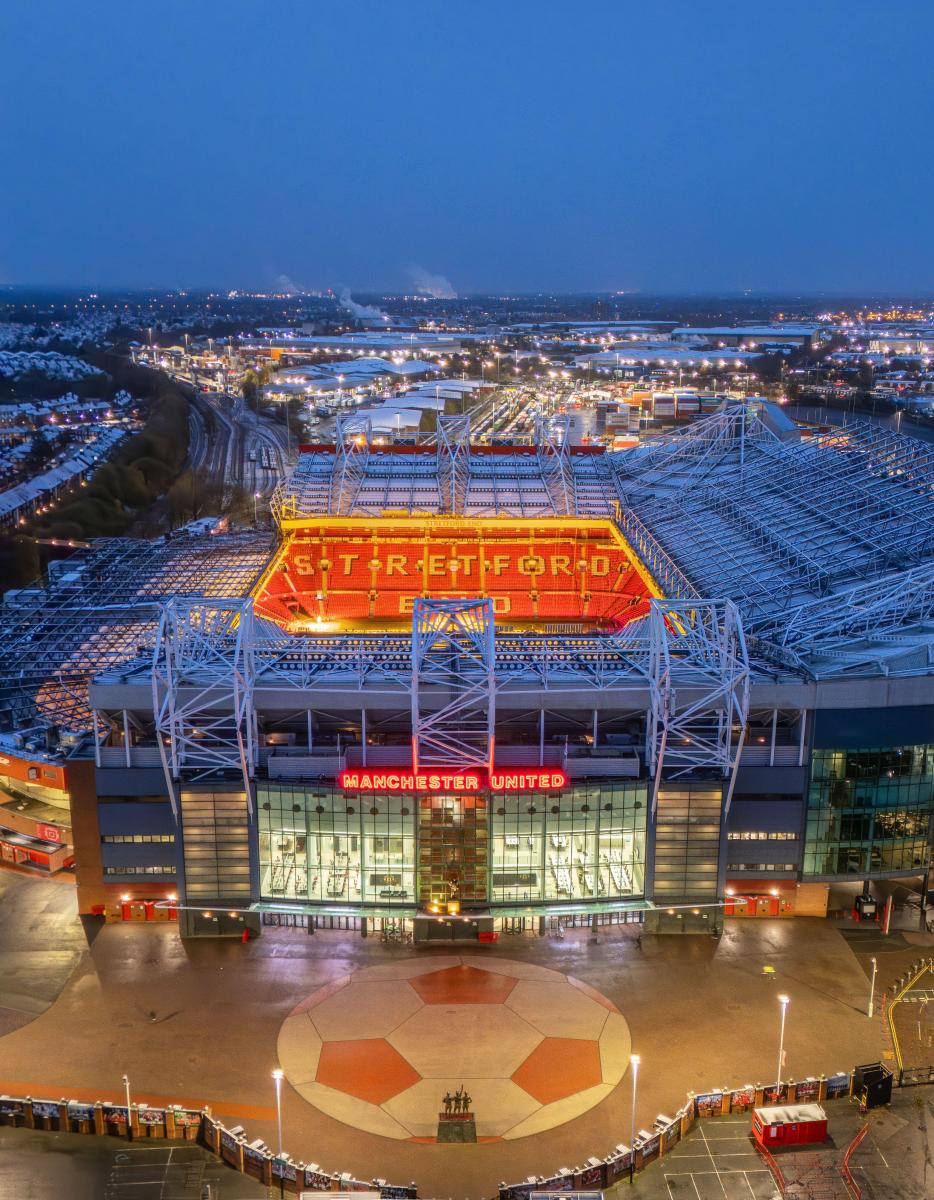
The club has plans for a new 100,000-capacity ground to replace their long-time home which is looking rather tired when compared to some of the Premier’s top stadiums. They have now secured the land for the proposed new development.
The club’s relationship with its huge fanbase has been tested in recent years, not least because of United’s pricing strategy. In 2024, United’s price per fan per game was around £ 90, but two years on, it has risen to more than £ 106. But still the crowds turn up, giving United an average well north of 70,000.
United reported record revenues of £ 677.6 million in 2025-26, a rise of 1.7% year-on-year. Given there was no European football, it was perhaps a surprise the club’s broadcasting income was up by almost 20% to £ 206.8 million. This revenue stream contributed 31% of overall earnings in 2025-26.
Matchday income totalled £ 153.5 million (22.7% of overall revenues) which was 4.2% down on 2025-26 season. This was partly due to fewer home games at Old Trafford. Commercial earnings totalled £ 317.3 million, almost 5% lower than the previous campaign. Sponsorship was down by around 5% to £ 160 million and retail activities were up by 8% to £ 157 million.
United have enjoyed two consecutive seasons of healthy profits on player sales and in 2025-26, they generated £ 46.9 million. Their biggest sales were Alejandro Garnacho to Chelsea for £ 40 million and Antony to Real Betis for £ 20 million. United were very active in the transfer market, signing Matheus Cunha, Bryan Mbeumo and Benjamin Šeško for £ 60 million-plus fees.
The wage bill fell by 3.5% from £ 313 million to £ 302 million. They have trimmed more than £ 60 million from player costs in the past three years and the wage-to-income ratio has come down from 66% in 2021-22 to 45% in 2025-26.
On the subjects of costs, the figure that inflames United’s following is the amount being paid annually to cover interest on borrowings. In 2025-26, this amounted to £ 70 million, which takes the overall total of net interest costs to over £ 1 billion since the Glazers took over the club. Much of this can be linked to the leveraged buyout used to acquire the asset in the first place. The club’s debt, which amounts to £ 689 million on a gross basis, is a genuine concern.
Club Chief Executive Omar Berrada warned that United would continue with its current disciplined approach to restoring financial stability, which suggests there will be even more changes. The key factor is surely controlling expenses, which probably means overheads and players wages. They could also benefit from cutting down on the amount of money they have been paying to sacked manager – since Sir Alex Ferguson departed 13 years ago, they have paid more than £ 80 million in compensation to discarded coaches.
United’s revenues indicate they are a massive club with so many advantages in life: the biggest crowds in English football, a global brand, a rich heritage and a name that partners clamour to be associated with. They have to get one important thing right and that’s success on the field of play, where there has arguably been even more instability. If that can be achieved (which it surely will at some stage), then the other factors will eventually slot into place. But it has to begin very soon.

Published by