Termite Infestation in Singapore – Greencare Pest Control & Cleaning

Termites: The Silent Structural Threat
Termites in Singapore cause silent structural damage to wooden structures. By the time damage becomes visible, significant structural compromise may already exist.
Unlike visible pests (cockroaches, flies), termites work inside wood out of sight. A single colony contains thousands of workers consuming wood continuously.
Understanding termite identification, damage progression, and professional fumigation protects your home’s structural integrity.
Termite Species in Singapore
Two Main Types in Singapore:
Subterranean Termites (Most Common – 95% of infestations):
- Habitat: Live in soil underground
- Colony Size: 100,000 to 1+ million workers
- Workers: Pale, cream-colored, 4-6mm
- Soldiers: Larger head, protective caste
- Wood Access: Build mud tubes from soil to wood (visible)
- Damage Pattern: Hollow wood (eat from inside out)
- Speed: Destroy structural wood within months
- Danger Level: EXTREME (structural compromise)
Drywood Termites (Less Common – 5% of infestations):
- Live inside dry wood (no soil contact required)
- Smaller colonies (few thousand workers)
- Harder to detect (no mud tubes)
- Slower damage (months vs weeks)
- Found in wooden furniture and door frames
Why Subterranean Dominate Singapore:
High humidity and soil moisture create perfect conditions. Singapore climate ideal for subterranean termite colonies.
Identifying Termite Infestation
Visible Signs of Termites:
Mud Tubes (Most Reliable Sign):
- Pencil-thin tubes on walls or foundations
- Termites use to travel from soil to wood
- Found on concrete walls, pilasters
- May be broken (termites still inside)
- Presence indicates active infestation
Wood Damage Clues:
- Hollow sound when wood tapped
- Paint bubbling or peeling (internal decay)
- Wood crumbling when pressed (interior destroyed)
- Sagging wooden beams or frames
- Termite droppings (resembles saw dust)
Other Indicators:
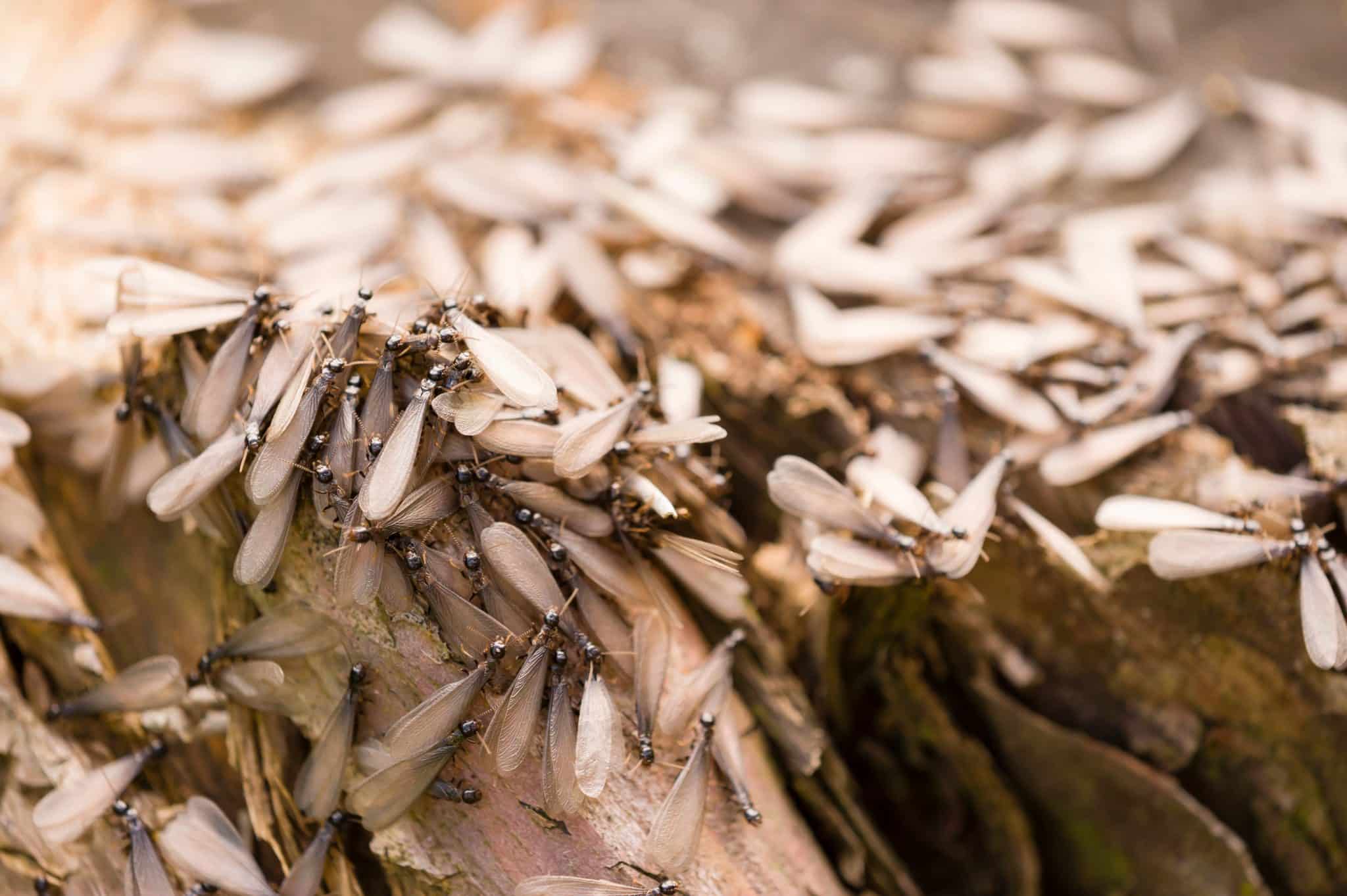
- Swarmers (reproductive termites, spring season)
- Dead wings on windowsills (swarming season)
- Soil appearance near wood (mud tubes)
- Moisture stains on wood (termite activity)
Why Early Detection Is Critical:
Damage progresses silently for months before becoming visible. Early detection stops problem before major structural compromise occurs.
Termite Damage Timeline: How Fast Destruction Occurs
Month 1 (Early Infestation):
Visible signs: Mud tubes appear on foundation. Wood may begin showing surface damage. No structural compromise yet.
Month 2-3 (Moderate Infestation):
Visible signs: Paint bubbling on walls. Wood becoming softer. First audible hollow sounds. Damage spreading through wooden structure.
Month 4-6 (Severe Infestation):
Visible signs: Structural damage obvious. Wooden beams hollow. Paint peeling significantly. Possible wall sagging. Serious structural compromise.
Month 6+ (Critical Stage):
Structural failure risk: Wooden supports may fail. Walls may require replacement. Expensive reconstruction needed. Home safety compromised.
Why Speed Matters:
A single termite colony destroys enough wood in 6 months to weaken entire frame structures. Delay in treatment means exponential structural damage.
Structural Damage: The Real Cost of Termites
What Termites Destroy:
- Wooden Frames: Load-bearing supports weakened
- Beams: Structural integrity compromised
- Joists: Floor support systems destroyed
- Floor Boards: Surface damage, collapse risk
- Wall Studs: Structural walls weakened
- Roof Supports: Roof sagging or collapse risk
- Door Frames: Doors may not close properly
- Window Frames: Frames deteriorate and fail
- Wooden Furniture: Antiques and valuables destroyed
Destruction Pattern:
Termites hollow out wood from inside, leaving thin outer shell. Structural strength lost even if wood appears intact. This makes damage hard to detect until severe.
Why Damage Is Irreversible:
Once wood is consumed, damage cannot be repaired—wooden structures must be replaced. Cost of replacement vastly exceeds cost of professional treatment.
Financial Impact:
Professional termite treatment: Minor expense. Structural replacement: Major expense (thousands of dollars). Prevention through early treatment saves money long-term.
Termite Colony Structure: Why DIY Fails
Understanding Termite Organization:
The Queen (Heart of Colony):
Single queen produces 1,000+ new termites daily. Colony depends on queen for survival. Queen protected deep underground, unreachable by DIY methods.
Workers (The Destroyers):
Hundreds of thousands consume wood. Visible termites you see are workers. Only small fraction leaves protected mud tubes and visible areas.
Soldiers (Defense Caste):
Protect colony from threats. Do not consume wood. Cannot be eliminated without targeting entire colony.
Why DIY Termite Control Fails:
Visible Termites Are Decoys: Mud tubes contain small percentage of total population. Destroying visible termites leaves queen and majority safe underground.
DIY Sprays Don’t Reach Underground: Queen lives in soil, meters underground. Surface treatments cannot reach her. Colony regenerates within weeks.
No Whole-Colony Elimination: Professional treatment must eliminate queen AND all workers/soldiers. Partial treatment fails.
Structural Access Required: Professional knows exactly where to treat (foundation, soil, wood interfaces). DIY guesses and misses key areas.
✓ Why Professional Fumigation Works:
• Identifies entire colony structure and entry points
• Professional-grade treatment reaches underground
• Eliminates queen and entire workforce simultaneously
• Multiple treatment methods (baits, barriers, fumigation)
• Post-treatment monitoring verifies elimination
• Includes long-term prevention barriers
• Backed by guarantee
Professional Termite Fumigation Treatment
Professional Approach Timeline:
Inspection (Day 1):
Professional inspects entire structure. Identifies mud tubes, damage areas, queen location (estimated). Determines colony size and species.
Treatment Plan Development:
Develops specific fumigation strategy based on infestation severity. May include soil barriers, wood injection, fumigation, or combination approaches.
Fumigation or Barrier Treatment (Day 1-2):
Applies professional-grade treatments. Soil barriers prevent future entry. Wood injection reaches hidden termites. Entire colony targeted.
Monitoring Period (Weeks 1-4):
Technician monitors for remaining termite activity. Baits/stations checked. Additional treatment applied if needed.
Verification (Week 4+):
Final inspection confirms termites eliminated. No new mud tubes, no wood damage progression, no visible activity. Treatment successful.
Prevention Barriers (Ongoing):
Chemical barriers installed to prevent future termite entry from soil. Ongoing monitoring recommended annually.
Guarantee:
Professional treatment includes guarantee. If termites return within 12 months, re-treatment provided at no cost.
Prevention: Protecting Against Future Infestation
Key Prevention Strategies:
1. Soil Barriers (Most Important):
- Chemical treated soil around foundation
- Prevents termites from reaching wood
- Applied during construction (best) or retrofitted
- Must be continuous around entire perimeter
2. Wood-to-Soil Separation:
- Wooden structures should not touch soil
- Use concrete piers or footings
- Maintain gap between wood and ground
- Prevents termite access to structures
3. Moisture Control:
- Fix leaks and standing water (attracts termites)
- Improve drainage around foundation
- Reduce humidity in crawl spaces
- Termites need moisture to survive
4. Regular Inspections:
- Annual professional termite inspection
- Monitor for new mud tubes
- Check wood for early damage signs
- Early detection stops damage
5. Wood Debris Removal:
- Remove dead trees near home
- Clear old wood piles (feeding sites)
- Don’t store wood against foundation
Critical reality: Prevention alone insufficient in Singapore. Professional initial treatment + annual inspections = best long-term strategy.
When to Call Professional Termite Control
Call Professional Immediately If:
- Mud tubes visible on walls or foundation
- Damage found in wooden structures
- Hollow sounds when tapping wood
- Wood paint bubbling or peeling (interior damage)
- Swarmers visible (reproductive termites)
- Concerned about potential infestation
- Any wood damage discovered (better to check)
Annual Professional Inspection Recommended:
Early detection saves money and prevents structural damage. Professional inspection finds termites before visible damage occurs.
Professional Service Includes:
- Complete structural inspection
- Mud tube and damage identification
- Colony size and species determination
- Customized fumigation plan
- Professional-grade treatment application
- Soil barrier installation
- Monitoring and verification
- Annual prevention plan
- 12-month guarantee
Quick Action Plan
- Inspect foundation and visible wood (look for mud tubes)
- Check walls for paint bubbling or damage signs
- Tap wooden structures (listen for hollow sounds)
- Call professional immediately if any signs found
- Do NOT treat yourself (DIY will fail)
- Professional performs complete inspection
- Fumigation treatment applied if termites confirmed
- Monitoring period verifies elimination
- Schedule annual inspections (ongoing prevention)
Key takeaway: Termite damage is silent and progressive. Early detection critical. DIY fails completely. Professional fumigation eliminates entire colony. Annual inspections prevent reinfestation.
Termite Damage Threatening Your Home? Professional Fumigation Available.
Complete colony elimination protects structural integrity. Professional inspection + fumigation for Singapore HDB homes.
+65 6970 0205
Call for immediate inspection. Available 24/7 including weekends. Complete termite elimination guaranteed with 12-month protection.