

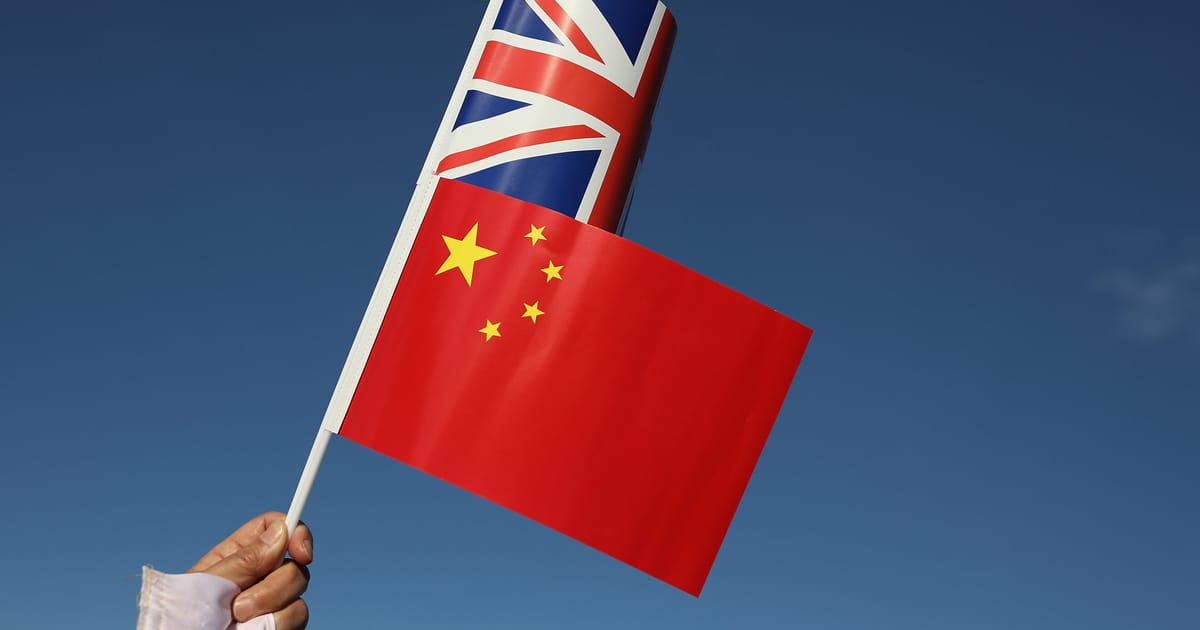
Starmer — who is expected to meet Xi on a high-stakes trip to Beijing this week — set out to revive an economic relationship that had hit the rocks. The extent of the reset undertaken by the PM’s cabinet is revealed in the series of speeches by ministers instrumental to his China policy over the past year, including Chancellor Rachel Reeves, then-Foreign Secretary David Lammy, Energy Secretary Ed Miliband, and former Indo-Pacific, investment, city and trade ministers.
Months before security officials completed an audit of Britain’s exposure to Chinese interference last June, ministers were pushing for closer collaboration between the two nations on energy and financial systems, and the eight sectors of Labour’s industrial strategy.
“Six of those eight sectors have national security implications,” said a senior industry representative, granted anonymity to speak freely about their interactions with government. “When you speak to [the trade department] they frame China as an opportunity. When you speak to the Foreign, Commonwealth and Development Office, it’s a national security risk.”
While Starmer’s reset with China isn’t misguided, “I think we’ve got to be much more hard headed about where we permit Chinese investment into the economy in the future,” said Labour MP Liam Byrne, chair of the House of Commons Business and Trade Committee.
Lawmakers on his committee are “just not convinced that the investment strategy that is unfolding between the U.K. and China is strong enough for the future and increased coercion risks,” he said.
As Trump’s tariffs bite, Beijing’s trade surplus is booming and “we’ve got to be realistic that China is likely to double down on its Made in China approach and target its export surplus at the U.K.,” Byrne said. China is the U.K.’s fifth-largest trade partner, and data to June of last year show U.K. exports to China dropping 10.4 percent year-on-year while imports rose 4.3 percent.


