

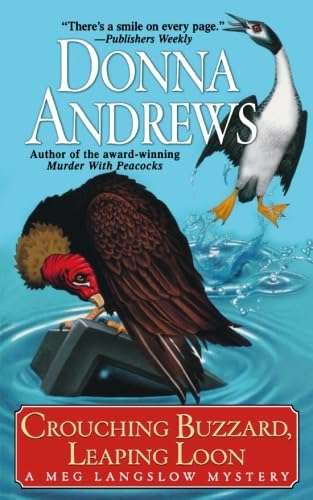
Book Review of “Crouching Buzzard, Leaping Loon” by Leaping Loon
Introduction
Leaping Loon’s “Crouching Buzzard, Leaping Loon” delivers a whimsical and intricate narrative that captures the essence of small-town life, punctuated by humor and poignant introspection. The story’s mix of mystery and character-driven storytelling invites readers to engage with the unfolding events while also reflecting on their own life choices and relationships. Set against a vibrant backdrop of eccentric characters and the comforting familiarity of home, Loon skillfully crafts a tale that resonates with anyone who has navigated the complexities of ambition, friendship, and self-discovery. This introduction is essential as it sets the tone for the entire discussion, providing context about the themes and the overall emotional landscape of the novel.
Plot Summary
The novel opens with Zara, an aspiring writer facing the harsh reality of her dreams after a less-than-stellar experience in the bustling city. Her return to her quaint hometown—symbolizing a retreat and a confrontation with her past—positions the setting as a character in its own right. Grappling with nostalgia and regret, her journey begins with the mysterious disappearance of her childhood friend, Felix. As Zara delves into the circumstances surrounding Felix’s vanishing, she is propelled into a web of secrets, each more surprising than the last.
Through a series of comedic mishaps and heartfelt moments, Zara reconnects with her roots and rekindles relationships that she had thought she had outgrown. Events such as the bizarre Harvest Festival and the eccentric Book Fair serve not just as background but also as pivotal moments where revelations unfold and past lives collide with the present. These town events enhance the story by providing a structured rhythm while serving as fertile ground for character development and plot progression.
The dual narrative of past and present creates a rich tapestry, allowing readers to piece together the mystery while witnessing Zara’s gradual transformation. This narrative does not merely serve as a vehicle for the mystery; it intertwines with Zara’s exploration of her own identity, ambitions, and foundational relationships. As layers of the story peel away, Loon presents a nuanced portrait of life in a small town, complete with both the charm and complexities that come with it. This exploration articulates the struggle of reconciling one’s past with future ambitions, a theme universally resonant with anyone grappling with their own identity.
Character Analysis
At the heart of “Crouching Buzzard, Leaping Loon” is Zara, a relatable protagonist whose journey is both universal and highly personal. She embodies the struggles of many young adults as she grapples with questions of identity, ambition, and self-worth. Loon masterfully portrays her character arc, allowing readers to witness her growth from an uncertain writer into someone who embraces her past and passions.
Supporting characters enrich the narrative, each contributing their own flavor and intricacies to the story. Felix, although missing for much of the book, looms large in Zara’s consciousness, representing both the promise of what could have been and the weight of unresolved relationships. The town’s residents, from the quirky librarian who dispenses sage advice to Zara’s childhood rival turned friend, Lila, each offer a unique perspective on loyalty, community, and personal choices.
Lila’s character, in particular, serves as a foil to Zara, highlighting themes of rivalry and reconciliation. Their evolving relationship encapsulates the idea that friendships can transform over time, emphasizing how shared history can bind and separate individuals. This reflection of their relationship adds depth to the narrative, showcasing the messy, nonlinear nature of friendship. As Zara unravels the mystery of Felix’s disappearance, the connections she forges with these characters deepen her understanding of not only the past but her place within it.
Thematic Exploration
The thematic depth of “Crouching Buzzard, Leaping Loon” is one of its greatest strengths. Fundamental to the narrative is the search for identity; Zara’s return to her childhood home forces her to confront the dichotomy between her aspirations as a writer and the societal expectations she feels pressing down on her. This tension resonates with many readers, especially those facing similar crossroads in their lives, leading to a relatable exploration of ambition and self-acceptance.
Friendship, in its many forms, is another prevalent theme. The novel deftly examines loyalty and the sacrifices that accompany deep relationships. Zara’s quest to uncover the truth about Felix underscores the lengths to which we go for those we care about and how past connections can shape our present actions. This exploration invites introspection and reconnects readers with their own friendships, making the emotional stakes of the narrative palpable.
Additionally, the balance between ambition and contentment serves as a critical lens through which the narrative unfolds. As Zara navigates her desire to succeed in the literary world against the comfort of her familiar surroundings, readers are invited to ponder the meaning of success—whether it is measured by professional accolades or personal fulfillment. The exploration of these themes elevates the story beyond mere entertainment, prompting deeper consideration of what it means to find one’s place in the world—a crucial question in today’s fast-paced, achievement-oriented society.
Historical Context
While contemporary in nature, “Crouching Buzzard, Leaping Loon” subtly incorporates elements of historical context that enrich the narrative. The small town serves as a microcosm of American life, reflecting the socio-economic challenges that many rural communities face today. Through Zara’s observations, Loon hints at the impact of modernization on traditional small-town values, providing a backdrop that feels relevant and resonant. This historical perspective matters as it lends authenticity to the story, allowing readers to see their own communities mirrored in the struggles and triumphs of Zara and her town.
The echoes of historical changes, such as the decline of the local bookstore or the fading traditions of annual festivals, ground the story in a reality that many readers can recognize. This nuanced depiction of the town’s evolution adds depth to the narrative, inviting readers to consider how history shapes personal and communal identities, thereby creating a more immersive reading experience.
Literary Devices
Leaping Loon employs a range of literary devices that enhance the storytelling throughout “Crouching Buzzard, Leaping Loon.” The use of humor is particularly effective, striking a balance between lightheartedness and the weighty themes that permeate the narrative. Witty dialogue and amusing situations provide levity while ensuring that the more serious aspects of the story do not overwhelm the reader.
Imagery plays a significant role in portraying the small-town setting and the characters’ emotional landscapes. The author’s vivid descriptions transport readers into Zara’s world, making the town feel alive and the characters relatable. This imagery fosters a strong sense of place, allowing for a deeper emotional connection to the story and its characters.
Symbolism is also employed effectively, particularly with the titular “crouching buzzard” and “leaping loon,” which serve as metaphors for caution versus spontaneity and the importance of taking life’s leaps while considering the risks involved. The narrative structure, characterized by interwoven timelines of Zara’s past and present, creates tension and intrigue, allowing readers to piece together the mystery of Felix while exploring themes of nostalgia and regret. This duality is crucial; it underscores the complexity of memory, illustrating how our past experiences inform our present decisions—a theme that resonates deeply within the human experience.
Critical Evaluation
Leaping Loon has crafted a vibrant and thought-provoking novel that masterfully balances humor with emotional resonance. The engaging plot and relatable characters keep readers invested, making “Crouching Buzzard, Leaping Loon” a satisfying journey from start to finish. Loon’s ability to explore weighty themes through the lens of personal relationships is commendable, creating a narrative that resonates on multiple levels.
However, the pacing may feel uneven to some, particularly in the middle sections of the book where the focus shifts towards character development rather than the central mystery. While this exploration of character is valuable, a more concentrated focus on the mystery could enhance the narrative’s overall drive. This pacing issue might be detrimental to the overall experience, particularly for readers primarily interested in the mystery; however, the depth of character adds richness that many readers may appreciate. Nevertheless, this minor critique does not overshadow the novel’s strengths, as its humor and insightful commentary make it a worthwhile addition to the genre.
Conclusion
In “Crouching Buzzard, Leaping Loon,” Leaping Loon has successfully crafted a charming tale that elegantly navigates the complexities of friendship, ambition, and self-discovery. The relatable characters, witty dialogue, and intricately woven plot create an engaging tapestry that is both entertaining and thought-provoking. For readers who appreciate a narrative laced with humor and depth, this novel is a must-read, serving as a reminder that sometimes the most significant journeys are the ones that lead us back to where we began, encouraging reflection on the importance of our roots, friendships, and the courage to embrace change.
Frequently Asked Questions
Literary critique offers valuable insights that enhance our appreciation of a book’s themes and their relevance to broader societal issues. It presents diverse perspectives that may reveal nuances—such as symbolism, character motivations, and authorial intent—that casual readers might overlook, enriching the overall reading experience.
Leaping Loon’s writing style draws from a fusion of contemporary social issues and classic literary traditions. In “Crouching Buzzard,” this is evident through vivid imagery and complex character development that engage readers on both emotional and intellectual levels.
The themes in “Crouching Buzzard” tackle pressing societal challenges such as identity, conflict, and human connection, presenting them through relatable characters and scenarios. This relevance enables readers to draw parallels to their own lives and the world around them.
Character development in “Crouching Buzzard” can be explored through various literary theories, such as psychological, feminist, or Marxist perspectives. A psychological lens might delve into characters’ internal conflicts, while a feminist approach could examine societal expectations shaping female characters.
Similarities may include recurring themes like identity and morality, while differences could appear in narrative style or character focus. Analyzing these aspects provides a broader view of Leaping Loon’s evolution as a writer and thematic progression across their works.
Readers who enjoyed “Crouching Buzzard” might appreciate works by authors such as Margaret Atwood or Haruki Murakami, who also delve into complex themes surrounding human relationships and societal commentary. These recommendations resonate with the thematic depth of Leaping Loon’s writing.
Perceptions of “Crouching Buzzard” can vary significantly based on demographics, including age, gender, and cultural background. Engaging with a variety of reviews helps to illustrate these differences and enriches the understanding of the book’s impact across diverse audiences.
The narrative techniques employed in “Crouching Buzzard,” such as nonlinear storytelling or unreliable narration, can heighten tension and intrigue, enhancing reader engagement. However, if not executed effectively, these techniques may confuse readers or obscure the plot’s clarity.
The setting acts as a crucial backdrop that shapes characters’ interactions and decisions. In “Crouching Buzzard,” the environment reflects characters’ inner struggles and significantly contributes to key plot developments, emphasizing the relationship between individuals and their surroundings.
Online literary reviews play a vital role in influencing public opinion by providing platforms for discussion and critique. They can enhance a book’s visibility, present diverse viewpoints, and assist potential readers in determining whether the book aligns with their interests, thereby impacting sales and readership.

Get Your Free Copy of Project Horizon
We’re offering this book to you for free because we believe in the power of a great story to captivate and inspire. By sharing Project Horizon, we hope you’ll become as hooked on the series as so many others have—and stay updated with our bi-weekly newsletter, bringing you the latest book-related news.
In this world of advanced AI, shifting alliances, and the fight for humanity’s survival, you’ll discover unforgettable characters, breathtaking twists, and an epic adventure that’s just the beginning of the journey.
Enjoy the read, and if you love it, the rest of The Vanguard Chronicles is ready to take you even further into the saga.


