Cast-Iron Skillet Vs Grill Grates: When To Use Each
When it comes to cast iron skillet vs grill grates, it’s not a question of which is better. It’s about using the right tool for the job. Here’s a quick breakdown:
Use a skillet when you need:
- Support for small or delicate foods: If it breaks apart easily (like flaky fish) or risks falling through the grates (like diced veggies or shrimp), the skillet gives you the surface area and structure you need to cook with confidence.
- Maximum sear and containment: Smash burgers, scallops, or cubed steak tips benefit from maximum surface contact without losing juices to the flames. The skillet holds heat steady and locks in that sizzle.
- Moisture control for saucy or sugary dishes: BBQ beans, glazed tofu, cheesy dips, or any dish with sugar or sticky sauces can burn onto the grates or drip onto your burners. A skillet prevents flare-ups and sticky cleanup.
- Sautéing, frying, baking, or simmering: Want to fry eggs, bake cornbread, simmer wine sauce, or make nachos? None of that works on the grates—but it’s a breeze in a cast iron skillet with the lid closed.
- Heat management: Skillets buffer the direct flame and give you a wider range of cooking temperatures, especially when combined with indirect heat zones.
Stick to the grates when you want:
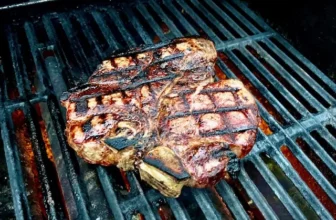
- Direct flame char and grill marks: If your goal is a crisp crust or beautiful sear lines on a thick steak or chop, go with the grates. They let the flame work its magic directly.
- Quick cooking with surface contact: Kabobs, burgers, or hot dogs need high, open heat.
- Maximum airflow for smoke flavor: When smoking bone-in chicken, ribs, or brisket, grates allow for better airflow around the food, resulting in deeper smoke penetration.
- Crispy skin and charred edges: Think spatchcocked chicken, whole peppers, or sausages that take on a better flavor with a hint of blackened bite.
Understanding the difference between a cast-iron skillet vs grill grates helps you avoid common mistakes and achieve better results with different types of food.
Quick reference guide:
Bottom line? If you need to tame the flames or control the temperature, go with a skillet. But when you want that open-fire flavor, the grates still win.
Cleanup, Reseasoning & Long-Term Care
Once the grilling’s done, taking a few simple steps right away can make cleanup easier and keep your grill in top shape.
After cooking:
- Let the skillet cool for at least 10 minutes (don’t dunk it in cold water—thermal shock can cause it to crack).
- While it’s still warm (but not hot), use hot water and a chain-mail scrubber or salt paste to remove stuck-on bits. You can absolutely use dish soap as well for tougher stuck-on bits.
- Wipe dry immediately, then place the skillet back over a heat source set to low heat. Heat drying is more effective than towel drying, and it sets the pan up for successful seasoning.
- Rub the skillet with a thin coat of oil and return to the heat for 5-10 minutes. This helps the oil polymerize, creating that essential non-stick seasoning layer.
- Remove from the heat and let cool before storing.
Avoid these mistakes:
- Never soak a skillet in water.
- NEVER run a skillet through the dishwasher.
- Don’t store it while damp. Heat drying is the best way to make sure there’s no lingering moisture.
Keep your cast iron like new. Grab our Cast Iron Ultimate Cleaning Bundle.
Get Grilling With Confidence
Using a cast iron skillet on your grill is a simple way to cook smarter, avoid messes, and get more out of your barbecue. It’s perfect for small foods that fall through the grates, high-moisture dishes that flare up, or any recipe that needs steady heat and a crispy sear.
Whether you’re crisping up smash burgers or baking a skillet brownie, cast iron is your secret weapon for juicy, smoky results every time.