Steeper Hills, Same Heart: La Farra and the Pleasures of Prosecco Superiore – Wine blog UK


- Details
- Category: Sparkling Wine Sparkling Wine
-
Published: 03 June 2026 03 June 2026
Made from 100% Glera grapes, from one plot, the “Rive dei Nardi” vineyard, at 220-300metres above sea-level and vinified with great care using the Charmat method (tank fermented), after the second fermentation, the wine is aged for three months on the lees and a further three months after filtration, allowing for the flavours to develop and evolve.
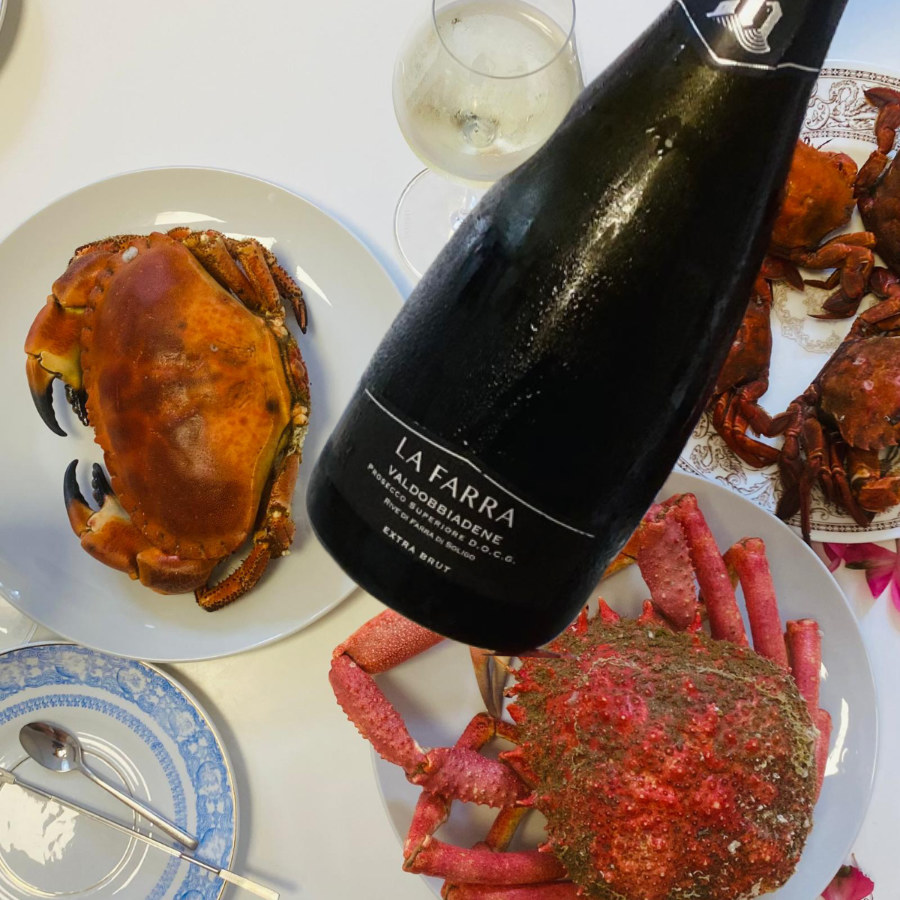
For me the Extra Brut’s charm is in the attractive soft character of the Glera grapes expressed elegantly, in part, due to the low residual sugar of 5g/litre and. The aromas of cut green apple, ripe apricot and a slight leesy note from the extra maturation time, translate in the mouth to a clean, refreshing, well balanced sparkler, with gastronomic potential.

La Farra Rive di Farra di Soligo – Valdobbiadene Prosecco Superiore DOCG Extra Dry
Bright straw yellow. Apple, peach, acacia on the nose. Zesty on the palate, with soft sweetness.
Luckily for us we have just prepared a whole spider crab and the rich fresh meat is best served with something vinous. I wondered if the crab meat would be too rich but not at all. The La Farra Extra Brut made for a fine pairing.
 La Farra’s steep sided Rive Dei Nardi Vineyard – ‘Heroic Viticulture’
In all the visits I have made to the prosecco region in the North of Italy, the fairytale landscapes always leave a lasting impression, as much as the pleasures of tasting the wines. Although perceived and enjoyed as a mass-market wine, prosecco has tapped into our psyche, convincing us that the pop of the cork and the fizzle of the golden liquid need not be a rarified experience.
Twenty years ago, I recall a Master of Wine (MW) organising the drinks for a small opening party of an exhibition of paintings in Chelsea, London. I was surprised when he announced he had secured a number of magnums of mass-market prosecco for the evening. Wouldn’t champagne be more likely to grease the wheels of art commerce?
The first thing I saw on arrival was my broad-smiling colleague walking around with a newly opened magnum of prosecco, ensuring that every glass remained full. A quick scan of the walls showed that red dots, confirming sales, were appearing next to artworks and, as the chatter filled the air, everyone was having a great time.
A few years later I was back among the vines between Valdobbiadene and Cartizze. This time flying my drone through the drunken hill-scape after a gorgeous lunch; the August heat tranquillising us into a timeless state of mind. Everything we did for those few weeks was punctuated by prosecco. What impressed me during winery visits, was the number of tourists engaging with the producers and being interested to hear about stylistic differences.
 Antique Bracket Clocks For Sale
What’s the difference between prosecco DOC and DOCG?
Prosecco DOC is the broader denomination covering much of the Veneto and Friuli plains, producing large volumes of consistent, good‑quality fizz. By contrast, Prosecco Superiore DOCG comes from smaller, steep hillside zones like Conegliano Valdobbiadene and Asolo. With stricter rules and lower yields, the aim is to create complexity and a premium tier of prosecco.
Prosecco market … how big?
That was in 2017, by which time this sparkling Spumante from Northern Italy had captured the minds of British drinkers. This is borne out by the numbers: Prosecco DOC went from producing 140 million bottles in 2010 to over 620 million bottles by 2021, hitting around 660 million bottles by 2024. Of this, just over 80% (~540 million bottles) is exported each year, with the United States now the largest single market and the United Kingdom also among the top destinations.
 PH Pianos For Sale – Danish Design Classic (Poul Henningsen)
With success: premiumisation
With sales figures experiencing compound growth in just a couple of decades, investment across the region has been significant. Hillside DOCG producers, such as La Farra in Valdobbiadene, have invested in high‑altitude vineyards ranging between 200 to 420 metres above sea-level. These offer microclimate and drainage benefits that improve the quality of the grapes.
The premium Prosecco DOCG wines, like La Farra from Conegliano Valdobbiadene and Asolo are making an outsized impact. Together they are producing around 125 million bottles each year, with Conegliano Valdobbiadene reaching 98 million in 2025.
Achieving these increases in quality does come at a price, as these steep vineyards can only be harvested by hand. The result is a more precise winemaking, producing ‘Superiore’ wines that sit above the everyday DOC Prosecco in both quality and price.
Sustaining the hear
 La Farra Valdobbiadene Prosecco Superiore DOCG
It is in tasting the La Farra DOCG Brut, a more traditional prosecco with 10g/litre of residual sugar, aromas of apple and peaches and a mouthful of cool soft round fruitiness, that images of the pleasures I have had with these wines, over the years, flash across my mind.
The world has changed a lot in two decades and issues ranging from climate change to the viability of our own species are haunting our social media feeds. In the face of all this, a sense of connection with the past and to the land is as close as I will get to therapy.
To be reminded of our culture and the pleasures we share with each other feels necessary. Wines like these informal but delicious proseccos become a binding force between cherished memories and the present, where we are collecting fragments of time on which to dwell, later.
Cheers!
Here is a table of sources for the figures quoted: