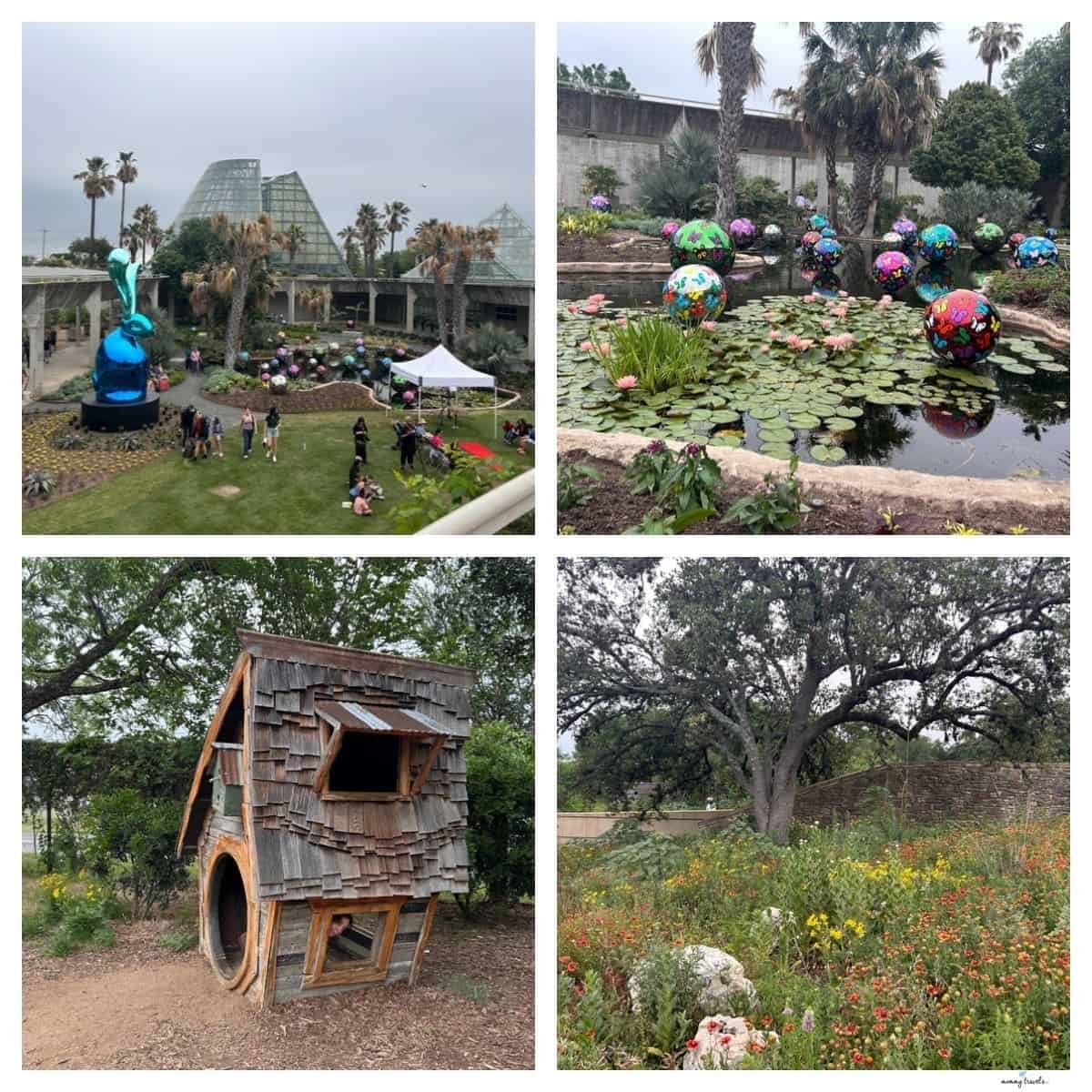
Botanical gardens across the United States welcome more than 38 million visitors each year – and families with young children make up the fastest-growing segment. A single afternoon among labeled plants, interactive exhibits, and winding garden paths can spark a lifelong curiosity about biology, ecology, and the natural world. This guide highlights specific gardens that go beyond “look, don’t touch” and truly engage young minds.
Why botanical gardens beat a screen every time
A 2019 study from the University of Michigan found that children who spent at least 120 minutes per week in green spaces showed measurably lower stress hormones. Botanical gardens concentrate that benefit into a curated experience. Kids touch bark, smell herbs, watch pollinators land on petals, and ask questions that no YouTube video can fully answer.
Gardens also teach patience. A child watches a bud for weeks before the bloom opens. That slow reveal sticks. I’ve seen five-year-olds remember the name “corpse flower” months after a visit – because the experience engaged all their senses at once.
Top picks across the country

Brooklyn Botanic Garden – New York
The Discovery Garden at Brooklyn Botanic Garden spans half an acre and targets visitors ages 2–12. Staff-led programs run every Saturday from April through October. Kids dig in soil, plant seeds, and learn composting basics. The garden charges $18 for adult admission; children under 12 enter free.
Chicago Botanic Garden – Glencoe, Illinois
Spread across 385 acres, the Chicago Botanic Garden maintains a dedicated Learning Campus with four climate-controlled greenhouses. The Butterflies & Blooms exhibit opens each June and houses over 75 species of live butterflies. Families pay only for parking ($30 per car on weekends), because garden admission costs nothing.
Longwood Gardens – Kennett Square, Pennsylvania
Longwood Gardens features a 4,600-square-foot indoor Children’s Garden with a bamboo maze, fountain play area, and a cave made from living rock. Pierre S. du Pont founded the garden in 1906. Today the site draws roughly 1.5 million visitors annually. Children’s tickets start at $13.
Desert Botanical Garden – Phoenix, Arizona
This 140-acre garden in Papago Park holds one of the world’s finest collections of arid-land plants – more than 50,000 specimens. The Cactus Clubhouse drop-in activity center lets kids pot their own succulents. Desert Botanical Garden opens daily at 8 a.m. from October through April, catching the cooler morning hours that families prefer.
Atlanta Botanical Garden – Georgia

The Hardin Visitor Center leads into the Edible Garden, where children taste herbs straight from the plant. Atlanta Botanical Garden also runs a Canopy Walk – a 600-foot elevated walkway standing 40 feet above the forest floor. That height alone thrills most kids under ten. Adult tickets cost $24.95; children ages 3–12 pay $19.95.
What makes a garden truly kid-friendly?
Not every botanical garden succeeds with children. The best ones share a few concrete traits:
- Hands-on stations where kids plant, water, or harvest something
- Short trail loops under one mile, designed for small legs
- Sensory elements – textured plants, fragrant herbs, splashing water features
- Trained educators who answer questions without lecturing
- Shaded rest areas with benches spaced every 200–300 feet
One detail parents often overlook: flower diversity. Gardens that grow unusual blooms, like a striking green lily bouquet variety or a chocolate cosmos – hold children’s attention longer than rows of identical roses. Novelty drives curiosity.
Turning a visit into a learning adventure
Preparation matters. Grab a garden map and let your child circle three spots to visit first. Ownership over the route keeps younger kids motivated.
Bring a small notebook. Sketching a leaf or writing down a plant’s Latin name creates a personal record. One mother I spoke with at Longwood said her daughter filled 14 notebooks across two years of monthly visits.
Ask open-ended questions. “Why do you think this flower faces the sun?” beats “Look at that flower.” The first question invites a hypothesis. The second invites a glance and a shrug.
Consider timing. Weekday mornings between 9 and 11 a.m. draw the fewest crowds at most gardens. Smaller crowds mean docents have more time per child. Check each garden’s event calendar – many host seasonal festivals, nighttime illumination walks, or butterfly releases that amplify the experience.
Beyond the garden gate: keeping the spark alive
The visit ends. The curiosity shouldn’t. Start a windowsill garden at home – basil and cherry tomatoes grow fast enough to hold a child’s interest.
Explore flower varieties together online. Kids who loved lilies at a botanical garden, for instance, enjoy browsing unusual lily varieties and colors to see how many different forms a single species can take. That comparison sharpens observation skills.
Join a junior naturalist program. The National Wildlife Federation runs a Garden for Wildlife certification that families complete together. Over 230,000 gardens hold the certification across all 50 states.
Pick a garden and go
Every botanical garden on this list welcomes walk-ins. None requires a botany degree. Your child needs nothing more than comfortable shoes and the freedom to ask “What’s that?” fifty times in an hour. My favorite moment at any garden visit? Watching a kid realize that the grocery-store strawberry started as a tiny white flower. That connection between nature and daily life changes how children see the world.