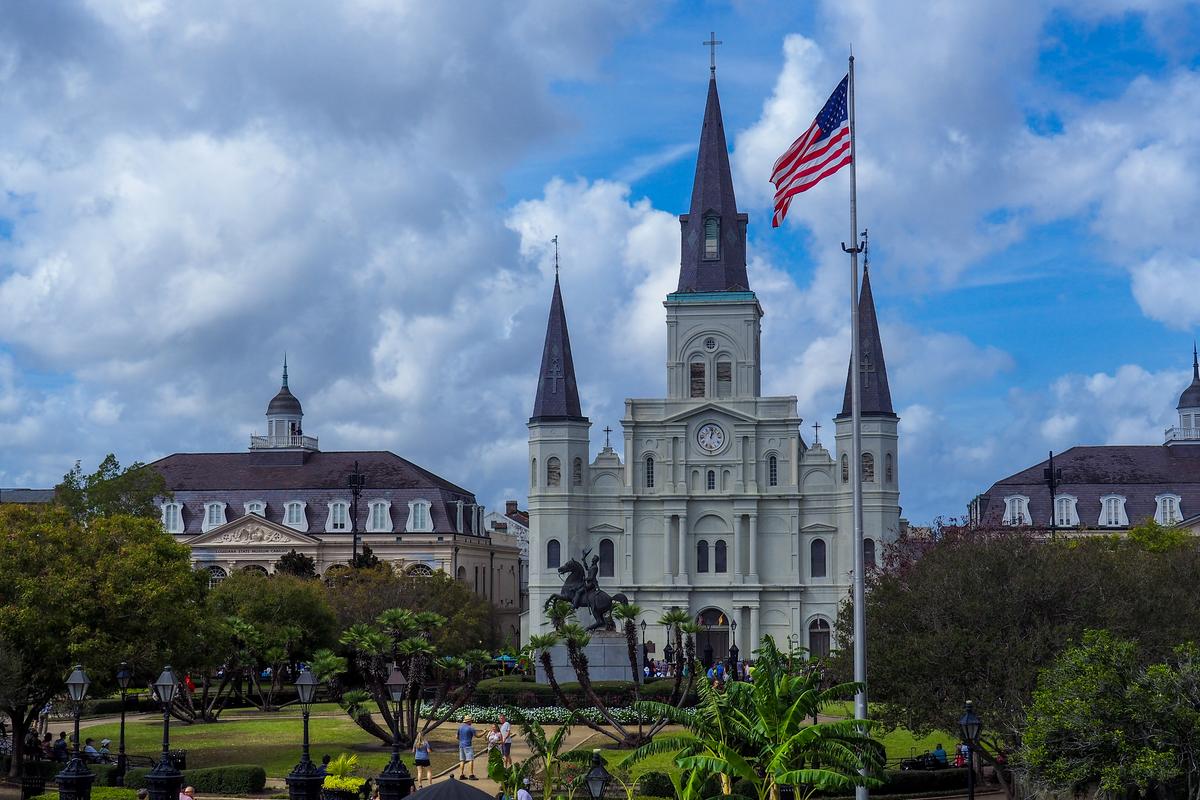
Three days is enough for a rewarding first trip to New Orleans. Use one day for the French Quarter and Frenchmen Street, one for the Garden District and Magazine Street, and one for the Warehouse District, Tremé, and Bywater. Stay near the French Quarter or Central Business District, skip the rental car, and reserve the meals and music that matter most to you.
I built this New Orleans itinerary after visiting the city and walking many of these neighborhoods myself. Most of the photos credited to Kyle Kroeger in this guide are from that trip. The route below preserves the places that made the visit memorable while reducing unnecessary backtracking.
Planning details were checked against official sources in August 2026. Restaurant schedules, ticket prices, transit service, and event dates can change, so confirm the linked source before committing to a timed reservation.

Weekend in New Orleans at a glance
| Day | Main area | Core plan | Best way to move |
|---|---|---|---|
| Day 1 | French Quarter and Marigny | Café du Monde, Jackson Square, French Market, Pharmacy Museum, Royal Street, Preservation Hall, Frenchmen Street | Walk, then use a short rideshare if needed |
| Day 2 | Garden District and Magazine Street | St. Charles streetcar, architecture walk, Commander’s Palace, Magazine Street, Hot Tin, Cochon | Streetcar, walking, and one rideshare |
| Day 3 | CBD, Warehouse District, Tremé, and Bywater | Willa Jean, one museum, Louis Armstrong Park, BABs, Bacchanal | Walk downtown, then use rideshares between districts |
- Best for: First-time visitors, couples, friends, food-focused travelers, and anyone who wants live music without spending the entire trip on Bourbon Street
- Ideal length: Three full days and two or three nights; a Friday-to-Monday stay gives you more breathing room
- Best base: The CBD near the French Quarter, the quieter edge of the Quarter, or the Warehouse District
- Car needed: No; walking, transit, and a few rideshares are more practical for this route
- Reservations to prioritize: Commander’s Palace, Preservation Hall, and any restaurant or concert you would be disappointed to miss
Jump to:
Why this 3-day route works

New Orleans looks compact on a map, but a poorly ordered itinerary can send you back and forth between the river, Uptown, and Bywater. This plan assigns each day a geographic center. Day 2 also places Commander’s Palace jazz brunch on the same day as the Garden District, rather than making you cross the city again on your museum day.
The schedule leaves deliberate gaps. A jazz set can run late, lunch can take longer than expected, and hot or stormy weather may justify an afternoon hotel break. Treat the listed times as a sequence, not a race.
Hi, I’m Kyle Kroeger, founder of ViaTravelers. I use first-hand travel, original photography, official visitor information, and route logic to build itineraries that work on the ground. This guide is designed for a first visit, so it favors a strong sense of the city over a long attraction count.
Where to stay for an efficient weekend

ViaTravelers may earn a commission from qualifying hotel bookings at no additional cost to you. Recommendations are based on location and itinerary fit, not commission size.
| Area | Best for | Tradeoff | Hotel option |
|---|---|---|---|
| CBD near the French Quarter | The most balanced location for this itinerary | Less historic atmosphere immediately outside the hotel | International House Hotel |
| French Quarter | Maximum walkability on Day 1 | Noise and crowds vary sharply by block | Hotel Monteleone |
| Marigny | Frenchmen Street, neighborhood restaurants, and a less corporate feel | Longer trips to the Garden and Warehouse districts | Hotel Peter & Paul |
| Lower Garden District | St. Charles Avenue and an easier Day 2 | Less convenient for an early French Quarter start | The Pontchartrain Hotel |
My top location pick: International House Hotel
International House Hotel is at 221 Camp Street in the CBD, close enough to walk into the French Quarter while remaining outside the loudest Bourbon Street blocks. That placement also shortens the trip to the Warehouse District on Day 3. It is best for first-time visitors who value route efficiency and want a polished hotel to return to after long days outside.
Hotel Peter & Paul belongs in the Marigny, not the French Quarter. It is a good alternative when Frenchmen Street access matters more than the shortest possible commute to every stop. Reserve early for Carnival, spring festivals, major conventions, and football weekends; room rates can change substantially around citywide events.
Best time to visit New Orleans

For most first-time visitors, spring and late fall provide the easiest balance of outdoor time and city activity. The deciding factor is often the event calendar rather than the season. Mardi Gras, Jazz Fest, French Quarter Festival, ESSENCE Festival, Bayou Classic, and major sporting events can transform hotel prices, traffic, and restaurant availability.
Spring: favorable weather, high demand
March and April are generally easier for long walks than midsummer. They also contain some of the busiest festival periods, so book accommodations and key reservations first, then build the itinerary around confirmed dates.
Summer: heat, humidity, and indoor breaks
June through September brings the most demanding walking conditions. New Orleans International Airport’s long-term climate normals put typical July and August highs around 91°F, with warm nights and frequent rain. Keep outdoor stops early, use museums or a hotel break during the hottest hours, and carry water.
Fall: easier walking with storm-season awareness
October and November usually feel more manageable outside, but Atlantic hurricane season officially runs through November 30. Use flexible hotel policies and monitor the National Hurricane Center when traveling from June through November.
Winter: cooler days and Carnival timing
Winter can be comfortable for sightseeing, though cold fronts create quick temperature changes. Carnival season starts before Mardi Gras Day, so January and February are not automatically quiet or inexpensive.
Check the official New Orleans event calendar before buying flights. For parade-specific planning, use our Mardi Gras in New Orleans guide.
Day 1: French Quarter landmarks and Frenchmen Street

Day 1 is almost entirely walkable. Start early, take an afternoon pause if the weather demands it, and decide whether Preservation Hall or Frenchmen Street is your main music priority. You can enjoy both, but the evening works better when one is the anchor.
7:30 a.m.: Café du Monde and the riverfront
Begin at the French Market location of Café du Monde for beignets and café au lait. Early morning reduces the wait and places you beside Jackson Square before tour groups build. The current posted schedule starts at 7:15 a.m., but confirm hours for your date.
8:30 a.m.: Jackson Square, St. Louis Cathedral, and Royal Street

Walk around Jackson Square, view St. Louis Cathedral, and then turn onto Royal Street. The morning light is better for the architecture, and the street is easier to appreciate before midday foot traffic. Do not spend the first two hours chasing every landmark; the Quarter is more enjoyable when you leave time to look down side streets and into courtyards that are open to the public.
10:00 a.m.: French Market, then the Pharmacy Museum

The French Market is a convenient link between the riverfront, food stalls, and the lower Quarter. Vendor and restaurant hours vary, so treat it as a browse rather than a fixed appointment.
Continue to the New Orleans Pharmacy Museum. Self-guided admission is currently offered Tuesday through Saturday from 11 a.m. to 4 p.m., with a posted adult price of $10. Guided tours follow a different schedule and require advance booking. If your first day falls on Sunday or Monday, replace the museum with extra time on Royal Street or one of the best tours in New Orleans.
12:30 p.m.: Lunch at Napoleon House

Work a muffuletta into the itinerary at Napoleon House. It is well placed for the next part of the route and gives you a seated break before the afternoon. Check current hours and expect a wait at peak lunch time.
2:00 p.m.: Royal Street or a hotel reset
Use the afternoon for galleries, antique shops, and architecture on Royal Street. In hot or wet weather, return to the hotel for 60 to 90 minutes. That break protects the evening, which is more valuable than squeezing in one more daytime stop.
Early evening: Preservation Hall and dinner
Preservation Hall presents live New Orleans music nightly at 726 St. Peter Street. Buy timed tickets in advance. Choose an early show followed by dinner, or eat first and take a later performance. Avoid booking a tight restaurant seating immediately after a show because entry and exit timing can shift.
For dinner, Arnaud’s is a fitting choice when you want one formal Creole meal in the Quarter. A more flexible option is to choose from our guide to the best restaurants in the New Orleans French Quarter based on your budget and reservation time.
Late evening: a short Bourbon Street look, then Frenchmen Street

Bourbon Street is worth seeing once, but it does not need to consume the night. Walk a few blocks, stop at the Old Absinthe House if it suits your plans, and continue toward Frenchmen Street in the Marigny. Follow the music rather than committing to a long venue list before you arrive.
If the evening already feels complete after Preservation Hall and dinner, stop there. Frenchmen Street can move to Day 3, especially if you are staying in Marigny.
Day 2: Garden District, Magazine Street, and a long lunch

Day 2 moves Uptown. The central decision is Commander’s Palace: reserve jazz brunch on Saturday or Sunday, use weekday lunch Wednesday through Friday, or choose dinner and rearrange the afternoon. Do not plan a large breakfast before brunch.
9:00 a.m.: ride the St. Charles streetcar

Take the St. Charles line toward the Garden District. The streetcar is useful transportation and a good introduction to the avenue’s houses, universities, and live oaks. Use the RTA’s Le Pass app for mobile fares, trip planning, and live vehicle information.
9:45 a.m.: walk the Garden District
Focus on a compact loop around Washington Avenue, Coliseum Street, Prytania Street, and nearby blocks rather than trying to cover the entire district. Sidewalks can be uneven, so travelers with limited mobility may prefer a guided vehicle tour or shorter walk.
Lafayette Cemetery No. 1 is currently closed to the public. The City of New Orleans lists it as closed while repairs and improvements take place. You can see the entrance near Commander’s Palace, but do not build the day around going inside.
11:00 a.m. or noon: Commander’s Palace
Commander’s Palace serves jazz brunch Saturday from 11 a.m. to 2 p.m. and Sunday from 10 a.m. to 2 p.m. It has a business-attire dress code: collared shirts and closed-toe shoes are required for men, jackets are preferred, and shorts, flip-flops, T-shirts, sweats, and men’s hats are not allowed. Reserve well ahead and recheck the policy before packing.
If Commander’s Palace does not fit your dates or budget, book lunch at La Petite Grocery on Magazine Street. Its current lunch service runs Tuesday through Saturday, which makes it a practical substitute rather than an additional full meal.
1:30 p.m.: Magazine Street at a slower pace
Walk or take a short ride to the section of Magazine Street that best matches your interests. The street stretches for miles, so do not treat it as one compact shopping district. Pick a cluster, browse the stores that genuinely interest you, and use a café stop to manage the afternoon heat.
5:00 p.m.: Hot Tin, then Cochon
Hot Tin, on the roof of The Pontchartrain Hotel, works best as an early drink with a view. The venue is restricted to guests age 21 and older. Check same-day hours, especially around private events.
Afterward, rideshare to the Warehouse District for dinner at Cochon. This is the day’s one intentional cross-neighborhood move. Cochon emphasizes Cajun Southern cooking, which creates a useful contrast with the Creole meal options elsewhere in the itinerary.
If a specific Tipitina’s show is more important than the rooftop, skip Hot Tin and plan the evening around the concert. Stacking a long brunch, Magazine Street, a rooftop, dinner, and a late show will feel rushed for most travelers.
Day 3: Warehouse District museums, Tremé, and Bywater

8:00 a.m.: breakfast at Willa Jean
Start at Willa Jean, currently open daily from 7 a.m. to 3 p.m. Its CBD location puts you close to the Warehouse District without sending you back Uptown after Day 2.
10:00 a.m.: choose one museum
| Museum | Choose it when | Time to allow | Current planning note |
|---|---|---|---|
| The National WWII Museum | History is a major reason for your visit | At least half a day; the museum also publishes a two-hour route | Open daily 9 a.m.-5 p.m.; general admission currently starts at $27 |
| Ogden Museum of Southern Art | You want regional art and a shorter visit | About 90 minutes to two hours | Open daily 10 a.m.-5 p.m.; adult admission currently $15 |
| Contemporary Arts Center | A current exhibition matches your interests | Varies by exhibition | Check the exhibition calendar and visitor information before going |
Do not treat The National WWII Museum as a casual one-hour stop. If you choose it, reduce the afternoon plan and accept that Armstrong Park may become optional. Travelers who want more time outside will find the Ogden easier to combine with the rest of this day.
2:30 p.m.: a downtown pause, then Louis Armstrong Park

After the museum, stop for a coffee or a Sazerac downtown, then travel to Louis Armstrong Park. The park gives you space to slow down and connects the itinerary to Tremé and Congo Square. Visit during daylight, especially if you plan to continue to Bywater later.

6:30 p.m.: dinner at BABs, then Bacchanal if the night is still young
BABs, formerly Bywater American Bistro, is at 2900 Chartres Street and makes a strong final dinner when you want a current neighborhood restaurant rather than another formal Quarter meal. Reserve ahead.
Bacchanal Wine is an optional final stop at 600 Poland Avenue. It does not take reservations and is limited to guests age 21 and older. Go only if you have time to wait and no early departure the next morning.
Getting around without a rental car

| Option | Use it for | What to know |
|---|---|---|
| Walking | French Quarter, CBD, and Warehouse District | Wear broken-in shoes; heat, rain, and uneven sidewalks can change your practical range |
| Streetcar and bus | St. Charles Avenue and lower-cost city travel | The current 3-day Jazzy Pass costs $8 and covers unlimited RTA bus, streetcar, and ferry trips for three days after first use |
| Rideshare | Night travel and cross-neighborhood moves | Most useful between Uptown, Tremé, Marigny, and Bywater when time or energy matters |
| Rental car | Out-of-town excursions | Unnecessary for this itinerary; parking and one-way streets add cost and friction |
Getting from MSY airport to downtown

Rideshare, taxi, or a prebooked shuttle is simplest with luggage. Budget travelers can use public transit from Level 1 Baggage Claim outside Door 2. The RTA Airport Express 202 currently costs $1.25 and serves downtown; JET’s E1 costs $2 when traveling into New Orleans. Check the airport’s current public transportation page for schedules and pickup details.
Bottom line: do not rent a car for these three days unless you are adding a trip outside the city.

How much to budget for three days

A practical planning range is about $125 to $275 per person per day before lodging. The lower end assumes casual meals, limited paid attractions, public transit, and selective drinking. The upper end allows for a formal meal, museum tickets, paid music, cocktails, and several rideshares. This is an editorial planning estimate, not a fixed citywide average.
| Expense | Useful planning figure | How to control the cost |
|---|---|---|
| Local transit | $8 for a 3-day Jazzy Pass, plus any rideshares | Walk within each day’s core district and save rideshares for cross-town or late-night trips |
| Pharmacy Museum | $10 adult self-guided admission | Skip it on a short or closed-day itinerary rather than forcing a replacement ticketed stop |
| Ogden Museum | $15 adult admission | Choose it instead of stacking several museums |
| National WWII Museum | General admission currently starts at $27 | Use the museum’s two-hour itinerary if your schedule is tight, but do not add costly experiences by default |
| Food and drinks | Highly variable | Choose one splurge meal, then use po’boys, muffulettas, bakery breakfasts, or counter-service meals elsewhere |
| Hotel | Quote your exact dates separately | Avoid major festival weekends when the event is not the purpose of your trip; compare refundable rates |
What to pack for a New Orleans weekend

- Broken-in walking shoes with traction
- A refillable water bottle
- A compact umbrella or waterproof shell during wet periods
- Breathable daytime clothing and sun protection
- A portable phone charger for maps, tickets, and rideshares
- One business-attire outfit that meets your nicest restaurant’s dress code
- A small crossbody bag or day bag that closes securely
The Patagonia Houdini Jacket is a light, packable windbreaker with weather-resistant protection. Patagonia describes it as suitable for wind and light rain. It is not the same as a fully waterproof rain shell, so choose a true rain jacket when the forecast calls for sustained heavy rain.
What to eat during three days in New Orleans

The food plan is strongest when each major meal has a different purpose. Avoid reserving three long, expensive meals in one day.
- Beignets and café au lait: Café du Monde at the start of Day 1
- Muffuletta: Napoleon House for lunch in the French Quarter
- Creole dining: Commander’s Palace or Arnaud’s for the trip’s formal meal
- Cajun Southern cooking: Cochon in the Warehouse District
- Gumbo and po’boys: Fit these into flexible meals rather than adding another reservation
- Sazerac: Have one in a bar where you can slow down and enjoy it, not as another box to check
Use our French Quarter restaurant guide when reservation availability forces a substitution.
Best photo stops and timing

| Location | Best timing | What to photograph |
|---|---|---|
| Jackson Square | Early morning | St. Louis Cathedral, the square’s symmetry, and the statue before dense crowds |
| Royal Street and nearby side streets | Morning | Iron balconies, doorways, signs, and street musicians |
| Garden District | Morning or late afternoon | Architectural details, live oaks, fences, and layered streetscapes without entering private property |
| St. Charles streetcar | Late afternoon | The streetcar in context with the avenue rather than a tightly cropped vehicle shot |
| Frenchmen Street | After dark | Neon, venue entrances, and street atmosphere; prioritize the moment over technical perfection |
| Hot Tin | Before sunset | Downtown skyline and changing light from above |
Planning mistakes to avoid
- Trying to walk every cross-town leg. Save your energy for neighborhoods that reward walking and use rideshare between distant districts.
- Treating Lafayette Cemetery No. 1 as an open attraction. It is currently closed to the public.
- Booking too many formal meals. One splurge meal per day is already a substantial food schedule.
- Underestimating a large museum. The National WWII Museum can consume most of Day 3.
- Ignoring restaurant dress codes. Commander’s Palace has specific clothing requirements that can affect what you pack.
- Leaving no weather buffer. Heat, rain, and tropical weather can change the practical schedule quickly.
- Staying out after your judgment or energy drops. Remain on populated, well-lit streets, keep valuables close, watch your drink, and use a rideshare when moving between neighborhoods late.
Review our guide to staying safe in New Orleans before the trip, and use current City of New Orleans alerts during festivals or severe weather.
Is a weekend in New Orleans long enough?

Yes. Three days gives a first-time visitor enough time to experience the French Quarter, live music, the Garden District, a major museum, and several distinct meals without reducing the city to a checklist. The route works because each day has a geographic center and a clear priority.
Add a fourth day for City Park, a swamp tour, or a River Road history site. Do not force an out-of-town excursion into this three-day plan unless it matters more to you than the museums, neighborhoods, or music already included.
The most useful final adjustment is subtraction. Keep the reservations you care about, remove one optional stop when the day gets full, and leave enough time to sit through another song or finish a meal without watching the clock.
Frequently asked questions
Is three days enough for New Orleans?
Yes. Three days is enough for a first visit if you group the French Quarter and Marigny, the Garden District and Magazine Street, and the Warehouse District, Tremé, and Bywater on separate days. Add a fourth day for City Park or an out-of-town excursion.
Where should a first-time visitor stay in New Orleans?
The most efficient bases are the CBD near the French Quarter, the quieter edge of the French Quarter, or the Warehouse District. These areas reduce transit time without placing you on the loudest Bourbon Street blocks.
Do I need a rental car for a New Orleans weekend?
No. Walking, the streetcar, buses, and a few rideshares cover this itinerary more easily than a rental car. Parking costs and one-way streets usually add friction.
Is Lafayette Cemetery No. 1 open?
No. The City of New Orleans currently lists Lafayette Cemetery No. 1 as closed to the public for repairs and improvements. You can see the entrance from Washington Avenue, but do not plan on going inside.
How much should I budget for three days in New Orleans?
A practical planning range is about $125 to $275 per person per day before lodging. The lower end assumes casual meals and limited paid attractions; the upper end allows for fine dining, paid music, museum tickets, and rideshares. Hotel prices vary sharply around festivals and major events.
What is the best way to get from MSY airport to downtown New Orleans?
Rideshare, taxi, and prebooked shuttle are the simplest options with luggage. For the lowest fare, RTA’s Airport Express 202 currently costs $1.25 and JET’s E1 costs $2 into New Orleans. Verify the current schedule before arrival.
Is New Orleans safe for tourists?
Use the same precautions you would in any busy city: stay on populated, well-lit streets, limit visible valuables, watch your drink, and use a rideshare when tired or moving between neighborhoods late. Check current city alerts and neighborhood guidance before the trip.
About the author: Kyle Kroeger is the founder of ViaTravelers. He photographed many of the locations in this guide during his trip to New Orleans and creates route-focused travel plans built around first-hand experience and current source checks.