In its first meeting since March, the Alabama Public Library Service ultimately chose not to fill a position designed to oversee compliance with new state aid requirements.
The state agency had advertised a role for a temporary assistant director and received two resumes, one from an individual with 15 years of experience as a library director and another from an individual with some library experience two decades ago.
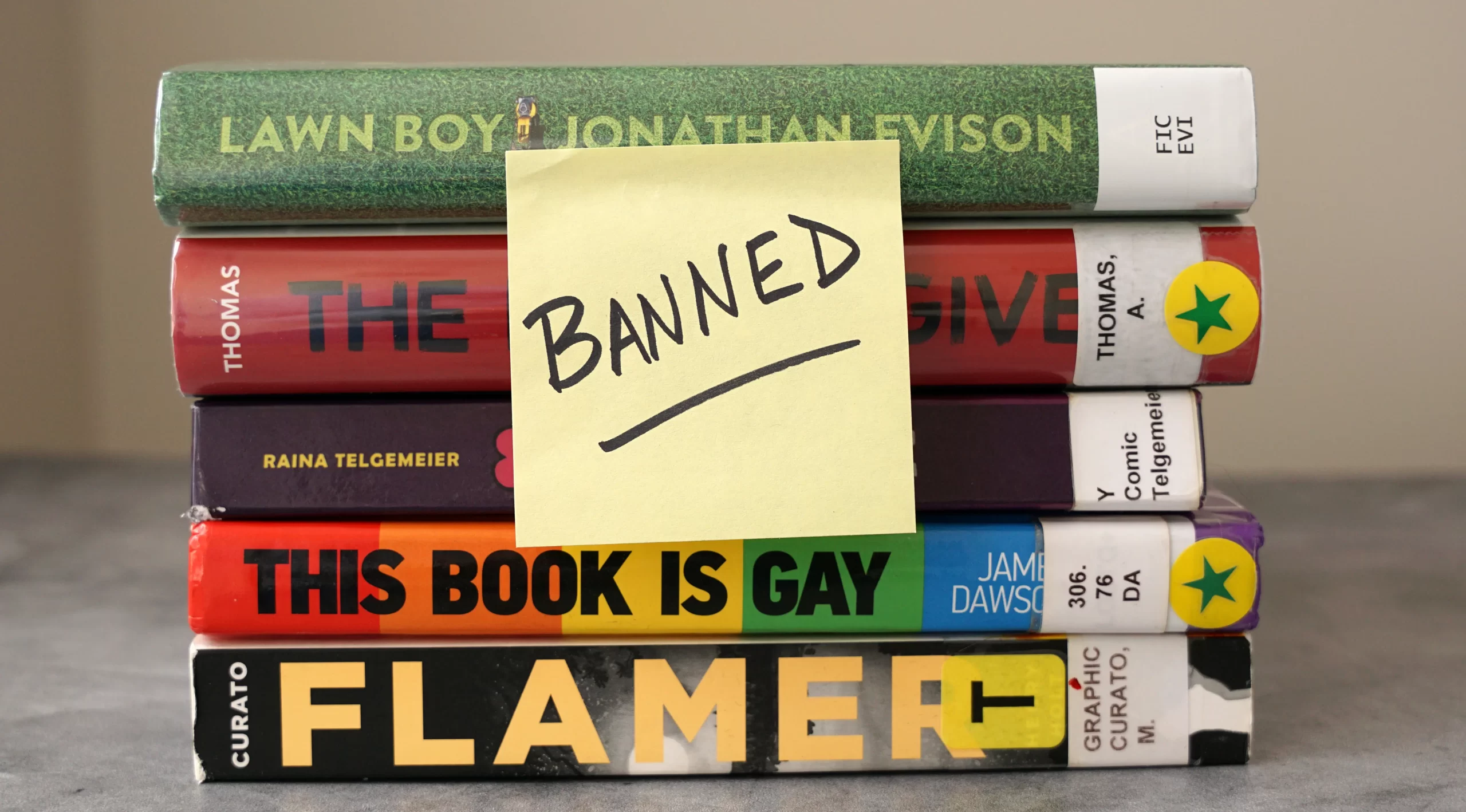
The assistant would browse the catalogs of Alabama libraries, looking for books that would be considered “sexually explicit” under the APLS definition or books portraying “gender ideology” that are shelved in youth sections. The APLS has required libraries to create policies barring these books from youth sections in order to receive state aid and stripped the Fairhope Public Library’s state funding when it refused to move certain books it felt belonged in the youth section but that the APLS Board deemed inappropriate.
Consultants at Thursday’s meeting, along with APLS Director Kelyn Ralya, pushed back against filling the position, arguing that it would go beyond the typical advisory role the agency fills and could create issues by assigning duties of merit employees to a non-merit position. Merit employees are evaluated on their performance of those duties, and redistributing the duties could affect performance evaluations, they argued.
Board member Amy Minton strongly pushed to fill the position, arguing that despite the new policy requirements, “nothing is happening.”
“I could point out 10 libraries right now that would lose state aid because of books in their children’s sections,” Minton told the board. “I want to prevent a firestorm and just get back to celebrating reading. This is going to be a problem if this is not addressed soon.”
APLS Board Chairman John Wahl, who is also the Republican nominee for lieutenant governor, argued that it is ultimately the agency’s responsibility to hold libraries to state code.
Despite the discussion, the board was advised that the position cannot be appointed by the board but is instead at the discretion of Ralya, who decided not to fill the position at this time.
The leadership of Read Freely Alabama said the discussion surrounding the position gives reason for concern.
“Board member Amy Minton admitted that she intends for the ‘sole job’ of the assistant director to be to identify individual books libraries would be forced to censor or lose their state funding,” RFA leadership said in a statement following the meeting. “This creates a state censorship officer, and expands inappropriate state control over local libraries.
“We appreciate the APLS staff making clear that this far exceeds the board’s authority, which is administrative, and that it is not the board’s place to override local decisions about where books are shelved in Alabama’s public libraries. The fact that the APLS staff feels this position is not necessary underscores that it should never have been created in the first place.”
The failure to hire an assistant director to proactively reach out to libraries could set up an explosive board meeting in November, as Minton said the only route to hold libraries accountable is to have patrons from libraries that have yet to comply come before the APLS Board.
Wahl urged concerned parents to go to their local library boards first, but Minton said she had been in contact with individuals at three library systems who had already brought concerns to their local library boards to no avail.