The Story of Livio Felluga and the Abbey of Rosazzo — The Wine Chef

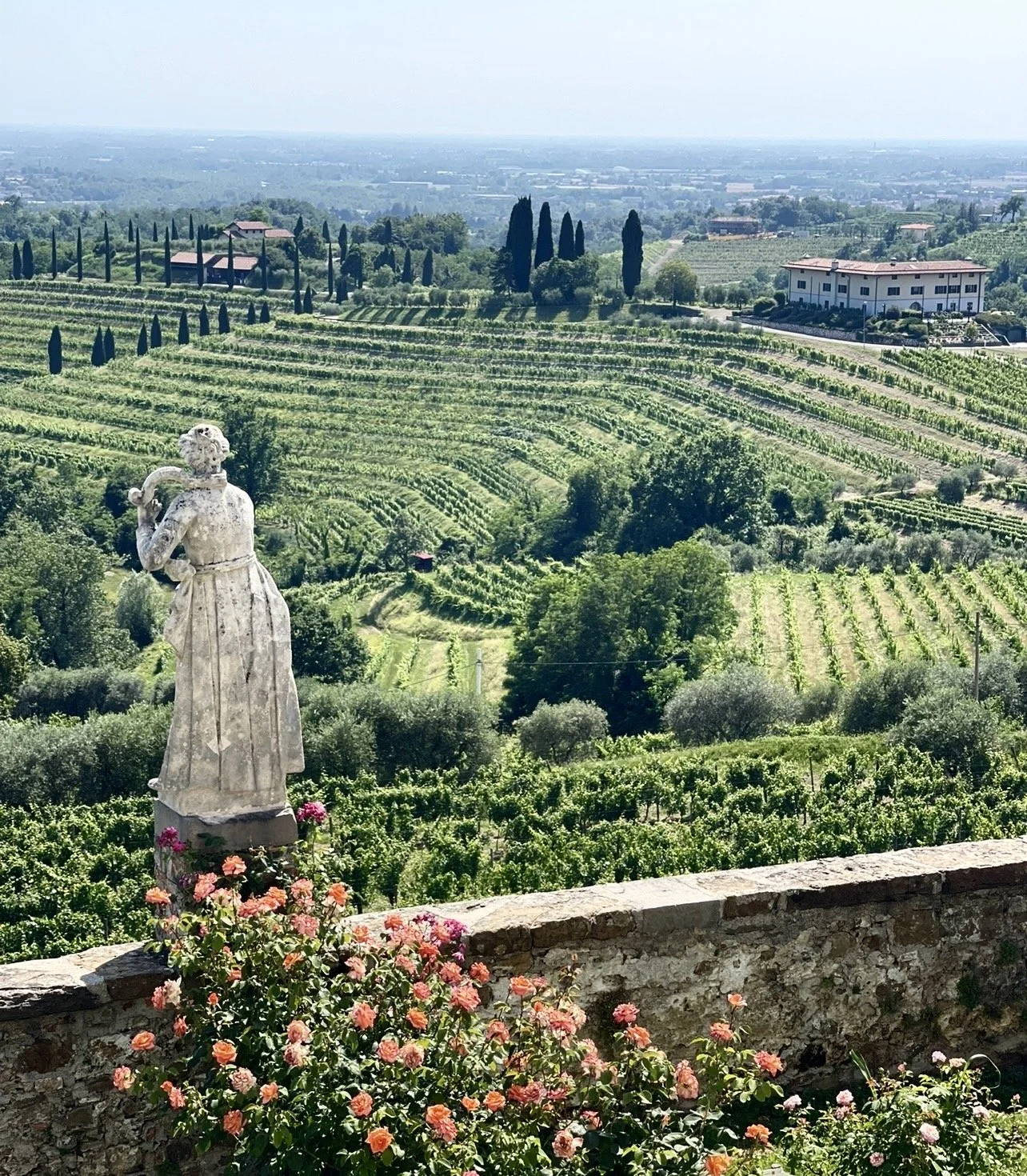
I thought about this during an afternoon at Abbazia di Rosazzo, an ancient, northern Italian abbey with more than 1,000 years of winemaking history. Walking through its gardens and vineyards, examining the unique soil, and stepping into the hallowed, centuries-old cellar (a small shrine to wine), I was reminded that with wine, as with life, the past informs the present.
Today, the Livio Felluga winery cares for the abbey’s vineyards, olive groves and wine cellar. In June, I joined Filippo Felluga, who oversees the agricultural side of the estate, and his niece Vittoria Felluga, the company’s Export Director, for two days exploring the family’s connection to this historic place and the wines it produces.
A Millennium of Winegrowing
Abbazia di Rosazzo is located in Friuli Venezia Giulia, between the Alps and the Adriatic Sea, bordering Austria and Slovenia. Many cultures, including Romans, Venetians, Austrians, and Slavs, have passed through the region over the centuries, influencing everything from its food and wine to its architecture and traditions.
The abbey sits on a hill in the Colli Orientali winemaking zone of Friuli, roughly halfway between the mountains and the sea, where geography and climate play a big role in the region’s long history of wine production. The Alps shield the vineyards from cold northern winds, while the Adriatic regulates temperatures. The result is warm days and cool nights, which help the grapes ripen while retaining their natural acidity.
Legend has it that a hermit named Alemanno came to the hill around 800 AD and established a small cellar and spiritual center. About two centuries later, Augustinian monks arrived and built the church in 1068. The Benedictines followed in 1091, and the abbey became an important center of learning. Agriculture and viticulture were central to life here. The monks produced wine for Mass, their own table, and the surrounding community, helping to establish viticulture in the area.
Walking through the stunning grounds, the first thing you notice is the fragrance of roses in the air. There’s no resisting the urge to stop and smell them, and I happily did so over and over again! Medieval documents from 1161 referred to the abbey as Monasterium Rosarum (the Monastery of the Roses), and the extensive gardens include 126 plantings from about 25 different rose families.