How to Unclog a Sink in Your Rental with 5 Simple DIY Methods

Some maintenance and repair tasks are simple enough to handle on your own. For a minor clogged sink in your rental, you may be able to clear the blockage without calling a maintenance professional. If you’re unfamiliar with handling basic maintenance issues, several simple methods may help. Keep reading to learn the warning signs of a clogged sink and a few ways to clear one safely.
Main Takeaways
- Slow drainage, standing water, and unpleasant odors are common signs that a kitchen or bathroom sink may be clogged.
- Simple clogs may respond to plunging, cleaning the drain, or using a drain snake, but tenants should avoid taking apart plumbing or attempting repairs beyond their experience.
- If a clog keeps returning, affects multiple drains, or cannot be cleared safely, tenants should contact their landlord or property manager for maintenance assistance.
Warning Signs of a Clogged Sink
Clogged sinks are relatively common in homes and rental properties. However, if you aren’t careful about what you put down your drain, it could result in repair bills or more extensive damages.
Luckily, this basic maintenance issue doesn’t typically go unnoticed for long. Instead, there are a few warning signs that pop up, indicating when your sink may be clogged.
For example, some of the most common signs of a clogged sink include:
- Sudden or Persistent Foul Odors
- Slow Draining Liquids
- Liquids Not Draining at All
You may have a clog if you notice any of these signs in your kitchen or bathroom sink. Next, we’ll go over some of the common causes of sink clogs.
Common Causes of Sink Clogs
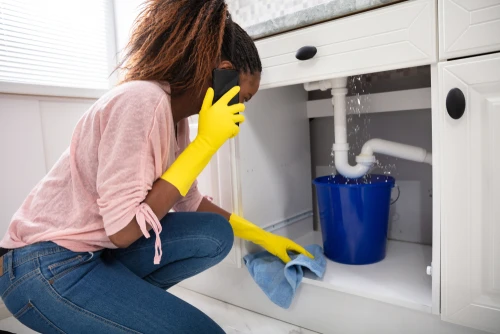
As stated above, bathroom and kitchen sink clogs are relatively common in homes and rental properties. That said, there are a number of reasons clogs occur. However, there are three leading causes, including:
- Food and Grease
- Hair
- Other Objects
It’s important to be careful about what goes down your drains. Water and appropriate drain-safe liquids are generally fine, while grease, food scraps, hair, and other debris can contribute to blockages.
If you notice that your sinks are slowly or not draining at all, think back to what items you put down the drain. Then, take action promptly to prevent the clog from worsening or causing additional damage.
How to Prevent Clogs in Your Rental Home
The first step in resolving clogs in your rental home is preventing them from happening in the first place. As we mentioned before, one of the most common causes of kitchen sink clogs is food and grease. Therefore, to avoid clogs, it’s important to avoid pouring any oils, grease or fat down the drain in your kitchen.
Secondly, another common clog for bathroom drains is hair. Hair collects along with soap and other residues to create stubborn clogs. To avoid hair clogs, drain guards can help catch hair and other objects before they fall down the drain and create a blockage.
Finally, small objects may also create clogs within your kitchen or bathroom sinks. Be mindful of anything you put down a sink drain. Avoid washing coffee grounds, eggshells, produce stickers, paper towels, paint, medications, and other potentially harmful materials down your drains.
Supplies You’ll Need to Unclog a Sink
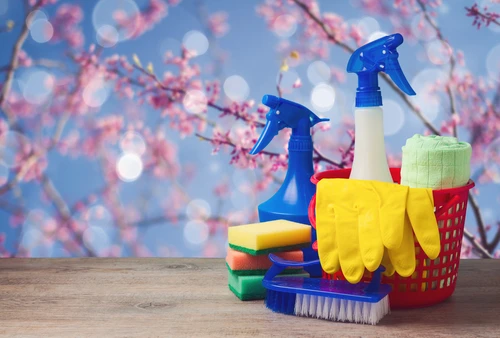
- Rubber gloves
- Sink plunger
- Baking soda
- White vinegar
- Drain snake
- Hand auger
- Hex key, if appropriate for the garbage disposal
Simple DIY Methods to Unclog a Sink
Some minor clogs may be resolved with basic troubleshooting, while others may require help from a landlord, property manager, or maintenance professional. Luckily, there are several DIY methods that tenants and rental owners can use to fix simple maintenance issues. Check out these five simple DIY techniques you can use to unclog a sink in your kitchen or bathroom.
- Plunge the Sink
- Dissolve the Clog
- Use Chemical Solutions
- Hand Tools
- Check the Disposal
Plunge the Sink
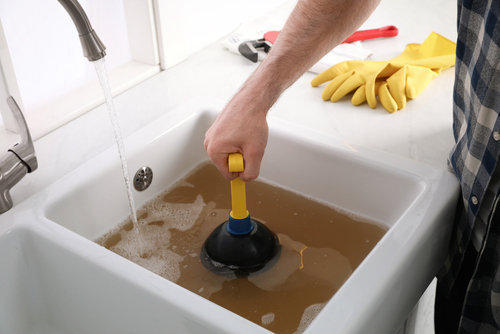
The first method we’ll go over is plunging your clogged sink. To do this, you’ll need rubber gloves, a sink plunger, and around 2 inches of standing water in the sink. Once you have everything ready, you’ll want to start by placing the plunger on top of the clogged drain with enough water to submerge it slightly. Then, keeping it sealed tightly around the drain, begin plunging the sink drain up and down rapidly.
For some clogs, this is all you’ll need to do to unclog the drain and allow liquids to pass through. However, if this method does not work, it’s time to move on and try something else.
Dissolve the Clog
Next, if plunging the sink doesn’t work, you can try baking soda and white vinegar to help loosen minor buildup in the drain. This method may help with some slow drains, but it may not be enough to clear a stubborn or solid blockage.
For this method, it’s essential to start with an empty sink. So, if you have standing water in the sink that won’t drain, you’ll want to use a cup or a wet-dry vacuum to remove as much of the water as possible.
Once you have the sink emptied, the first step is to pour a cup of baking soda directly into the drain. Then, follow that with one cup of white vinegar, cover the drain with a rubber stopper, and leave it for around 15 minutes before removing the plug. Once you’ve removed the stopper, run very hot water down the drain to clear the clog.
Use Chemical Solutions
If your lease or property manager allows chemical drain cleaners, choose a product appropriate for your plumbing system and follow the manufacturer’s instructions exactly. Never mix drain cleaners with other cleaning products or chemicals. When using this method, you’ll want to remove as much standing water as possible from the sink. This should clear stubborn clogs, but if not, we have a few other methods to try.
Hand Tools
If you have hair or other objects stuck in the drain and nothing else is working to unclog it, you’ll want to grab a few tools. We suggest using a hand auger or a flex snake for this method. You can find these items online or at your local hardware store.
The first thing you’ll want to do with a hand auger is thread the cable into the drain and continue until you reach the clogged area. Then, allow a little bit of slack and start turning the device’s hand crank. Once you feel the auger break through the clog, slowly retract the cable and flush the pipes with hot tap water.
Now, if you don’t feel any resistance when feeding the cable down the drain, it may mean that the clog is further down in the pipe. If that’s the case, you may need to remove sections of the pipe underneath the sink to reach the blockage. That said, you shouldn’t try to remove piping sections by yourself. If you cannot get the clog with your hand tools, stop and call your Washington DC property management professionals for assistance.
Check the Garbage Disposal
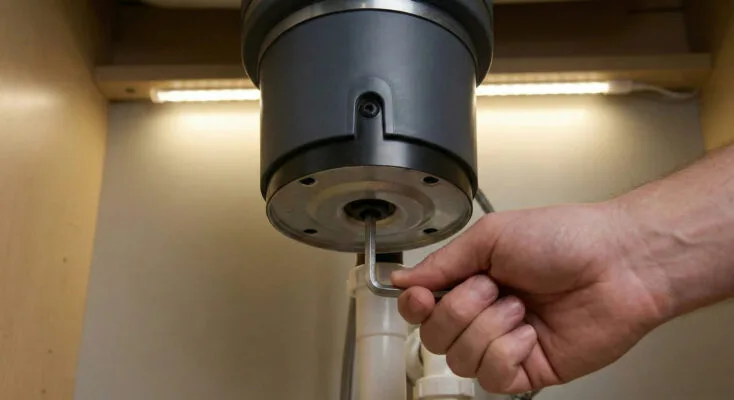 The last method we are going over today is checking your garbage disposal. Although garbage disposals offer a lot of conveniences, they are only helpful if they’re used properly. Unfortunately, if you don’t maintain your garbage disposal, it can quickly become clogged.
If your sink is clogged and you have a garbage disposal, running it may dissolve the clog. On the other hand, if the disposal is not working correctly, you’ll want to check underneath the sink and start by turning off the power to the disposal. Then, press the reset button before turning the disposal back on.
Once you’ve reset the disposal, try turning it back on to see if the blockage clears. If nothing happens, turn off the power again. Then, get out your hex key and manually turn the impellers in one direction and then the other to dislodge any obstructions.
If this doesn’t work to remove the clog from your sink, it’s time to contact a maintenance professional to help you.
Frequently Asked Questions About Clogged Sinks
Clogged sinks are common, but knowing when to handle the problem yourself and when to call for help can prevent a minor blockage from becoming a bigger plumbing issue. Here are answers to some common questions tenants and rental property owners may have about clogged sinks.
What is the easiest way to unclog a sink?
For a minor clog, start by removing visible debris and using a sink plunger. If that does not work, a drain snake may help remove hair or other material blocking the drain.
Can I use baking soda and vinegar to unclog a sink?
Baking soda and vinegar may help loosen minor buildup and odors, but they may not clear a stubborn blockage. If the sink remains clogged, try another safe method or contact your landlord or property manager.
Should tenants use chemical drain cleaners?
Tenants should check their lease or ask their landlord or property manager before using chemical drain cleaners. Some products may not be appropriate for certain plumbing systems, and improper use could damage pipes or create a safety hazard.
When should I call maintenance for a clogged sink?
Contact maintenance if the clog does not respond to basic troubleshooting, keeps returning, affects multiple drains, causes water to back up elsewhere, or requires removing or repairing plumbing.
Who is responsible for a clogged sink in a rental?
Landlords are generally responsible for maintaining plumbing systems as required by applicable law, while tenants may be responsible for certain costs if a clog or damage results from misuse, depending on the lease and applicable law.
Need Help Managing Your Rental Property?

Rental properties require both preventative maintenance and occasional repairs. For busy investors, a DIY fix is not always possible or the best solution.
At Bay Property Management Group, our team of professionals and extensive list of third-party vendors can handle any maintenance need.
That said, the benefits of hiring a local property manager do not end there. We also step in to handle other day-to-day tasks, such as tenant screening, rent collection, rental registration, and more.
If you are interested in learning how full-service rental management can maximize your investment, contact us today. We proudly serve owners throughout Maryland, Pennsylvania, Northern Virginia, Washington DC, and other surrounding counties.