A Guide to Handling Rental Property Chimney Maintenance

When it comes to maintaining a rental property, there are several aspects that you may not even consider–including chimney maintenance. If you have one, regular maintenance and chimney inspections are crucial to keeping rental properties safe. Whether you’re a tenant or a property owner, knowing how to care for a chimney or fireplace is essential. Today, we’ll review the importance of chimney maintenance, inspections, and tenant and landlord responsibilities.
Main Takeaways
- Regular chimney inspections and maintenance help prevent fire hazards, improve heating efficiency, and protect tenant safety.
- Landlords are generally responsible for scheduling inspections and repairs, while tenants should use fireplaces safely and report problems promptly.
- Routine chimney maintenance helps keep rental properties compliant, safe, and in good condition for years to come.
Importance of Chimney Maintenance
If you own or live in a property with a chimney, staying up-to-date with chimney maintenance is essential. While this may be something you don’t think about often, maintaining your fireplace and chimney is crucial to keeping your rental property safe. Whether you’re a landlord, tenant, or work with a property management company in Washington, DC, understanding chimney maintenance is essential to keeping your rental property safe. Here are some of the reasons it’s so important.
- Improve Heating Efficiency
- Prevent Carbon Monoxide Poisoning
- Avoid Chimney Fires
- Tenant Safety
- Preservation of Indoor Air Quality
Improve Heating Efficiency
Regular chimney maintenance ensures proper airflow and ventilation, allowing your heating system to work efficiently. This can help your fireplace or heating system operate more efficiently. A clean chimney also allows for better combustion, reducing the likelihood of incomplete burning and resulting in more effective heating.
Prevent Carbon Monoxide Poisoning
Carbon monoxide (CO) is a colorless gas produced by incomplete combustion. Regular chimney maintenance ensures CO is effectively vented out of the property, protecting tenants from potential poisoning. Additionally, rental property owners should ensure required carbon monoxide alarms are properly installed and maintained in accordance with applicable state and local laws. For example, Washington, D.C., generally requires CO alarms in residential units with a carbon monoxide source, including fuel-burning fireplaces.
Avoid Chimney Fires
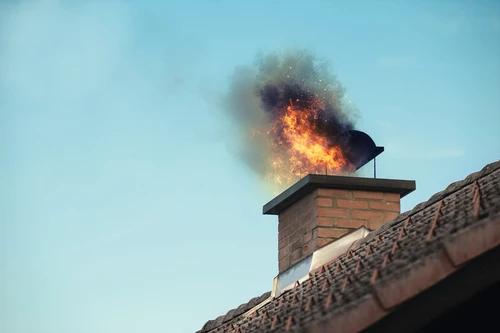
Creosote, a byproduct of burning wood, accumulates in chimneys. Regular cleaning removes this highly flammable substance, reducing the risk of chimney fires. Additionally, it’s important to dry wood and avoid overloading the firebox to further minimize creosote buildup.
Tenant Safety
Providing a well-maintained chimney is crucial to tenant safety. Regular inspections and cleanings demonstrate your commitment to their well-being and comfort. Additionally, educating tenants on the proper use of the fireplace, including guidelines for safe burning practices, further enhances their safety.
Preservation of Indoor Air Quality
A properly functioning chimney ensures that smoke, gases, and other combustion byproducts are efficiently vented outside. This prevents the buildup of pollutants inside the home, maintaining high indoor air quality. Good indoor air quality is especially crucial for individuals with respiratory conditions or allergies and for overall tenant health and well-being.
Who’s Responsible for Chimney Maintenance?
Property owners or landlords are generally responsible for ensuring chimneys and fireplaces provided with a rental property are maintained in a safe condition. However, specific maintenance responsibilities may depend on applicable state and local laws, the lease agreement, and the type of fireplace or chimney system.
That said, here are some of the key responsibilities of landlords regarding chimney maintenance.
- Regular Inspections and Cleanings– Property owners or landlords should arrange for chimney inspections at least annually. Cleaning, maintenance, and repairs should be performed as needed based on the chimney’s condition and use.
- Repairs and Replacements– If any issues are identified during inspections, it’s generally the property owner’s responsibility to arrange for necessary repairs or replacements. This includes fixing cracks, addressing structural issues, and replacing damaged components.
- Ensuring Compliance with Local Regulations– Property owners must familiarize themselves with local regulations regarding chimney maintenance and ensure compliance. Some areas may have specific requirements for inspections and maintenance.
- Educating Tenants– While landlords are generally responsible for chimney maintenance, it’s important to educate tenants about the safe and proper use of the fireplace, if applicable.
- Responding to Tenant Reports– If tenants report any unusual odors, smoke, or other issues related to the chimney, landlords should investigate and address the problem promptly.
What to Expect From a Chimney Inspection
When you own a property with a chimney, it’s important to have it inspected regularly. To do this, you’ll want to hire a chimney sweep or chimney inspector. Many chimney professionals perform both inspections and cleanings. Look for technicians certified by organizations such as the Chimney Safety Institute of America (CSIA) or the National Fireplace Institute (NFI).
During a chimney inspection, inspectors look for buildup, obstruction, damage, or structural issues. That said, there are three main types of chimney inspections recognized by the National Fire Protection Association (NFPA) and the CSIA. They’re commonly referred to as Level 1, Level 2, and Level 3 inspections.
Level 1 Inspection
A Level 1 inspection is the most basic type of chimney inspection and is recommended when there are no system changes or known performance issues. During a Level 1 inspection, an inspector will visually examine readily accessible areas of the chimney.
Level 2 Inspection
A Level 2 inspection is more comprehensive and is appropriate under certain circumstances, such as when appliances are added or removed, an appliance is replaced with one of a different type or efficiency, the property is sold or transferred, or an event such as a chimney fire or malfunction may have caused damage.
In addition to a basic inspection, a Level 2 inspection thoroughly examines accessible portions of the chimney’s interior and exterior. An inspector will look for proper clearance from combustibles, ensure proper construction and installation, and verify the condition of the overall structure.
Level 3 Inspection
A Level 3 inspection is the most detailed and is recommended when a Level 1 or Level 2 inspection suggests a deeper issue within the system. This level of inspection may require the removal of certain components of the building or chimney structure to access hidden areas. Level 3 inspections are rare and typically only recommended when serious concerns or hazards are suspected.
Fireplace Safety Tips for Tenants
If you live in a rental property that has a chimney, it’s important to know how to take care of it. While landlords are generally responsible for professional inspections and required maintenance, tenants can also help keep fireplaces safe by following the lease, using the fireplace properly, and promptly reporting problems.
Here’s what tenants can do to regularly maintain their fireplaces in a rental property.
- Clean Ash Regularly– If applicable, dispose of ashes in a designated metal container. Allow ashes to cool completely before disposal to prevent any potential fire hazards.
- Check the Damper Before Use – If applicable, make sure the damper opens properly before using the fireplace to allow smoke and gases to vent outside. Report any problems with the damper to the landlord rather than attempting repairs yourself.
- Safe Wood Burning– Use only well-seasoned, dry wood in the fireplace. Avoid burning green or damp wood, as this can lead to excessive creosote buildup and inefficient burning.
- Report Issues Promptly– Inform the landlord immediately if you notice any unusual odors, smoke, or problems related to the fireplace or chimney. Reporting it right away can prevent further issues and ensure prompt maintenance.
- Use a Fire Screen or Door– If provided, use the fire screen or door to prevent sparks or embers from escaping the fireplace.
FAQs About Rental Property Chimney Maintenance
Chimney maintenance often raises questions about inspections, landlord responsibilities, and fireplace safety. Here are answers to some of the most common questions rental property owners and tenants have.
How often should a rental property chimney be inspected?
Most professionals recommend scheduling a chimney inspection at least once a year, especially if the fireplace is used regularly.
Who is responsible for chimney maintenance in a rental property?
Landlords are generally responsible for ensuring chimneys and fireplaces provided with a rental are maintained in a safe condition, although specific responsibilities may vary based on local law and the lease. Tenants should use fireplaces safely and promptly report any problems.
Can tenants clean the chimney themselves?
No. While tenants can remove cooled ashes and practice safe fireplace use, chimney cleaning and inspections should generally be performed by a qualified professional.
What are signs that a chimney needs maintenance?
Smoke entering the home, unusual odors, poor draft, visible cracks, or excessive creosote buildup may all indicate that the chimney needs professional attention.
Why are chimney inspections important?
Regular inspections help identify safety hazards, improve fireplace performance, reduce the risk of chimney fires, and ensure the system operates safely.
Stay On Top of Maintenance With BMG
Chimney maintenance in rental properties is crucial for tenant safety and can help property owners meet applicable maintenance and safety requirements. Staying up-to-date with regular chimney inspections and cleaning is vital to keeping your property safe and secure. One of the best ways to keep up with regular maintenance is by hiring a rental property management company to schedule inspections for you.
Need More Advice? contact us today!
Bay Property Management Group offers comprehensive rental management services. So, whether you need help scheduling a chimney inspection or you’re looking to fill vacancies with high-quality tenants, we can help! Contact BMG today to learn more about our services and how we can help your rental business succeed.