Pest Control in Rental Properties: Who’s Responsible?

Pests can be a really big issue in rental properties. Not only are they a health hazard, but they can also damage the property, resulting in hefty repair bills. So, as soon as you notice signs of bugs or pests in your rental property, it’s important to address the issue promptly. But who’s responsible for pest control in rental properties–landlords or tenants? Today, we’ll go over responsibilities for pest control, signs of infestations, and how to prevent them in rental properties.
Main Takeaways
- Pest control responsibilities can vary depending on the rental property, lease agreement, local laws, and circumstances surrounding the infestation.
- Landlords and tenants can both help prevent pest problems by addressing maintenance issues, keeping the property clean, and reporting signs of pests quickly.
- Regular inspections and preventative maintenance can help catch pest problems early and reduce the risk of property damage.
Who’s Responsible for Pest Control in Rental Properties?
When it comes to pest control in rental properties, no one party holds all the responsibility. Preventing and treating unwanted pests takes a collaborative effort from landlords, tenants, and your Philadelphia property management company. That said, responsibilities may differ depending on your lease agreement or the type of property you live in.
Here are some general guidelines for pest control at rental properties.
Landlord Responsibilities
- Adhere to habitability standards and building codes
- Address pest reports or issues in a timely manner
- Identify and fix any potential entry points for pests
- Communicate with tenants, especially in multi-family units, to assess the extent of pest issues
- Hire qualified pest control specialists to identify and get rid of pests
- Explore ongoing preventative measures, including seasonal pest treatments
- Provide tenants with informative materials regarding proactive pest prevention
Tenant Responsibilities
- Inform your landlord immediately upon noticing any signs or suspicions of pest activity
- Maintain cleanliness in the property, ensuring there’s no food waste or trash that may attract pests
- Regularly dispose of garbage and store it securely in sealed exterior containers
- If your pets have fleas, address the issue immediately and consider preventative measures
- Notify your landlord of any open entry points or damage to the exterior of the home that may allow pests to enter
- Use caution to avoid bringing pests into your rental from other locations or places you visit
Laws on Pest Control in Rental Properties
Laws regarding pest control in rental properties can vary depending on location and jurisdiction. Additionally, they may differ depending on the property type. Either way, it’s important for both landlords and tenants to understand their roles regarding pest control. Here are some general laws and guidelines.
- All Rental Properties
- Single-Family Rentals
- Multi-Family Properties
All Rental Properties
Landlords generally must provide rental housing that meets applicable health, safety, and habitability requirements. Serious pest or vermin infestations may violate these standards, particularly when they create unsafe or unsanitary conditions. However, responsibility for preventing or treating a particular infestation may depend on the property type, cause of the infestation, lease terms, and applicable state or local laws.
Single-Family Rentals
In some single-family rentals, tenants may be responsible for exterminating insects, rodents, or other pests on the premises. However, it may depend on your landlord or property management company, and it should be outlined in the lease agreement. If you, the tenant, are responsible for pest control, it’s important to handle exterminations immediately to prevent further damage.
Multi-Family Properties
For properties containing two or more units, landlords may have greater responsibility for addressing pest infestations, particularly when they affect common areas or multiple units. However, exact responsibilities depend on applicable laws and the circumstances of the infestation. For instance, landlords are responsible for all common areas like hallways, lobbies, or shared spaces. However, responsibility for pest control within an individual unit may depend on the cause of the infestation, applicable laws, and the lease agreement, including maintaining cleanliness and reporting any issues.
Signs of a Pest Infestation in a Rental Property
Knowing what to look for is a large part of preventing and treating pest infestations. Most of the time, the signs are quite obvious. However, pests can easily hide or be hard to catch. Here are some of the signs to watch out for in your rental property.
- Pest Droppings- Finding pest droppings in areas like kitchen cabinets, drawers, or pantry shelves can indicate a pest infestation or problem.
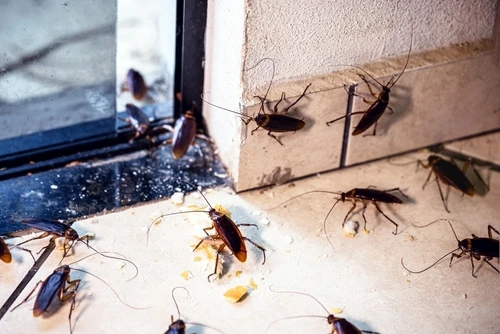
- Visible Signs of Pests- If you see pests, like cockroaches, rodents, or insects, it’s a clear sign of an infestation. Pay close attention to areas like the kitchen, bathrooms, and storage areas.
- Physical Damage- Rodents may leave gnaw marks on furniture, walls, or food packaging. Bed bugs may also leave dark spots, shed skins, eggs, or other signs around mattresses, furniture, or bedding. Additionally, rodents may chew on electrical wires, which may create a fire hazard. It’s important to look for these signs of physical damage and act immediately.
- Strange Odors- Unusual or foul odors, especially in confined spaces like closets or under sinks, can indicate the presence of pests or their nests.
- Nesting Materials- Discovering nests or nesting materials, especially in hidden or undisturbed areas, may suggest a pest infestation. If you find anything unusual, it’s important to further investigate.
- Scratching Noises- If you hear scratching or rustling sounds, particularly at night, it could be a sign of rodents or other pests moving around.
- Holes or Entry Points- If you suspect that there are pests in your rental home, inspect the property for any holes, cracks, or gaps that they could use as entry points. You’ll want to seal these to prevent further infestations.
How to Prevent Pests in Rental Properties
Avoiding damage from insects, pests, or rodents starts with preventing them from entering the property in the first place. Preventing pests in rental properties takes a collaborative effort from tenants and landlords. Here are some tips both parties can use for pest prevention.
- Educate Tenants
- Schedule Regular Inspections
- Take Preventative Measures
Educate Tenants
When signing a lease agreement with a new tenant, landlords should give them some basic information about the property. During move-in, educating new tenants on the importance of preventing pests while living in a rental home is important. So, consider giving them a pamphlet or sending an email that details effective pest prevention practices. Don’t forget to include information on proper food storage, waste disposal, and maintaining cleanliness.
Schedule Regular Inspections
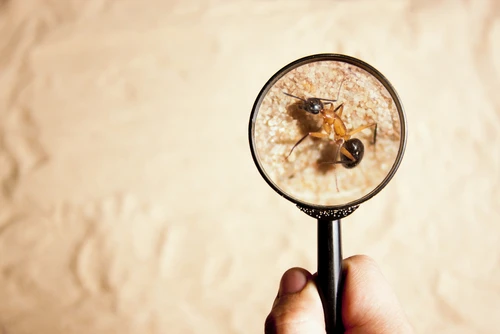
Regularly inspecting rental properties, in accordance with applicable notice, entry, and lease requirements, is crucial for several reasons. First, you can ensure tenants are maintaining them properly, and you can check for any potential damages or issues caused by pests.
While conducting property inspections, pay close attention to areas that may be prone to pest activity, like kitchens, bathrooms, or entry points. Additionally, keep detailed records of inspections and communicate any potential concerns or necessary actions for both parties.
Take Preventative Measures
Prevention is key in avoiding damage or health issues from pest infestations. So, before renting your property to tenants, landlords need to seal entry points, install screens where necessary, keep up with landscaping, and educate tenants about what they can do. That said, tenants can do their part by disposing of garbage properly, storing food in airtight containers, and caring for their pets with regular flea and tick treatments.
FAQs About Pest Control in Rental Properties
Pest problems can raise plenty of questions about who should handle them and what to do when an infestation appears. Here are answers to some common questions about pest control in rental properties.
Is the landlord or tenant responsible for pest control?
It depends on the situation. Responsibility may vary based on the type of rental property, what caused the infestation, the lease agreement, and state or local laws. Landlords and tenants should review the lease and applicable requirements when a pest problem occurs.
What should a tenant do if they find pests in their rental?
Tenants should notify their landlord or property manager as soon as they notice signs of pests. Reporting the issue early gives the landlord an opportunity to investigate the problem and determine what steps are needed.
Can a tenant be responsible for a pest infestation?
In some situations, yes. A tenant may have responsibilities when their actions or living conditions contribute to a pest problem. However, landlords may still have legal obligations related to habitability, property conditions, or pest control depending on local laws and the circumstances.
How can landlords prevent pests in rental properties?
Landlords can help prevent pests by sealing potential entry points, keeping up with property maintenance and landscaping, scheduling regular inspections, and responding promptly when tenants report pest activity. These steps complement the prevention measures already discussed in the article.
What are common signs of a pest infestation?
Common signs include droppings, visible pests, unusual odors, nesting materials, scratching noises, property damage, and holes or gaps that pests may use to enter the property.
Avoid Pests With Professional Property Management
Pest control in rental properties takes a collaborative effort from landlords, property managers, and tenants. Landlords and tenants both have important roles in preventing and addressing pest problems, although their specific responsibilities can vary based on the property, circumstances, lease, and applicable laws. If you or your property manager notices pests in your rental property during an inspection, getting rid of them immediately is imperative.
Need More Advice? contact us today!
If you’re looking for a reliable property management company to help ensure your properties are well-maintained and pest-free, Bay Property Management Group can help! We offer comprehensive rental property management services throughout Baltimore, Philadelphia, Northern Virginia, and Washington, DC. Our team of reliable property management professionals can help you find qualified tenants, perform inspections and maintenance, and help you and your tenants stay on the same page regarding rental maintenance. Contact BMG today to learn more!