Fire drills are important, but they represent only one part of a strong safety program. Fire prevention for schools requires reliable equipment, clear procedures, trained staff, and well-maintained facilities. A focused review of fire prevention for schools can help identify concerns before they delay an evacuation or contribute to a larger loss.
Confirm Fire Protection Equipment Works
Start by confirming that alarms, pull stations, strobes, and notification systems work as intended. Fire extinguishers should remain visible, accessible, and within required inspection dates. Additionally, emergency lighting and illuminated exit signs should operate during a power outage.
Schools should also keep sprinkler controls, risers, and fire department connections clear of storage or other obstructions. Staff should know how to report damaged equipment or a fire safety concern promptly.
Keep Exits and Fire Doors Clear
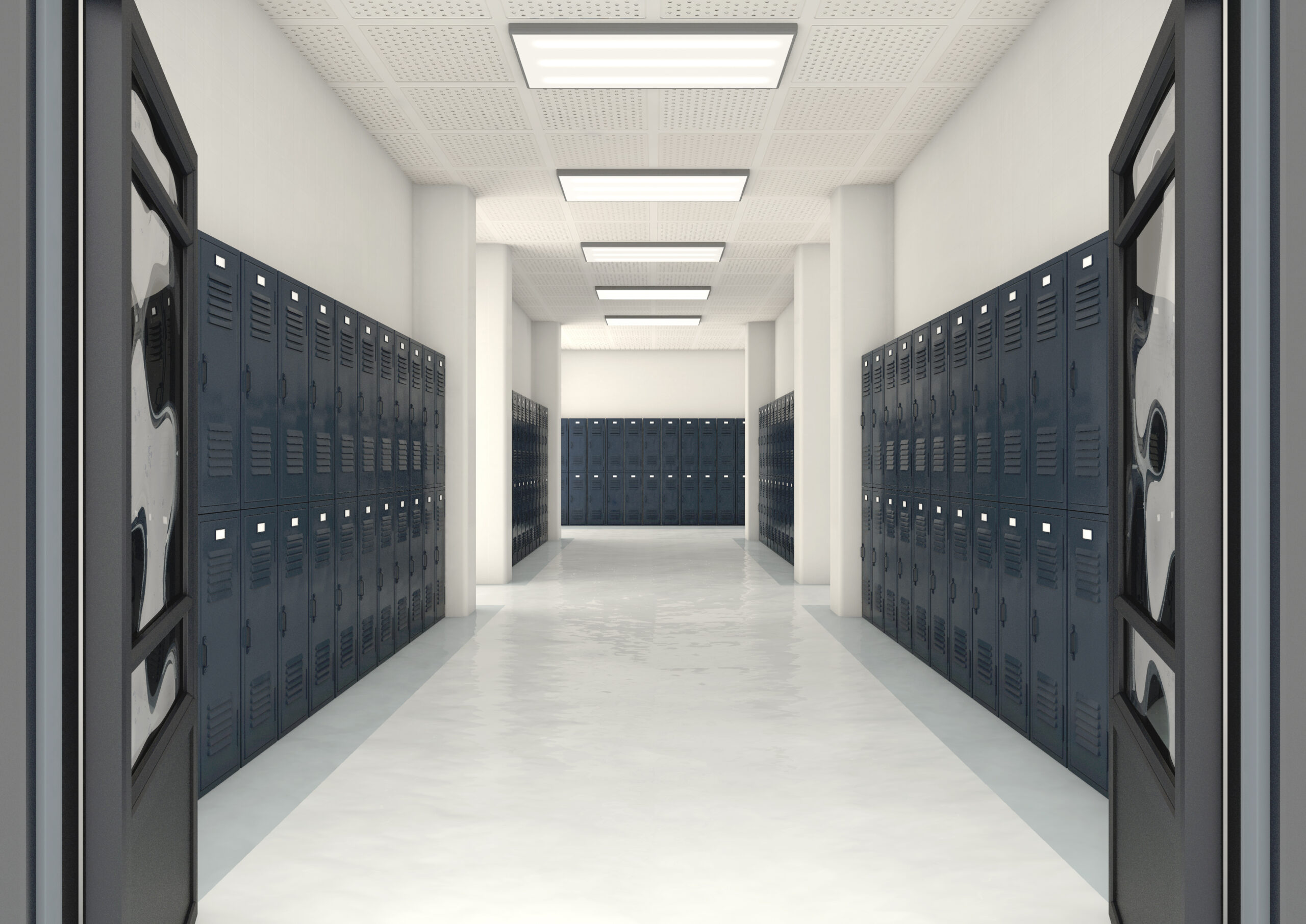
Clear evacuation routes support a faster, safer response. Hallways, stairwells, and exit doors should remain free of furniture, storage, decorations, and equipment. Exterior exit doors should open easily from the inside and should not require special knowledge or a key.
Fire doors also require regular attention. These doors help contain smoke and fire, but they only work when they close and latch properly. Avoid propping fire doors open or blocking them with carts, boxes, or furniture.
Review Staff Roles and Evacuation Procedures
Equipment alone cannot ensure a successful evacuation. Staff should understand their primary and alternate evacuation routes, assigned assembly areas, and student accountability responsibilities. They should also know how to report a missing student, visitor, or colleague.
Furthermore, schools should provide accessible emergency instructions for substitute teachers, coaches, volunteers, and after-hours staff. These groups may not know the building or its procedures as well as regular employees.
Pay Attention to Higher-Risk Areas
Some campus areas require additional oversight. Kitchens, science labs, stairwells, maintenance rooms, storage areas, and mechanical spaces can create greater fire risk when materials are stored improperly. Keep combustible items away from heat sources, maintain access to electrical panels, and follow district procedures for chemicals and equipment.
Regular walkthroughs can help facilities teams identify clutter, damaged cords, blocked panels, or other concerns before they become larger problems.
Document Findings and Follow Through
After a drill, inspection, or fire-related incident, document what worked and what needs improvement. Record equipment concerns, submit work orders, and assign responsibility for follow-up. Consistent documentation supports accountability and helps schools track recurring issues over time.
A fire prevention review does not need to be complicated. However, regular attention to equipment, exits, fire doors, staff responsibilities, and higher-risk areas can strengthen emergency preparedness across campus.
For more information, please contact an INSURICA Risk Management Advisor today.