And no wonder, for Satan himself masquerades as an angel of light. ~ 2 Corinthians 11:14
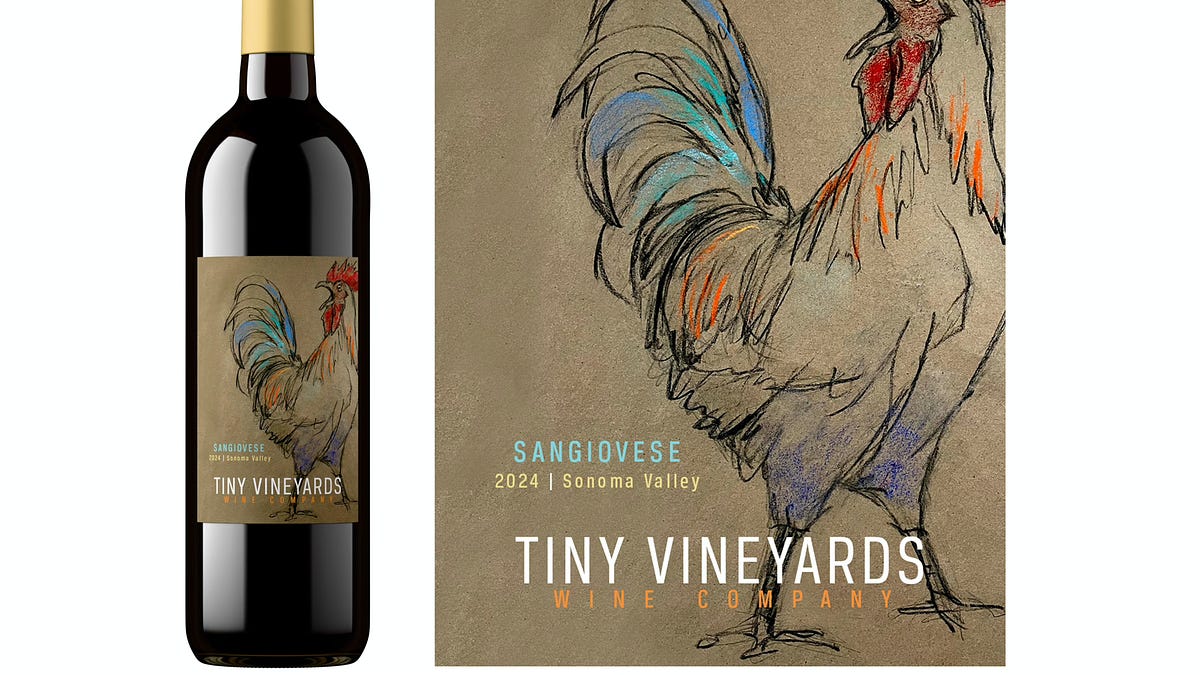
Eight months ago—way back in January—I wrote the following in this newsletter: The name Sangiovese is derived from the Latin words sanguis Jovis, meaning “the blood of Jove.” Jove referring to the god Jupiter, king of the Roman gods. Hence, “By Jove!” is a euphemism for “By God!” Yet early farmers in Tuscany complained the grape was too wild and unpredictable to have been created by God, so it must have been the Devil. A wayward grape for sure, Sangiovese is said to mutate more than any other grape, with over 100 clones identified by the Italian National Registry, and two of those clones are responsible for some of the finest wines in the world inspiring a famous vignaiolo to exclaim, “Sangiovese may be the Devil’s grape, but it makes heavenly wine!” Sangiovese is sometimes criticized as a “donut wine” because of a perceived hole in the mid-palate when tasted. Winemakers in the know will “plug” that hole with another varietal and call it a Super Tuscan. That’s what we did with this wine, adding about 20% Cabernet Sauvignon to round out its total expression in celebrated notes of dark cherry, herbs, leather, and licorice. Heavenly wine, indeed! Alla vostra!
We had just bottled our Sangiovese—well, Super Tuscan—and we were all-a-twitter over how good it was going to be. “Give it a few weeks to get over bottle shock,” we proclaimed, “and it will be well on its way to being yet another expression of Chianti with attitude, the Nuevo-Italian foodie wine Sangiovese lovers have embraced for over 50 years. After all, our barrel tasting before bottling had hinted at something remarkable—something perhaps, that might be everything we’d ever wished for.
But a few weeks passed, then another few weeks, then a few months and the wine remained tight—not bad really, but muted—seemingly cloistered in an internal battle of evolving aromatics, tannins and acid. I had posted the wine for sale on our web site, then took it down. It was clearly not ready and I was guilty—yet again—of the same mortal sin that has plagued my entire winemaking career. The sin of impatience.
So, I forgot about the wine.
There were other important things far more pressing to worry about. Like what the hell was really going on with the wine industry. And why are so many of the beautiful vineyards I’ve driven past for nearly ten years being ripped out, their heaped and tangled piles of rusted trellis posts like grave markers to a proud heritage once quotidian in the valley. Even the tiny vineyard that two years ago supplied the grapes for my recalcitrant Sangiovese has been abandoned.
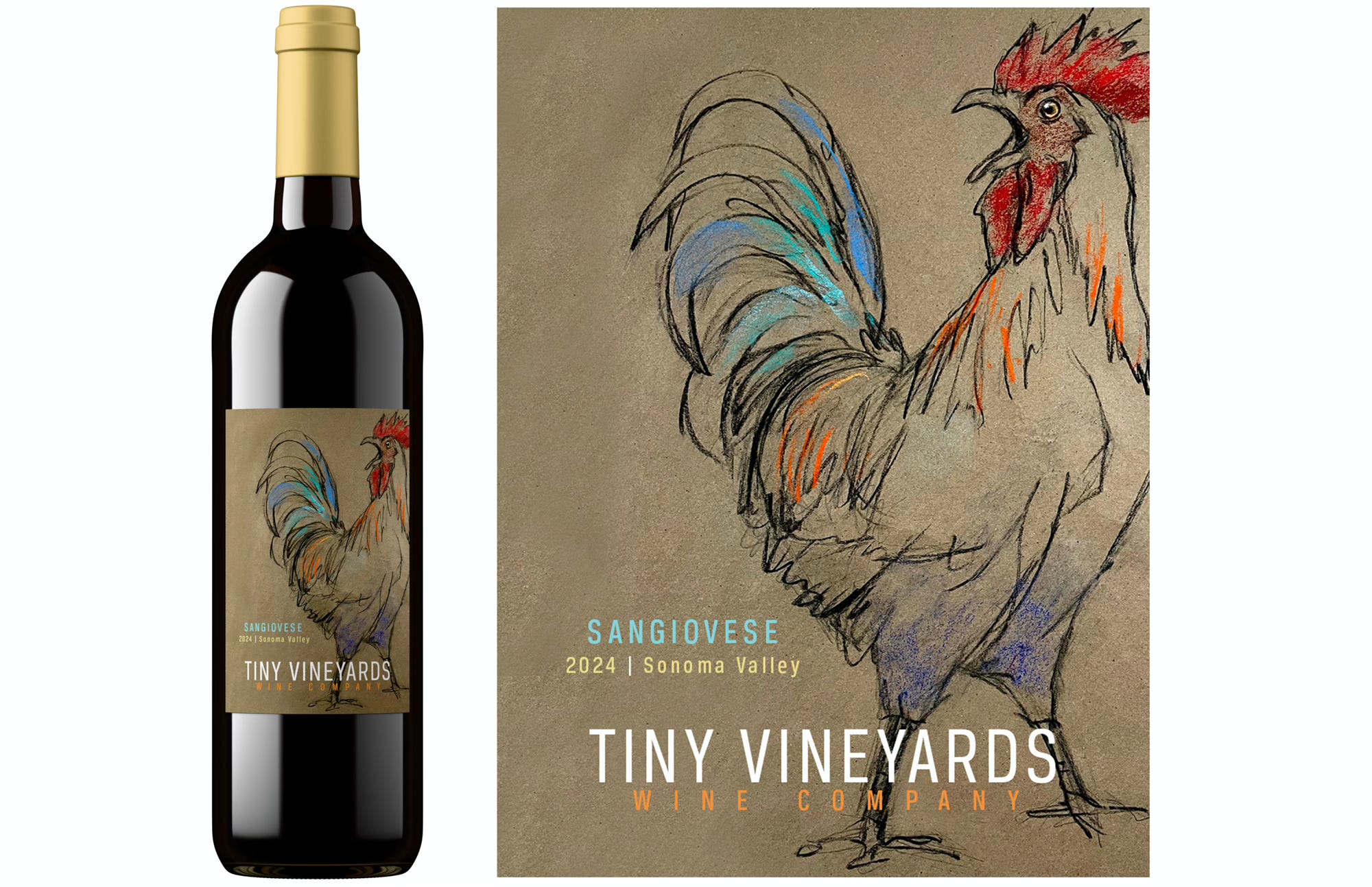
But then fate, or God, or perhaps Lucifer himself intervened and just a week ago, while restocking inventory at my wine shippers, I came across a single bottle of said Sangiovese (all the rest of that vintage having been put back in longer-term storage). What the heck? It had certainly been a while so I took it home for dinner to see how it might stand up to grilled hangar steak, asparagus, mushrooms caps and fresh corn.
The perfect pairing? How would I know? I hadn’t tasted the wine in months and I didn’t know what to expect. I just knew I wanted something mid-body—not too big, not too small—to compliment my grill, something that would (cue the background music) dance a tango across my palate, commit grand larceny of my heart, and seduce my very soul.
Yeah, gag, I actually did write those words back when I was first promoting this wine eight months ago. All before nothing happened. Before my initial release turned out to be somewhat of a non-event. A fruitless pursuit, quite literally.
But I have learned over the years—despite my perennial shortsightedness—that when working with grapes what is there one day may not necessarily be there the next and vise versa. If anything is constant it’s that new wine still in the barrel is dynamic and ever-evolving, and whatever level—if any—of intervention you choose to impart may still have an impact. But when that same wine is eventually bottled any ongoing changes—and they may yet be significant—become mysterious and for the most part out of your control.
Taste a young Bordeaux as an extreme example. You’re likely to respond in shocked surprise at the harsh, overly tannic and tight mouthful it presents due to high levels of natural grape compounds that have not yet softened. Taste this same wine a few years later and it will have integrated into something magical.
All red wines go through this metamorphosis to drinkability. Some, like Beaujolais Nouveau, get there in only a few weeks. For others it may take years. But the Devil’s Grape is a wild child of different ages and multiple personalities. Your basic Chianti, the kind you find for cheap at your neighborhood spaghetti joint, is available around March 1st in the year after harvest. Chianti Classico (with the black rooster on the label) can be found on October 1st of that year. Chianti Superiore is released after at least nine months of aging. Chianti Riserva is aged for a minimum of 24 months before sale. Gran Selezione requires at least 30 months of aging, and Brunello di Montalcino must be aged for a minimum of 5 years (62 months) before it can legally be released to the market. And yet all of these wines are made from 100% Sangiovese.
So yes, I was again curious and took the bottle home. I forgot it on the sideboard while I torched my steak and veggies over chunks of smoky wood and crackling lump charcoal. I included a thick piece of tofu on a nest of scallions for my significant other who will graciously humor my epicurean foibles but refuses to give red meat a nod. It wasn’t until I was finally finessing the tofu and resting the beef that I remembered the wine, so trifling to me it had become.
I peeled off the foil on the bottle and pulled the cork, honestly afraid that I would find something still mediocre, or worse. But then a waft of red cherry floated through the air like the broad brushstrokes used to illustrate smoke rising from the chimney of a cozy cabin in an animated Christmas movie. I mean seriously, I could “see” the nose of this wine, which I had yet to even pour.
So, I poured, and I swirled, and I noted the telltale lighter hues of the wines I had sampled prodigiously three years ago as we toured the actual Chianti wine region in Tuscany. Someone there once described it as somewhere between garnet, rust, oxblood, and ruby red, but then I discovered they were actually talking about a “color crush” in fashion emblematic of the wine. But hey, it still worked for me.
I followed my nose deep into the glass unable to stop myself from taking a deep draught, letting the wine flood my mouth and closing my eyes as I sucked back air over my tongue in the way I truly love to taste wine. My mouth simply bloomed with high acidity, tart red cherry in overdrive, and plums, followed by savory notes of dried herbs and leather. What more can I say? Our wild child has arrived.
Finally.
Want to taste what I’m gushing about? I just put it back on sale on our website tinyvineyards.com at a price one-third lower than it will eventually be listed—$24 a bottle, or $240 a case (with free shipping)! This Super Tuscan style Sangioveses is a truly delicious wine perfect for the onset of autumn—chicken on the grill, plates of pasta, minestrone di verdure and, oh yeah, hangar steak and tofu on a bed of scallions.