Editor’s Note: Welcome to the third installment of our series on The Changing Consumer. While our previous articles explored shifting spending habits and generational differences, this piece examines perhaps the most tangible transformation happening right now—the way people drink. As consumers continue to tighten their belts on discretionary spending and rethink their relationship with alcohol, beverage programs have emerged as the hospitality industry’s most flexible and profitable creative opportunity.
Five years ago, the event bar was simple: beer, wine, liquor, soft drinks. Guests grabbed something quickly and moved on. The beverage program was an operational necessity, not a strategic priority.
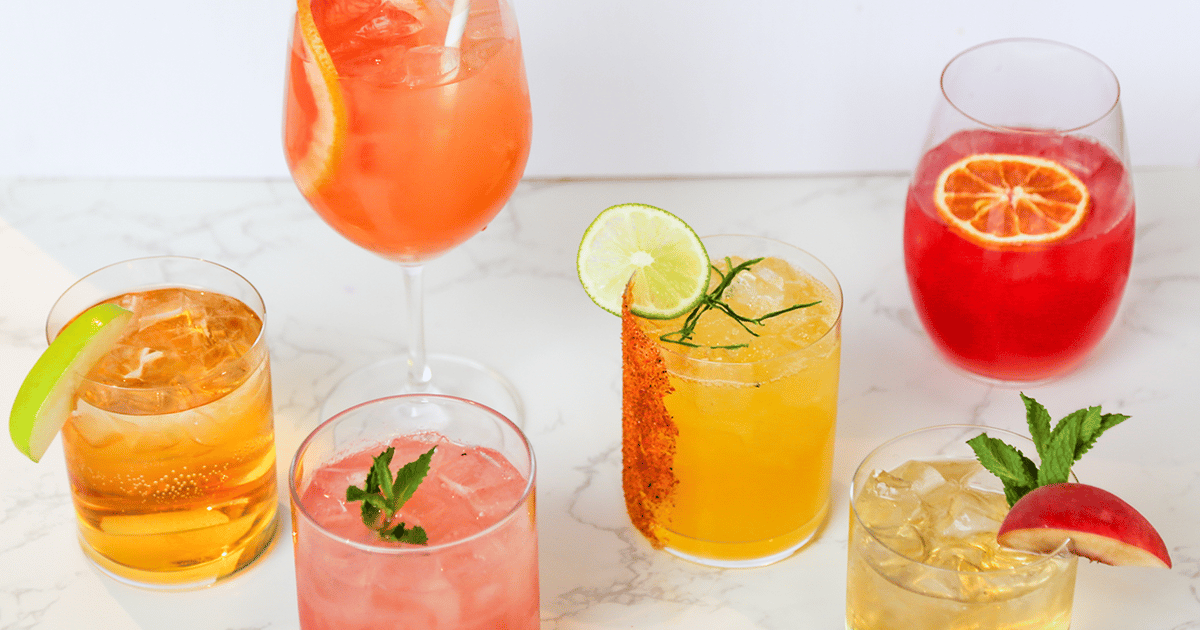
Today, the bar is where guests linger. It’s where they create and share experiences. Layered mocktails earn as many photographs as the venue itself. Functional cold brews spark conversations about wellness and productivity. Dirty sodas get customized with the same care once reserved for craft cocktails. The beverage station isn’t just part of the event—it is the event.
“Beverages are the new frontier of brand identity,” said Bradley Bolton, Director of Operations at Stories Coffee Company, during a session at the 2026 National Restaurant Show. “The rise of mocktails, enhanced water, and functional drinks isn’t a fad—it’s a fundamental shift in how guests define a great experience.”
This shift runs deeper than aesthetics or trends. Beverages have evolved from margin fillers to profit drivers. They’ve shifted from afterthoughts to strategic differentiators. What guests hold in their hands now shapes how they remember your event—and whether they’ll return.
Registration is now live! Join us at Cater+Event 2027 in New Orleans as new trends, products, and ideas in catering and events are revealed during this remarkable industry gathering. CLICK HERE TO LEARN MORE
The financial stakes reflect this shift. The functional beverages market reached $178.9 billion. in 2026, representing a significant portion of the broader specialty beverage category valued at $217.99 billion.
“We have to craft experiences, not just cocktails,” said Marcus Merritt, Restaurant Consultant at Oliva Restaurant Group, during a session at the 2026 National Restaurant Show.
Understanding why beverages matter is only half the equation. Understanding who’s driving these changes reveals the deeper transformation underway.
Pouring profits
The beverage boom reshaping events isn’t driven by taste alone—it’s driven by economics. Strong profit margins and operational advantages have aligned with changing consumer preferences to make beverage programs the most strategic investment in modern hospitality.
Beverages deliver profit margins that dwarf traditional food items—often reaching 80-90% for specialty drinks compared to 30-40% for plated meals—a critical advantage when catering operations face unprecedented cost pressures.
Beyond margins, beverages solve operational challenges that plague food service. Most innovative drinks require minimal kitchen infrastructure and limited prep time—critical advantages given persistent labor shortages and rising real estate costs.
But the real game-changer is consumer behavior. Today’s consumers demonstrate a remarkable willingness to pay premium prices for distinctive beverage offerings, particularly when those beverages aren’t easily replicable at home.

Guests want their beverages to be Instagramable, and this has been a big reason for colors and branding. Photo courtesy Chowgirls Catering
The marketing multiplier amplifies these benefits further. When guests photograph and share visually striking drinks, they provide organic endorsements—marketing that extends well beyond the event itself and carries more weight than paid advertising.
“The offerings need to be Instagramable before they are ever tasted,” says Sebastien Centner, Founder & Creative Director for Eatertainment Events & Catering. “This is not that far of a departure from the age-old approach that people ‘eat with their eyes before the food ever touches their palate’ but now it’s accentuated by social media and applies to beverages.”
Yet these visual and economic trends are symptoms of something deeper—a fundamental transformation in drinking culture itself.
The culture has already shifted
Beneath the photogenic presentations and social media moments lies a more fundamental transformation in how people relate to alcohol itself—a shift driven by changing values and health consciousness that’s reshaping social norms around drinking.
Gen Z leads this transformation, drinking 20% less alcohol than Millennials yet spending more on experiences and premium beverages—a paradox that reveals where the industry is headed.
“Gen Z really has redefined how we’re drinking and how we vibe,” said Merrit. “Accounting for the smallest percentage of alcohol sales, but accounting for the largest percent of non-alcoholic or alternative beverage sales–they are still gathering, but they are just drinking differently.”
Younger consumers increasingly visit venues specifically for beverage experiences, rather than treating the bar as a supplement to dining. The drink has become the destination.
This shift extends far beyond Gen Z. American alcohol consumption has reached its lowest point in decades, with just 54% of adults currently drinking. What began as a generational preference is becoming a cultural norm.
“Older generations still drink, but they may have curbed the drinking for health reasons but it is still generally the poison of choice and part of our social culture,” says Centner.

Many cocktails can be transitioned into non-alcoholic versions, such as an Appletini (left) featuring fresh apple juice, lemon juice, and simple syrup; and a French 75 (right) featuring simple syrup, lemon juice, and sparkling water. Photo courtesy Eatertainment Events & Catering
For hospitality professionals, this cultural shift demands more than menu adjustments. Gen Z consumers expect beverage programs that align with their values—from ingredient transparency and visual appeal to meaningful social shareability. They’re not passive consumers; they’re active participants who shape trends through their choices and social media engagement.
This cultural and economic revolution manifests in four interconnected beverage movements: mocktails commanding premium prices, dirty sodas creating cult followings, functional beverages promising wellness benefits, and cannabis drinks entering mainstream venues. Each represents not just a trend, but a fundamental shift in how guests define a great drinking experience.
Beyond the booze
Sophisticated ‘no and low’ alcohol options have evolved from afterthoughts to menu centerpieces in just a few years, with attendees now expecting complexity matching traditional cocktails.
Consumer awareness of low-alcohol cocktails has reached 63%, with over half of Gen Z now choosing mocktails during social occasions. This isn’t curiosity—it’s a $157 billion global market expected to grow 50% by 2030.
Sugary sodas have given way to elevated experiences. Foodservice professionals now craft house-made botanical tonics featuring ingredients like elderflower and lavender alongside cold-brewed aromatic teas with fruit shrubs and alcohol-free spirits from distilled botanicals.
“Spirit-free cocktails have come a long way from being solely juice- or soda-based,” notes Chowgirls Catering.

Steeped teas and herbs can be used as a way to capture the nuance of alcoholic spirits. A drink using simmered juniper berries can give the essence of gin or Lapsang tea can mimmic the smoky idea of mezcal. Photo courtesy Chowgirls Catering
Non-alcoholic spirits and wine now rank as the seventh most-used ingredient type across restaurant menus—ahead of tequila and Cognac—signaling their mainstream acceptance.
Premium mocktails deliver a profit paradox: pricing comparable to alcoholic cocktails ($12-$15) with significantly lower ingredient costs (often under $2) and zero liquor licensing requirements. This margin advantage makes them one of the most profitable items on any beverage menu.
“Low-alcohol beverages allow consumers to blend in during social situations, eliminating the stress of standing out,” said Suzy Badaracco, President at Culinary Tides Inc., during a session at the 2026 National Restaurant Show.
Investment patterns confirm the shift. According to the National Restaurant Association, 49% of full-service operators are now adding alcohol-free cocktails—nearly matching the 55% adding mixed cocktails. This near-parity signals that mocktails have moved from niche offering to core menu category.
“Your guest today that orders a mocktail can still be your guest tomorrow that’s ordering an alcoholic beverage,” said Merritt. “Your Gen Z guests might love to order a margarita, but then right after they might order a non-alcoholic beverage or a mocktail. These things are still making you money. It’s important to note that.”
Meeting this demand requires rethinking how beverages are presented entirely—not simply adding mocktails to existing menus.
Forward-thinking operators understand that integration matters. Instead of a separate “Mocktails” section, they list drinks by style—”Refreshing,” “Spirit-Forward,” “Aromatic”—with both alcoholic and non-alcoholic options in each category. This approach normalizes non-drinking while making it easy for guests to find drinks matching their preferences.
This integration requires treating mocktails with the same seriousness as craft cocktails: house-made syrups, fresh juices, premium garnishes, and thoughtful presentation.
“With people drinking less alcohol, they want more than just soft drinks and mineral waters—they want the flavors of cocktails without the alcohol itself,” Centner explains. “People are always surprised when you can create a good non-alcoholic offering because they’re used to seeing minimal effort and lackluster results. Just as the vegetarian alternative for a plated dinner can’t appear like an afterthought, the same applies to the non-alcoholic beverage.”
Sweet success and the soda renaissance
One of the most unexpected beverage trends comes from an unlikely source: Utah’s soda culture, where religious restrictions on alcohol have created a unique soft drink tradition. Dirty sodas—beverages made by combining soft drinks with flavored syrups, fruit purées, and cream—have exploded beyond their Mormon origins to become a nationwide phenomenon that perfectly captures the intersection of customization, affordability, and social media appeal driving today’s beverage boom.
“This is a trend that is sweeping the industry,” said Chef Nettie Frank during Art of Catering Food 2026. “In Utah, soda is not just a drink, it is an expression of your personality.”
The growth has been remarkable. Swig, the first dedicated dirty soda shop, opened in Utah in 2010 and now has 100 stores nationwide with plans for another 150. Their competitor, Sodalicious, currently has 25 shops with plans to double over the next few years. Both experienced almost 50% growth last year.
.png?width=1400&auto=webp&quality=80&disable=upscale "BT3A6525_(1).png")
Chef Nettie Frank mixed up dirty sodas for attendees during Art of Catering Food 2026. Photo courtesy Dana Gibbons Photography
Pop culture has also accelerated the trend. The Hulu series The Secret Lives of Mormon Wives has played a significant role in popularizing dirty sodas, with cast members showcasing their favorite combinations and helping propel the drinks into the national spotlight.
The business case is equally compelling. Dirty sodas typically retail for $5-$8, with ingredient costs under $1—margins that exceed traditional cocktails. Dirty soda stations can generate significant incremental revenue, particularly at daytime or children’s events where alcohol consumption is lower. The visual appeal drives social media sharing, creating organic marketing that extends well beyond the event itself.
“It’s all the same items you were going to have in your bar anyway,” said Frank, “you’re just going to be a little bit more interactive and intentional with it.”
This operational simplicity masks a deeper insight. The dirty soda phenomenon demonstrates a broader truth about modern beverage service: guests buy experiences and memories through moments of personalization—not just drinks. This explains why a soda with syrup and cream can generate the same excitement as a craft cocktail: both deliver customization and shareability, but dirty sodas do it at a price point accessible to everyone.
“You are creating an experience for your client and their guests,” said Frank. “With coconut creamer and vanilla syrup added to a Dr. Pepper, it now takes you to your favorite tropical vacation. It’s not just another flavored soda, it’s a customization to a favorite memory. Even though there’s no alcohol, you’re still bringing them an experience.”
Function meets flavor
Today’s beverage consumers seek drinks that work for them, delivering functional benefits beyond simple refreshment. Whether it’s improved immunity and enhanced energy or better focus and stress reduction, functional beverages promise tangible benefits that justify premium prices. And the market has responded; 64% of consumers have expressed interest in functional beverages.
“It’s this idea that it has to do something for me, it can’t just taste good,” said Kelly Dykhuizen in Datassential’s Future Drinks webinar.

The Javo beverage brand offers functional beverages including energy lemonades, iced teas, and cold brew coffee. Photo courtesy Javo
Operators are responding with significant menu investments. According to the National Restaurant Association, nearly half (46%) are adding functional coffees, while substantial percentages are expanding teas (31%), smoothies (29%), lemonades (27%), energy drinks (26%), and dedicated wellness beverages (24%). These represent strategic bets on categories that drive traffic and differentiation.
The functional beverage landscape has exploded with innovation across multiple benefit categories:
-
Energy and focus: Functional coffees and teas enhanced with adaptogens (stress-fighting botanicals) and nootropics (cognitive enhancers) promise sustained energy without the crash.
-
Mood and stress:Beverages featuring ashwagandha, turmeric, and CBD target emotional wellness, offering relaxation and mood support in drinkable form.
-
Physical wellness: Hydrogen-infused waters, detoxifying cocktails, and protein-enhanced beverages promise everything from improved hydration to meal replacement functionality.
The rise of GLP-1 medications like Ozempic and Wegovy has also created an unexpected beverage opportunity. These weight-loss drugs reduce appetite and slow digestion, leading users to seek beverages that provide nutrition and satiety while delivering satisfaction in smaller volumes.
Beverage brands are responding with formulas that pair protein and fiber with enhanced texture and mouthfeel. Operators have launched protein cold foams, while developing concentrated protein beverages that function as meal replacements. These drinks satisfy both physically (through nutrition) and psychologically (through substantial texture and flavor), meeting the needs of guests who want nourishment without large portions.
Digestive health represents another major functional category, driven by growing consumer awareness of the gut microbiome’s impact on overall wellness. Fermented beverages—from kombucha to kefir, plus fruit-fermented juices—offer live cultures and complex flavors that blend ancient tradition with modern wellness trends.
The key is education—but not in a clinical way. Rather than listing ingredients and benefits on menus, successful operators tell stories: ‘This turmeric-ginger tonic supports your afternoon energy without the coffee crash’ or ‘Our adaptogen-infused lemonade helps you stay calm and focused during networking.’ When guests understand what they’re getting and why it matters—and when the beverage delivers on taste—functional drinks become memorable elements of the event experience that command premium pricing with margins that rival alcoholic cocktails.
The green rush comes to events
While functional ingredients and creative customization are reshaping non-alcoholic offerings, perhaps no category represents a more dramatic shift in social drinking culture than hemp-derived THC beverages. What was unthinkable five years ago—a corporate event bar serving zero alcohol, with guests networking over THC-infused seltzers—has become unremarkable in legal states. The transformation has been swift and significant, showing no signs of slowing.
“I personally think we have lived through the craft beef renaissance. Craft beer had its moment, but now people are looking for something new,” said Christopher Amason with Poe’s Tavern during a session at the 2026 National Restaurant Show. “Now we’re living in the THC derived seltzer renaissance, and we should be excited about that.”
From niche to mainstream
Major venues in legal states now offer dedicated THC beverage menus with a dozen or more options. These aren’t underground venues or niche gatherings—they’re mainstream corporate events, music festivals, and wedding receptions at established venues.
“Most major shifts in hospitality start small, until suddenly they’re everywhere,” said Collin Kerrigan, founder of Torch Drinks, during a session at the 2026 National Restaurant Show. “This is no longer a niche category, it is entering mainstream consumer behavior.”
.png?width=1400&auto=webp&quality=80&disable=upscale "_DA_4080_(1).png")
The 2026 National Restaurant Show featured samples from several hemp-derived beverage companies. Photo courtesy National Restaurant Association
The market trajectory is remarkable. Industry projections estimate the THC beverage category will reach $14.9 billion to $21 billion by 2030, with seven to 10 million active consumers spanning ages 21 to over 65. Popular brands like Cann, Wunder, Keef, and Pabst Labs are now commonly featured at mainstream venues.
The economics are also compelling. Event planners consistently report that clients increasingly request THC beverage options alongside traditional bar service, and venues now actively promote their THC beverage menus as competitive differentiators.
“It shows how much the tide has shifted,” said Shawn Hauser, Partner at Vicente LLP and chair of the Hemp Practice Group during a session at the 2026 National Restaurant Show.
This rapid adoption reflects powerful consumer demand driven by three fundamental shifts: declining alcohol consumption among young adults, growing health consciousness around alcohol’s effects, and the search for social alternatives that maintain wellness priorities.
“Alcohol is at an all-time low among young people,” says Dan Braunstein, founder of Grassfed and Hash Flight. “Most folks understand that alcohol is toxic.”
The beverage format explains much of this success. Unlike smoking, vaping, or edibles—which carry social stigma or unpredictable effects—beverages fit seamlessly into existing social rituals. THC beverages offer an alternative that doesn’t compromise social participation.
“Gen Z and Millennials are looking for an alternative that leans into the same experience more or less,” notes Braunstein. “We’re used to holding a drink in our hand at any social event—that’s already ingrained in our society.”
Event planners report that THC beverage events tend to be more relaxed and less anxious, with guests tending to be better versions of themselves—less mess, less hostility, better vibes overall.
“Adults naturally consume intoxicants, whether that’s coffee or alcohol,” said Hauser. “When you’re consuming it in a social setting, it’s the most natural human behavior.”
The regulatory tightrope
THC beverages remain legal under the 2018 Farm Bill, which allows hemp-derived products containing up to 0.3% THC by dry weight. But that legal foundation is under threat.
A federal law imposing a strict 0.4 milligram total THC limit per container—far below the 2.5-10 milligrams found in most event-appropriate beverages—was originally scheduled to take effect on November 12, 2026. Congress has since delayed implementation to December 11, 2026, creating a narrow one-month window for stakeholders to navigate or alter these restrictions.
Note: Cannabis beverage regulations vary significantly by jurisdiction and are subject to rapid change. Operators should consult legal counsel and verify current local, state, and federal regulations before implementing THC beverage programs. This article provides general information only and does not constitute legal advice.
Without further action, the 0.4 milligram limit would effectively eliminate the category, forcing most current products off the market and ending the THC beverage boom before it fully matures.
“What’s legal today may not be tomorrow,” said Christine Clutter, Senior Research Analyst at Technomic, during a session at the 2026 National Restaurant Show.
Rather than calling for complete deregulation, most stakeholders recognize that thoughtful oversight could actually strengthen the category’s long-term viability. ‘We just need some more regulations, not a prohibition,’ Clutter said. Clear standards for potency and labeling, combined with quality control protocols, would provide consumer protection while allowing the category to thrive.
“It seems complicated, but if we look at it like we’re transitioning out of the relics of prohibition into what a regulated landscape looks like—we’re at a pretty exciting place in time,” said Hauser.
Practical implementation
Despite regulatory uncertainty, operators in legal markets continue to embrace THC beverages—and for good reason. The practical advantages and consumer demand are too compelling to ignore.
“The best way to introduce cannabis in the lowest footprint possible is holding a drink in your hand,” Braunstein says. “You don’t have to teach someone how to consume it correctly. It’s very natural.”
Modern formulations enhance this natural fit. Unlike edibles or older THC beverages with unpredictable onset times, today’s products deliver consistent and controllable experiences. “The new generation of THC will kick in much faster—within 10 minutes—and wears off much quicker,” Braunstein explains. “That’s a huge advantage when it comes to social settings.” Guests can gauge their experience in real-time rather than waiting 60-90 minutes for effects to appear.
Dosage and consumption patterns also matter. Most event-appropriate THC beverages contain 2.5 to 10 milligrams per serving—low enough to allow guests to consume multiple drinks over the course of an event while maintaining functionality. This dosage range mirrors the social drinking pattern of alcoholic beverages, where guests pace themselves over several hours.

Canned hemp-derived seltzer beverages may be the most popular amongst consumers, but cannabis cocktail options also have their place in event culture. Photo courtesy Brandon Friend-Solis
Industry guidelines recommend separating alcohol and cannabis service areas to prevent mixing and ensure clear guest communication. Staff need comprehensive education on dosing, onset times (typically 10-15 minutes), duration of effects (two to four hours), and how to guide guests consuming their first THC beverage. Many operators create simple decision trees: ‘First time? Start with 2.5 milligrams. Experienced? 5-10 milligrams is appropriate.’
Additionally, quality and consistency are non-negotiable. Given the category’s regulatory scrutiny and consumer skepticism, operators must partner with reputable brands that meet rigorous standards.
Modern hemp-derived Delta-9 beverages are commonly produced in ISO-certified laboratories and CGMP (Current Good Manufacturing Practice) manufacturing environments—the same standards required for pharmaceuticals. Products undergo batch testing to verify potency and compliance while ensuring safety and quality, ensuring that a 5-milligram beverage contains exactly 5 milligrams of THC, not 3 milligrams or 8 milligrams
“The consumer expectation today is consistency,” Kerrigan emphasizes. “A guest who has a positive experience with a 5-milligram beverage should have the same experience every time. This industry understands that—and the operators who succeed are the ones who partner with brands that deliver on that promise.”
For operators, this means careful supplier vetting and choosing brands with established track records over cheaper alternatives with questionable quality control.
Quantifying the opportunity
During the 2026 National Restaurant Show, Donna Hood Crecca, Senior Director of Beverage at Technomic, noted that consumers are increasingly engaging with these beverages. In states where these products are permitted, three in 10 operators are menuing them, with significant business impact:
-
51% report increased check averages
-
49% attracted new customers
“Consumers often aren’t choosing between alcohol or THC beverages—they’re choosing whether your establishment has options that fit the occasion,” said Kerrigan.
The mainstream adoption is undeniable. When major retailers like Target and Total Wine begin participating in a category, it signals that consumers are already there. What started as a niche offering has become an occasion-based choice alongside beer, wine, cocktails, and mocktails.
“Modern consumers want options—not replacements,” Kerrigan notes. “THC beverages have become another tool in the operator’s arsenal for meeting diverse guest preferences. The industry has always adapted to changing consumer behavior, and this is simply the latest evolution.”
Raising the glass
Mocktails, functional beverages, dirty sodas, and THC drinks—these aren’t isolated phenomena but interconnected movements signaling a fundamental restructuring of the beverage landscape.
“Beverages are undoubtedly one of the hottest menu categories on the global stage,” said Aaron Jourden, Director of International Research and Insights at Technomic. “Growth is robust and outperforming other key menu categories. But competition is heating up among global players and local brands alike.”
Beverages have become a key innovation battlefield. Those recognizing this shift gain competitive advantages through higher margins and stronger customer loyalty—creating brand differentiation in a crowded market. Unlike major kitchen renovations or menu overhauls, beverage programs can be upgraded incrementally with modest investment—a few signature mocktails, a functional beverage station, or a creative dirty soda bar can transform guest perception without massive capital expenditure.
“Beverages are more than just a drink for today’s consumers—they’re looking for something that feels personal, memorable, and worth going out for,” said Michelle Korsmo, President and CEO of the National Restaurant Association.

Chowgirls Catering’s build-your-own-mocktail bar allows guests to garnish their own mocktail. Photo courtesy Chowgirls Catering
Event bars have evolved into highly interactive focal points where guests customize drinks through live mixology carts and build-your-own bars, creating curated tasting flight experiences as important as the beverages themselves. The standard banquet table is being replaced by photogenic serving vessels—from vintage trailers and repurposed horse stalls to mobile prosecco trucks—that create natural gathering spaces while serving highly aesthetic, ready-to-drink options.
“The beauty of bar service is about the service style,” says Chowgirls Catering. “When you go sit at a bar or visit our bartenders on site, you will see their craftsmanship and well-trained vision of cocktails happen in front of your eyes.”
In an era where social media drives discovery, presentation matters as much as taste. The most shareable drinks combine visual drama with genuine quality, creating positive associations that drive repeat visits and organic marketing extending well beyond the event itself.
Cold beverages will continue gaining share, driven by consumer preference and operator economics. Functional ingredients will move from niche to mainstream as health-conscious consumers demand benefits beyond basic refreshment. Customization will become table stakes, requiring operators to find new ways to stand out.
Submissions are now being accepted for the 2027 Cater+Event Gala Awards! We are thrilled to announce the launch of the Cater+Event Gala Awards, a groundbreaking fusion of two of the industry’s most prestigious honors: the Achievement in Catering Excellence (ACE) Awards and the Special Events Gala Awards. Now, these two celebrated programs come together to create something even more powerful: a unified platform that honors the full spectrum of catering and event excellence under one prestigious banner. SUBMIT NOW
Mocktails will continue their ascent, driven by generational shifts in alcohol consumption and growing social acceptance of non-drinking. Winners will treat these drinks as equal citizens on their beverage menus, investing in quality ingredients and creative development that rivals their alcoholic counterparts.
The cannabis beverage category remains the wild card. While current consumer adoption doesn’t match operator investment, the demographic overlap with craft beer and RTD cocktail consumers suggests significant potential if regulatory clarity improves. For operators in favorable regulatory environments, early-mover advantages exist—though careful legal navigation remains essential.
“Beverage choice today is about far more than habit,” said Tim Cofer, CEO for Keurig Dr Pepper. “It’s become a form of self-expression. While morning routines and familiar favorites still matter, what’s changing for younger generations is the meaning layered on top of those moments.”
People are choosing drinks based on how they feel and what they’re doing—selecting beverages that reflect how they want to show up in a given moment. What attendees drink—and how they drink it—now carries as much weight as the food they eat and the connections they make.
The window to establish leadership in this space is narrowing as competition intensifies and consumer expectations evolve. But for those willing to treat beverages as the strategic priority they’ve become—investing in quality and embracing innovation—the opportunity to drive profits and create lasting competitive advantage has never been greater.
The beverage revolution isn’t coming—it’s here.
Check back on October 15th when we explore how The Changing Consumer is driving the explosive growth of non-traditional events—and what that means for the future of hospitality.