Hood Warfare 2 capitalizes on Chicago’s Chiraq scene

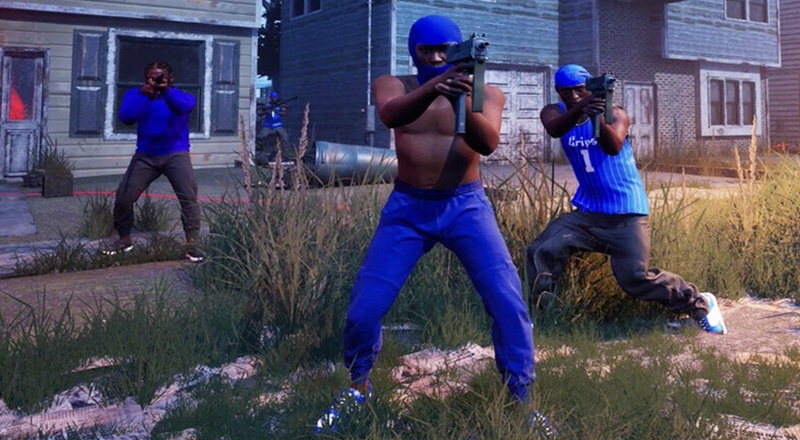
The Trapstar Games title launched on Steam October 8 with six modes, a Snitch killstreak and a disclaimer that it is fictional
A bargain-bin shooter is suddenly the most argued-about game online. Hood Warfare 2, a $5.99 multiplayer title from indie studio Trapstar Games, hit Steam on October 8. It drops players into a Chicago-inspired war between rival gangs. Gameplay clips flooded social feeds within days. Fans hailed it as a cheap rival to Call of Duty. Critics called it something far uglier.
The divide is stark. One camp praises the tight sniping, slick movement and killstreaks that feel lifted from Modern Warfare. The other says the game reduces Black urban communities to chain-snatching and turf wars. Trapstar Games, a tiny studio with almost no public footprint, insists the game is pure fiction. That disclaimer has not cooled anything down. The debate now centers on where gritty entertainment ends and stereotype begins.
Here is how a $6 sequel to an obscure Detroit shooter became the internet’s newest culture war.
From Detroit to Chicago: How a Tiny Studio Built a Viral Sequel
Trapstar Games is not a household name. The studio operates mostly through a YouTube channel and its Steam pages. Details about the people behind it remain scarce. No team biography or ownership information is widely available. That mystery has fueled much of the online speculation.
The franchise began in 2023 with the original Hood Warfare, set in Detroit. Factions modeled on the Bloods and Crips clashed in chaotic first-person firefights. Only a modest player base showed up. Few people outside niche circles ever noticed.
The sequel changes the scale entirely. Hood Warfare 2 moves the action to Chicago. Unreal Engine 5 powers the new build, a major visual leap for such a small team. Weapon animations are sharper. Lighting is moodier. Maps carry names like Downtown, Suburbs, The Trenches and Chicago Mall.
Price is the real hook. At $5.99, with a brief launch discount below that, the game costs less than a fast-food combo meal. Full-priced shooters now routinely run $70. That gap has triggered an impulse-buy wave. Curious players are grabbing a copy just to see what the noise is about.
The pattern is familiar in today’s indie market. Cheap games now break out through short clips, not marketing budgets. Lethal Company rode that wave in 2023. Schedule I, a drug-dealing sim, did it again in 2025. Crime-flavored indie hits clearly sell.
A pointed disclaimer sits on the Steam page. The studio calls the game fictional entertainment. Trapstar says the title does not promote or condone real gang violence. Nor does the game try to portray real events. Pushback was clearly expected. The sheer volume of it may have caught the studio off guard.
Inside the Modes: Turf Wars, Chain Snatching and the “Snitch” Killstreak
Strip away the slang and the skeleton is pure Call of Duty. Players pick a side. They build loadouts with attachments, perks and equipment. They level up through matches and challenges. The create-a-class menu and HUD will feel instantly familiar to any Modern Warfare veteran.
The six modes are where the game’s identity shows. Turf War is territory control. GangBang is team deathmatch. Chaos is a free-for-all. Hit A Lick plays like capture the flag, with a bag instead of a flag. Destroy The Block is a plant-and-defuse bomb mode with limited lives. Chain Snatch mirrors Kill Confirmed, with players collecting chains dropped by fallen enemies.
Then there is the Snitch. It is a killstreak that works like a classic UAV, exposing enemy positions on the map. It has quickly become the game’s signature feature. Prompts flash “SNITCH READY” and “HOMIES READY” in the middle of matches. A clip from a Rainbow Six Siege pro turned the Snitch into a meme almost overnight.
The visuals lean hard into the theme. Promotional art shows armed figures dressed in blue, some masked, posed before weathered wooden houses. One wears a jersey reading “Grips 1.” Gameplay unfolds in rundown streets and alleys at dusk. Overgrown lots and scattered debris frame nearly every firefight.
Support since launch has moved fast. Voice chat arrived in a post-launch patch. Bots and private matches come built in. Early user reviews on Steam lean positive overall. Players say the game shines in short bursts. They also flag thin long-term depth and frustrating spawn camping.
The Chicago Connection: Drill, Slang and Crime on Screen
The game’s vocabulary did not come from nowhere. “Opps” and much of the surrounding slang spread nationally through Chicago drill music in the early 2010s. Chief Keef’s 2012 breakout pushed the South Side’s street language into mainstream rap. Hood Warfare 2 borrows that lexicon wholesale.
Chicago has long served as gaming shorthand for urban grit. Ubisoft’s Watch Dogs built an entire open world around the city in 2014. Gang shooters have sparked fights before, too. 25 to Life, a 2006 cops-versus-gangs title, drew sharp criticism from U.S. lawmakers before release.
The real stakes explain the sensitivity. Chicago and Detroit have documented struggles with gun violence in certain neighborhoods. Residents often push back on outside portrayals that flatten whole communities. Research on media effects remains hotly contested, and no causal link to this release has been shown.
Gamers Split Between Praise and Protest
Supporters frame the game as a bargain Call of Duty rival. Clips claim it already beats Modern Warfare 4 in sniping, movement and killstreak feel. Requests for PlayStation and Xbox versions pile up under nearly every post. Many fans treat the gang premise as flavor, not a statement.
Other responses focused on the thematic presentation. Some users described the title as reinforcing stereotypes of Black urban communities as defined by gang activity and chain-snatching, arguing it was more narrowly focused than Grand Theft Auto, which includes diverse criminal and satirical content. Those posts questioned whether it was created by developers outside the communities depicted.
Specific posts alleged the game was “not Black-owned,” labeled it a “simulator,” or accused promoters of selling out. One reply in the thread noted the original game’s Detroit setting while questioning the Chicago framing. Counterpoints defended the game as comparable to other crime-themed media or dismissed the criticism as selective. Additional replies ranged from dismissive or humorous to direct attacks on the original poster.
Overall sentiment in the sampled replies mixed gameplay enthusiasm with cultural critique. The original post’s framing amplified both the promotional interest and the critical responses.
How a Tiny Team Makes a Game Look Like Call of Duty
A few years ago, AAA polish required AAA budgets. Unreal Engine 5 changed that math after its 2022 launch. Tools like Nanite and Lumen deliver dense geometry and realistic lighting out of the box. Small teams can now ship shooters that look expensive at a glance.
Asset marketplaces close the rest of the gap. Epic’s Fab store sells ready-made weapons, animations and environments. Libraries of photoscanned textures and props cut art costs further. A small studio can skip months of production and focus on maps, modes and tuning.
Timing helps too. Many Call of Duty players grumble about $70 price tags, crowded store bundles and strict matchmaking. A cheap, familiar alternative scratches the same itch with no long-term commitment. That openness gives budget shooters a window, though rarely a lasting one.
Final Thought
Trapstar Games now faces the classic viral-hit test. Launch spikes fade fast without steady updates. Players have already flagged spawn camping and thin long-term depth. The quick voice chat patch suggests the studio is listening. Retention will decide whether this becomes a franchise or a fad.
Consoles loom as the next big prize. A port would push the game to a far bigger audience. Console storefronts, however, apply their own content reviews. That process could put the studio’s framing under a brighter spotlight.
The cultural debate will not fade quietly. Every new clip reignites arguments over who gets to tell these stories. Trapstar’s public stance so far rests on its Steam disclaimer. For now, a $5.99 shooter from a nearly invisible studio sits at the center of gaming’s loudest argument.