From Farm to Carton: How Transparency Standards Became the New Competitive Edge for Organic Egg Brands

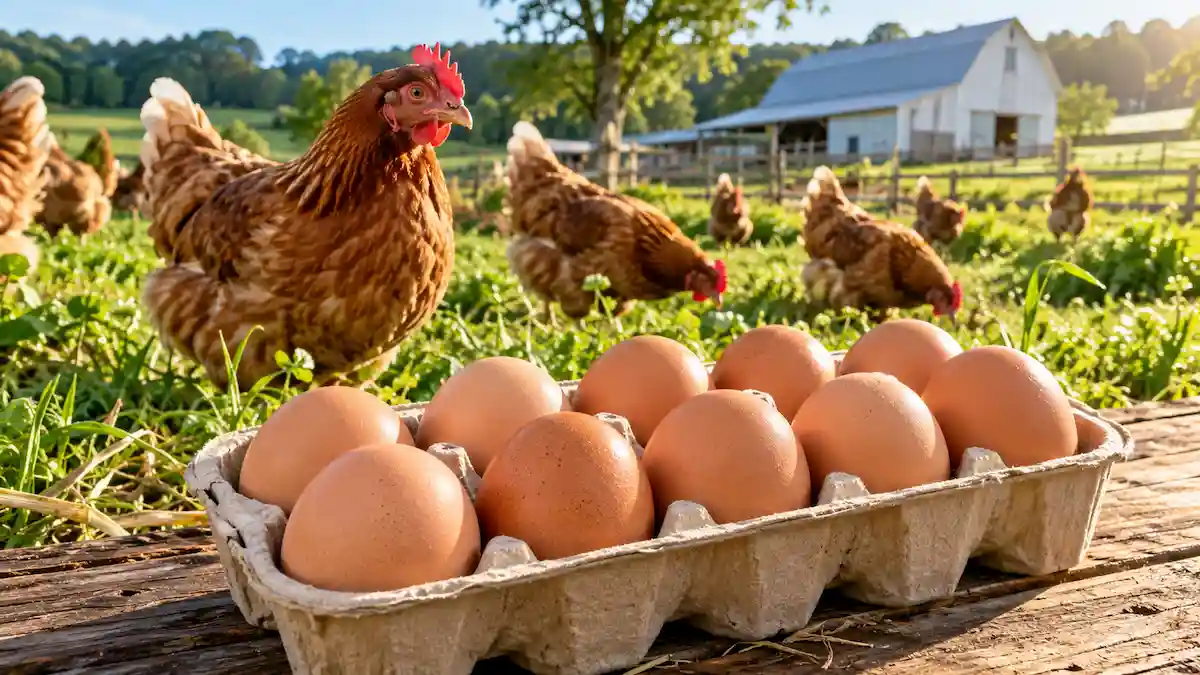
The organic egg aisle presents a crowded landscape of labels and certifications. For years, seeing the organic seal has been enough to confirm trust in a purchase. However, today’s shoppers want to know the full story behind each carton. They seek details about outdoor access, feed sourcing and farm-level practices that go beyond the baseline. For organic Egg brands, transparency has shifted from optional to essential.
The Growing Demand for Transparency in the Organic Egg Industry
Transparency in the organic egg industry centers on verifiable details about farm origins, hen husbandry and feed sourcing. Shoppers now expect to trace eggs back to individual farms and verify claims of outdoor access against published standards. Understanding what drives this expectation helps explain why transparency has become essential.
Animal welfare motivates a meaningful share of these buyers, who expect hens to have real outdoor access and higher-welfare living conditions. For years, this expectation hasn’t always matched reality on certified farms. Regulators responded with a federal rule effective January 2, 2024, that closed a key loophole. Small, enclosed concrete porches can no longer count as legitimate outdoor access, requiring full compliance by 2029.
Beyond welfare-inclined shoppers, many consumers also scrutinize organic claims for health and environmental reasons. Organic certification prohibits synthetic pesticides, industrial fertilizers and GMOs in feed. For this group, verified compliance matters because it directly affects what ends up in their food and how farmers manage the land.
Transparency often addresses multiple shopper motivations, making it a widespread trend across the category.
For this group, verified compliance matters because it directly affects what ends up in their food and how farmers manage the land, making organic poultry farming practices an important part of understanding how organic standards are applied at the farm level.
How to Read Organic Egg Certifications and Carton Labels
The most common label terms reflect different housing and production systems. These terms include:
- Cage-free: Hens move indoors without guaranteed access to the outdoors.
- Free-range: Conditions include indoor freedom plus outdoor access that varies by farm.
- Pasture-raised: Significant outdoor time on vegetated land with more space per bird.
- Organic: This label requires cage-free or free-range-equivalent conditions along with additional feed and outdoor standards.

As organic represents the strongest regulatory standard among these labels, understanding exactly what it guarantees helps clarify where additional verification might matter. For instance, USDA Organic prohibits synthetic fertilizers, industrial pesticides and GMOs. Feed must be 100% organically produced with non-GMO supplements and no animal byproducts.
However, USDA Organic doesn’t cover everything, such as nest boxes or set breed-specific health standards. A complementary certification, such as Certified Humane, fills this gap through mandatory annual third-party inspections and publicly available standards for maintaining certification.
Free-range: Conditions include indoor freedom plus outdoor access that varies by farm, with free-range chicken farming providing useful context on how outdoor access works in practice.
Finding the Right Certified Organic Brand for Every Shopper
The best certified brand looks different depending on what a shopper values most. Besides looking at labels and certifications, shoppers need to consider their priorities when choosing the right brand.
- For health-aware shoppers: The USDA Organic seal verifies non-GMO feed produced under organic standards and restricts the use of antibiotics and hormones. It remains the strongest starting point for those prioritizing clean ingredients.
- For shoppers with special dietary needs: Brand traceability tools, like farm codes and published feed composition details, help verify sourcing information relevant to specific dietary restrictions.
- For budget-conscious shoppers: USDA Organic certification alone generally costs less than products with added third-party humane certification. Larger carton sizes or direct-from-brand purchasing options can further reduce per-egg cost while balancing verified standards with budget constraints.
Top-Rated USDA Certified Organic Egg Brands
For shoppers seeking high-quality eggs and farm-level transparency, these brands represent some of the strongest options for verified organic certification.

1. Sauder Eggs
Sauder Eggs is one of the top-rated USDA-certified organic egg brands that has grown farmer partnerships by 50% over the last five years. The company connects consumers directly to the source through unique farm codes on every carton. Its premium lines carry dual certification, reflecting strong hen husbandry standards and feed transparency.
Key features:
- Traceability systems: Every carton carries a unique 3-digit farm code that consumers can use to trace their eggs back to the family farm of origin.
- Dual certification: Premium lines carry both USDA Organic and Certified Humane verification from Humane Farm Animal Care.
- Food safety protocols: The company uses ultrasound crack detection and independent lab testing to ensure food safety.
2. Pete and Gerry’s

Pete and Gerry’s delivers certified eggs from hens with outdoor access through a network of small family farms. Dual certification from USDA Organic and Certified Humane verifies the company’s animal welfare and feed standards. Product offerings include organic free-range eggs, organic pasture-raised eggs and organic liquid egg whites for versatile kitchen use.
Key features:
- Quality assurances: It holds both USDA Organic and Certified Humane certifications.
- Feed standards: Hens receive a 100% vegetarian organic, non-GMO diet free from antibiotics, hormones and synthetic pesticides.
- B Corporation status: It holds B Corporation certification, reflecting verified social and environmental performance standards.
3. Handsome Brook Farms
Handsome Brook Farms works with family farms across 11 states to deliver pasture-raised eggs under USDA Organic and American Humane Certified standards. The company actively invests in regenerative agriculture, focusing on soil health, biodiversity and carbon-reduction projects to support sustainable farming ecosystems.
Key features:
- Verified standards: Eggs are USDA Organic and American Humane Certified for pasture-raised standards.
- Expanded outdoor access: Hens receive significantly more outdoor space than standard cage-free or free-range systems, supporting natural behaviors like roaming and foraging.
- Organic feed and land: Hens, land and feed are all certified organic and free from synthetic pesticides, chemical fertilizers, GMOs and antibiotics.
Comparing the Brands Side-by-Side
This table compares brands across key attributes to streamline evaluation.
| Brand | Organic Certification | Humane and Welfare Certifications | Farm Network Structure | Standout Feature |
| Sauder Eggs | USDA Organic | Certified Humane | Extension of family-owned, independently operated farms | Three-digit farm code traceability on every carton |
| Pete and Gerry’s | USDA Organic | Certified Humane | Network of small independent family farms across the U.S. | Certified B Corporation status |
| Handsome Brook Farms | USDA Organic | American Humane Certified — Pasture-Raised | 75+ family farms across 11 states | Active investment in regenerative agriculture and climate-smart programs |
Methodology
The selected brands meet key criteria for verified USDA Organic certification, independent third-party welfare certification and documented transparency across their farm networks. They also demonstrate practices that exceed baseline organic requirements, such as additional space allowances, feed transparency or sustainability initiatives.
Frequently Asked Questions
Shoppers evaluating certified brands frequently ask about transparency standards and what to prioritize beyond the label. Clarifying these details helps buyers make more informed decisions.
Why does transparency matter when buying eggs?
Transparency empowers shoppers to choose eggs that align with their values, whether that’s animal welfare, environmental impact or feed quality. It protects them from misleading labels and ensures their money supports the specific standards they care about.
What does “USDA-Certified Organic” actually guarantee?
USDA Organic guarantees specific feed and environmental standards. Feed must be 100% organic and produced without prohibited synthetic substances. Core animal welfare baselines include outdoor access, no cages and no forced molting.
What should shoppers look for beyond the organic label?
Shoppers should consider third-party humane certifications, such as Certified Humane, for independently verified welfare standards. Traceability tools such as farm codes or batch tracking let shoppers connect a carton back to its source farm.
The New Standard for Today’s Organic Shopper
Transparency has shifted from a nice-to-have to a baseline expectation in the organic egg category. Shoppers now have access to certifications, traceability tools and published standards. Choosing brands with verified transparency supports a more accountable marketplace, leading to higher standards across the entire industry.