
How to Get an Eviction Off Your Record


An eviction on your record can feel like a great weight to carry. It can make your search for a new start and a place to live seem impossible. Many feel frustrated, afraid, or utterly hopeless.
But here’s the truth: The road ahead may be tough, but there are avenues you can pursue to address the eviction and remove it from your record. Finding how to get an eviction off your record may seem far-fetched, but it’s possible if you have the right information and willpower. Below, we walk through practical steps you can take to move forward.
Main Takeaways
- Eviction records live in two places — the court’s own records and tenant screening reports pulled by prospective landlords — and each has its own rules for how long the information stays visible and how it can be removed.
- Under the Fair Credit Reporting Act, evictions typically appear on screening reports for up to seven years, though some state and local laws shorten that window.
- Removing an eviction may be possible when the landlord didn’t follow proper legal procedures, when the court ruled in your favor, or through sealing or expungement in jurisdictions that allow it.
- The process typically involves five steps: reviewing your record, understanding local laws, collecting supporting evidence, filing a motion in court, and potentially negotiating directly with your former landlord.
- Preventing future evictions comes down to budgeting carefully, communicating with your landlord early, and knowing what’s in your lease before you sign.
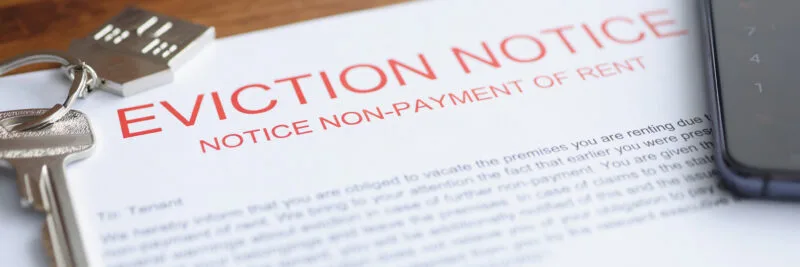 Why Is an Eviction Record Important?
In a way, an eviction record does not stay in the past. Its ripple effects resonate into the future.
Eviction information lives in two places: the court’s own records and tenant screening reports pulled by prospective landlords. Each is governed by different rules for how long the information stays visible and how it can be removed.
Landlords and property management companies in Philadelphia, PA, routinely request screening reports and look for risk factors like evictions. Eviction records can become a major roadblock when you’re trying to rent a new place, secure a loan, or get your financial footing back. Let’s walk through why they matter and the steps you can take to address them.
Makes it Hard to Rent a House
Eviction records matter because many landlords will be concerned about accepting you as a tenant. After all, most landlords review screening reports that show your rental history. They may view the eviction as a pattern of behavior rather than the isolated incident it may have actually been.
Impacts Your Credit Report
If a landlord sends your unpaid rent to a collection agency, it could put a sizable dent in your credit score. In turn, this may scare lenders away from providing you with car loans, personal loans, or even credit cards. And in the future, if you’re thinking of buying a house, getting a mortgage approval could take a while.
 Can You Remove an Eviction from Your Record?
In some situations, yes. Here are the circumstances where removing an eviction record may be possible:
The Landlord Didn’t Follow the Legal Eviction Process Correctly
Occasionally, there are times when a landlord does not follow the legally required eviction process. For instance, the landlord may not have given you adequate notice to vacate or failed to follow other legal procedures. If any of this applies to your situation, you may have grounds to challenge the eviction. It’s worth reviewing your lease agreement and local laws to see whether you have a case for these violations.
After a Court Rules in Your Favor
Even if the court dismisses the case or rules in your favor, the eviction filing itself can still appear on your tenant screening report, giving future landlords the impression that an eviction occurred. If you did not previously ask to seal the eviction record, you may still petition the judge to do so. Note that this sealing process does not equate to expunging or completely removing an eviction from your court records.
After the Reporting Period Expires
Although state laws can vary, evictions typically appear on tenant screening reports for up to seven years under the Fair Credit Reporting Act, though state and local laws can shorten that window. Once this reporting window ends, the eviction generally won’t appear on new tenant screening reports pulled by prospective landlords. However, the underlying court record often remains publicly accessible unless you’ve taken steps to seal it — so if you’d rather not wait out the full seven years, pursuing sealing or expungement is usually the faster route.
 Step-by-Step: How to Address an Eviction Record
Like we said before, removing an eviction takes effort — but with the right approach, it’s often possible. Here’s how to get started:
Step 1: Check Your Eviction Record
Review your eviction record. Note the filing date, the court’s decision, and any procedural details — then look for inaccuracies or discrepancies that could support a challenge.
Step 2: Understand Local Laws and Procedures
Eviction laws and sealing procedures vary significantly by state and even by city, so research the specific rules that apply where the eviction was filed. Knowing the local process can help you move faster and avoid missteps. Several jurisdictions where BMG operates — including Washington, D.C., Philadelphia, parts of Virginia, and parts of Maryland — have specific eviction-sealing procedures with their own timelines and eligibility rules. So, check your local court’s self-help resources or contact a legal aid organization in your area.
Step 3: Collect Evidence
Once you’ve established that you were wrongfully evicted or that the eviction didn’t follow proper legal procedures, gather documentation to support your case:
- Proof you’ve paid the rent if you’re accused of non-payment.
- Notices showing that the landlord didn’t follow the correct procedures (like the required notice time before vacating).
- Landlord harassment or “self-help” eviction attempts.
Step 4: File a Motion for Sealing or Expungement
If you qualify to have your eviction record sealed or expunged, you’ll want to file a motion in court to request it. Sealing restricts public access to the record so that landlords and screening companies generally can’t see it. Expungement, where available, goes further by removing the record entirely. Not all states offer expungement for eviction records — sealing is far more common.
Note that expungement and sealing laws vary across states since there is no uniform federal law. So, each state determines its own criteria and process.
Step 5: Negotiate with Your Landlord
If you’ve paid off the back rent or other debts that led to your eviction, you may be able to negotiate a resolution with your landlord. Your landlord may agree to provide a letter confirming the debt has been paid, which you can submit to screening companies to request that the record be updated or removed.
Note: This article is for general information only and is not legal advice. If you’re pursuing sealing, expungement, or challenging an eviction, consider consulting an attorney or local legal aid organization.
Stop Future Evictions from Happening
Evictions are costly and time-consuming. To help prevent it from happening again, follow these tips:
Create a Stable Budget
If you want to stay current on rent, start by building a budget that puts housing first, followed by essentials like food, utilities, and transportation.
Talk to Your Landlord
When you have issues, never wait until the last minute to speak to your landlord. Inform them quickly if you’re having trouble making rent. Many landlords are willing to work out payment plans or extensions when they see you’re trying.
Get to Know Your Lease
Read your lease carefully — many disputes come from honest misunderstandings about what the agreement actually says.
Frequently Asked Questions About Evictions
How long does an eviction stay on your record?
Under the Fair Credit Reporting Act, evictions typically appear on tenant screening reports for up to seven years, though some state and local laws shorten that window. The underlying court record often remains publicly accessible even after the reporting period ends, which is why sealing or expungement can be a faster path to a fresh start.
Can an eviction be removed from my record if the case was dismissed?
Potentially, yes. Even when a court dismisses an eviction case or rules in the tenant’s favor, the filing itself can still appear on screening reports. In that situation, you can petition the court to seal the record so landlords and screening companies generally can no longer see it going forward.
What’s the difference between sealing and expungement?
Sealing restricts public access to an eviction record, meaning landlords and screening companies typically can’t see it. Expungement goes a step further by removing the record entirely from court systems. Expungement is far less common than sealing when it comes to eviction records, and availability varies by state.
Does an eviction affect my credit score?
An eviction itself doesn’t appear on your credit report, but if your landlord sends unpaid rent to a collection agency, that debt can lower your credit score. A lower score can make it harder to qualify for car loans, personal loans, credit cards, and future mortgages.
What should I do if my landlord didn’t follow proper eviction procedures?
Start by reviewing your lease and researching the eviction laws in your state and city. If you can show that the landlord skipped a required step — such as failing to provide proper written notice before filing — you may have grounds to challenge the eviction. Gathering documentation like payment records, written notices, and communications will strengthen your case.
Are eviction laws the same in every state?
No. Eviction laws, sealing procedures, and expungement rules vary significantly by state and sometimes by city. Jurisdictions like Washington, D.C., Philadelphia, parts of Virginia, and parts of Maryland each have their own timelines and eligibility requirements. Your local court clerk or a legal aid organization is the best source for the specific rules in your area.
Moving On After an Eviction
An eviction can feel like a major setback, but it doesn’t have to define your path forward. By following the right steps, you can address the record and move toward a fresh start. It may take some time and effort, but with determination and the right guidance, you can regain control of your future and start fresh in your search for a new home.
At Bay Property Management Group, we evaluate every applicant using the same consistent, nondiscriminatory criteria. Eviction history is one factor among several we consider — not an automatic disqualifier. Prospective tenants are screened using a consistent set of criteria that may include rental history, income verification, credit review, and other factors evaluated in accordance with applicable fair housing laws, including individualized assessment of any criminal history. We also accept lawful sources of income, including housing vouchers, where required by law. Browse our current listings to find your next home.


