A good product used to be enough. Then, it had to look good. Now? It has to feel good.
The smartest brands in beauty, fashion, and luxury have stopped treating their products like commodities and started treating them like sensory experiences. The right texture, scent, sound, or even taste association can trigger emotions so strong that consumers want a product before they’ve even figured out why. And food marketing—or at least, the illusion of it—is proving to be the fastest way to get there.
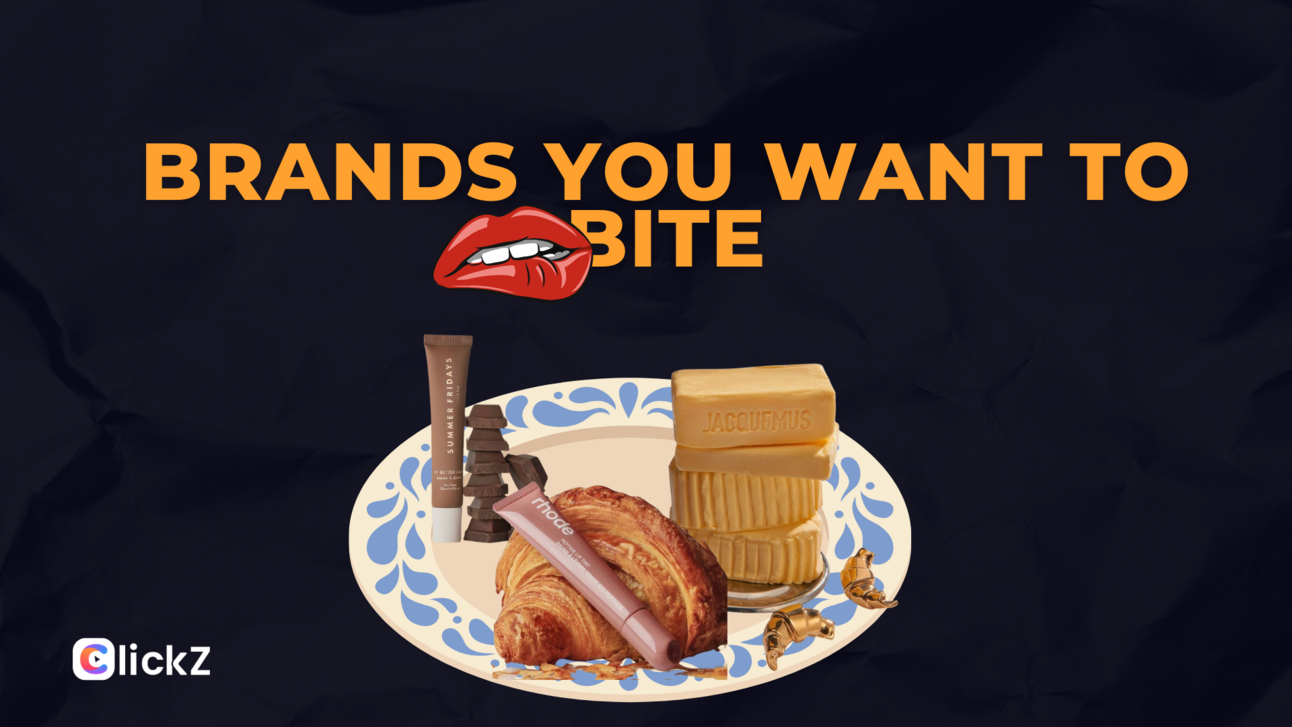
Scroll through beauty campaigns, and you’ll see it everywhere. Rhode’s lip treatments drip in honey and caramel. Summer Fridays’ balms are packaged like artisan chocolates. Jacquemus sells the idea of butter—literally. Even products that have nothing to do with food are borrowing its sensory cues, because craving something is the first step to buying it.
This is about how the brain processes desire. Before logic kicks in, before consumers compare prices or read ingredient lists, they make decisions based on gut reactions. Sensory marketing gets ahead of rational thought, creating an emotional attachment before skepticism has a chance to take over.
Why Food Is the Ultimate Sensory Hook
People don’t just see food—they anticipate it. The sheen of melting chocolate, the golden gloss of butter, the swirl of vanilla cream—these visuals come preloaded with emotion. They tap into memory, nostalgia, and comfort, making whatever they’re associated with feel instinctively desirable.
Rhode understands this better than most. Its Peptide Lip Treatment campaign doesn’t just show a gloss—it stages it like dessert, pairing tubes of balm with dripping caramel cubes and glossy pastries. The message? If your lips could eat, this is what they’d crave.

Jacquemus, a brand typically known for tailored minimalism, took a more abstract approach. Instead of fabric, their campaign featured stacks of butter—rich, smooth, indulgent. No models. No clothing. Just pure texture, framed like a still-life painting. The effect was visceral. Even without a direct link to fashion, the imagery cemented Jacquemus as a brand that understands sensory pleasure.

Summer Fridays took a similar route but leaned into taste as much as texture. Their Hot Cocoa lip balm campaign wasn’t just about color—it was about experience. The scent, the smooth application, the way the balm melts into lips—all of it was designed to evoke the pleasure of eating fine chocolate. And crucially, they made sure the audience could almost taste it before they even opened the tube.

The Neuroscience Behind Sensory Marketing
Sensory marketing works because it speaks to the part of the brain that makes decisions before logic gets involved. Studies in neuromarketing show that:
-
Visuals of food trigger dopamine, even when the product isn’t edible. This makes beauty and fashion items feel instantly more gratifying.
-
Texture influences perception—soft-touch packaging makes products feel premium, while high-gloss finishes signal indulgence.
-
Scent is the most memory-linked sense, which is why perfume, skincare, and even clothing brands use notes of vanilla, caramel, and cocoa to deepen emotional attachment.
This is also why scarcity amplifies the effect. A product that feels indulgent and also appears to be running out (limited drops, fast sell-outs) becomes something the brain classifies as urgent. That’s part of the reason why Rhode’s frequent “last restock” notifications don’t just drive sales—they create the same psychological FOMO as seasonal food cravings (Pumpkin Spice Latte, anyone?).
Beyond Food: The Other Senses Brands Are Tapping Into
While food-driven marketing is the most visible, sensory branding isn’t just about taste and sight. The best brands use multiple senses at once.
Skims, for example, leans heavily into touch. Their campaigns focus on texture, movement, and compression, making their fabrics feel irresistible before a customer even tries them on. The muted color palette—often in chocolate, cream, or caramel shades—subtly ties into food marketing cues without making it explicit.

Fenty Beauty, on the other hand, leverages sound. The click of a compact closing, the glide of a lip gloss applicator, the ASMR-like quality of packaging interactions—these small sensory details make Fenty’s products feel satisfying to use, reinforcing a sense of quality and luxury through sound alone.
How Brands Can Apply Sensory Marketing in 2025
For brands looking to move beyond visual appeal, the key is to think experientially. Instead of asking, “What should this product look like?”, they should be asking:
-
How should it feel? (In the hand, on the skin, as a texture)
-
What should it smell like? (Comforting? Fresh?)
-
Can sound be part of the experience? (Clicks, swipes, or interactions that reinforce satisfaction)
-
Can we trigger taste-memory without an edible product? (Through scent, color, or marketing language)
Ultimately, the most effective sensory campaigns are the ones that bridge the gap between seeing a product and feeling like you already own it. Because in an age where customers make split-second decisions, it’s the brands that make them feel something first that will win.