A conversation with LaNisa Frederick
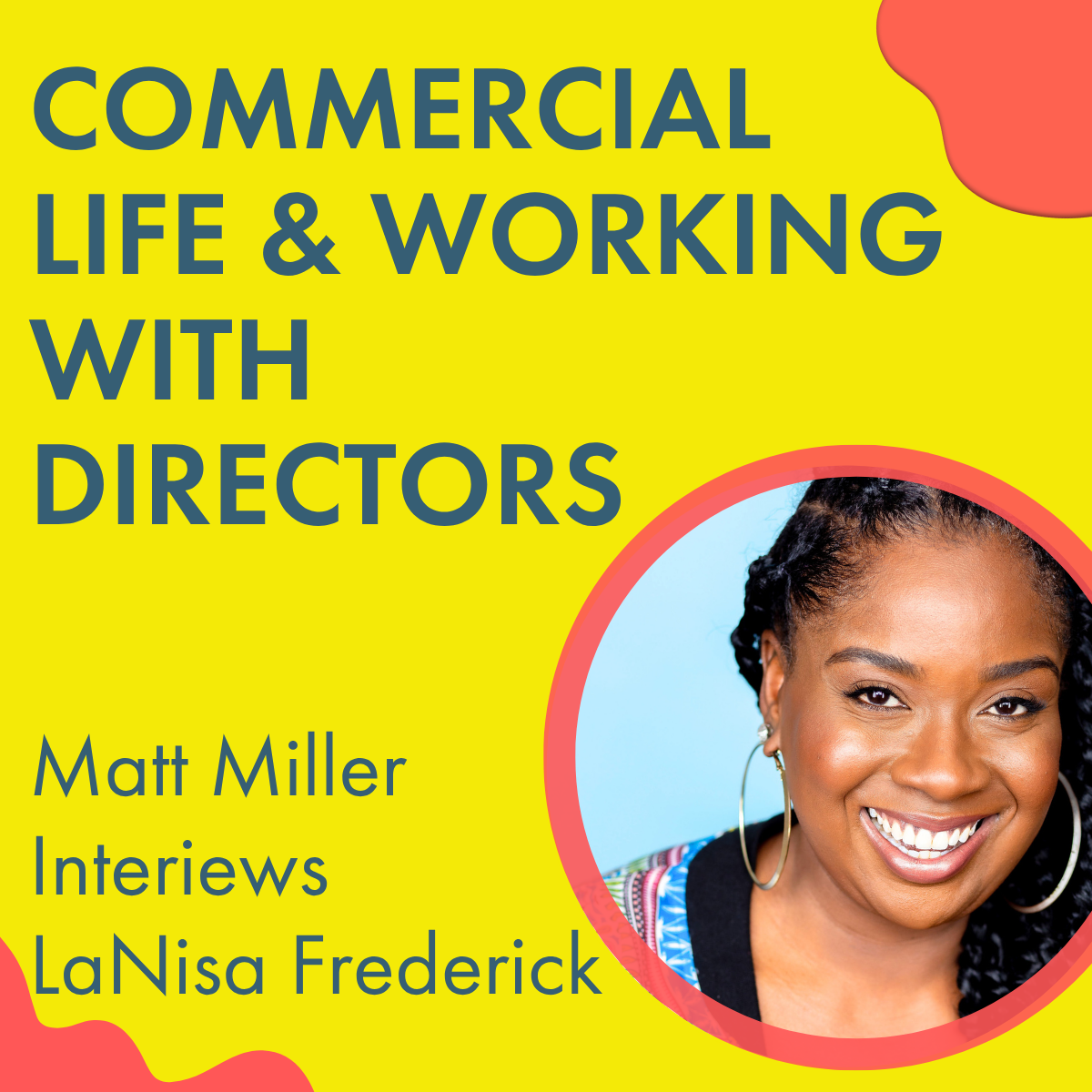
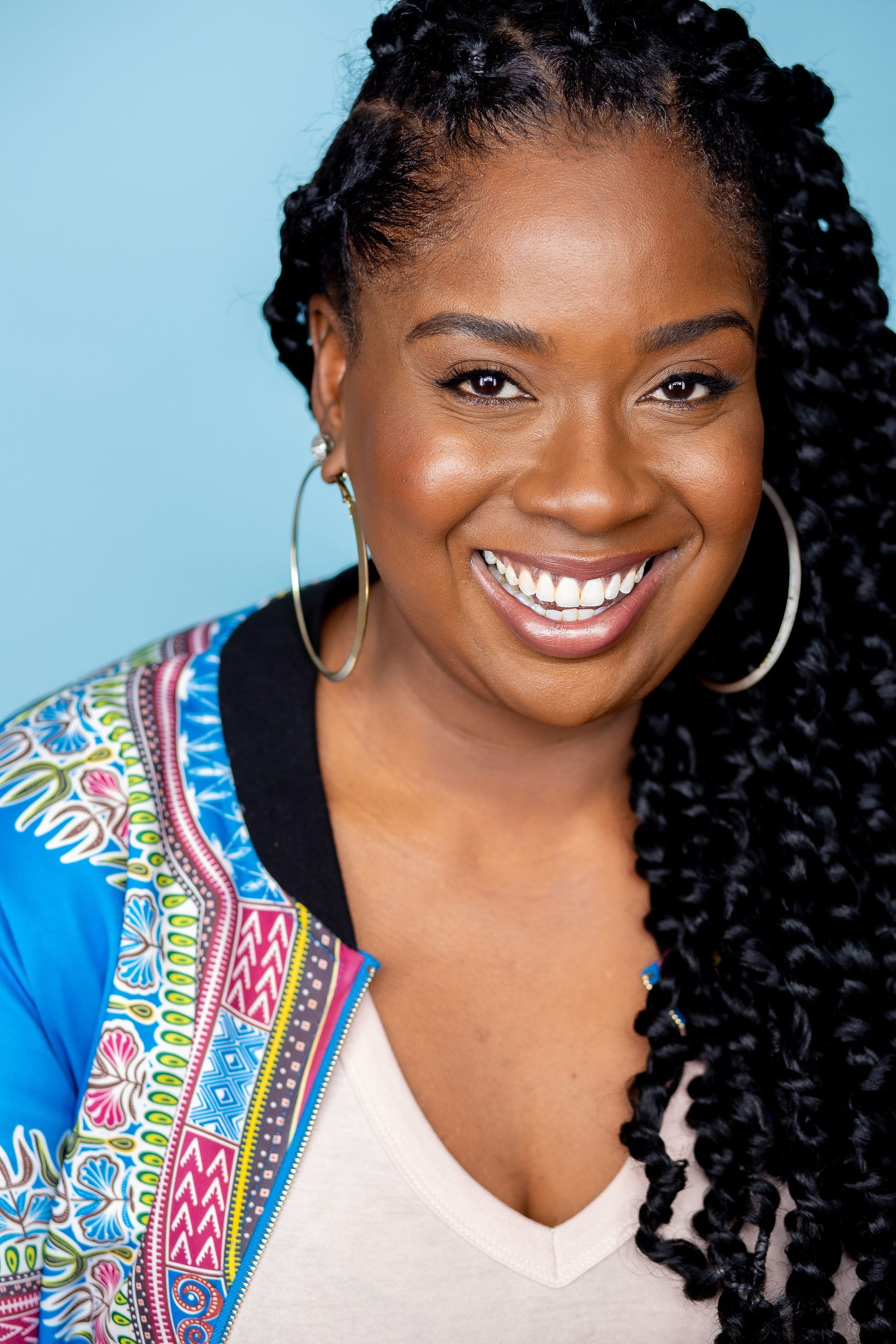
Originally from Cincinnati, Ohio, LaNisa Renee Frederick is an accomplished sketch performer, actress, and voiceover artist (check out her IMDb here!) who got her start in Chicago. She is the co-creator of the viral sketch series Hashtag Booked and can currently be seen in the ensemble of the Emmy-nominated comedy series Jury Duty Presents: Company Retreat. She chatted with me recently about her commercial career and the commercial director & actor relationship.
MM: First of all, you took a class or two at the Acting Studio Chicago back when you were in Chicago, yes?
LF: I did! I took a workshop with you and another longer weekly class.
MM: You’re doing a lot of theatrical work now which is super exciting, but you also have a very healthy commercial career that I would love to chat about. At the time of this interview, about how many commercials have you shot?
LF: I think I’m around fifty-five. I did a series of Walmart commercials that really jumped that number up…I think I did about twenty commercials for them. Not all of them aired, but It was like being a series regular on a TV show almost. It was a great ride and it paid off a lot of student loan bills at the time.
MM: That’s a lot! How much communication is typical between an actor and a director on a commercial? What should an actor who is just sticking their toe into the commercial world anticipate?
The Callback
LF: Well, really, when you get a callback, the first kind of communication you have with the director is usually through the casting director in preparation for callbacks. They pass along any specific notes from the director after they see your initial audition. Those notes are your first contact.
But then it’s all about the callback. We’re back to about 80 to 85% of callbacks being back in person now which is great. Once you get to the callback and into the room you have the director and the ad agency and sometimes the client so you have all these parties in there and I’ve learned, having done many callbacks now, that this is also a test for the commercial director. They’re auditioning too. So I enter the room now wanting to help them look good as well.
And it’s really the biggest collaborative moment of the whole process, the callback. Because I know that after the callback all hell might break loose…they might change the spot, they might change the words, or the vision for the spot, but I know in this moment the director and I have the chance to form a working relationship, it’s really the place where we might have the most communication on the whole project.
And even if it doesn’t work out, hopefully that director sees “Oh, she makes my job easier.” And she makes me look good in front of the client. And then they remember me for the next project. That’s maybe not a very artsy answer, but there’s a kind of practical science to commercial relationships.
MM: Yeah, I’ve definitely experienced that as a director sometimes, the feeling that the ad agency folks are judging my direction in the callback room.
LF: It is a pressurized situation. But it’s great to go to the callback…you feel part of something already, you have been called in, you’re working with people. It’s like “OK, we’re making some art.”
The Shoot Day
MM: Very true. I remember you saying once that most actors have had the experience on a commercial of getting to set and discovering that the director is not around or not going to help them and realizing “oh, I guess I’m directing myself today.” How do you navigate that situation on a big shoot day? Any tips?
LF: I think you realize it by the tone of the set. When you get to set and it’s like “Oh this is tense.” That means something has already gone awry and it’s not on you. And that’s when I take the time to get quiet and listen. Somebody’s gonna give me a clue as to what we’re doing and what is happening. Usually there’s a great 1st AD around with information or even the DP can give you a better sense for what’s going on.
And if you’re with an ensemble, which I usually am, then you have the capacity to talk to them as well. And folks who have been on a few commercial sets usually know the drill. “OK they don’t have time for us, so this is what we’re gonna do.” That’s really where knowing how to work quickly within an ensemble is important.
MM: As you mention the tone on set is really important. Who are some of the directors you have worked with that excelled at creating a productive set environment? Any specific examples of a note or a choice from a director that really helped you?
LF: Absolutely. In preparing for this interview I actually wrote three down—and I’m not blowing sunshine up your ass, Matt Miller, but you are one of them! (And you have to keep that in there!) And I wrote why! You are welcoming and you make a collaborative environment and it feels like ensemble work no matter how small the role is. And I really appreciated that working with you.
MM: Aw wow. That is great to hear. Thank you.
LF: I also wrote down Miranda Hammond. She is also one of the first black women I have ever worked with on a commercial set. I always felt like I could have her time despite the demands placed on her by the production and the agency. She never made me feel like she didn’t have time for a question. And that was a big shoot with Billie Jean King, so she had this icon on set and I had to catch tennis balls Billie was throwing at me! And despite the crazy environment Miranda always made me feel like I had access to her.
And Neil Brennan! I have worked on a few of his sets—maybe five spots with him—and he just trusts the hell out of you as an actor. He does not micro-manage. I recall distinctly him saying “Anyway, you know what you’re doing. Let’s go.” And then he really supports the choices that you make. I know that I have space to create and improvise with him…and he likes it when you just throw something out there and then he can see what sticks.
Agencies and clients really don’t know how to talk to actors so it’s great when you have a director that understands the creative side of an actor but also knows how to talk that corporate talk.
Improvising in commercials
MM: Let’s talk about improvising a bit more. Obviously, Company Retreat required a ton of improvising, but improvising on a commercial is a little different, yes? How do you know when to play and when to keep it as scripted on a commercial set?
LF: I mean, I always start with whatever script they have–I’m not gonna off the bat start choosing my own words–but then I start to build. And time figures into this a little bit, but maybe I change my facial expression heading into a line, or I improvise just one word on the next take. So I don’t change it completely, I just work through it and start to slowly build. Especially if a director has not indicated if they’re OK with improvising; I slowly test the waters then. But if I’m working with someone like Neil and I know I’ve got that freedom to play, I just jump in.
MM:. Great advice. Also, you’re really good at landing a moment or a laugh with just a single expression or a couple words. I know that kind of precision and awareness for a moment takes some time to develop. Do you feel like commercial work has helped develop those skills?
LF: It has become a super power for me. I know I book a lot because of my facial expressions—and I’m OK with that. I have learned through commercial work that you have thirty or maybe fifteen seconds to tell a story with a strong beginning, middle, and end. There’s not time for a full monologue. But what can I give the director that feels like a monologue? A look. Or one word that has A LOT underneath it. So, I think learning from those time constraints has really helped me. It is a super power, but it’s a developed super power. If you want to be seen, if you want to make that final cut, make a quick, strong choice.
MM: Anything else you want to plug? Any parting advice for early career actors?
LF: Just know that Chicago is still a gold standard in terms of what you learn there. That Chicago training and storefront theatre experience informs so much of my current work. I’m so grateful for every little storefront show, every non-union commercial back in the day, the School at Steppenwolf, ALL of that training in Chicago…it really does help you succeed.
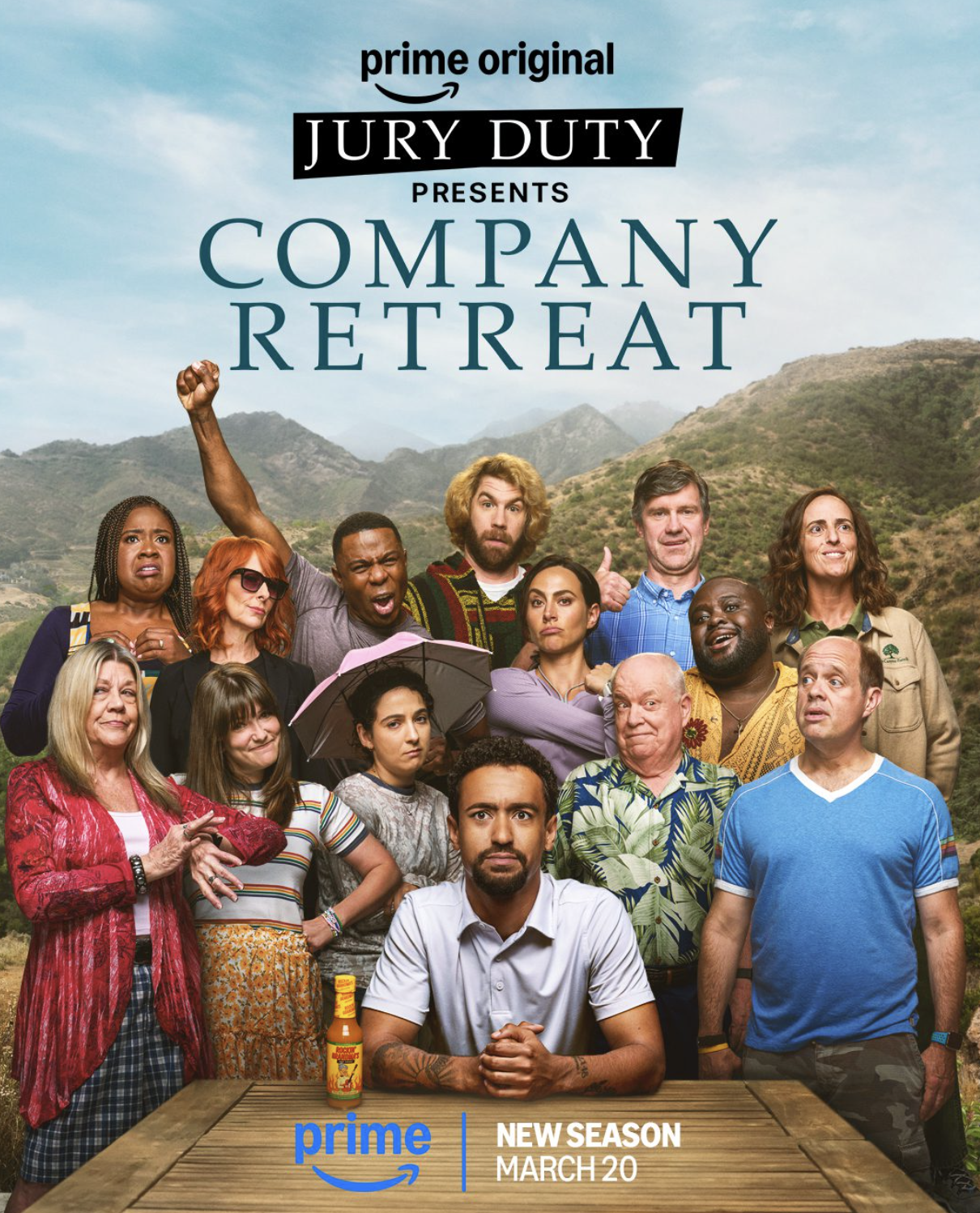
Be sure to check out LaNisa on Jury Duty Presents: Company Retreat, and if you’re on Insta, you can follow her at @lanisafrederick.