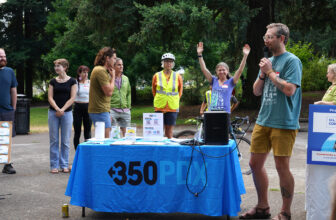
How many mouths could be fed with 3,000 loaves of bread? According to an innovative collaboration in London, that’s the potential yield from wheat fertilized using a rather unexpected ingredient—urine. And not just any urine, but that collected from female runners at one of the city’s largest sporting events, the TCS London Marathon.
The project, now in its third year, is the brainchild of two organizations: Peequal, a startup pioneering female-friendly portable toilets, and NPK Recovery, a firm specializing in nutrient recycling from human waste. Together, they are proving that even the most overlooked waste products can be transformed into something beneficial.
The idea began with Peequal’s mission to tackle one of the most frustrating aspects of large public events—long queues for women’s toilets. Unlike men’s urinals, women typically face far longer waiting times at festivals, races, and concerts. Peequal’s founders designed a female urinal-style portable toilet that, according to their estimates, reduces the average waiting time for women by an impressive 270%.
Marathon participants, often hydrating heavily before their run, make use of these toilets in large numbers before the race even begins. Recognizing this, Peequal partnered with NPK Recovery to capture and repurpose this resource. NPK Recovery’s process involves using bacteria to safely treat and sanitize the urine, converting it into a liquid fertilizer rich in nitrogen, phosphorus, and potassium—essential nutrients for plant growth.
“We’re excited to be playing a small part in helping support the sustainability commitments of the iconic TCS London Marathon,” said Hannah Vandenbergh, founder of NPK Recovery. “Ultimately, we want to help event organizers all over recycle their urine and reduce their carbon footprints.”
The results are surprisingly impactful. NPK Recovery estimates that collecting just 1,000 liters of urine at the marathon’s starting line—roughly what could be gathered if all female participants used Peequal’s toilets—could fertilize enough wheat to produce around 3,000 loaves of bread. Scaling this across the entire event, which saw over 53,000 runners in attendance last year, the potential agricultural benefit becomes even more significant.
For many runners, the idea that their pre-race bathroom break is contributing to something greater is both amusing and meaningful. “It’s brilliant to think that the nervous wees of thousands of women are helping a good cause,” marathon runner Susan Farrell told Euro News.
This collaboration highlights the potential of rethinking waste management in large-scale events. While urine is often considered a waste product, it actually contains high concentrations of urea, nitrogen, and ammonia—key components in many synthetic fertilizers. By recycling this natural resource, the project not only supports sustainable farming but also helps reduce the environmental impact associated with producing and transporting chemical fertilizers.
As urban areas and major events seek greener solutions, initiatives like this demonstrate that sustainability can start in the most unexpected places—even in a marathon toilet queue. Could this model be replicated at other sporting events, concerts, or festivals around the world? That’s the vision Peequal and NPK Recovery hope to realize next. Would you like me to draft a short pitch for these organizations to present to potential partners?
What are your thoughts? Please comment below and share this news!
True Activist / Report a typo