Bill Gates’ daughter’s startup pulls feature after reports showed ‘cookie stuffing’

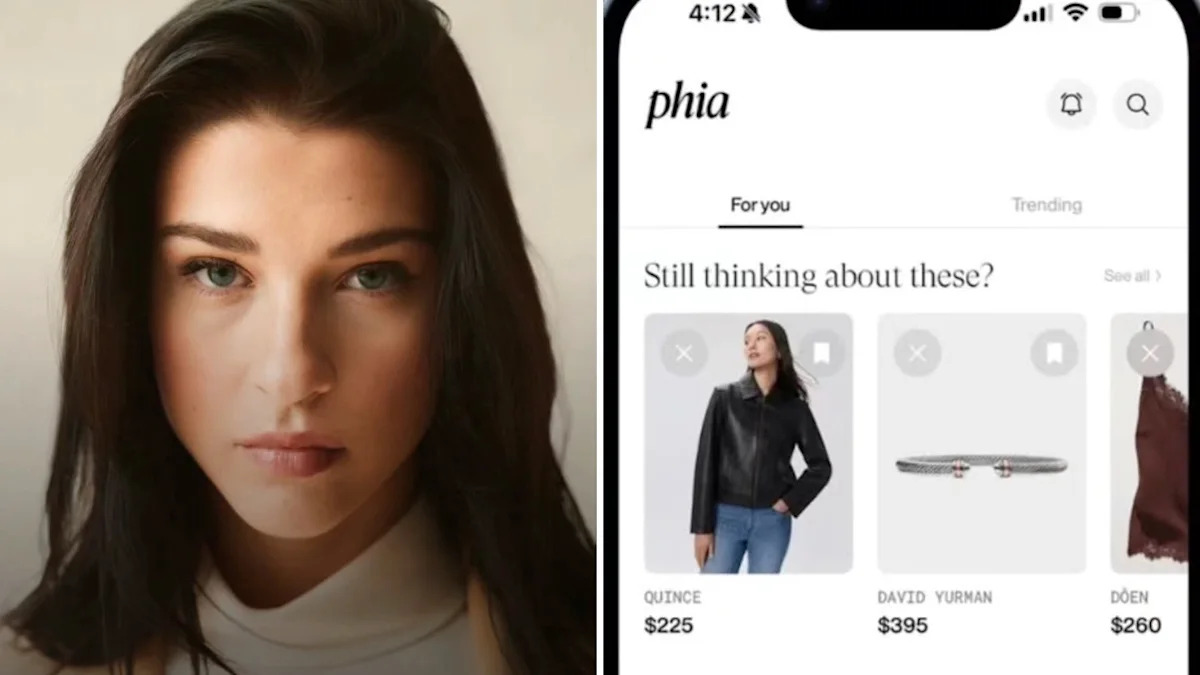

A shopping tool designed to help people score fashion deals is facing scrutiny after investigations found it was taking credit for sales it may not have actually generated.
Following those investigations, Phia — the startup co-founded by Phoebe Gates, Bill Gates’ daughter — said it had taken down functions linked to the tactic known as cookie stuffing.
Here’s what to know
Affiliate marketing is meant to reward the source that genuinely leads a shopper to make a purchase. When a company uses cookie stuffing, it can divert that money away from legitimate publishers, creators, or comparison sites that actually helped the customer find the item.
According to Bloomberg and outside researchers, Phia’s browser extension was automatically adding tracking codes to users’ purchases, a setup that let the company earn affiliate commissions on orders it did not meaningfully help produce. Those attributed sales reportedly made up about 51% of Phia’s credited sales in June 2026.
A more recent Bloomberg report claimed that internal messages suggested company leaders had been aware of the behavior for months, despite the startup’s early public characterization of it as a minor technical problem that they had only recently discovered.
Experts who study the law said cookie stuffing can fall under federal wire fraud rules, which carry potential prison terms of up to 20 years. Phoebe Gates has not been charged with any crime, and the Bloomberg report does not allege that she personally directed to enact the practice in question.
“Any features causing misattributions were immediately removed over a month ago on July 7,” Phia said in a statement obtained by The Cool Down. “We are reviewing every transaction, we are fully committed to and have already begun issuing all transaction reversals to brand partners as a result of any misattribution, and we are hiring a head of compliance to make sure something like this never happens again. We are now continuing to connect our users with items and offers from thousands of brand partners. We will learn from this and want to ensure our users have the best possible shopping experience, with features like our new digital closet and more to come.”
More background
The case points to a broader issue: The digital shopping tools people use every day can be built in ways that quietly benefit the company behind them more than the shopper.
If brands are paying commissions on sales they did not actually help generate, those costs do not simply disappear. They can affect marketing budgets, squeeze smaller retail partners, and undermine trust across the online shopping ecosystem. Legitimate referral partners can also lose income when another company inserts itself into the transaction at the last second.