As governments around the world grapple with rising migration pressures, the conversation too often centres on border security, climate shocks, and conflict. These factors matter, but they overlook a deeper economic reality: in an increasingly interconnected global labour market, migration is often driven by the pursuit of better jobs and higher incomes. For many young Africans and others from the Global South, migration is not simply an escape from hardship but a calculated investment in economic opportunity.
At a time of peak economic growth, the continent’s working-age population is also expanding faster than ever, placing immense pressure on labour markets. It is estimated that Africa will need to generate roughly two million new jobs per month to absorb new entrants into the labour market.
The challenge is not only to create jobs, but to create productive, resilient, and inclusive employment that offers young people genuine prospects at home.
Agrifood systems, Africa’s largest employer
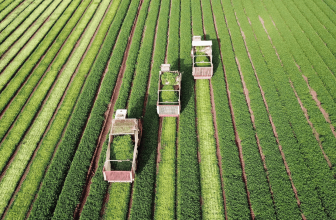
Africa’s agrifood systems have undergone rapid transformation over the past two decades. While the share of Africa’s labor force engaged primarily in agriculture has declined, a growing number of micro and small enterprises have emerged as major sources of employment across agrifood value chains in both rural towns and urban centres. As of 2022, agrifood systems accounted for about two-thirds of total employment in Africa—the highest share in the world.
As the continent’s largest employer, agrifood systems must remain at the centre of efforts to create productive jobs, reduce poverty, and drive structural transformation. Realising this potential will require policies that boost productivity and competitiveness, support enterprise creation and growth, and equip workers with the skills needed across evolving agrifood value chains.
The latest report from the Malabo Montpellier Panel argues that governments need an integrated approach to raise agricultural productivity, strengthen agrifood value chains, support rural industrialisation, expand the use of digital technologies, and equip workers with the skills demanded by modern food systems. Such an approach will be critical to scaling agrifood interventions that generate decent work, promote inclusive growth, and accelerate rural transformation.
The policy levers that create jobs
Boosting agricultural productivity remains the starting point. Higher farm productivity raises incomes, stimulates demand for goods and services, and creates opportunities across agrifood value chains.
There is a significant need for investment in agro-processing, logistics infrastructure, market access, and competitive business environments, as productivity gains alone are insufficient to enable enterprises to grow.
Harnessing digital transformation offers another powerful opportunity. Mobile technologies, digital marketplaces, and precision agriculture are improving market information, financial inclusion, and supply chain efficiency while creating entirely new employment categories for young entrepreneurs.
Skills development systems must evolve beyond traditional agricultural training to prepare workers for careers in agribusiness management, food processing, logistics, equipment maintenance, and digital services.
Policies must also address persistent inequalities. Women and young people continue to face disproportionate barriers to accessing finance, land, technology, and formal employment. Ensuring their full participation in agrifood value chains is not merely a matter of equity—it is essential to unlocking the sector’s economic potential.
Lessons from Ethiopia, Nigeria and Rwanda
Across Africa, countries are already demonstrating what is possible when integrated policies are put into action.
In Ethiopia, the Agricultural Growth Programme (AGP) and the Rural Job Opportunity Creation Strategy (RJOC) have strengthened agricultural development, skills, livelihood diversification, and labour market participation. Agricultural Commercialisation Clusters have improved farmers’ access to services, aggregation, and markets, while the Industrial Parks Development Corporation (IPDC) has attracted approximately USD 740 million in investment, creating nearly 90,000 jobs in less than a decade, many of them for young women.
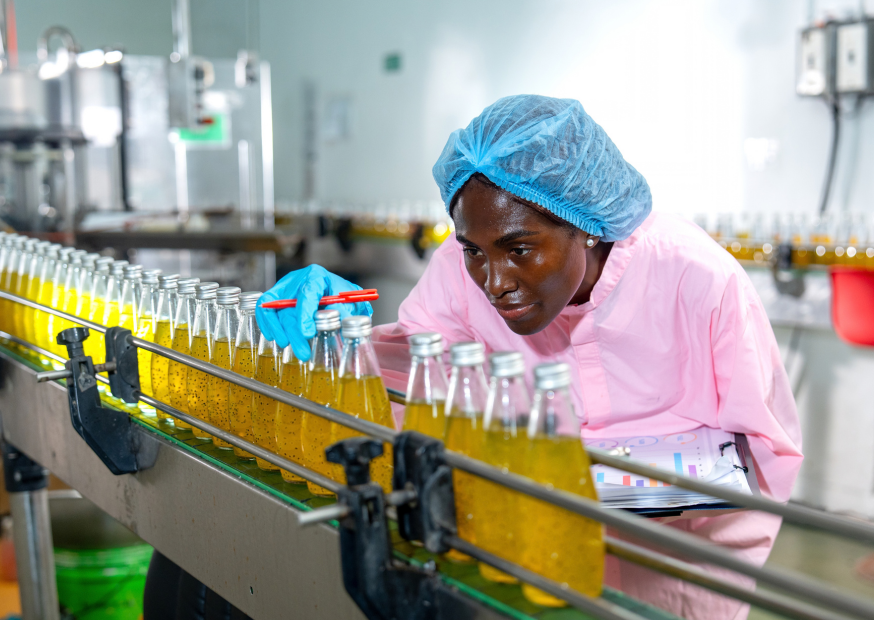
Nigeria has also seen rapid growth in non-farm agrifood employment as urbanisation and shifting consumer demand have fueled growth in food manufacturing, processing, and distribution. Specialised agricultural universities and the Students Industrial Work Experience Scheme have helped equip young people with skills for modern agrifood value chains.
Meanwhile, Rwanda has shown that coordinated public investment, strong institutions, and targeted support for agribusinesses and small and medium-sized enterprises can foster more dynamic rural economies. The Chief Skills Office and the Technical and Vocational Education and Training (TVET) Board have improved alignment between training and labour market needs through employer engagement and demand-driven skills programs.
These examples differ in their specifics, but they share common ingredients: sustained political commitment, coordinated policy implementation, and long-term investment in productive sectors.
Investing in the further transformation and sophistication of agrifood systems will create productive opportunities that enable young Africans to build prosperous futures where they are, reduce the economic pressures that drive irregular migration, and recognise that food systems are not merely feeding Africa—they are increasingly shaping its economic future