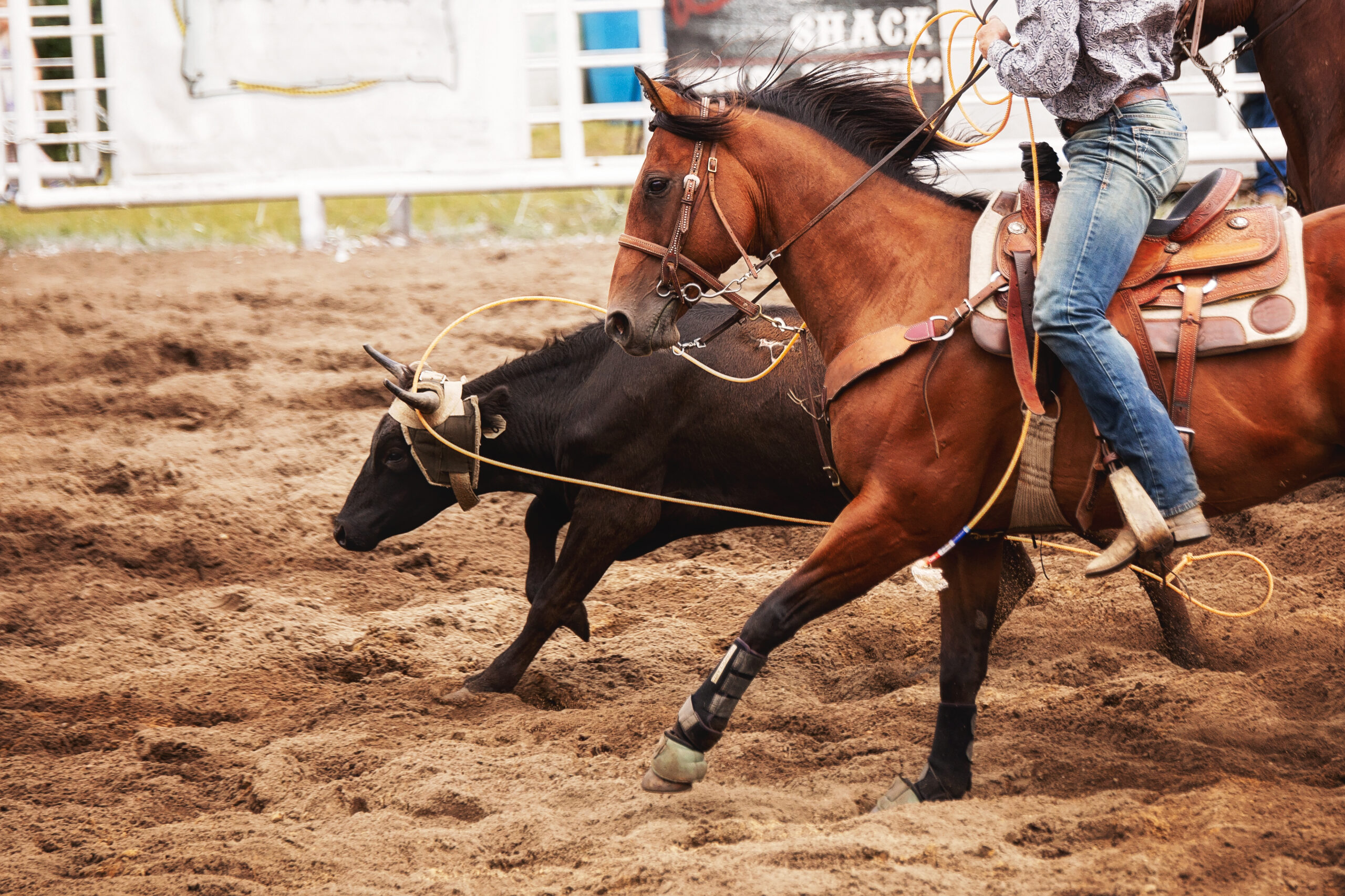
Every summer, the bright arena lights of rodeos across the country draw thousands of spectators. Many come to celebrate the western way of life and experience the partnership and athleticism of cowboys and cowgirls and their livestock that make the sport possible.
Alongside this public attention comes criticism from animal rights activist groups. These groups frequently focus on the few seconds animals spend in the arena, using isolated moments to criticize rodeo and the people involved. Evaluating animal welfare based on a few seconds of competition only provides a small glimpse of the full picture.
The welfare of rodeo livestock is shaped by the care animals receive every day of the year. From nutrition and veterinary care to handling practices and transportation, responsible livestock stewardship begins long before the rodeo starts and continues long after the final event concludes. Understanding the full picture of rodeo animal welfare means looking beyond the arena to the year-round care and management that supports these animals.
Animal Welfare Starts Long Before the Arena
Healthy, well-cared for livestock are essential to rodeo. Contestants, stock contractors, and producers often spend their entire lives working with livestock, developing a deep respect for the animals in their care. Their shared goal is to ensure that every animal receives the nutrition, veterinary care, and daily management needed to thrive throughout every stage of life and competition.
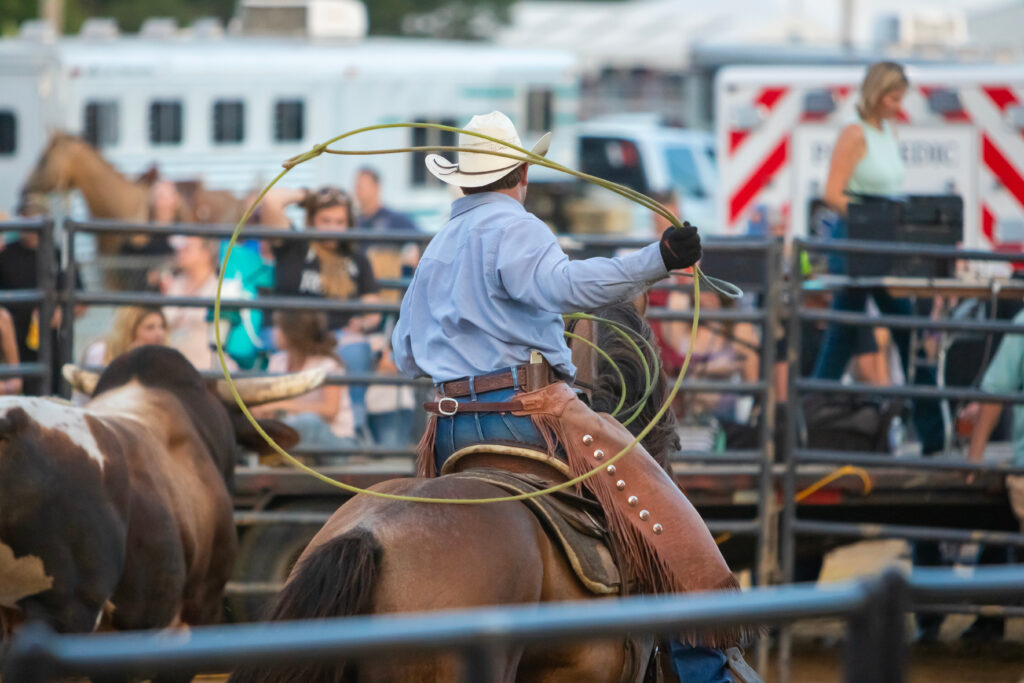
As the Professional Rodeo Cowboys Association (PRCA) notes, rodeo livestock require consistent care, proper nutrition, and attention to their overall well-being to perform. Contestants depend on animals that are healthy, sound, and capable of performing at their best. Likewise, stock contractors invest significant time and resources into raising and caring for livestock because their health and well-being are essential not only to the sport but also to the livelihoods of the people responsible for their care.
Daily stewardship includes:
- Providing high-quality, balanced nutrition and constant access to clean water.
- Monitoring animals daily for signs of illness or injury.
- Working closely with veterinarians to support animal health and well-being.
- Handling livestock in ways that minimize stress.
- Providing appropriate facilities and transportation that support animal comfort and safety.
These management practices happen every day of the year — not only during competition or under the arena lights.
A Shared Commitment to Livestock Well-Being
Animal welfare is a shared responsibility among the many people involved in rodeo, including producers, stock contractors, contestants, veterinarians, judges, and rodeo officials.
For more than 60 years, the PRCA, rodeo’s ultimate governing body, has developed standards for the care and treatment of rodeo livestock. Today, more than 60 rules govern various aspects of livestock care and handling at PRCA-sanctioned events, including equipment, facility design, animal handling, and competition procedures. These standards reflect an industry-wide commitment to responsible animal care and help ensure that livestock participating in PRCA events are healthy and fit for competition.
Before competition begins, livestock are evaluated for their fitness to participate. Animals that are sore, lame, sick, or injured are not allowed to compete. Every PRCA-sanctioned rodeo also requires on-site veterinary care to be available to monitor livestock and respond if needed.
During competition, PRCA rules include additional animal welfare safeguards, such as:
- Only dull, approved spurs are acceptable.
- Strict limitations on the use of electric prods.
- Weight requirements for calves and steers to prevent injury.
- Protective horn wraps for roping steers.
- Soft, cotton, fleece, or neoprene-lined flank straps.
- Humane transportation for any injured animal.
- Chutes designed with animal safety in mind.
- Immediate fines and/or disqualification for unnecessary roughness while handling animals.
Beyond event-day oversight, the PRCA’s animal welfare program includes a dedicated Animal Welfare Coordinator, a 12-member Animal Welfare Committee with veterinary and industry representation, as well as veterinary training and ongoing education focused on livestock care and handling.
Measuring Animal Welfare
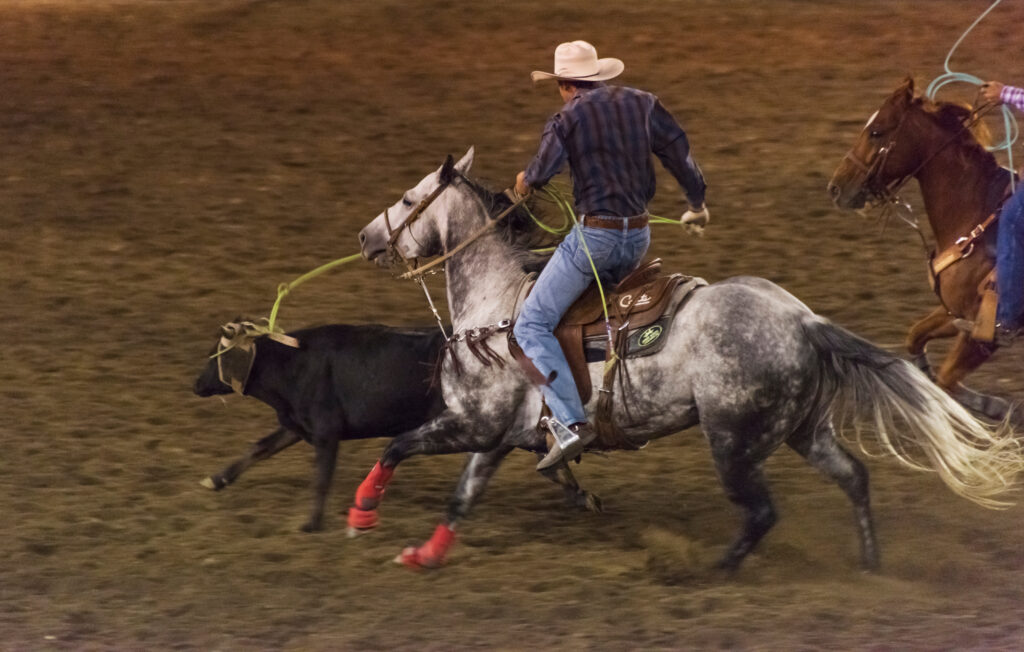
Animal welfare is more than a set of rules; it also requires ongoing evaluation and continuous improvement.
Veterinary surveys conducted at PRCA rodeos have documented low rates of livestock injury. In one survey of more than 58,000 livestock exposures across 148 PRCA rodeo performances and 55 sections of slack (additional competition held outside the main performances), fewer than 0.05% resulted in an injury. While no livestock activity is entirely without risk, this data provides important context when evaluating animal welfare in rodeo and reflects the emphasis placed on preventative care, veterinary oversight, and responsible livestock handling.
These evaluations provide valuable information that can help animal welfare practices continue to evolve as new research, veterinary expertise, and industry experience become available.
Looking Beyond the Performance
Most spectators — and the images or videos shared online — capture only a few seconds of a rodeo performance. What they may not show are the weeks, months, and years of daily care and training behind those moments.
The health and welfare of rodeo livestock depend far more than what happens after the arena gates open. Year-round nutrition, preventative veterinary care, responsible handling, and consistent oversight all play a role in supporting animal well-being.
Responsible stewardship isn’t measured by a single ride or run. Understanding animal welfare requires looking at the full picture — not an isolated moment. For rodeo livestock, that picture includes the year-round commitment of producers, stock contractors, contestants, veterinarians, and rodeo officials who work together to protect the health and well-being of the animals at the heart of the sport.
Sources
All posts are the opinion of the author and do not necessarily represent the view of the Animal Ag Alliance.