


Craftspeople and company owners in Spain’s thriving culinary sector can earn substantial profits by producing high-quality goat cheese for regional markets. With a rich tradition of cheesemaking and an increasing demand for quality, locally sourced goods, Spain’s different regions provide the perfect backdrop for creating exceptional goat cheese.
This tutorial covers all the essentials, from picking the right goat breeds to selling your cheese at the local markets in Spain. Whether you’re a beginner or an experienced farmer, you’ll find practical strategies tailored to Spain’s unique agricultural and cultural landscape.
Sustainable, high-quality, and authentically local products are sure to be a hit with consumers. Each section provides in-depth views, so you can be sure you’re ready to face challenges and seize opportunities in this booming industry.
Get ready to manufacture some goat cheese like no other in the fiercely competitive local markets of Spain, from the picturesque valleys of Catalonia to the wild mountains of Andalusia. What are we waiting for? Let’s discover how to produce premium goat cheese for local markets in Spain.
Crafting High-Quality Goat Cheese for Spanish Local Markets
Selecting the Best Goat Breeds for Premium Cheese Production in Spain
When selecting goats for Spain’s premium cheese production, breeds known for abundant and high-quality milk should be prioritized. Excellent choices are Murciano-Granadina and Malagueña goats due to their adaptability and the richness and creaminess of their milk, which is ideal for making cheese.
The Murciano-Granadina is a popular breed in the region of Murcia, Spain, and is perfect for producing the high-fat, high-protein milk that is sought after by cheesemakers in the area. Similarly, the Andalusian native Malagueña, which thrives in Mediterranean climes, advocates for the sustainable production of cheese from goats.

Consider geographical availability and environmental compatibility while choosing goat breeds for cheese in Spain. The Majorera goat breed is ideal for making Canary Island goat cheese due to its ability to survive in dry climates.
Ensure the quality of your goat cheese by purchasing it from reputable breeders and verifying their lineage. A balanced diet and regular veterinary checkups enhance milk quality, meeting the highest requirements for goat cheese production in Spain. Selecting native breeds lays the foundation for producing exceptional cheese that caters to local tastes.
| Breeds | Regions | Milk Characteristics | Environmental Suitability |
|---|---|---|---|
| Murciano-Granadina | Murcia | High-fat, high-protein | Adaptable to varied climates |
| Malagueña | Andalusia | Rich, creamy | Thrives in Mediterranean climates |
| Majorera | Canary Islands | Suitable for dry climates | Arid, dry environments |
| Saanen | Various | High yield, moderate fat | Temperate climates |
| Alpine | Various | Balanced fat and protein | Cooler climates |
| Toggenburg | Various | Slightly lower yield, rich flavor | Temperate to cooler climates |
Optimizing Goat Nutrition for High-Quality Milk in Spanish Cheese Production
When it comes to enhancing goat nutrition for cheese making in Spain, the major focus should be on a diet that maximizes milk quality and yield. The production of high-quality goat cheese for local markets relies on the milk that goats produce, which in turn requires a balanced diet of grains, grass, and supplements.
Goat milk may be sustainably produced in Extremadura, Spain, using native grasses and legumes, thanks to the abundance of grazing pastures in the region. To ensure goats in Spain have access to high-quality milk, it is recommended to supplement their pasture with premium hay and concentrates, especially during dry seasons.
Minerals such as calcium and phosphorus are crucial for improving the milk supply of goat cheese in Andalusia, a region characterized by intensive farming. If you intend to make your own cheese in Spain, it’s important to keep in mind that goats shouldn’t be given too many grains because that could lower their milk fat content.
Use locally sourced feeds to help the organic goat cheese business in Spain thrive. Consult a nutritionist on a regular basis to make sure your goats are eating a diet that meets the greatest nutrition standards for Spanish goat cheese. These nutrients will enhance the flavor and texture of the cheese. Prioritizing nutrition guarantees a consistent supply of milk, which is essential for producing high-quality cheese that stands out in local markets.
| Feed Type | Regions | Benefits | Considerations |
|---|---|---|---|
| Native Grasses | Extremadura | Sustainable, cost-effective | Seasonal availability |
| Legumes | Extremadura | High protein, improves milk yield | Requires proper balance |
| Premium Hay | Various | Consistent quality during dry seasons | Storage and cost |
| Concentrates | Andalusia | Boosts milk production | Avoid overuse to maintain fat content |
| Calcium Supplements | Andalusia | Enhances milk quality | Precise dosing required |
| Phosphorus Supplements | Andalusia | Supports milk yield | Monitor for over-supplementation |
Designing a Hygienic and Efficient Milking System for Goat Cheese in Spain
To create systems for milking goats to make cheese in Spain, it is important to have a sanitary and efficient setup that ensures the milk is pure. Goat cheese made in a modern, automated milking parlor reduces the risk of infection and is thus suitable for sale in Spanish markets.
Because most farms in Catalonia are on a smaller scale, compact milking machines made of stainless steel are ideal for collecting goat milk in a clean and organized way. For quality goat cheese that meets Spanish dairy requirements, it’s important to frequently clean the milking equipment with food-grade sanitizers.
Worker training in proper milking techniques, including udder cleaning before milking, is essential in Spain for the production of clean milk for artisan cheese. Thinking about automated milking systems for goat cheese in Spain can help boost output in regions like Castilla-La Mancha, where larger herds are common.

Spain can manufacture goat cheese on a modest scale using manual procedures that adhere to rigorous hygiene norms. Following the best practices for milking Spanish goat cheese will ensure that your cheese maintains its high quality and meets the stringent standards of local markets.
| Milking Systems | Regions | Advantages | Hygiene Requirements |
|---|---|---|---|
| Automated Parlor | Castilla-La Mancha | High efficiency, reduced labor | Regular sanitization |
| Compact Stainless Steel | Catalonia | Suitable for small farms, easy to clean | Food-grade sanitizers |
| Manual Milking | Various | Cost-effective for small-scale | Strict hygiene protocols |
| Portable Milking Units | Various | Flexible for rotational grazing | Thorough cleaning after each use |
| Vacuum Systems | Various | Consistent milk flow, less stress on goats | Regular maintenance |
| Milking Clusters | Various | High throughput for larger herds | Sanitize between uses |
Mastering the Art of Milk Coagulation for Premium Goat Cheese in Spain
Focusing on mastering milk coagulation for goat cheese in Spain is a fantastic way to learn the theory of making curds. In Spain, making excellent goat cheese requires coagulation, which can be powered by acid or rennet. Murcian cheesemakers often employ animal rennet to impart unique flavors to their classic goat cheese.
For perfect milk coagulation for Spanish cheese, maintain precise temperatures (often 30 to 35°C) and carefully monitor the coagulation period. Try making artisan goat cheese in Galicia, Spain, with vegetable rennet instead of animal rennet to appeal to vegetarian consumers.
When talking about coagulation methods for goat cheese in Spain, it’s vital to keep in mind that variations in milk quality can affect the curd production. We make Andalusian premium goat cheese with pH-tested curd to ensure the highest quality.
Small-scale producers in the Canary Islands use traditional methods and simple coagulation procedures to make goat cheese. The art of enhanced coagulation, which yields curds with an ideal texture and flavor, allows Spanish goat cheese to stand out in regional marketplaces.
| Coagulation Methods | Regions | Flavor Profile | Consumer Appeal |
|---|---|---|---|
| Animal Rennet | Murcia | Rich, traditional | Classic cheese enthusiasts |
| Vegetable Rennet | Galicia | Mild, vegetarian-friendly | Vegetarian consumers |
| Acid Coagulation | Various | Tangy, fresh | Fresh cheese markets |
| Microbial Rennet | Various | Neutral, consistent | Large-scale production |
| Natural Fermentation | Canary Islands | Complex, artisanal | Niche, artisan markets |
| Mixed Coagulation | Andalusia | Balanced, versatile | Broad consumer base |
Crafting Unique Flavors Through Aging Techniques for Spanish Goat Cheese
To become an expert flavorist of goat cheese in Spain, you need to learn how to use controlled aging to generate different flavors. Aging, also known as affinage, is a traditional Spanish method that enhances the flavor of goat cheese by allowing microbes to perform their magic.
By curing cheeses like Ibores for 60 to 100 days, Extremadura creates distinctive procedures for maturing goat cheese in Spain. The best way to age goat cheese for sale in Spain is in controlled environments with a temperature range of 10–15°C and a humidity level of 80–90%.
For authentic traditional goat cheese and artisan goat cheese made in Spain, turning the cheeses on a regular basis is key to achieving an even rind development and the ideal aging process. To make Castilla-La Mancha goat cheese truly authentic, use rinds made of natural ingredients or coats made of olive oil.
To make goat cheese that tastes like it came from the Canary Islands, you need to age it the traditional way, which means using caves or cellars. By mastering sophisticated maturation processes for Spanish cheese, you can offer powerful, complex flavors that appeal to regional consumers. Such flavors will please the tastes of Spanish goat cheese consumers.
| Aging Techniques | Regions | Aging Duration | Flavor Outcome |
|---|---|---|---|
| Cave Aging | Canary Islands | 60-120 days | Earthy, complex |
| Cellar Aging | Extremadura | 60-100 days | Nutty, robust |
| Olive Oil Coating | Castilla-La Mancha | 30-90 days | Smooth, slightly fruity |
| Natural Rind | Various | 45-90 days | Sharp, intense |
| Wax Coating | Various | 30-60 days | Mild, creamy |
| Ash Coating | Various | 45-90 days | Tangy, mineral |
Incorporating Regional Ingredients to Enhance Spanish Goat Cheese Appeal
When making goat cheese in Spain, use local ingredients to create something truly special. Spanish goat cheese with thyme or rosemary is a regional specialty that reflects and satisfies Andalusian preferences.
Use premium herbs, spices, or even wine from local sources to manufacture premium goat cheese using local components. Queso de Murcia al Vino and other wine-soaked goat cheeses from Murcia are a creative use of regional Spanish ingredients.
Chestnut leaves enhance the flavor and look of homemade goat cheese in Catalonia. Focus on enhancing goat cheese with regional Spanish flavors while ensuring that the components adhere to Spanish food safety laws for cheese.
Toasted grain flour, or gofio, can add a unique flavor to goat cheese from the Canary Islands and encourage the use of regional products in Spain. Using traditional goat ingredients can make products that follow market trends for regional goat cheese in Spain more authentic and appealing to consumers.
| Regional Ingredients | Regions | Flavor Enhancement | Market Appeal |
|---|---|---|---|
| Thyme | Andalusia | Herbal, aromatic | Traditionalists |
| Rosemary | Andalusia | Woody, savory | Mediterranean cuisine lovers |
| Wine (Vino) | Murcia | Fruity, tangy | Gourmet consumers |
| Chestnut Leaves | Catalonia | Nutty, earthy | Artisanal markets |
| Gofio (Toasted Grain) | Canary Islands | Sweet, roasted | Local and tourist markets |
| Paprika | Various | Smoky, spicy | Bold flavor enthusiasts |
Ensuring Compliance with Spanish Dairy Regulations for Goat Cheese Production
To ensure full compliance with Spanish dairy laws, familiarize yourself with the national and EU cheese standards. The Ministry of Agriculture in Spain enforces strict regulations to guarantee the safety of goat cheese production.
When dealing with the Spanish dairy requirements for goat cheese, it is important to keep detailed records of the milk’s procurement, processing, and sanitation. Goat cheese made in Spain must implement Hazard Analysis and Critical Control Points (HACCP) systems to meet the standards set by the European Union.
Goat cheese from Andalusia is sure to be in line with Spanish standards for artisan cheese thanks to regular inspections. The local agricultural office is the best resource for small-scale goat cheese makers in Spain who are searching for information on dairy compliance for Spanish markets.
Verify that your Spanish goat cheese satisfies PDO standards if you wish to obtain protected designation status in the Castilla-La Mancha region. Your high-quality goat cheese will meet the needs of the regional market if you become an expert in the Spanish dairy regulations for cheese. This knowledge will help you gain consumer trust and avoid fines.
Building a Sustainable Goat Farm for Cheese Production in Spain
Sustainable goat farms in Spain that produce cheese should prioritize eco-friendly processes to attract environmentally concerned consumers. Sustainable agricultural practices are crucial for the production of goat cheese in Spain since they reduce the impact on the environment.
Sustainable goat husbandry in Spain is promoted by rotational grazing, which protects soil health in Extremadura. Sustainable dairy farming in Spain can save money on energy costs and make goat cheese in an environmentally friendly way by using solar panels to power milking devices.
Design environmentally friendly goat farms in Spain, focusing on dry regions like Murcia, by including water recycling technologies. Use organic goat feed farmed in the area to make goat cheese in Catalonia that is gentler on the environment and less impactful on the planet.
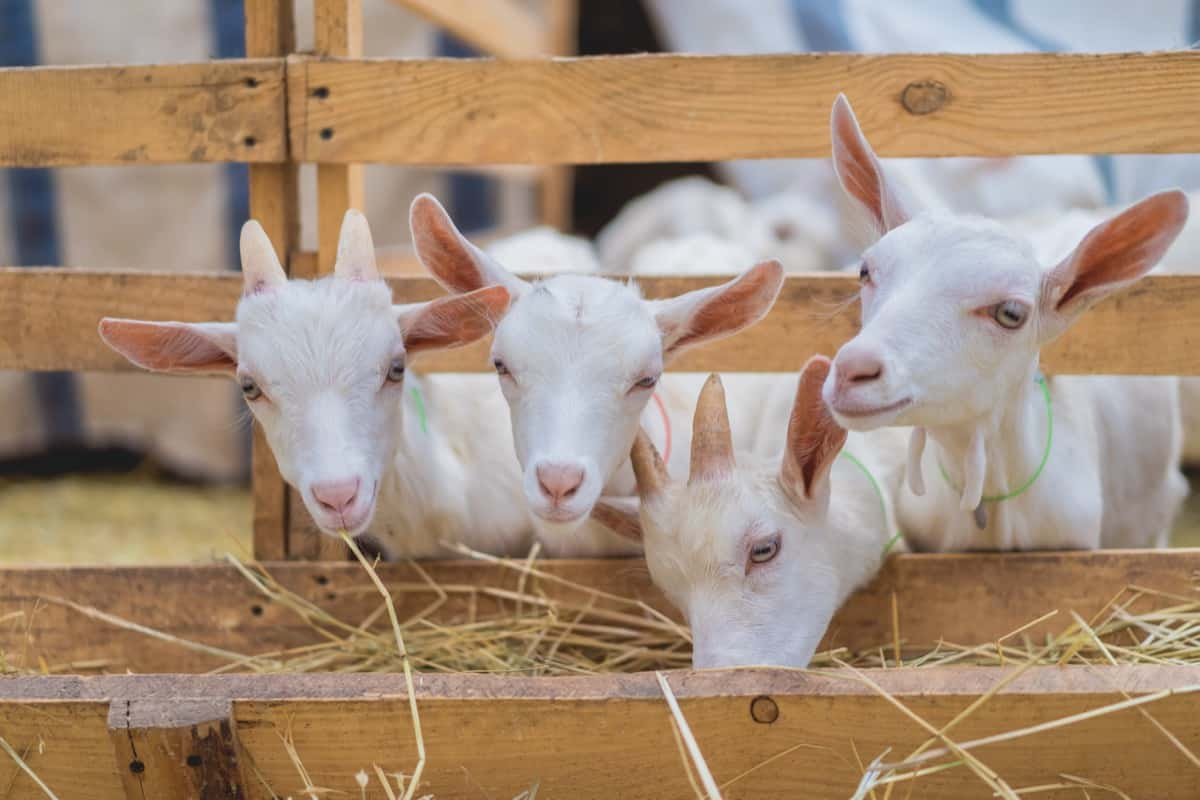
To enhance biodiversity, combine sustainable goat cheese production on the Canary Islands with agroforestry. Using sustainable production methods for Spanish goat cheese increases its marketability and satisfies the need for ecologically friendly cheese among Spanish consumers. By implementing sustainable farming practices, you can ensure the longevity of your farm and establish yourself as the leading provider of premium goat cheese in Spain.
Creating a Distinctive Brand Identity for Your Spanish Goat Cheese
The key to building a successful goat cheese brand in Spain is coming up with a unique story that resonates with local consumers. A strong brand name for Spanish artisan goat cheese highlights its regional roots.
To win over Spanish residents who enjoy goat cheese, it’s important to draw inspiration from traditional Galician practices. When building a goat cheese brand in Spain, be sure to choose packaging that pays homage to local traditions. For instance, Spanish goat cheese branding trends often feature rustic motifs.
Come up with a catchy slogan and logo, such as Crafted in the Heart of Murcia, to make premium goat cheese stand out. Emphasize organic or sustainable practices when identifying Andalusian goat cheese.
When marketing goat cheese in Spain, use narratives shared on social media to describe the farm. A strong brand may help your goat cheese stand out in the crowded Spanish local market and bring in more customers.
Leveraging Local Markets and Festivals to Sell Premium Goat Cheese in Spain
Sell goat cheese at Spain’s bustling local markets by interacting with consumers face-to-face at festivals and other events. The ideal locations to promote premium goat cheese in Spain are in the local markets of Seville and Granada.
To promote goat cheese in Spanish festivals, you can take part in events like Trujillo’s Feria Nacional del Queso, which features artisan goat cheese at local events throughout Spain. When peddling goat cheese in Catalan markets, be sure to offer samples to highlight its unique aroma.
To secure prime sites in Andalusia for your goat cheese stand, team up with local businesses. When marketing goat cheese in Spain, make sure to use eye-catching displays and free samples to attract clients.
Take advantage of regional events dedicated to goat cheese sales in Spain to strengthen community ties in the Canary Islands. Learning effective sales strategies for Spanish goat cheese could help you capitalize on the desire of Spanish consumers for local cheese, which could lead to more visibility and profitability.
Using Social Media to Promote Your Goat Cheese in Spanish Markets
Using platforms like Instagram and TikTok to promote goat cheese in Spain is a great idea. The visual storytelling used to promote premium goat cheese in Spain is a fantastic way to interest younger viewers.
Promoting artisanal goat cheese from Spain on social media may be as simple as sharing some behind-the-scenes farm film from Catalonia. Use hashtags like #QuesoDeCabra to make goat cheese more discoverable while promoting it online in Spain.
One way to successfully promote Spanish goat cheese on social media is to share recipes that feature it. Such content will attract shoppers in Spain. To promote goat cheese in Andalusia to a wider audience, collaborate with local personalities.
When advertising goat cheese in the Canary Islands on social media, be sure to highlight local components. Become a master at internet promotion to enhance your involvement in the local market and sales of goat cheese in Spain by capitalizing on digital trends.
| Platforms | Regions | Strategy | Targeted Audience |
|---|---|---|---|
| Various | Visual storytelling, farm videos | Younger consumers, foodies | |
| TikTok | Various | Short, engaging recipe videos | Gen Z, millennials |
| Twitter/X | Andalusia | Hashtags like #QuesoDeCabra | Broad audience, local food lovers |
| Catalonia | Behind-the-scenes farm content | Older consumers, local communities | |
| YouTube | Canary Islands | Tutorials on cheese recipes | Food enthusiasts, tourists |
| Various | Recipe boards with goat cheese | Home cooks, culinary hobbyists |
Partnering with Local Restaurants to Boost Goat Cheese Sales in Spain
Working with chefs to incorporate your goat cheese into specialties is a great way to focus on cooperating with Spanish restaurants that serve goat cheese. Restaurants in Madrid and Barcelona seek premium goat cheese to enhance the allure of Spanish food.
Collaborations with goat cheese in Spain must include providing chefs with samples and suggestions for matching the cheese with other dishes. Highlight the regional identity of your cheese, like the Murcian varieties that soak in wine, when teaming up with Spanish artisan cheese shops.
Spanish eateries can purchase goat cheese in a consistent supply at adjustable pricing. When teaming up with Andalusian restaurants, make sure to tailor your menu to local tastes by using cheeses and herbs.
While trying to boost sales of goat cheese through Spanish restaurants, make sure there is reliable delivery to meet demand. You may increase your brand’s visibility and revenue in regional markets by learning all you can about restaurant partnerships for Spanish goat cheese. These arrangements will help you to take advantage of the country’s current goat cheese culinary trends.
| Partnership Types | Regions | Strategy | Benefits |
|---|---|---|---|
| Restaurant Supply | Madrid, Barcelona | Provide samples, pairing suggestions | Increased menu visibility |
| Artisan Cheese Shops | Murcia | Highlight regional wine-soaked varieties | Niche market appeal |
| Catering Services | Andalusia | Tailor flavors with local herbs | Event-driven sales |
| Tapas Bars | Various | Small-batch cheese for tapas menus | High turnover, tourist appeal |
| Fine Dining | Various | Exclusive cheese board offerings | Premium pricing, brand prestige |
| Local Cafes | Canary Islands | Supply for breakfast and dessert menus | Consistent demand, local loyalty |
Adopting Organic Certification for Premium Goat Cheese in Spain
To capitalize on Spain’s decision to adopt organic certification for goat cheese, it is important to seek accreditation to meet the growing demand from customers for sustainable products. Organic certification elevates Spain’s premium goat cheese, making it more appealing to health-conscious consumers.
Check that the Galician farmers’ practices and feed match the organic standards set by the European Union for cheese making. Work with established groups like the Spanish Organic Agriculture Committee to get your cheese organically certified in Spain.
For Spain’s organic goat cheese sector to thrive in the long run, farmers must stop using synthetic pesticides and antibiotics. Andalusian organic goat cheese can benefit from packaging that highlights certification to boost sales.
For artisan cheese to be certified organic in Spain, it is essential that all ingredients be traceable. Mastering the ins and outs of Spanish goat cheese’s organic standards will allow you to satisfy the demand for organic cheese among Spanish consumers and position your product as a premium alternative in local markets.
Implementing Cost-Effective Production Techniques for Spanish Goat Cheese
Making goat cheese in Spain at a fair price requires streamlining processes to boost income without compromising quality. A key to producing high-quality goat cheese at affordable prices in Spain is streamlining operations.
To make goat cheese more efficiently and save money, invest in energy-efficient technology in Castilla-La Mancha. The production of Spanish cheese can benefit from sourcing bulk feed locally, especially in the cost-effective goat husbandry in Andalusia.
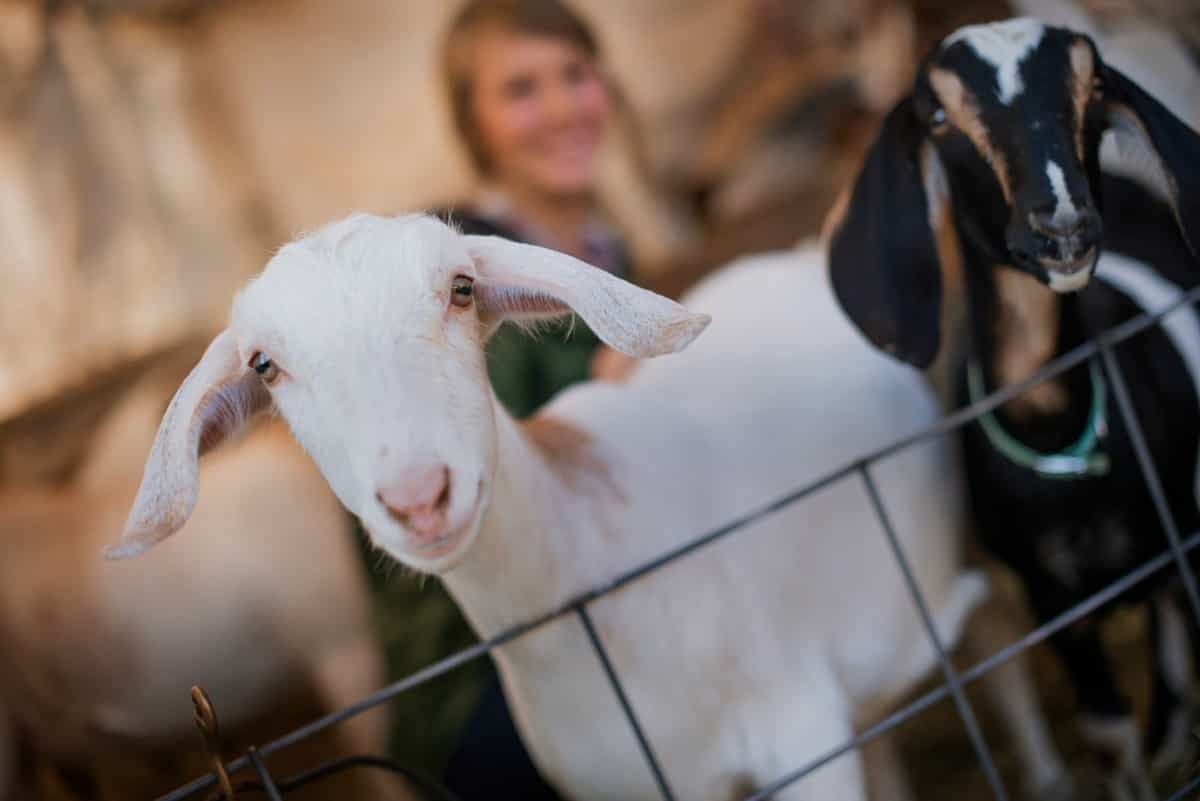
Make affordable artisan cheese in Spain by reusing whey for other products, thereby reducing waste. To keep infrastructure expenses down and make goat cheese affordable in the Canary Islands, use shared facilities.
Focusing on making inexpensive Spanish goat cheese requires negotiating better pricing for rennet and cultures with vendors. To ensure goat cheese is made commercially in Spain, allowing competitive pricing in regional markets without compromising quality, it is important to have knowledge of cost-cutting measures for Spanish cheese.
| Cost-Saving Techniques | Regions | Implementation | Impact |
|---|---|---|---|
| Energy-Efficient Tech | Castilla-La Mancha | Solar-powered milking systems | Reduced energy costs |
| Local Feed Sourcing | Andalusia | Bulk purchase of regional grains | Lower feed expenses |
| Whey Reuse | Various | Use for ricotta or animal feed | Waste reduction, additional revenue |
| Shared Facilities | Canary Islands | Co-op processing plants | Lower infrastructure costs |
| Bulk Rennet Purchase | Various | Negotiate with suppliers | Reduced input costs |
| Process Optimization | Various | Streamline milking and aging | Increased production efficiency |
Staying Ahead of Trends in Spanish Goat Cheese Production
To stay competitive in the trends of goat cheese production in Spain, it’s important to anticipate changes in consumer preferences and technological improvements. As a result of rising demand for unique flavors and eco-friendly production methods, innovation is propelling Spain’s premium goat cheese business forward.
If you want to be abreast of all the latest trends in Spanish cheesemaking, you should try employing coagulants made from plants in Catalonia. Improving goat cheese production in Spain requires the use of high-tech sensors that can measure milk quality in real time.
To stay ahead of the competition in the Spanish cheese industry, consider offering limited-edition cheeses that mirror the current trends in handmade goat cheese in Spain. Trends in goat cheese packaging in Andalusia are moving toward more eco-friendly options.
The future of the goat cheese sector in the Canary Islands depends on the incorporation of blockchain technology to provide transparency in the supply chain. If you can expertly adapt to the shifting demands of Spanish consumers for goat cheese, your product will remain current and attractive in local marketplaces.
| Trends | Regions | Innovations | Consumer Benefits |
|---|---|---|---|
| Plant-Based Coagulants | Catalonia | Vegetable rennet for coagulation | Appeals to vegetarians |
| Real-Time Sensors | Various | Monitor milk quality during milking | Consistent quality |
| Limited-Edition Cheeses | Various | Seasonal or flavored varieties | Exclusivity, novelty |
| Eco-Friendly Packaging | Andalusia | Biodegradable or reusable materials | Environmental appeal |
| Blockchain Transparency | Canary Islands | Traceable supply chain | Consumer trust, authenticity |
| Artisanal Flavor Infusions | Various | Herbs, spices, or wine infusions | Unique taste experiences |
Conclusion
Producing premium goat cheese for local markets in Spain is a thriving industry that blends history, innovation, and sustainability. We can make cheeses that represent the many regions of Spain when we carefully select breeds, maximize nutrition, and perfect artisanal methods.
Adhering to regulations, employing smart branding, and capitalizing on local marketplaces and internet channels will ensure that your items are delivered to eager buyers. You may stay competitive with cost-effective methods and trend awareness.


