

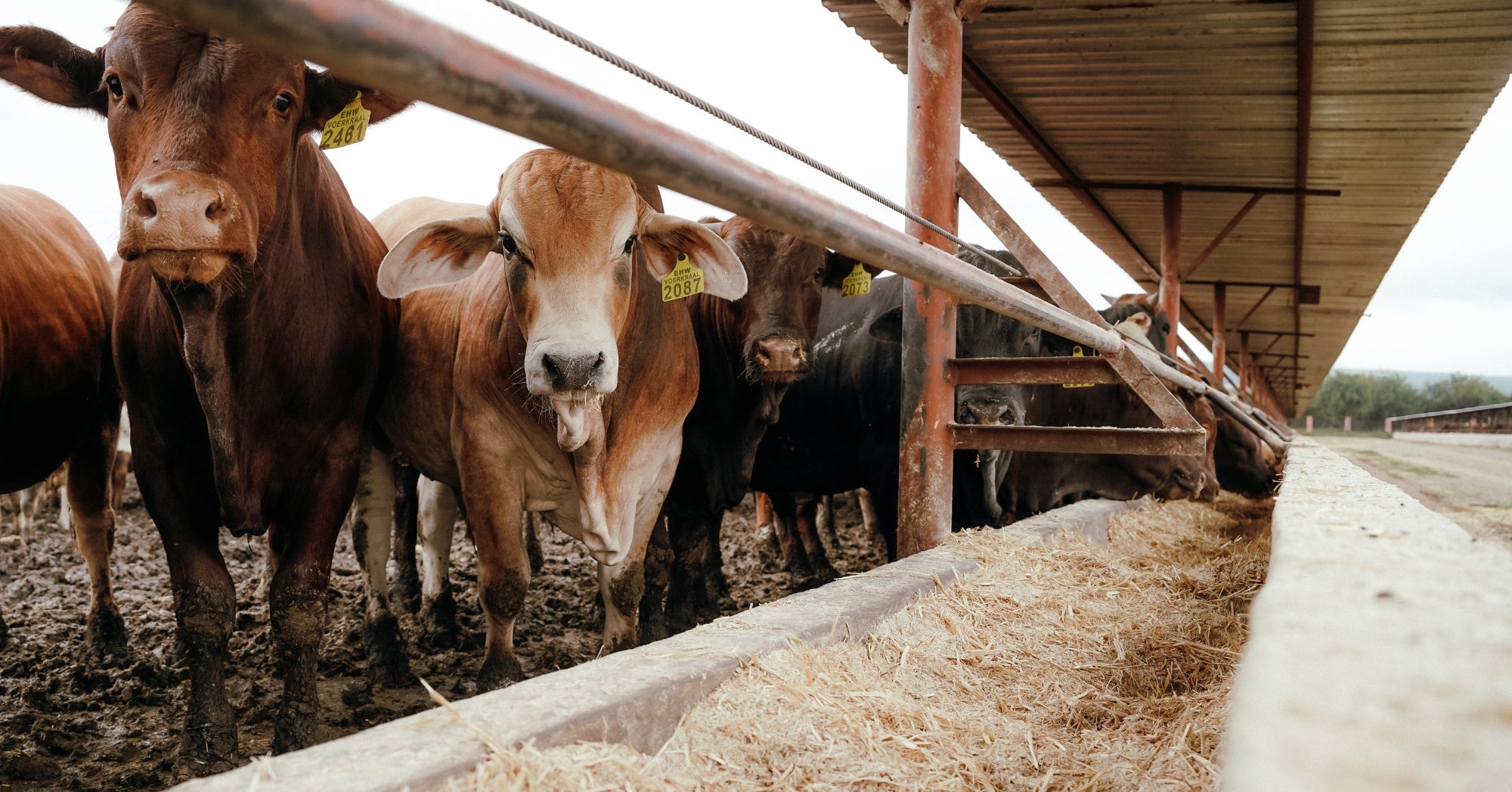
Recently, the U.S. Department of Agriculture announced that on August 24, a “phased reopening” of specific southern border port offices for livestock trade will commence at the Douglas, Arizona, port of entry, and possibly later after completing the “operational steps necessary” at the southern border port offices of Santa Teresa and Columbus, New Mexico.
The USDA’s decision is the first reopening since the May 2025 suspension of the southern livestock trade corridor, which was halted because of the continued northward spread of New World screwworm in Mexico.
In their announcement, the officials discuss a “full USDA inspection” to prevent NWS (Cochliomyia hominivorax) from further entering the United States while simultaneously supporting an eradication strategy intended to eliminate the pest from Mexico and push its geographic range south toward the Darien Gap.
But what does a full USDA inspection entail? And what do the USDA’s comments about pushing the pest out of Mexico say about the future of agricultural diplomacy between the United States and Mexico?
This article will answer those questions by addressing what actions occur in a “full USDA inspection,” whether the “phased reopening” of cattle imports initiates the beginning of renewed U.S.-Mexico agricultural diplomacy, and how diplomacy efforts between binational agencies — the USDA and Mexico’s Secretaria de Agricultura y Desarrollo Rural (SADER) and the Servicio Nacional de Sanidad, Inocuidad y Calidad Agroalimentaria (SENASICA) — intend to push the pest out of both countries.

Overall, it appears that the phased reopening is the result of the trust the United States and Mexico have rebuilt through coordinated disease-mitigation efforts and a commitment to protect North America’s livestock industry.
What is a full USDA inspection?
A full USDA inspection is the thorough inspection conducted by Animal and Plant Health Inspection Service veterinarians and animal health technicians at southern border ports offices. This inspection is intended to prevent and mitigate the spread of animal diseases before imported livestock are introduced into the United States livestock population. There are different inspection protocols and standard operating procedures in place for importing breeding and feeder cattle; however, the USDA, in its announcement, did not specify whether livestock in the ruminant and equine categories would be permitted for import, they only used the word “cattle.”
For the sake of argument, this article will outline the specific regulations for breeding and feeder cattle.
- When importing breeding cattle — also known as “sexually intact (breeder) bovines” — from Mexico into the United States, as of January 2025, each animal must meet a comprehensive set of animal health requirements before crossing the border. These requirements include an official zoosanitary health certificate issued by a SADER-authorized veterinarian, verification that the animals originate from an export-eligible region, official identification and traceability to their premises of origin, enrollment in an accredited bovine tuberculosis herd with negative test results, and compliance with additional disease-specific testing and certification requirements established by USDA APHIS. These requirements provide APHIS personnel with assurances that each animal can be traced to its origin and has satisfied the health standards necessary for importation.
- When importing spayed heifers and steers — also known as “feeder cattle” — from Mexico into the United States, as of January 2025, import officials require that the animals comply with a series of animal health and traceability requirements before they are eligible for entry. The animals must originate from an export-eligible region of Mexico, be accompanied by an official zoosanitary health certificate issued by a SADER-authorized veterinarian, possess official identification that allows for traceability, and meet all USDA APHIS disease requirements, such as two consecutive official whole herd test results within a 9-15-month interval. Although the import requirements differ between breeding and feeder cattle, the regulatory standards for both categories reduce the risk of introducing foreign animal diseases into the United States.
Taken together, the USDA requires that all bovines undergo a comprehensive, hands-on USDA inspection upon arrival at a designated southern border ports office, without exception.
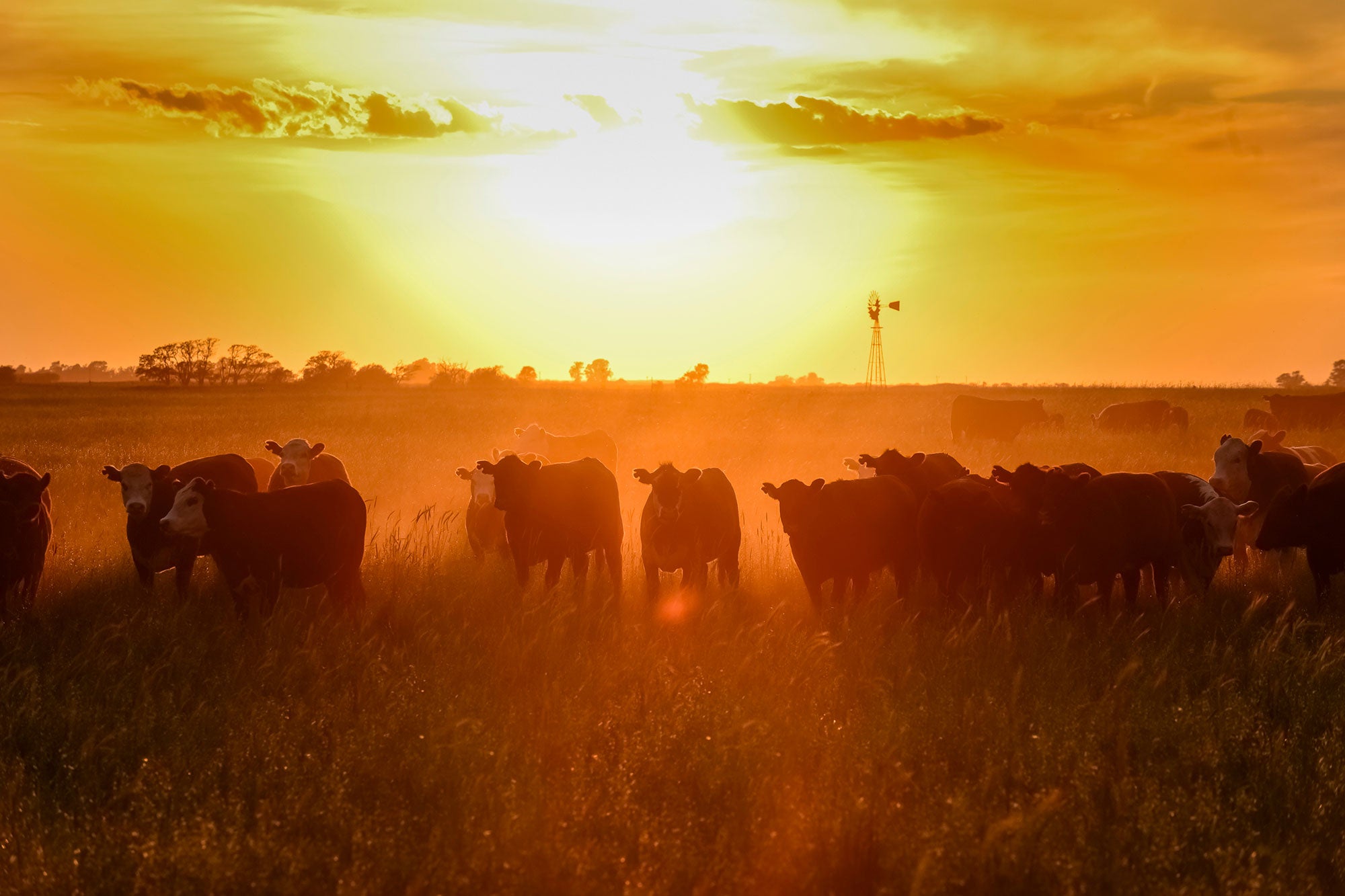
Before entry, both APHIS veterinarians and animal health technicians review the accompanying documentation, verify that each animal has official identification, conduct a physical examination for signs of disease, injury, and ectoparasites such as the cattle fever tick (Rhipicephalus (Boophilus) annulatus), and NWS, and confirm that each head of cattle satisfies all applicable import requirements before authorizing entry into the United States.
Only after every requirement has been verified and the animal passes inspection is entry authorized.
Restoring the livestock supply chain
The phased reopening — apart from filling the economic vacuum created by the initial pause — is a start at repairing the cross-border agricultural business that has supported ranchers, feedlots, processors, exporters, retailers, and consumers for decades.
Livestock economists have stated that the suspension of live cattle imports from Mexico in May 2025 by Secretary of Agriculture Brooke Rollins produced significant economic consequences throughout the United States beef supply chain. The suspension was a necessary precaution to limit the spread of NWS; however, it displayed how closely integrated and aligned the United States and Mexican cattle industries are.

Historically, the United States imported an average of 26,000 feeder cattle per week across all APHIS locations. These cattle supplied feedlots and packing facilities across Texas and the Southwest, and the loss of those imports reduced the number of cattle available for feeding and processing, placing a financial strain on the industry.
As overall cattle numbers dwindled, lower domestic beef production led to the higher beef prices that consumers in the United States felt. In response, the phased reopening of imports allows the restoration of the flow of cattle that these industries depend on, while preserving the inspection process intended to protect the nation’s livestock from foreign animal diseases.
Rebuilding agricultural diplomacy
A cautious step toward rebuilding a strained U.S.-Mexico agricultural diplomatic relationship is happening through the phased reopening of southern border ports.
Agricultural diplomacy in this context is the cooperation between the U.S. and Mexican governments, agencies, and institutions to facilitate agricultural commerce while collectively managing shared biological, environmental, and food security risks. In agricultural diplomacy, day-to-day collaboration to protect animal health and facilitate trade is at the forefront. And the USDA’s decision to reopen the Douglas southern border ports office is a testament to the progress both the United States and Mexico have made in implementing coordinated disease mitigation strategies.
Challenges ahead
Just as important as continuing animal disease mitigation efforts is recognizing that the reopening of the Douglas southern border ports office does not indicate that NWS has disappeared or that the threat no longer exists. Quite the contrary, the pest is active, it is spreading, and the 42 domestic cases reported in the U.S. are evidence of that; however, the established trust surrounding the phased reopening demonstrates that both governments have established a level of operational trust sufficient to manage the remaining risk cautiously.
That trust is built through coordination between USDA APHIS, SADER, and SENASICA, allowing livestock trade to resume while protecting animal health on both sides of the border.

The phased reopening is an initial step toward restoring agricultural trade; however, the challenge of preventing NWS and other foreign animal diseases from entering the United States cannot be addressed solely through inspections of legally imported livestock. A vulnerability is the unauthorized movement of livestock across the U.S.-Mexico border, where animals entering outside established ports of entry bypass inspections and disease surveillance measures in the USDA APHIS import policy. Unlike legally imported livestock, these animals have no known health records, traceability certifications, or veterinary inspection before entering the United States.
Along the United States border, USDA APHIS Mounted Patrol Inspectors are the first line of defense in biosecurity. They routinely monitor remote areas along the border to locate stray cattle, horses, and other livestock that may have illegally crossed into the United States. Their goal is to prevent the introduction of foreign animal diseases and invasive pests that threaten the nation’s agricultural industry. Their efforts are critical; yet, they alone cannot eliminate the risk posed by unauthorized cross-border animal movements.
Long-term success will require a binational policy that addresses the problem holistically before animals reach the international boundary. This includes continued cooperation among USDA APHIS, Mexico’s SADER and SENASICA, and state agriculture agencies to develop a more effective surveillance system that improves information sharing and expands animal traceability to help monitor unauthorized livestock movements.

Where can these agencies begin? They can start by continuing to invest in protocols for personnel, infrastructure, and disease surveillance on both sides of the border to maintain North America’s biosecurity. Improvement will require containing the affected area and “preventing contact between NWS flies and non-infested animals” as well as “stopping the production cycle of NWS flies” through the sterile insect technique.
Continued investment in these efforts is a proactive means to bolster long-term resilience for the North American livestock industry while also monitoring the safe movement of animals across the U.S.-Mexico border.
The future of U.S.-Mexico agricultural relations
The NWS outbreak suggests that biosecurity has become an issue of economic and border security, as well as international diplomacy. As the resumption of livestock trade commences between the two nations, the threat of biosecurity across North America can continue to disrupt trade, affect food production, and influence bilateral relations.
Looking forward, agricultural diplomacy cannot rely solely on responding to emergencies; it must also take deterrence measures and prioritize long-term prevention by focusing on uncovering the next outbreak before it reaches the border. Therefore, while the reopening is an important milestone for the future of U.S.-Mexico relations, maintaining a healthy livestock industry will require the same cooperation that made it possible.
Conclusion
The reopening of southern border ports was facilitated because the United States and Mexico rebuilt enough confidence in one another’s animal health safeguards to resume livestock trade without abandoning prior inspection protocols. Ranchers in the United States should not fear the reopening of southern border port offices, as the full inspection process conducted by USDA APHIS personnel is thorough and intended to prevent foreign animal diseases from harming domestic livestock and animal health.
Moreover, the shared effort to not only eradicate NWS in the United States and Mexico but also to provide additional resources and push NWS south toward the Darien Gap is an initial step in safeguarding North America’s livestock industry from biosecurity threats.
The success of these efforts may be measured by the United States and Mexico’s ability to sustain cooperation and the trust necessary to protect a shared agricultural future across both nations.
Jorge A. Ferrara is a Marine Corps veteran and Master of International Affairs candidate at Columbia University’s School of International and Public Affairs (SIPA), where he studies international security and diplomacy. He previously served as a USDA Animal Health Technician, conducting livestock inspections and biosecurity operations at U.S.-Mexico ports of entry in South Texas and Northern Mexico. His research focuses on U.S.-Latin America relations, border security, international trade, and transnational threats in the Western Hemisphere. Ferrara’s work examines the intersection of biosecurity, commerce, and national security, with an emphasis on cross-border challenges affecting the United States and Mexico.


