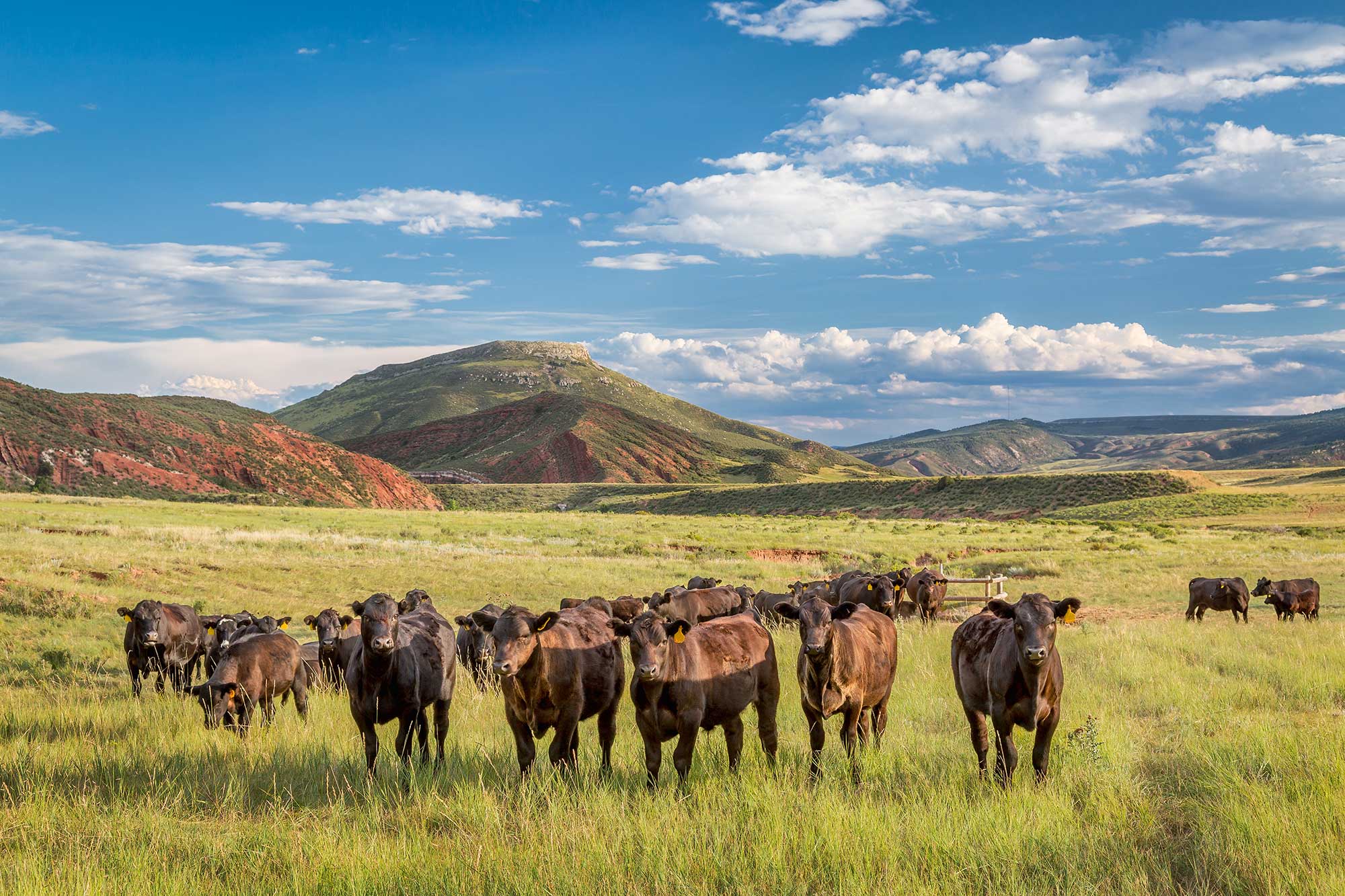
Ranchers holding grazing permits on U.S. Forest Service land are being encouraged to take advantage of new federal policies aimed at expanding livestock grazing opportunities, reopening unused allotments, and improving access to public rangelands.
In an Oct. 5 letter to federal grazing permit holders, U.S. Agriculture Secretary Brooke Rollins outlined the administration’s June 12 grazing directive and urged ranchers to work with the Forest Service to put the changes into practice.
The directive establishes a goal of restoring at least 500,000 head months of grazing capacity on National Forest System lands within two years, while maintaining existing grazing opportunities and improving coordination between federal land managers and livestock producers.
The effort is part of the Trump administration’s broader strategy to strengthen domestic cattle production and support ranchers who depend on federal grazing permits.

What the grazing directive means for ranchers
- Restoring grazing capacity: Taking appropriate steps to restore at least 500,000 head months across National Forest System lands within two years.
- Protecting existing grazing levels: Implementing a policy of no net loss of Animal Unit Months within allotments.
- Reopening grazing opportunities: Making vacant and closed allotments available for livestock grazing.
- Improving wildfire management: Strengthening fire planning, coordination, and recovery efforts, including consideration of virtual fencing technology.
- Streamlining environmental reviews: Improving efficiency under the National Environmental Policy Act.
- Strengthening rancher relationships: Improving communication and coordination between permit holders and federal land managers.
The directive repeatedly specifies that these actions must comply with applicable federal laws and regulations.
An Animal Unit Month, or AUM, generally represents the forage needed to sustain one animal unit, typically a 1,000-pound cow and her calf, for one month. Head months measure grazing use based on the number of animals and the time they spend on an allotment.
For ranchers operating on federal allotments, the proposed changes could create opportunities to restore grazing capacity or seek access to allotments that have been unavailable. However, the directive establishes policy goals rather than automatically authorizing additional livestock on individual allotments.
Federal lands play a major role in livestock production
According to USDA, the Forest Service and Bureau of Land Management collectively administer approximately 240 million acres of rangelands across 28 states, supporting more than 23,000 grazing permittees and lessees.
Those lands provide seasonal forage for cattle and sheep operations, particularly throughout the western United States, where access to public grazing can be an important part of ranch management.
The June directive builds on the administration’s October 2025 Plan to Fortify the American Beef Industry and a March 31, 2026, memorandum of understanding signed by Rollins and Interior Secretary Doug Burgum.
The agreement between USDA and the Department of the Interior seeks to improve grazing coordination across Forest Service and BLM lands.
Together, the initiatives prioritize livestock grazing as part of federal land management while seeking to improve administrative processes affecting ranchers.
USDA encourages ranchers to report grazing concerns
Rollins also directed producers to USDA’s Farmer and Rancher Freedom Framework, established in February 2026 to collect complaints involving what the department describes as agricultural lawfare.
USDA uses the term to describe alleged misuse of administrative, legal, or legislative processes that adversely affect agricultural producers.
Ranchers who believe they have experienced such treatment can submit information through USDA’s reporting webpage.
The department has additionally launched a Ranchers First webpage highlighting federal actions related to livestock production, grazing access, and beef industry development.
In her letter, Rollins encouraged permit holders to review the directive and communicate with federal officials about opportunities on their individual allotments.
The next step will be translating the administration’s grazing priorities into changes on the ground, including determining which vacant allotments can be made available, how grazing capacity can be restored, and what environmental reviews may still be required.