

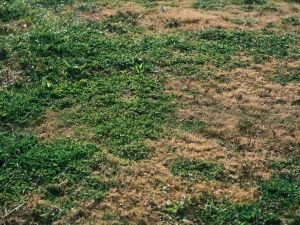
 If you walk through a West Texas pasture in August, the grass will usually show you what is really happening, even if it is not what you want to see. Maybe the old bluestem is thin near the water lot. Maybe broomweed has popped up in a pasture that looked good back in the spring. Maybe ragweed is filling in bare spots, or silverleaf nightshade keeps returning, no matter how many times you thought you had it under control. Most ranchers see these plants and immediately ask, “What do I need to spray?” That is a reasonable question, but it should not be the first one. A better question is, “Why is this weed showing up here?”
Weeds in your pasture do not appear by chance. They show up because something in the pasture allowed them to take hold. It could be overgrazing, drought, bare ground, soil compaction near water, not enough recovery time, or weak forage. Some weeds are just annoying, but others are like warning lights on a dashboard. If you learn to read these signs, you can make better choices about grazing pressure, when to rotate cattle, when to control weeds, and whether your pasture needs rest more than another round of chemicals.
Weeds Are a Pasture Report Card
A weed is just a plant growing where you do not want it. But when you have a weed problem, it usually means there is a bigger issue.
 real problem is grazing pressure, drought, or weak grass cover, herbicide alone will not solve it.
When you walk through a pasture, look at where weeds are growing. Are they near water? In bare patches? Along fence lines? In low, wet spots? On rocky ridges? In places cattle avoid?
The pattern of where weeds grow often tells you more than the weed itself.
1. Annual Broomweed Means Bare Ground Got an Opening
Annual broomweed is one of those plants that can make a pasture look rough in a hurry.
In West Texas and the Southern Plains, broomweed often shows up where grass cover has thinned out. Drought, overgrazing, heavy grazing near water, or weak warm-season grass competition can all give it room to move in.
Broomweed does not point to just one issue. It is more like a flag saying, “This pasture had open space when conditions were right for me.”
What to do:
- Check how much desirable grass remains.
- Look for bare ground between grass plants.
- Reduce grazing pressure if grass plants are weak.
- Avoid grazing the pasture too short before summer stress sets in.
- Time control before plants mature and set seed.
If broomweed keeps coming back every year, do not just blame the plant. Check your stocking rate, recovery time, and whether your pasture is getting enough rest after grazing.
2. Ragweed Points to Disturbance and Weak Competition
Ragweed is another plant that likes opportunity.
You will often see it in disturbed soil, bare spots, trap areas, old feeding areas, and places where grass cover is weak. In a wet spring, it can come on strong. In a dry year, it may still show up anywhere the soil was opened, and the grass did not recover.
Ragweed mainly tells you that your pasture cover is not thick enough to keep out opportunistic plants.
What to do:
- Walk the areas where ragweed is thickest.
- Ask what opened the ground there.
- Rest the pasture long enough for the grass to rebuild leaf area.
- Avoid repeated close grazing in the same spots.
- Mow or control before seed production if pressure is high.
A few ragweed plants are not a big problem. But if your pasture is full of ragweed, it means your grass is losing the competition.
3. Pigweed and Carelessweed Tell You Soil Was Opened
Pigweed, carelessweed, and similar fast-growing annual weeds are quick to take advantage of disturbed ground.
You might see them around hay rings, old feeding spots, pens, water lots, roadsides, or areas where cattle have beaten the ground down. They do not need perfect conditions. They just need sunlight hitting bare soil.
This makes them useful indicators. If pigweed is thick, your pasture may be telling you that cattle pressure has been too concentrated.
What to do:
- Move feeding areas instead of using the same spot all season.
- Rotate mineral feeders to spread traffic.
- Fix water distribution if cattle are camping in one area.
- Drag or smooth rough feeding areas when needed.
- Reseed bare areas if natural recovery is not happening.
Pigweed is easy to dislike, but it is also honest. It usually points directly to disturbed ground.
4. Silverleaf Nightshade Signals a Tough Long-Term Problem
Silverleaf nightshade is not a weed you can fix with just one treatment and some optimism.
It is a persistent perennial that can hang around in pastures, roadsides, and disturbed areas. Once established, it can be difficult to control because it can revert to its roots. It also tends to show up where competition from desirable forage is not strong enough.
This is a weed that needs early attention. If you ignore a small patch, it can turn into a long-term problem.
What to do:
- Map patches before they spread.
- Avoid moving seed or root pieces with equipment.
- Spot treat when plants are actively growing.
- Follow label directions closely on any herbicide used.
- Build grass competition around treated areas.
Do not expect to control silverleaf nightshade in just one try. Plan for several seasons of work, not just a few weeks.
5. Pricklypear Means the Pasture Has Been Slipping for a While
Prickly pear is common enough in West Texas that many folks stop noticing it until it becomes a problem.
A small amount of prickly pear may not cause problems. But if it starts spreading across grazing areas, it often means grass competition has weakened over time. Drought, heavy grazing, and not enough recovery can all help prickly pear spread.
Prickly pear also changes how cattle use the pasture. They may avoid the patches, which puts more pressure on the better areas and makes grazing patterns even more uneven.
What to do:
- Decide whether prickly pear is scattered, patchy, or taking over.
- Protect desirable grass after control work.
- Avoid overgrazing treated areas during recovery.
- Use recommended herbicide or mechanical methods for your site.
- Monitor for regrowth after treatment.
The main lesson is that controlling prickly pear is only half the job. The other half is growing the grass back.
6. Mesquite Seedlings Tell You Brush Is Getting Ahead
A few mesquite seedlings do not look like much.
That is why they get ignored.
After a few years, what could have been handled early turns into a brush problem that costs real money. Mesquite is not just a tree problem. It affects grass, grazing, and water use too.
When mesquite seedlings show up across a pasture, they are telling you the brush-control window is open. Waiting until they are bigger usually makes the job harder and more expensive.
What to do:
- Watch for young mesquite after wet periods.
- Treat small plants before they become established.
- Keep records of problem pastures.
- Combine brush work with grazing management.
- Give grass a chance to respond after control.
If you control brush without managing grazing, it is like fixing a fence with rotten posts. It might work for a while, but the weak spot is still there.
7. Croton or Doveweed Can Point to Sandy, Stressed Sites
Croton, often called doveweed in some areas, can show up on sandy or stressed sites.
It is not always a disaster plant. Wildlife may use it, and it can be part of the plant community. But if it starts dominating an area that should be carrying better forage, pay attention.
In many cases, croton is telling you that desirable grasses are thin or that the site has been stressed by drought, grazing pressure, or poor recovery.
What to do:
- Compare croton-heavy areas to stronger grass areas.
- Look at soil type and grazing history.
- Reduce pressure if desirable grasses are short.
- Avoid assuming all acres produce the same forage.
- Manage sandy sites more conservatively during drought.
Not every pasture acre is equal. Croton can remind you which sites need lighter use and longer recovery.
8. Threeawn Says Pasture Quality Is Slipping
Threeawn is one of those grasses that cattle do not get excited about, especially once it gets mature and wiry.
When threeawn increases, it can be a sign that more desirable grasses are losing ground. That often happens under long-term grazing pressure, drought stress, or weak recovery. The pasture may still look like it has grass, but it may not be the kind of grass that supports performance well.
This matters for cow condition and calf gains. A pasture can look covered and still be nutritionally disappointing.
What to do:
- Identify whether desirable grasses are increasing or declining.
- Avoid grazing good grasses that are too short.
- Use rest to help forage recover better.
- Consider whether the stocking rate matches the actual forage quality.
- Watch cow body condition, not just pasture height.
Threeawn reminds you that not all grass is equal. Quantity and quality are two different things.
Some Weeds Are Not All Bad
Here is where we need to be careful.
Not every non-grass plant is a disaster. A healthy pasture is not always a clean carpet of grass. Some forbs can provide diversity, ground cover, pollinator value, and seasonal nutrition. Some are used by wildlife. Some help protect soil from being completely bare.
The goal is not to kill every broadleaf plant you see. The goal is to understand what is increasing, why it is increasing, and whether it is hurting livestock production.
A few scattered forbs in a strong grass stand may not be worth worrying about. A pasture where weeds are replacing desirable forage is a different story.
Ask yourself:
- Is this plant scattered or taking over?
- Are cattle avoiding the area?
- Is bare ground increasing?
- Is desirable forage declining?
- Is this hurting grazing days or cattle performance?
That keeps your weed control practical instead of emotional.
Practical Management Strategies
Start by identifying the plant. Guessing wrong can waste money fast. Then look at the pattern. A weed near water may point to cattle traffic. A weed in bare patches may point to overgrazing or drought. A weed in one soil type may point to site limitations.
Next, look at desirable forage. If good grass is still present, your job is to help it compete. That may mean resting the pasture, rotating sooner, reducing stocking pressure, or changing where cattle spend time.
If desirable grass is mostly gone, weed control alone will not rebuild the pasture. You may need a longer recovery plan.
Good strategies include:
- Rotating cattle before key grasses are grazed too short.
- Resting weak pastures during active growing periods.
- Moving mineral and feeding locations.
- Use spot treatment instead of blanket spraying when practical.
- Matching stocking rate to current forage, not last year’s rain.
- Keeping records of weed patches and control timing.
The best pasture rotation schedule for cattle is not based only on the calendar. It is based on grass growth, recovery, rainfall, stocking pressure, and what the pasture is showing you.
Warning Signs to Watch For
A weedy pasture does not always hurt cattle right away, but the warning signs show up if you watch.
Look at both the land and the herd. If cows are traveling farther for a bite, grazing longer with less feed, or losing body condition, the pasture may not be providing what it should. If calves are not gaining as expected, forage quality may be part of the problem.
Watch for these signs:
- Desirable grasses are grazed short while weeds stand untouched.
- Bare ground increases between grass plants.
- Cattle are spending too much time around water or shade.
- Cow body condition is slipping in late summer.
- Calves looking uneven or rough.
- Heavy fly pressure around weedy, muddy, or high-use areas.
- Weeds are going to seed before you act.
- One pasture is getting hammered while another is underused.
- More low-value plants each year.
These are warning signs of overgrazing, but they are also decision points. If you catch them early, you still have options.
Wrap-Up
Pasture weeds are easy to curse at, and sometimes they earn it. But they are also useful if you slow down long enough to read them.
Annual broomweed, ragweed, pigweed, silverleaf nightshade, pricklypear, mesquite seedlings, croton, threeawn, and weeds around water all tell a story. Some point to bare ground. Some point to weak forage competition. Some point to long-term grazing pressure. Some point to cattle spending too much time in one place.
The answer is not always spray. The answer is not always rest either. Good pasture management is knowing which tool fits the problem.
Walk your pastures. Look at the weeds. Look at the grass. Look at the cattle. Then make the decision that fixes the cause, not just the symptom.
A pasture will usually tell you what is going wrong before it completely falls apart. The trick is paying attention while there is still time to do something about it.


