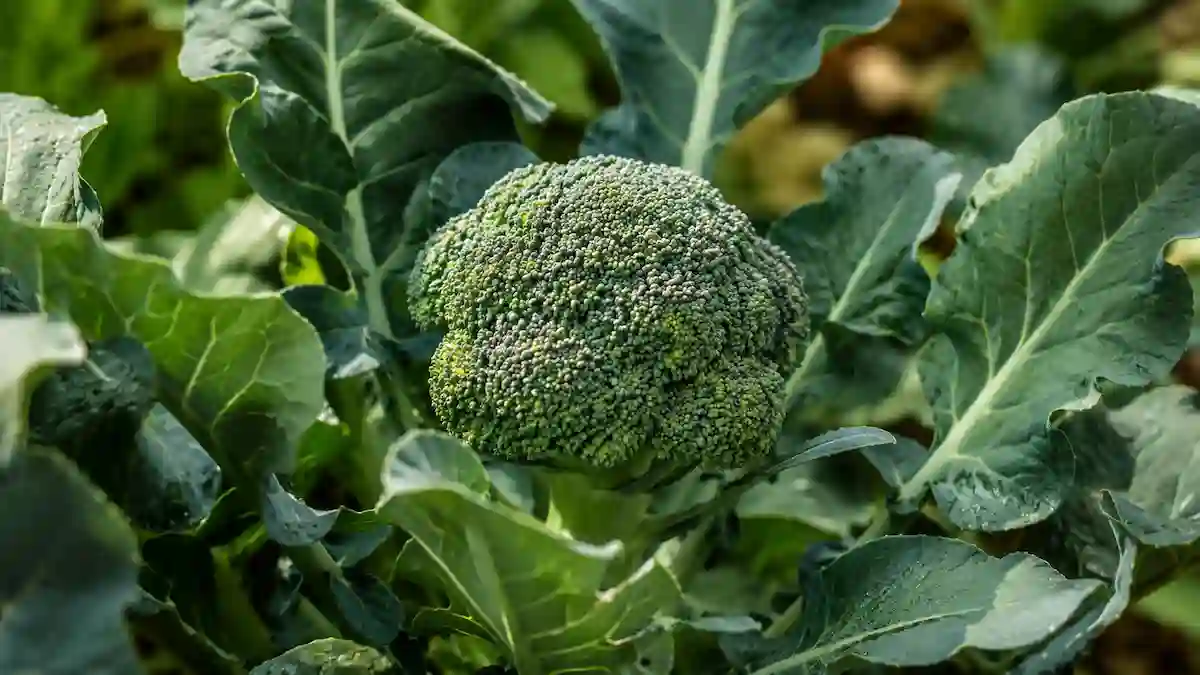
Broccoli heads stay small for several common reasons: heat stress, inconsistent water, overcrowding, poor timing, nutrient imbalance, transplant stress, or the variety itself. Cold stress on young plants can cause buttoning, where the plant forms a tiny head too early and never enlarges it. Growing during cooler weather, spacing plants properly, and keeping soil evenly moist usually produce bigger heads.
| What you see | Most likely reason | What to do |
|---|---|---|
| Tiny head on a young plant | Buttoning | Check temperature and planting timing |
| Lots of leaves, no head | Young plant, heat, excess nitrogen | Check maturity, temperature and feeding |
| Head stopped growing | Heat or dry soil | Maintain moisture and monitor temperature |
| Small but healthy head | Variety or earlier stress | Check expected variety size |

Many gardeners see healthy plants that never deliver a full-sized head. The causes are usually environmental or cultural. Understanding the difference between a normal small head, buttoning, and bolting helps you decide what to do next.
Why Are My Broccoli Heads So Small? The Most Common Causes
Broccoli is a cool-season crop. It forms the best central heads when temperatures stay moderate and growing conditions remain steady. When conditions swing, the plant often produces a small head or skips a proper one.
1. Heat Stress and Buttoning
Broccoli generally develops best in cool conditions, with daytime temperatures around 15–21°C (60–70°F), although the ideal range varies somewhat by variety. Prolonged heat above roughly 24–27°C (75–80°F) can reduce head quality and increase the risk of loose heads or premature flowering.

Buttoning is the premature formation of a small head before the plant has developed enough vegetative growth to support a normal head. Cold stress on young plants that have just passed the juvenile stage is a classic trigger. Drought, nutrient problems, and other early stresses can also contribute. Heat is more commonly linked to poor enlargement and bolting once a head has started.
A buttoned head forms early, stays small, and does not enlarge into a normal central head.
2. Inconsistent Watering Can Keep Broccoli Heads Small
Broccoli has relatively shallow roots. Dry spells between waterings stress the plant and limit head size. Aim for roughly 25 mm (1 inch) of water per week, adjusting for rainfall, soil type, temperature, and plant size. Deep watering works better than frequent light sprinkles.
For help estimating how much water your plants may need, use the Plant Watering Calculator and adjust the result for rainfall, soil type, and local weather.
Mulch helps keep moisture even and keeps roots cooler.
3. Crowded Broccoli Plants May Produce Smaller Heads
Crowded plants compete for light, water, and nutrients. Most heading varieties need 18 to 24 inches (45 to 60 cm) between plants and 24 to 36 inches (60 to 90 cm) between rows. Closer spacing can increase competition and may result in smaller main heads, though total side-shoot yield can rise.
If you are planning several broccoli plants, the Plant Spacing Calculator can help you work out the space needed between plants.
4. Nutrient Problems Can Limit Broccoli Head Growth
Broccoli needs a steady supply of nutrients for vigorous growth and head development. Low nitrogen often produces pale leaves and smaller heads. Excess nitrogen can push leafy growth at the expense of heading. Soil that lacks organic matter or sits outside the preferred pH range (roughly 6.0 to 7.0) also limits performance.
If you need help calculating fertilizer amounts for your garden, the Fertilizer Calculator can help you estimate the amount to apply based on your crop and fertilizer requirements.
A soil test removes guesswork. Work compost into the bed before planting and side-dress with a balanced fertilizer once plants are established. Avoid heavy late nitrogen applications that encourage leaves over heads.
5. Wrong Planting Time
Broccoli needs a stretch of cool weather while the head develops. Planting too early can expose young plants to cold stress that triggers buttoning. Planting too late means heat arrives before the head finishes.
In cooler regions both spring and fall crops can work if timed carefully. In warmer climates fall and mild-winter plantings usually give better results. Start seeds about 5 to 6 weeks before your planned transplant date, adjusting the timing to your local climate, frost risk, and the variety’s recommended growing window.
6. Your Broccoli Plant May Still Be Too Young to Form a Large Head
Many central-heading varieties produce a harvestable head within roughly 8–12 weeks after transplanting, although some varieties take considerably longer. Always use the maturity information for your specific variety as the better guide. Seed-started plants take longer. A golf-ball-sized head can still enlarge if temperatures stay moderate and the plant has enough leaves and moisture.
Check the variety’s expected maturity window before deciding the head is stuck.
7. Transplant or Early Stress
Rough transplanting, root disturbance, drought, or sharp temperature swings early on can reduce final head size. Handle seedlings carefully, water them in well, and protect young plants from hard freezes or sudden heat when possible.
Severe early stress can reduce final head size, even if the plant looks healthier later in the season.
8. Bolting
Bolting is the shift into flowering. Once yellow petals appear, the head stops enlarging and quality drops. Heat and increasing day length are important triggers, with stress and variety also influencing how quickly a plant flowers.
Harvest as soon as the buds are tight and the head looks full for its size. Waiting turns a usable head into an open flower cluster.
9. Variety and Expected Size
Not every variety produces a large central head. Some are bred for heavy side-shoot production. Others simply stay smaller under average garden conditions. Before assuming something is wrong, check the seed packet or variety description for the expected head size.
A healthy plant with a modest head may be performing exactly as expected for that cultivar. If the plant is healthy, the weather is appropriate, and the variety naturally produces smaller heads, there may be nothing to fix.
Is Your Broccoli Really Supposed to Have a Large Central Head?
Many gardeners expect one large supermarket-style head and feel disappointed when the plant produces something different. The type of broccoli you are growing matters.
Calabrese, Broccoli, and Sprouting Broccoli Do Not Grow the Same Way
The name “broccoli” means different things in different countries. Calabrese is the type that produces the familiar large central green head commonly sold as broccoli, while sprouting and purple sprouting broccoli produce multiple smaller shoots. Broccolini-type plants form slender stems with small florets.

If you planted a sprouting variety and expected a single big head, the plant is behaving normally. Always read the variety description. Some types are meant for continuous small harvests rather than one large head.
Some Broccoli Varieties Naturally Produce Smaller Heads
Look on the seed packet or plant label for days to maturity, expected head size, whether it is a central-head or sprouting type, and climate suitability. Heat-tolerant varieties often perform better in warmer regions. Shorter-maturity types help where the cool window is short.
What Does Healthy Broccoli Look Like Before the Head Forms?
Large Leaves Before Head Formation Can Be Completely Normal
Broccoli builds a strong leaf canopy first. Only after it has enough leaf area does it shift energy into the head. Large, healthy leaves are a good sign, not a problem.
When Should You Expect to See the First Broccoli Head?
Timing varies by variety, starting method, and climate. Most heading types show a small central head several weeks after transplant, depending on conditions. Cooler weather slows development. Warmer weather can speed it up or cause premature flowering.
When Should You Stop Waiting for a Head?
Stop waiting and investigate if the plant is past its expected maturity date, has plenty of healthy leaves, has experienced appropriate temperatures, and still shows no central head or only a tiny buttoned one. At that point, a large central head is less likely to develop, so it is worth checking the variety, growing conditions, and signs of stress.
How to Tell If a Small Head Is Still Growing
Look at the florets. Tight, dark green buds that have not started to separate usually mean the head can still expand. If the plant has good leaf cover and the weather is staying cool, give it more time.
A head that formed very early on a small plant and shows no further growth is likely buttoned. Once yellow shows, it is bolting and will not get bigger.
What Should You Do Right Now If Your Broccoli Head Is Small?
- Tight green buds and cool weather: wait and keep the plant evenly watered.
- Tiny head on a very young plant: wait and monitor for further growth.
- Head formed during heat: expect limited further enlargement; harvest when buds are still tight.
- Yellow flowers appearing: harvest immediately.
- Dry soil: water deeply so moisture reaches the root zone.
- Visible pest damage: inspect leaves and the head, then manage pests promptly.
If you are unsure whether the problem is caused by heat, watering, nutrients, pests, or another issue, you can also use the Plant Problem Finder to narrow down the likely cause.
If the main head is small but healthy, harvest it rather than leaving it until the florets open. Many varieties will respond by producing several side shoots. Keep watering and lightly feeding after cutting the main head to encourage them.
Why Is My Broccoli Growing Lots of Leaves but No Head?

The Plant May Not Be Mature Enough Yet
Broccoli prioritizes leaves early on. If the days-to-maturity window has not passed and the weather is still cool, the plant may simply need more time.
Too Much Nitrogen Can Encourage Leaves Instead of Head Formation
Heavy nitrogen feeding or fresh manure can keep the plant in leafy growth mode. Switch to a more balanced fertilizer once plants are established.
Heat Can Delay or Prevent Normal Heading
Prolonged warm temperatures can interfere with normal head development, and some plants may produce a loose head, flower prematurely, or fail to form a useful central head.
Crowding Can Reduce Head Development
When plants compete heavily for light and nutrients, they may produce leaves but invest little energy in a large head.
Root Damage Can Hold Back the Whole Plant
Rough transplanting or disturbed roots early on can delay overall development, including heading.
Check Whether You Are Growing a Sprouting Type
Sprouting and purple sprouting varieties are not meant to produce one large central head. Multiple smaller shoots are normal for these types.
Why Are My Broccoli Heads Small, Loose, or Starting to Separate?
Hot Weather Can Make Broccoli Heads Loose and Open
High temperatures often cause the florets to separate and the head to become branchy or loose rather than dense.
Harvesting Too Late Can Turn Tight Buds Into a Loose Head
Once the buds begin to open, the tight structure is lost. Quality declines quickly.
Variety Can Affect Broccoli Head Density
Some varieties naturally form tighter heads than others. Check the description for density or quality notes.
Water and Nutrient Stress Can Affect Head Quality
Uneven moisture or nutrient shortage during head formation can produce looser, less uniform heads.
Why Is My Broccoli Head Turning Into Flowers?
Yellow Flowers Mean the Broccoli Is Already Opening
The edible part of broccoli is the immature flower buds. Once yellow petals appear, the head is flowering and quality drops.

Heat Can Speed Up Flowering
Warm weather accelerates the shift from tight buds to open flowers.
Should You Harvest Broccoli Before It Flowers?
Yes. Harvest while the buds are still tightly closed for best flavor and texture.
Can You Still Eat Broccoli After It Flowers?
Yes, though the flavor becomes stronger and the texture looser. Many gardeners still use it in cooked dishes.
Can Broccoli Recover From a Small or Buttoned Head?
A Normal Young Head Can Continue Growing
If the florets remain tight and weather stays cool, a small head can still enlarge.
A Buttoned Head Usually Will Not Become a Large Central Head
Once buttoning has occurred, the plant rarely produces a normal-sized main head.
A Heat-Stressed Plant May Produce Side Shoots Later
After you cut the main head (or if it was small), many varieties send up secondary shoots that can still give a worthwhile harvest.
When It Is Better to Harvest and Start Planning the Next Crop
If the head is buttoned, flowering, or clearly stalled, harvest what you have and focus on better timing and conditions for the next planting.
How Broccoli Head Size Changes With Climate and Season
Growing Broccoli in Cool Northern Climates
Short growing seasons, spring cold snaps, and early autumn frost are the main challenges. Buttoning risk is higher if young plants meet cold weather. Late-summer planting for fall harvest often works well.
Growing Broccoli in Warm and Hot Climates
Fall and mild-winter plantings usually outperform spring crops. Avoid heading during the hottest months. Temporary shade during extreme heat can help, but do not use shade cloth for the entire season.
Growing Broccoli in Mild Coastal Climates
Longer cool-season windows often allow both spring and fall crops with less heat pressure.
Growing Broccoli in the Southern Hemisphere
The best planting window depends on local temperature rather than calendar month. Gardeners in Australia, New Zealand, South Africa, South America and other Southern Hemisphere regions should reverse the seasonal timing used in Northern Hemisphere guides. Plant for the coolest part of the year in your location.
When Is the Best Time to Grow Broccoli in Your Climate?
Use Temperature and Frost Dates Instead of a Fixed Calendar
Broccoli responds to temperature, not the name of the month.
Find the Coolest Growing Window in Your Region
Look for the part of the growing season when daytime temperatures are generally around 15–21°C (60–70°F) while the head is forming.
Work Backward From Your Expected Harvest Date
Count the days-to-maturity for your variety and set the transplant or sowing date so the head develops in cool weather.
Examples of the principle:
- United States and Canada: cool spring or fall windows.
- United Kingdom and Northern Europe: longer cool-season opportunities and winter or sprouting types.
- Australia and New Zealand: reverse-season planning for the cooler months.
- India and other warm regions: favor cooler months, often autumn or winter depending on elevation and local climate.
- Mediterranean climates: use the cooler parts of the year and avoid heading during peak summer.
How to Grow Bigger Broccoli Heads
Before Planting: Choose the Right Variety and Timing
Select a type suited to your climate and the season. Match days-to-maturity to your cool window.
After Transplanting: Avoid Early Stress
Handle plants carefully, water them in well, and protect from extremes in the first weeks.
During Leaf Growth: Build a Strong Plant
Keep soil evenly moist and feed moderately so the plant develops a good leaf canopy.
During Head Formation: Keep Conditions Steady
Maintain consistent moisture and avoid heat or nutrient extremes while the head is expanding.
Before Harvest: Watch the Buds Closely
Harvest while the florets are still tightly closed.
What Broccoli Spacing Produces the Best Heads?
Spacing for Large Central Heads
18 to 24 inches (45 to 60 cm) between plants and 24 to 36 inches (60 to 90 cm) between rows generally supports larger main heads.
Spacing for Side-Shoot or Sprouting Broccoli
Slightly closer spacing can work if you want many smaller shoots rather than one large head.
What Happens When Broccoli Plants Are Too Close Together?
Competition reduces the size of the central head and can delay or limit overall development.
Does Broccoli Need More Fertilizer to Grow Bigger Heads?
Why Too Much Nitrogen Can Give You Leaves Instead of Heads
Excess nitrogen keeps the plant in leafy mode and can delay or reduce heading.
When Broccoli Benefits From Additional Feeding
Side-dress when plants are about half grown and again as the head begins to form, using a balanced fertilizer. The exact fertilizer rate depends on the product and soil fertility, so follow the label rather than applying a fixed amount.
Why a Soil Test Is Better Than Guessing With Fertilizer
A test shows what is actually missing or in excess so you can adjust accurately.
Avoiding Overfertilization During Head Formation
Heavy feeding late in the cycle can produce soft growth or delay the head.
Could Pests or Disease Be Causing Small Broccoli Heads?
Cabbage Worms and Caterpillars
These can damage florets and young growth, reducing head quality and size.
Aphids on Young and Developing Plants
Heavy aphid colonies stress plants and can stunt development.
Clubroot and Root Problems
Clubroot and other root issues restrict water and nutrient uptake, leading to poor overall growth and small or missing heads.
How to Tell Pest Damage From Environmental Stress
Look for visible insects, chewed leaves, or distorted growth. Environmental problems usually affect the whole plant more evenly without obvious feeding damage.
When to Harvest for Best Size and Quality
Harvest when the florets are tightly closed, dark green, and the head feels firm. Central head size varies widely by variety; many garden varieties produce heads around 4 to 8 inches (10 to 20 cm) across. Cut with a sharp knife, leaving several inches of stem, and angle the cut so water does not pool.
Removing the main head encourages side shoots on many varieties. Keep watering and lightly feeding for continued harvest.
Can You Eat Small Broccoli Heads?
Yes. A tight, green, small head is usually just as good to eat as a larger one. Once the head starts flowering, flavor becomes stronger and texture looser, but it remains edible.
7 Signs Your Broccoli Plant Has a Problem Before the Head Forms
Lots of Leaves but No Central Head
May indicate excess nitrogen, heat, or that the plant is still young.
Tiny Head on a Very Small Plant
Classic sign of buttoning.
Head Forming Too Early
Often linked to stress that pushed the plant into premature heading.
Loose or Separating Green Buds
Usually heat or late harvest.
Yellow Flowers Appearing
The head is bolting and should be harvested at once.
Leaves Wilting During Head Formation
Points to water stress or root problems.
Stunted Plant With Poor Growth
Suggests early stress, nutrient shortage, or root issues.
Frequently Asked Questions
Will a small broccoli head get bigger?
It can if the florets are still tightly closed, the plant has healthy leaves, and temperatures stay moderate. A buttoned head that formed early on a small plant usually will not enlarge further. Once yellow petals appear, growth stops.
How long does broccoli take to form a head?
Many central-heading varieties produce a harvestable head within about 8–12 weeks after transplanting, but timing varies widely by variety and growing conditions. Seed-started plants take longer.
What does broccoli buttoning mean?
Buttoning is the premature formation of a small head before the plant has developed enough vegetative growth to support a normal head. Cold stress on young plants is a classic cause. Drought or nitrogen shortage can also trigger it. The head stays small and the plant does not produce a normal-sized central head.
Why is my broccoli flowering before the head gets big?
Heat and lengthening days often push broccoli to flower early. Once yellow petals appear, the head will not enlarge further. Harvest immediately while some quality remains, then adjust planting time for the next crop so the head forms in cooler weather.
Why are my broccoli heads so small even though the plants look healthy?
Heat, earlier stress, variety traits, spacing, or timing during head formation can limit size even when leaves look good. Check expected variety size and whether side shoots are developing after the main harvest.
How can I make my broccoli heads grow bigger?
Time planting for cool weather, space plants properly, keep soil evenly moist, feed balanced nutrients, and choose varieties suited to your region. Protect from extreme heat when possible.
For detailed home-garden guidance, see the University of Minnesota Extension page on growing broccoli: https://extension.umn.edu/vegetables/growing-broccoli
For the specific problem of buttoning, see the University of California IPM page: https://ipm.ucanr.edu/PMG/GARDEN/VEGES/ENVIRON/buttoning.html
For additional guidance on broccoli types, planting times, and harvesting, the Royal Horticultural Society also provides growing information for home gardeners: https://www.rhs.org.uk/vegetables/broccoli/grow-your-own
Disclaimer: Information on this site is for educational purposes only. Results vary by climate, soil, weather, and growing conditions. For region-specific advice, consult your local agricultural extension service, horticultural department, university agriculture program, or another trusted local gardening authority.