By David Sher
I still remember the thrill of Brookwood Mall’s opening in the early 1970s.
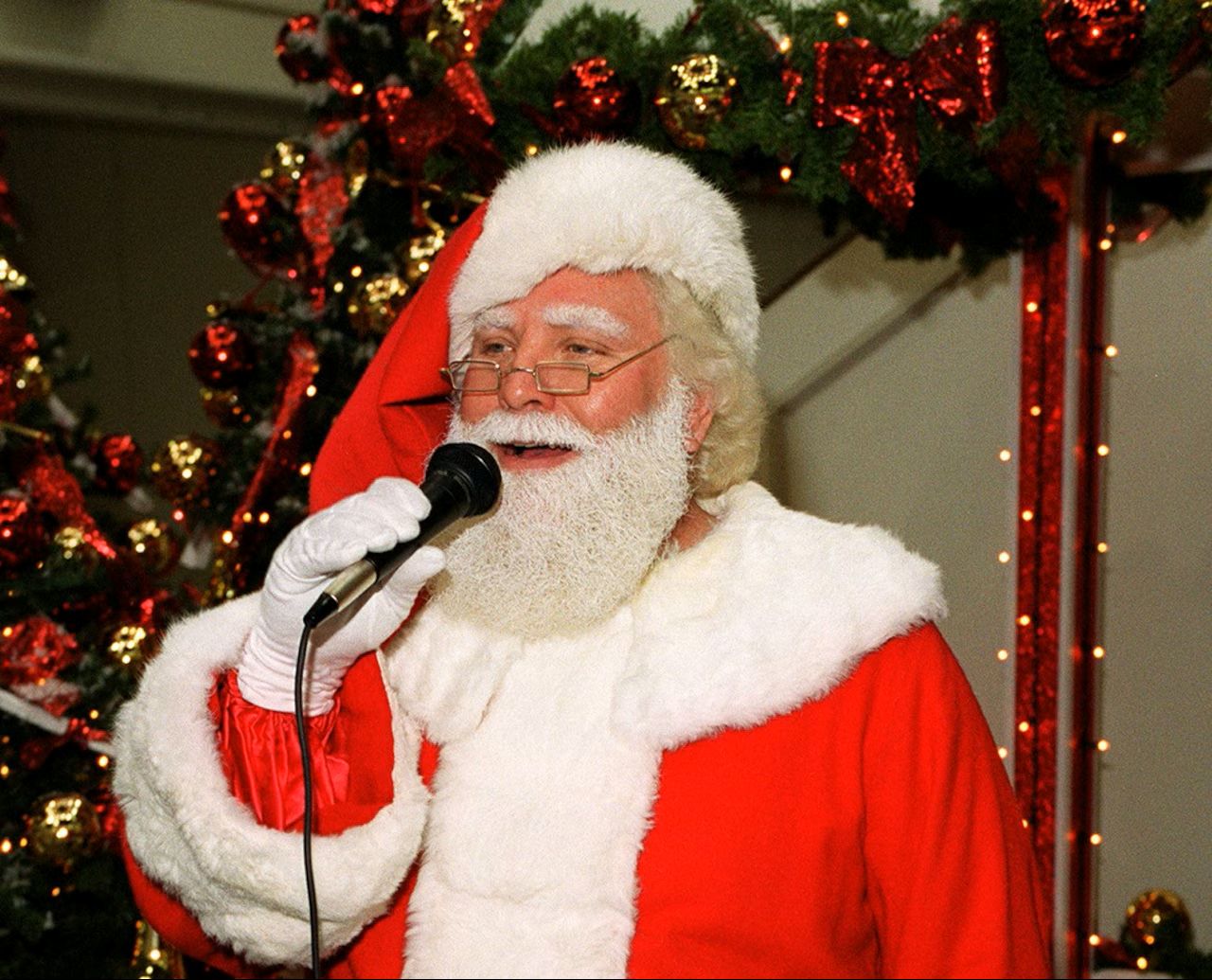
My fondest memories include celebrating birthdays at Farrell’s Ice Cream Parlour with its famous drum roll and free ice cream, enjoying crepes at The Magic Pan, and sitting joyfully as the singing Santa performed during the holidays. Brookwood was where we lived, laughed, and created lasting memories.
Then came 1986 and the grand opening of the Riverchase Galleria. The excitement was palpable as Alabama’s largest enclosed shopping mall opened its doors. The Galleria was a powerhouse from day one, boasting an impressive lineup—Parisian, Pizitz, Rich’s, J.C. Penney, and eventually Macy’s. With over a million square feet of retail space, it meant business.
At the time, I wondered: could both malls thrive just miles apart, both targeting affluent “Over the Mountain” shoppers? It seemed like a retail collision course.
The Decline
History has answered that question. Brookwood Village began its slow decline as shopping patterns shifted. The 1997 opening of The Summit—with its open-air lifestyle center concept—dealt a significant blow. Macy’s closure in early 2022 essentially sealed Brookwood’s fate. Five Guys, the very last tenant, closed in December 2024. Today, Brookwood Village sits empty.
The Galleria has faced its own challenges. Visitation has plummeted 33% since 2019, dropping from 6.3 million to 4.2 million in 2024. Sales tax revenue has fallen 41% since 2007. The Sears store has been vacant since 2019, and Macy’s—the Galleria’s last remaining Alabama location—was listed for sale in August 2024.
The Tale of Three Cities
Here’s where the loser becomes clear: it’s all about government support and resources.
The Riverchase Galleria has Hoover—a thriving city with the financial muscle and political will to invest in the mall’s future. In 2025, Hoover commissioned a comprehensive $200,000 redevelopment study. The result? A bold $241 million, two-phase plan that would transform the struggling mall into a vibrant, walkable mixed-use district.
The vision includes 542 apartments, an 1,100-seat Center for the Arts, 44,000 square feet of new retail, and 44,000 square feet of green gathering spaces. The plan calls for demolishing the vacant Sears and Macy’s buildings and reimagining the Galleria as a modern urban destination.
Hoover’s new mayor, Nick Derzis, has made the Galleria’s redevelopment his administration’s top economic development priority. The city projects this transformation could generate nearly $400 million in new spending, create 156 jobs, and produce more than $9 million in new city tax revenues over ten years. Hoover has the resources, the vision, and the commitment to make it happen.
Brookwood Village has two small cities—Mountain Brook and Homewood. Both are wonderful communities, but neither has the economic scale of Hoover. Mountain Brook owns about 40% of the Brookwood property, Homewood owns just over 50%, and Jefferson County owns roughly 10%. This fragmented ownership has complicated redevelopment for years.
Both cities approved an intergovernmental cooperative agreement in December 2024 to work together on Brookwood’s future—a necessary step, but one that doesn’t change the fundamental reality: these smaller municipalities simply don’t have the financial capacity to fund major redevelopment on the scale Hoover is pursuing.
The most concrete plan. Andrews Sports Medicine has proposed converting the former Belk store into a $124 million, 135,000-square-foot orthopedic clinic. While this represents the first real sign of life returning to Brookwood, it’s modest compared to the Galleria’s grand vision. The remaining acreage will likely be redeveloped as mixed-use, but without substantial public investment, the transformation will be incremental at best.
And the Winner is…
The Riverchase Galleria.
Not because it’s more beautiful or nostalgic. The Galleria wins because it has what Brookwood never had: the backing of a large, economically robust municipality willing to invest heavily in its future.
Hoover understands that the Galleria is more than just a mall—it’s a regional economic engine that has generated hundreds of millions in revenue over nearly four decades. The city recognizes that letting it fail isn’t an option, and they’re putting real money and political capital behind its revival.
Brookwood, despite its charm and place in our collective memory, faces a different reality. Split between two small cities without resources for major public investment, its redevelopment will be slower, smaller-scale, and driven primarily by private developers working within significant constraints.
As I reflect on those childhood memories at Farrell’s and the excitement of the Galleria’s opening, I can’t help but feel bittersweet about how this competition played out. Both malls gave our community so much. But in the end, the winner was determined not by nostalgia or location, but by something far more practical: which mall had a city with deep enough pockets to ensure its survival.
The Galleria’s future is bright—or at least it has the potential to be. Brookwood’s future? It will be something, eventually. Likely something much, much smaller.
David Sher is the founder and publisher of ComebackTown. He’s past Chairman of the Birmingham Regional Chamber of Commerce (BBA), Operation New Birmingham (REV Birmingham), and the City Action Partnership (CAP).
Click here to sign up for our newsletter.
Invite David to speak for free to your group about how we can have a more prosperous metro Birmingham. [email protected]
(Visited 2,669 times, 1 visits today)