Welcome to PIMpod, the podcast from Peninsula Integrative Medicine. Through conversations with our physicians and other experts, PIMpod explores the many ways we can better understand our health, address the root causes of illness, and take a more informed and personalized approach to well-being.
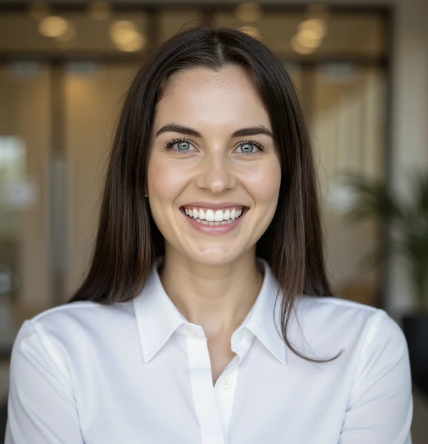
In this month’s episode, host Maya Mazin sits down with Dr. Rebecca Moragne, ND to talk about her work in integrative oncology and the role of integrative medicine in supporting patients throughout their cancer journey. Dr. Moragne shares what integrative oncology support can look like alongside conventional cancer care, with an emphasis on helping patients address the physical, emotional, and lifestyle factors that can influence their overall well-being.
Dr. Moragne also discusses her approach to gastrointestinal and hormonal health. She gives listeners a behind-the-scenes look at what an appointment with her looks like, from understanding a patient’s individual history and concerns to developing a personalized approach to care. Listen and/or read the full transcript below.
Integrative Oncology: Diagnosis through Survivorship | PIMpod S. 1, Ep. 3 with Dr. Rebecca Moragne Transcript
Maya Mazin (MM): Welcome back to PIMPod. Today I am joined with Dr. Rebecca Moragne, who is a licensed naturopathic doctor specializing in women’s health, hormone balance, digestive health, dermatology and integrative oncology support. She earned her doctorate in naturopathic medicine from National University of Natural Medicine, and she also holds a Master of Science in Nutrition from King’s College in London and a Bachelor of Science in Biology from Tufts University. This diverse academic background allows her to combine evidence based nutrition science with functional and integrative medicine approaches. Dr. Moragne practices functional and root cause medicine, helping patients uncover and address the underlying causes of symptoms rather than simply masking them. She is passionate about providing compassionate, personalized healthcare where patients feel genuinely heard, supported, and empowered in their wellness journey. She offers individualized treatment plans as well as in-person and online naturopathic medicine consultations. Thank you so much for joining me today.
Dr. Rebecca Moragne (Dr. RM): Of course, happy to be here.
MM: So first, I would love to learn about what influenced you to pursue medicine. Did you always want to be a doctor?
Dr. RM: Yeah. Good question. I think I was always fascinated by medicine and health. And I think that sort of looked like different things along the way. Like I don’t know if it always meant me being a doctor. And certainly, you know, naturopathic doctor is a whole other unique title. But I think when I was in middle school, I think I was fortunate enough that it wasn’t really until middle school that I was sort of confronted with things that weren’t healthy. So when a family member got sick with cancer, that sort of led me to, you know, have to confront, okay, you know, we’re not, we’re not always healthy. And there is this disease out there that’s called cancer. And it’s really scary and unfortunately really common. And so I think that that led me to, because it affected someone so close to me, it sort of led me to do everything I can to learn about it. So that sort of led to different, different things. And I think through undergrad, I was more focused on biochemistry and sort of that role. And then I really got more into nutrition. And then, you know, my master’s was more from a nutritionist perspective. But then after that, I realized that I wanted more tools to be able to help people with. And I didn’t have the patience for lab work. Tried. It wasn’t for me. Really grateful for the people that do it, but I really wanted to talk to be more in front of patients. And I wanted to utilize more tools than just food, even though that’s certainly a big tool. And so naturopathic medicine was sort of the way where I could still utilize that tool. But as well as, you know, prescription medications, supplements, herbs, lifestyle counseling, all those things. And so that, so it’s a long way of saying, no, I did not always want to be a doctor, but I think it sort of was ingrained along the way.
Integrative Oncology Support vs. Conventional Cancer Care
MM: That’s amazing, and I’m sorry to hear about your family member. I’m curious, you know, you mentioned integrative medicine and oncology, but what does integrative oncology support look like compared to maybe conventional cancer care?
Dr. RM: So I think integrative oncology care is coming in and it’s not replacing anything. It most certainly is not anti-conventional care. It’s more how we can look at what someone’s treatment looks like. You know, conventionally and build upon it. Cancer unfortunately is really often really severe, really aggressive sometimes, and is not necessarily simple. And because of that, we don’t want to just, just hit it with one tool, not just chemo, not just radiation, not just surgery, even though those are really big tools. And so integrative oncology is coming in and saying, okay, what other things can we do to support a person? You know, both before treatment, through treatment and after treatment, trying to increase the effectiveness. There’s things that can help, you know, increase the effectiveness of many chemotherapies.
And then also afterwards making sure that we’re monitoring stuff, you know, maybe, it could be like keeping inflammation really low, monitoring more markers to make sure that that risk reduction is minimized as much as possible. Sometimes we’re looking at, you know, we can never really name one thing of why cancer happened in the first place, but we’re looking at a lot of different risk factors and supporting those. Like a simple vitamin D deficiency is not going to cause cancer. But studies show that it is associated with increased cancer risk. So by targeting a lot of little things together, my job is to sort of build a more comprehensive plan. So I like to think that I’m sort of added to someone’s team. I certainly don’t replace their conventional oncologist, but I add, I’m just added for, for additional support.
MM: That’s great. And I’m curious, you see a lot of patients, right. At what stage in their journeys are most of your patients? Are they in the process of getting diagnosed? Are they kind of post chemotherapy? Do they need some support, kind of where they are in their journeys?
Dr. RM: Yeah, I think a little bit everywhere. I think unfortunately, I have a lot of stage four patients because I think sometimes, earlier on, you know, I think maybe people are not necessarily thinking about adding on additional care. There’s plenty of other things on their table, you know, on their plate. And I think that with stage four, people are a little bit more, you know, trying to think about, okay, what else can I, can I be doing? So they tend to be a lot of stage four in treatment. But what that looks like for stage four patients, sometimes it’s, you know, active chemo. A lot of times people will come to me right before doing surgery just to make sure that they’re set up as much as possible. And then sometimes, sometimes I will have patients who are more just looking at general risk reduction, like maybe they’ve seen their mom go through it or, an older sister. And so they don’t currently have active cancer, but they’re trying to make sure that they can do everything possible to minimize the risk.
Integrative Oncology Services
MM: I know you mentioned you offer so many different services to support patients where they’re at. What are some examples of these services? I know you mentioned vitamin D, what are some other things that you offer?
Dr. RM: Yeah. Good question. Well, there’s some, you know, depending on like all when I have a cancer patient, I’m really personalizing their care. So we’re looking at what chemotherapy agent they’re on. What specific cancer they have. And then we’re running a bunch of a bunch of labs to look at a lot of stuff. So if a patient maybe has elevated blood sugar, maybe it’s pre-diabetic, maybe it’s even diabetes, we’ll add on metformin because metformin is a prescription medication that we usually only think about for type two diabetes, but it does have some off label benefit for, for cancer support. So that’s sort of one thing like high dose omega threes, which are, you know, what we think of more of like a fish oil, you know, walnuts, chia seeds, salmon, anchovies, we’ll do those in high doses through radiation because they can really support, support increasing radiation effectiveness, but also help skin health and energy through that. Even that can actually be one that helps reduce joint pain. That’s from tamoxifen, which a lot of people after breast cancer will go on for like three to five years. So it really, really varies.
I’m trying to think of some additional ones, you know, sometimes it’s, like from a gut microbiome approach, making sure that that’s supported, you know, so much of our immune systems, it’s making sure we’re having that regular bowel movement every day by increasing fiber. Other times, we’re doing a gut microbiome stool test to further personalize that as well. So it really looks different for everyone, but also personalize, you know, if someone has, uh, say they’re going through chemotherapy and having really bad mouth sores, you know, we might do something different. Like I might change a couple things that maybe we wouldn’t do if they weren’t having mouth sores, because, you know, swallowing pills or other things does not feel good when it is painful to swallow. So we’ll sort of prioritize other stuff.
Hormone Balancing and Digestive Care
MM: Thank you, and of course you do a lot of work in integrative oncology, but you also have patients with hormonal or gut issues. What is your approach to diagnosing and treating these conditions, especially when their labs from conventional practices seem normal, but they’re not feeling good?
Dr. RM: So usually with hormonal health, it can be anywhere from, you know, a young teenager who’s more dealing with irregular cycles or, it could be something like PCOS/PMOS. Sometimes we’ll even see something like premature ovarian insufficiency or failure. That’s like really, really early menopause. And then sometimes we’re looking at patients who are going through perimenopause and menopause and supporting hormone therapy or not hormones through that. And I always think I have a patient who we do hormone labs on a specific day of someone’s cycle when they’re a little bit the quietest and most stable, just to see where things are. And she was having all these symptoms and she came in and she was really disappointed because she looked at the lab ranges and she was like, none of them flagged irregularly.
And I was like, well, we have these ranges that are incredibly large, you know, for say estrogen. It might be anywhere from, you know, twenty to four hundred that we’re looking at. But for you and your age and where you are in your cycle, we have a much narrower range. And we’re also thinking about future fertility. If they’re trying to conceive, then that even narrows it down even further. So for her, she was an example of really early, really early menopause. And so her levels were off from where we would expect for someone in their twenties. So, I always think of it like we’re trying to, we’re trying to personalize it as much to where someone is and having an irregular cycle, you know, sometimes people refer to a menstrual cycle as like that fifth vital sign. It is such an important thing. Sure, there’s a little bit of, you know, it doesn’t have to always be like twenty eight days on the cycle, you know, to the month or to the day because not everyone has that, but there is a little bit of a range of where we want it. So that’s sort of what we’re, what we’re looking at, supporting symptoms. No one should have to have painful PMS or painful menstrual cramps. Even if it’s common does not necessarily mean that it is normal or healthy.
For GI, people can have really significant stuff like irritable bowel disease, such as ulcerative colitis or Crohn’s, but then other people can have, you know, disruptive constipation or bloating. That’s not necessarily enough to reach a diagnosis of something that’s more of an inflammatory bowel disease, but it doesn’t necessarily mean that those symptoms aren’t disruptive or deserve attention. So for some of them, we might find a bacterial overgrowth. Other times that gut lining has been damaged. Sometimes people can throw around the word leaky gut, and it is something that does have research on and has been, you know, you can look at the microscope, you know, look in a microscope at these, images of your gut lining wall, you know, should be, should be nice and tight. But when there’s been damage to it from stressors, whether that be physical or emotional food sensitivities, allergies, food poisoning, sometimes can damage that gut lining. And then that causes further inflammation that then causes further symptoms. Sometimes people will say, you know, “I have IBS” and I’m like, well, that’s a condition where we’re just ruling out other things and then we just slap that label on it. But that doesn’t necessarily mean that that’s something someone has to be stuck with for years. So I sort of, I think both with hormonal and GI stuff, even if you don’t necessarily reach, even if it’s not necessarily like a “disease”, doesn’t necessarily mean that it doesn’t deserve support and attention and that it cannot be fixed.
What to Expect Working with Dr. Moragne
MM: That’s incredible. I love your focus on personalization and root cause, and I think you touched a little bit upon this, but like a lot of your work focuses on the root cause and on patient empowerment. So what can a patient expect? Who, let’s say they’ve been going to a conventional practice. They’re not feeling great. Let’s say they have GI issues, you know, but normal labs. What can they expect when coming to you? What does that process look like?
Dr. RM: I ask a lot of questions. I think my first appointments are an hour long and we’re sort of diving into everything. So we’ll, we’ll go through, you know, the review of systems. So we’ll touch on a little bit of everything. I want to know what you’re eating, what your stressors are, how you’re sleeping. They all make a difference. For better or for worse, it would be nice if a bad night’s sleep didn’t affect us so much the way that it can. And then usually I will often do a nice big set of lab work at the beginning just to sort of get a big, big look at everything to make sure that we’re not missing anything. And through those labs, I try to do as much as I can with education, because I’m doing these labs for a patient. So I will walk through all of them and talk through, okay, this is what looks good. This is what needs improvement. This is why I think things look good. This is why I think things, you know, need improvement and this is what we’re going to do about it. And then I will usually say, okay, this is what we’re going to do about it. And this is when we’re going to follow up to make sure that it’s doing what it’s supposed to, you know, say, I might put someone on B vitamins, but there’s a condition where people don’t necessarily absorb oral B vitamins. So I always follow it up and make sure, okay, let’s make sure that that lab looks like that, you know, deficiency was treated. Even more importantly sometimes than labs are, the patients are feeling, feeling good as well. I’m really lucky to have a lot of time with patients. So that’s a big difference from maybe some other other providers. And I like to think that, with that time, patients have the space to share everything and have all their questions addressed or everything that they wanted to talk about at least discussed.
Practicing Integrative Oncology in Palo Alto, CA and the greater SF Bay Area
MM: That’s amazing. Thank you for sharing. And I know you recently joined Peninsula Integrative Medicine. How does this experience compare from your previous work and what are some of your goals or some things you’re excited about with this new experience?
Dr. RM: Yeah, so I am new to Peninsula integrative. I grew up in Palo Alto. So this is sort of coming back to back to the area where I grew up. And, I’m very excited. And it’s, it’s similar to how I’ve been practicing. I really value being in a group practice because you do have other providers to collaborate with, share ideas with. We all, I think, have our own strengths and weaknesses and that’s really great. You know, each naturopathic doctor, each other type of doctor, any type of provider, we’re not supposed to do it all. And we certainly shouldn’t try and do it all because that’s so much information to know. And so being able to utilize each other and, you know, sometimes, I might have an idea and it’s really nice to say, do you agree with this? Would you do anything differently? It is really valuable. So, yeah, similar, but in a location that means a lot to me.
MM: That’s great. I’m so excited that you’re part of PIM. I know medicine is always evolving and I think the field of integrative medicine is also always evolving. And so I’m curious with that in mind, have you faced any challenges as a naturopathic physician in healthcare?
Dr. RM: Yeah I think information is always changing. And especially in the Bay Area, our patients are incredibly educated. So, that’s great, because it also challenges me to keep up with stuff. So sometimes there’s always new medications or new testing and sometimes what’s available to prescribe might not be available yet. You know, sometimes the patient will be like, well, what about this medication? I’m like, that’s great. That is not you know, it’s not yet available at pharmacies. But I will make sure that I’m, I’m on top of it. And then, that’s a little bit from a prescription medication standpoint, but in terms of other tools, we’re also growing a lot with research. So I’m often cautious with interactions, so I most certainly make sure that any time I prescribe something alongside someone’s chemo or radiation, it’s safe, you know, or immunotherapy agent is really safe to do so.
But, we’ll often have emerging research come out that actually opens up what we can utilize. So sometimes there’s something maybe two years ago that I wouldn’t prescribe alongside that. Now it is safe to do so. So I try to make sure that I am regularly checking through the list. So it’s always a challenge, but it’s a really good challenge because it makes sure that I’m not ever stuck in my ways or I don’t stay the same with the same things. I think also with personalized care, what I do changes every single day, multiple times a day, and sometimes I’ll do something with someone one week that makes me think of someone two weeks ago. So then I’ll reach out to them and say, you know, I’ve got another thing I want to think about us utilizing. So I think, the amount of tools and research that we have growing is great, but it also sometimes can be overwhelming because you can, you know, never keep up with it all.
Advances or Innovations in Integrative Oncology
MM: Yeah, that sounds incredible, but very difficult. And with that in mind, also just looking ahead, are there any advances or innovations in integrative oncology or integrative medicine in general that you’re most excited about?
Dr. RM: Ooh, that’s a good question I think with a lot of cancer care, there’s a lot of new things coming out, new therapies, new surgeries, not even things that I’m utilizing, but like there’s a new robotic surgery used for a double mastectomy in the Bay Area. So, I mean, of course I’m not the one doing that, but I think it’s so fun to be aware of it and see, and there’s stuff like high dose of vitamin C for pancreatic cancer, which integrative oncology practitioners and doctors have utilized for a long time for pancreatic cancer, which is incredibly difficult, and incredibly difficult to treat. But there’s more, I think it’s University of Iowa or Michigan, but you know, they have their school, they’ve been doing research on it, and so because of that, sometimes it means this treatment is more accepted by MD oncologists, and so that’s really great. So even though it doesn’t necessarily change what we know, there’s more validation and evidence behind it. So, that can grow. And if we could get things to one day, you know, be covered by insurance and all that kind of stuff would be great. So I don’t think I have a specific answer for you, but it’s always fun to see what’s in the works.
MM: For sure. Thank you so much. And with that, thank you so much for joining me on today’s podcast and for all the amazing work that you’re doing.
Interested in Working with Dr. Moragne?
Request a 10-minute complimentary consultation, give our office a call at (650) 485-2758 or send us a message, and one of our Patient Care Coordinators will assist you.