The Municipal Library is a Library—A Conversation with Julie Robbins — NYC Department of Records & Information Services

Shawn(ta) Smith-Cruz: Julie, Ken may already know this, but I’m new. Tell us what brought you into the Municipal Library.
Julie Robbins: I worked as a lawyer for many years until I finally smartened up and realized that it wasn’t what I wanted to be doing. I was already quite mature and decided to go to library school. I think I may have been by far the oldest in my class, but it was great. Then I noticed an internship posting for the Municipal Library. I applied, and I never left.
Ken Cobb: The Municipal Library is a library, obviously, and it is open to the public. But it is not a public library. Tell us how that informs the operation of the library and or the services.
JR: The last commissioner, Pauline Toole, had a very strong commitment to having the Municipal Library be fully open to the public. That does inform how we handle the reading room, for instance, because walk-ins are still allowed and encouraged to come in. There were times when that made us more like a branch of the New York Public Library. Our rules and regulations for use are informed by what a regular public library has to put in place for safety, and so on.
SSC: Tell us about the GPP. What is it? What is it good for? And what have you done for it?
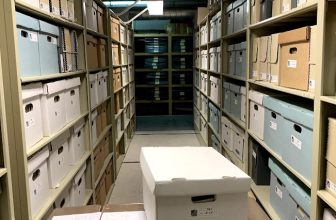
JR: The Government Publications Portal! I’d say I’m “cheerleader in chief,” probably. Joel Castillo was the head of applications development. He started here when he was in college and went on to head the applications development team. Early on in his tenure, he wrote the code to create a digital library. And so, the government publications portal is a digital library. And we are actually tasked by the charter to maintain a digital library of the City’s publications. It used to be that the charter required every agency to send us four copies of every single thing they published. But the agencies gradually phased out paper publications, and we started not having room for all the hard copy.
SSC: What’s the status of the GPP now? How can it grow?
JR: Oh, it can get a lot better. Our search is a little wonky. It’s a little too thorough, but better too thorough than not, I suppose. Our user experience, both for the agency submitters, and for the public, is in need of a tune up. We haven’t linked WorldCat to the digital items. Our regular catalog Koha, which is powered by Bywater, is available in WorldCat. At some point, syncing the GPP would make both discoverable. I don’t have the technical chops to do that myself, but somebody probably does.
SSC: I’m curious about reference work. Explain to me the reference ecosystem.
JR: Differently than archives, as it relates to the library, it’s actually fairly straightforward. You show a researcher the library catalog. We either have it or we don’t. We pull it for them. One thing we do find often is that researchers access our collections through the Archives. They know the Municipal Archives. It is better known than the Library. So sometimes we have to, like, chivvy our Archives’ colleagues into making sure that researchers know that there are published materials from the agency that they want, and it’s not just the archival material.
KC: The Municipal Library is more than just the GPP. Maybe you could tell us about some of your favorite library publications or items you think our readers would be surprised to know are in the library.
JR: I would say one interesting thing is that almost every mayor had a sort of a “pet topic” or nurtured a particularly fun thing. For example, [Mayor William] O’Dwyer, liked the fashion industry. And LaGuardia has this whole section about civil defense activity because he served during wartime and the Feds appointed him to do emergency work.
KC: And then there are the vertical files!
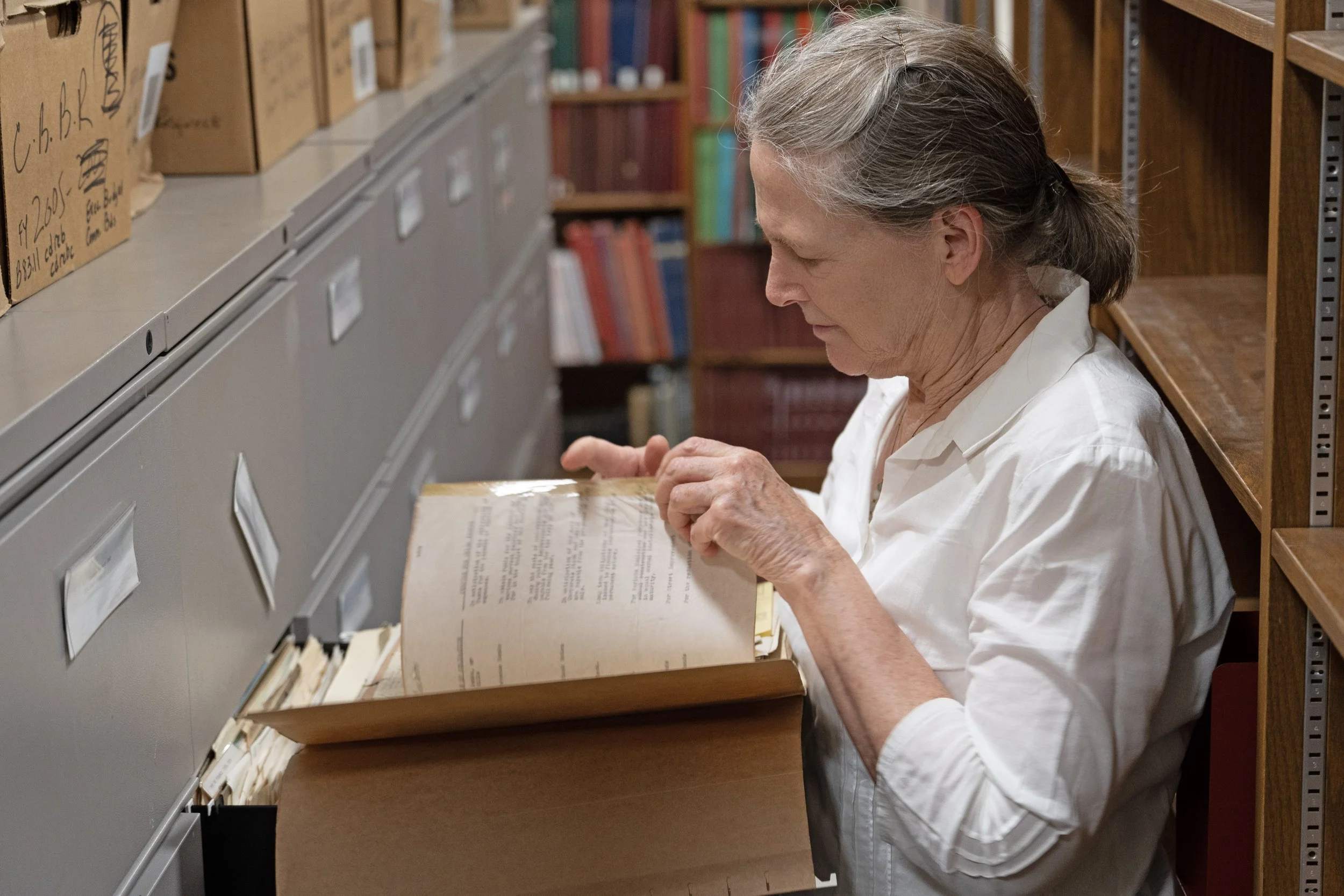
JR: The vertical files are so cool!
SSC: I know about this collection.
JR: Yeah, yeah! The librarians gathered campaign brochures and informational materials. The political ones I find particularly amazing, all the way from 1927 to the ’80s. Here’s an example you can research: what role did the German Bunds play in the 1920s political situation in New York?
KC: The neighborhood files are good, too.
JR: And the neighborhood files are really good, too. Yeah.
KC: And the biographical, they have a whole section.