Article begins
We started the Rowasu’u collaborative digital archive—a project that returns decades of anthropological research materials to the communities they document in Central Brazil—in 2023. Our A’uwẽ (Xavante, Indigenous) collaborators are used to projects that are proposed but never started, launched but fizzle as institutional priorities shift, or take years for regulatory approval. The leaders of the six participating A’uwẽ communities are experts in the landscapes of government projects, NGO initiatives, and the fickle interests of Brazilian and foreign researchers. Experience with waiting, however, has not made the NSF’s April 2025 cancellation of our three-year collaborative research award any less difficult (or detrimental) for them, us, or the project. The defunding of Rowasu’u awakened a familiar and strange temporality: suspension.
For us, the non-A’uwẽ project team members, waiting is familiar, but the starkness of our defunding was a shock that ushered in an unsettling phase of uncertainty. At a time when austerity and precarity are reconfiguring careers and research, suspension entails contradictory, confusing, and at times unexpected affective challenges. The cancellation means loss of focus and momentum. Moreover, with each passing day, delays mean the very real risk that another elder knowledge-holder may pass, together with the wisdom that community researchers seek to protect and strengthen.
Credit:
Rosanna Dent
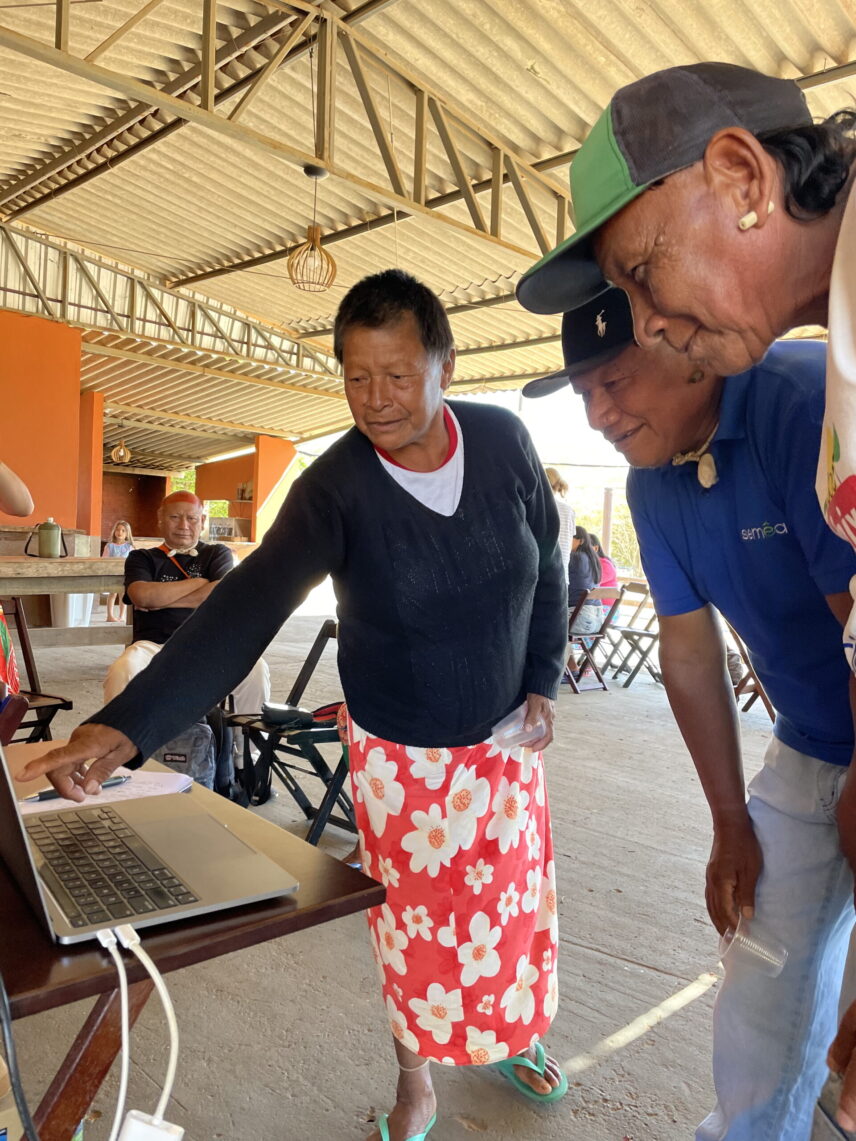
Left to right: Wautomonini’õ Xavante, Serepapa Xavante, and José Tserewatsi Xavante look at digitized material from the 1970s on a laptop during the Rowasu’u project launch, July 2023.
Credit:
Laura R. Graham
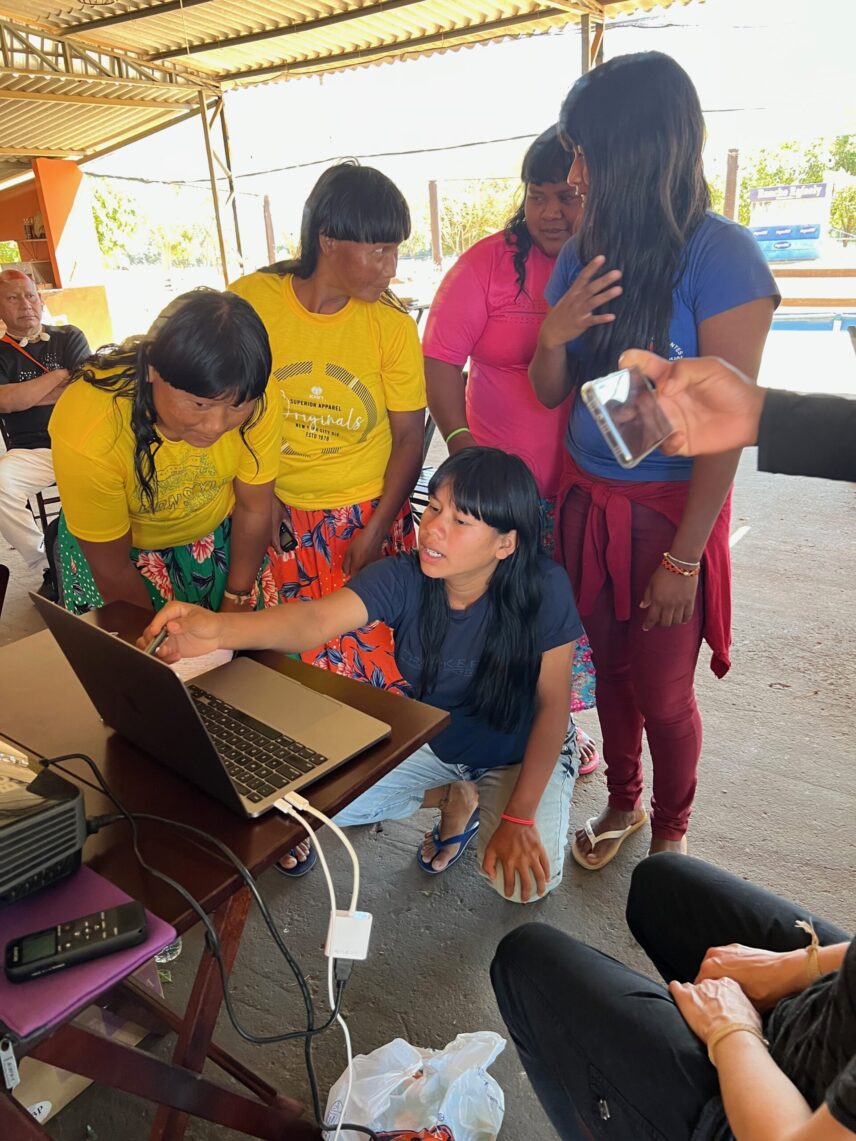
Clockwise from left: Cecília Xavante, Denise Wautomonini’õ Xavante, Josi Wauto Xavante, Karielly Wautomozate, and Iracema Penewe during the Rowasu’u launch in July 2023. Photo by Laura R. Graham.
We had already had a long wait to begin. A year of regulatory delays followed five years of consultation and two years of grant writing during the pandemic. We finally launched Rowasu’u in July 2023. Our opening event made the wait worthwhile (figures 1 and 2). As we shared slideshows of photos from the 1970s, it immediately became clear that the digitized materials offered a forum for young A’uwẽ researchers to engage their Elders with curiosity. We explored how the Mukurtu platform would allow them to enrich historical photographs, audio recordings, and researchers’ publications with contemporary A’uwẽ perspectives. Members of the A’uwẽ Oversight Committee extolled the potential Elders saw in this repository of history and traditional knowledge: it would be a resource for future generations and cultural continuity. We and they were ecstatic with the communities’ engagement; our first days were marked by discussions of photographs of ceremonies that had not been practiced for decades and conversations about what kinds of materials might support the enduring fight to protect land and livelihoods.
With the NSF funding, we introduced a prototype of the archive and began training the twenty A’uwẽ researchers who were nominated by their communities (figures 3 and 4). They learned to use digital technologies for recording and archiving elders’ narratives. The communities formed an oversight committee consisting of elders and leaders who provide guidance and decision-making authority over the archive structure, contents, and community participation. Over five periods of fieldwork, we prioritized digital literacy and the work of building a slow archive together.
Credit:
Rosanna Dent
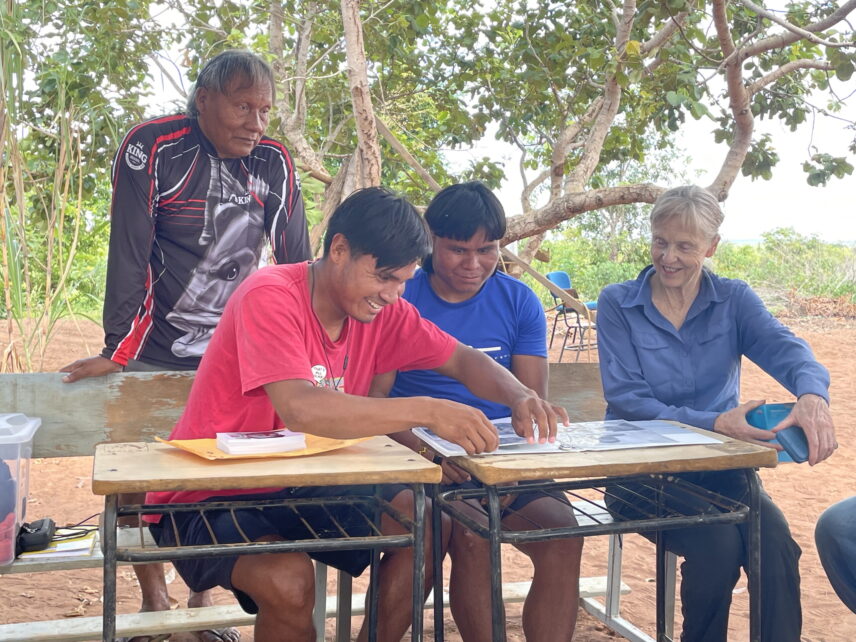
Left to right: Huata, Leoni Bruwa’a, Romildo Tsereté Xavante, and Laura R. Graham working with printed copies of anthropometric photographs from the 1960s during project training in December 2023.
Credit:
Rosanna Dent
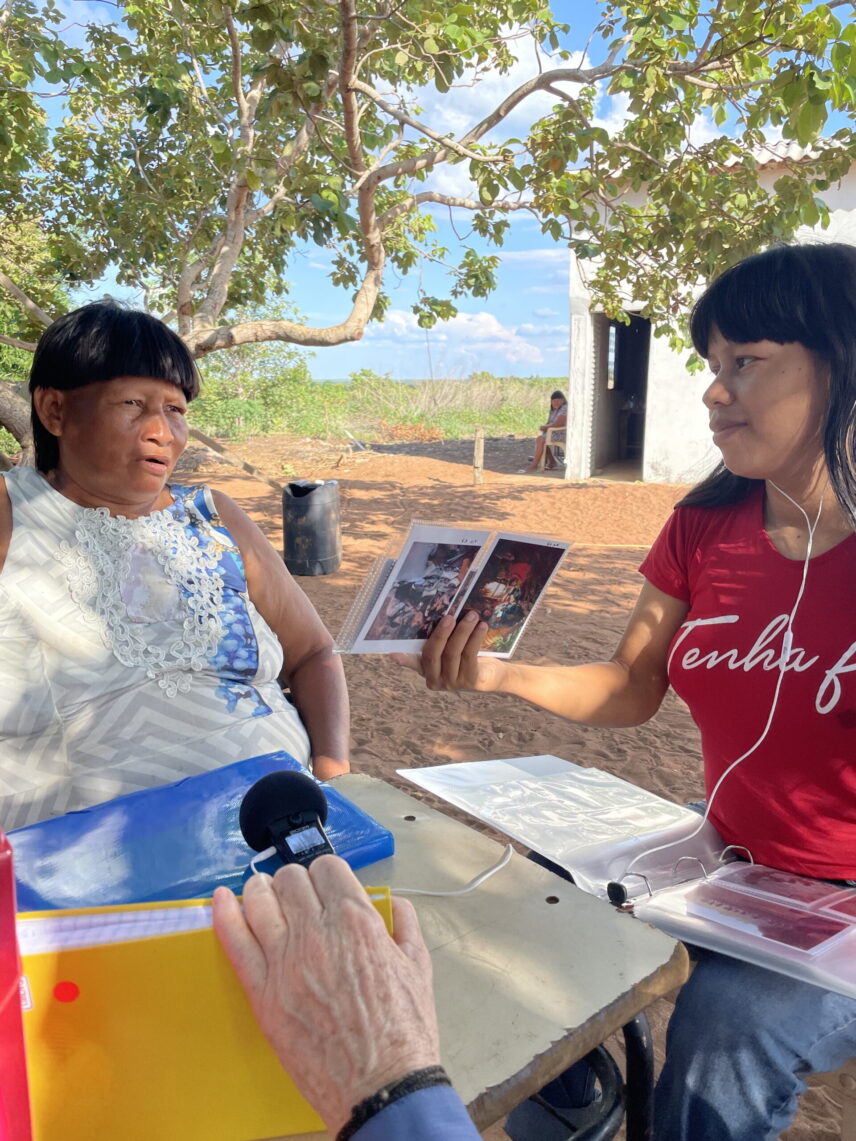
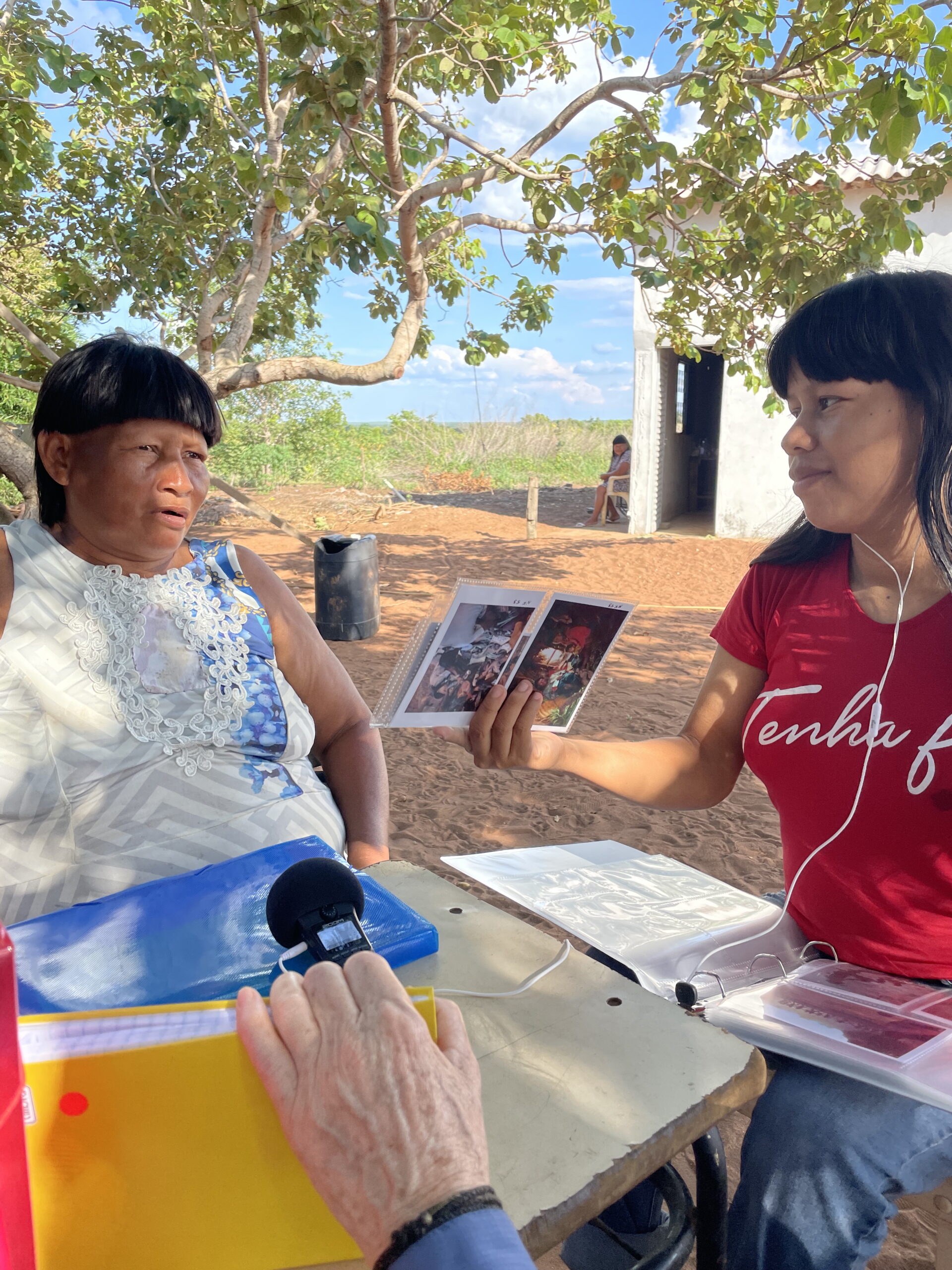
Talita Tseadzanio Xavante speaks about a printed photograph while Iracema Penewe records during a training session in Aldeia Novo Paraíso in December 2023.
When we received the cancellation on April 18, 2025, it shocked us, even if we ought to have seen it coming as DOGE publicly set its sights on cancelling projects that used language related to social justice and race. Abruptly, with one of us in the middle of an archival research trip, our plans and ability to follow through on our commitments were thrown into question. We were forced to call off upcoming fieldwork, frustrated by processes related to federal terminations, and forced to notify our A’uwẽ team members that expected salaries would not arrive. Incredulity, disappointment, and anger commingled with a sensation of mid-air pause. For all the momentum that we had finally built, would the communities trust us to continue to steward the project and the collections through a period of suspension? Would our conviction about the necessity and urgency of the work manifest in new funding, and on what timescale? It became challenging to bring the future of the project back into focus.
Community members’ and leaders’ responses to the defunding have been multiple and heterogeneous. Despite our best efforts to convey our continued dedication, many are confused about the project’s future. Some interpret the sudden change as “business as usual” for any project with warazu (non-A’uwẽ). Others accept the suspension with resignation. They see the disappearance of funding as yet another inevitable delay associated with collaboration. For many A’uwẽ project members, the funding cut has been hard to disentangle from the idea that the project itself had been called off. Although we had really just begun to implement a vision of a long-term ongoing collaboration, years in the making, some A’uwẽ have interpreted the unfunded interlude as the project’s end. One leader even asked us to return to T.I. Pimentel Barbosa to hold a project “closing ceremony.” The project was something to commemorate with celebration, even if its successes barely scratched the surface of its potential.
The cancellation unsettled carefully negotiated relationships of trust and obligation along well-worn paths. Our fight now is to ensure that Rowasu’u does not join the ranks of other abandoned, sometimes-damaging projects that A’uwẽ are familiar with. One community still hosts a cement building, the remnants of a planned documentation center that was built but never finished. A lawsuit against the construction company may or may not still be languishing, but the publicly funded museum behind the project has moved on and reallocated funds following a change in federal administration. Development projects have promised profit and food security, only to leave similarly transformed landscapes and diets in ruination. We worry that the rapid, unanticipated funding interruption may put us into the undesirable category of those deemed “untrustworthy.” These are often outsiders who arrived in communities unbidden, full of good intentions but replete with unrealistic promises and expectations. (Is that us too, now?)
Credit:
Caio Bibiani
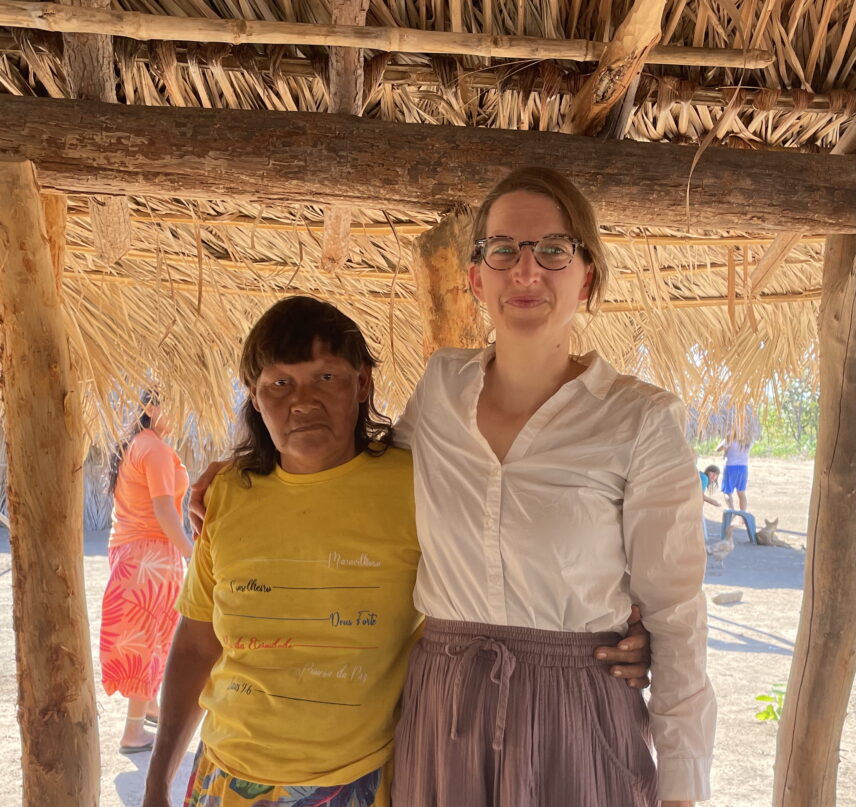
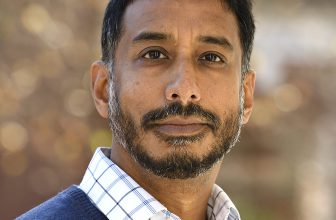
Angélica Wautõmõ’uptabi’õ Xavante and Rosanna Dent in Aldeia Sõrepré, July 2024.
On April 12, 2026 almost one year after the defunding of our work, Angélica Wautõmõ’uptabi’õ Xavante passed to the realm of the ancestors (figure 5). Far too young, only 58 years old, she was mother and aunt to two of our researchers. She joined a number of other elders who have passed since the project began. In the community of Sõrepré Angélica was one of the people who had recorded the most memories and reflections during the funded portion of the project. She spoke of traditional foods, women’s labor of cotton spinning, and ceremonial life. Angélica led project researchers to document collecting practices for edible tubers of the cerrado (Brazilian savanna). She took with her to the next world a lifetime of wisdom and embodied skill. While recordings of Angélica’s voice are precious supplements to our rich memories of her, they are also reminders of what else might have been had we been able to follow the momentum of our work. The sensation of suspension is of pause, of interruption, of uncertainty and frustration, but it is also one of profound loss.