By
Sagarika Raje Wadiyar
MA Material and Visual Culture
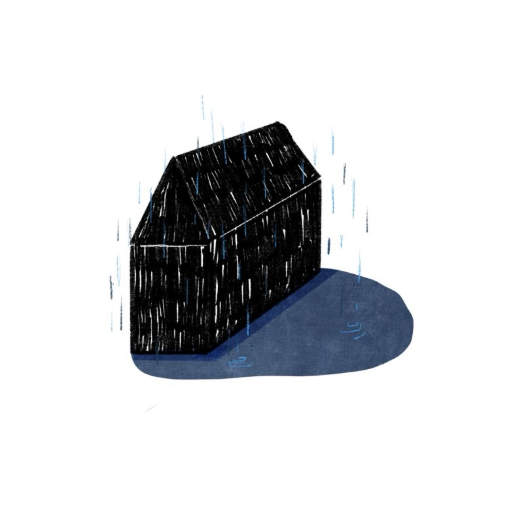
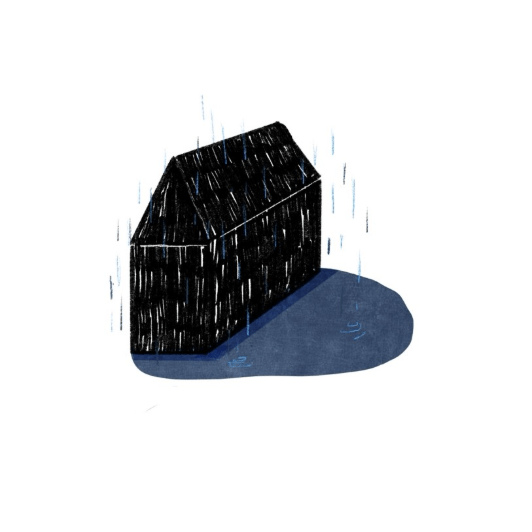
every day, everywherewe stand in a house of loss
residing under a shelter of pain
of grief
of heartbreak
of shame
in the (dis)comforts of one’s tears
that glide down a face,
carved so carefully
by the gods and goddesses of sorrow themselves
these tears fall on tiled floors,
the footprints of the past still visible –
like paw prints engraved in wet cement.
in cupboards creaking,
the crevices of golden brushed wood emanate fabric scents
some sweat-lingered, still unwashed
it is too soon –
a whiff of memory that is old, special, and familiar
to be replaced by a fragrance soapy, fresh, new.
it is too soon, it can wait.
by the window,
a visit by feline friends awaiting their companion –
a homebody; shy and lazy, and uniquely mischievous
through sun-tinted window cracks,
the insides of this house reveal
toys, trees, food and water bowls empty –
an absence that fills the living room.
couches and pillows dusted with calico hair –
a pillow cover of its own, one that is woven with remnants of a lost love
these feline friends leave with questions perhaps unanswered –
their final visit marked.
silhouettes in circular mirrors, two anchored to the bedroom walls
the stare of a numb, yet indifferent guise,
with ears adorned but,
by an incomplete pairing –
with one hole naked, from the other hangs an earring; diamond-shaped, a mirror attached.
sun rays bounce off mirrored surfaces,
the trials and tribulations of finding the lost earring permeate through a hole
in the heart of the figure who has lost.
this ‘lost’ earring is, perhaps
buried under the rubble of dismantled shelves –
a clutter, uncleaned with flying dust.
the presence of safety once felt remains broken by bedroom corners.
yet, to escape from these enclosures of painful memory is a change
too difficult –
there is an unexplained, strange comfort in this chaos.
the kitchen walls show framed illustrations of food –
always cooked with love and care.
the lit stove fires remember and remind –
the souls of happiness that put together recipes of
warmth and delight.
the cabinets converse with fridge magnets.
tired of unfinished meals delivered,
they remain witness to the gradual
deterioration of pans and pots –
once carrying purpose, now engulfed in mahogany dust.
adjacent,
floral-draped shower curtains conceal a waterlogged bathtub.
drains clogged by falling hair,
the water marbled.
stagnant like the days,
the water is symbolic of unpleasantries
too weighty to let go of.
this washroom,
ivory-tiled and lavender–scented,
completes the house of loss.
its pillars hold the weight of change
of hurt, of isolation
this house of loss envelops all,
in the heaviest of moments
and the lightest
it carries memories
and feelings
and souls
embodied by mere tangibles –
no more does this feel like a home,
but a house that is collectively resided in –
an emotion – universal – that brings together ‘residents’ of a feeling so disorienting
a feeling which,
placed under sheltering ceilings,
still promises healing.
In anthropology, the house is never just a shelter. It is memory made spatial, the domestic as archive where presence lingers. Time lives in objects, like the scent of unwashed fabric, in hair left on a pillow, or a missing earring. The house of loss moves through a house, room by room, tracing the material residue of grief and the way past and present coexist rather uncomfortably after a loss. It sits with the kind of inheritance that lingers, and is too painful to wash away, for grief to lift, for time to move, and for what remains to simply be.
This piece is a response to Temporalities, the theme of our 2026 print issue, which you can read here.