(Senior Editor)
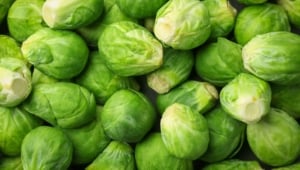
Brussels sprouts are a wrongfully demonized vegetable – with the right tips, they not only taste good but are also a real treat for your body. We’ll explain how you can cook and prepare Brussels sprouts and reveal why they’re so healthy.
With their characteristic slightly bitter taste and delicate texture, Brussels sprouts have found a firm place in numerous traditional dishes, also because they can be prepared in many different ways.
What Brussels Sprouts Are

What Brussels sprouts are
Brussels sprouts are a vegetable from the cruciferous family.
Although sprouts aren’t always a hit, especially with younger people, the vegetable is packed with a multitude of vitamins and fiber.
In this chapter, you can read about the nutritional values of Brussels sprouts. We’ll also tell you how to store them properly.
History of Brussels Sprouts

History of Brussels sprouts
Brussels sprouts originated in Belgium, where they were first cultivated in the 16th century.
The modern form of Brussels sprouts developed particularly around the Brussels area – which is why the vegetable is also known by its city namesake.
Since then, they have established themselves as a popular vegetable in many parts of the world.
Over time, Brussels sprouts became an important part of European cuisine. They enjoy great popularity, especially during the fall and winter seasons.
Nutrition Facts and Calories of Brussels Sprouts

Nutrition facts and calories of Brussels sprouts
Brussels sprouts have numerous vitamins and nutrients that are important for good health.
In 100 grams of raw Brussels sprouts, you’ll find the following nutritional components:
- Calories: 43 kcal
- Carbohydrates: 9 grams
- Fat: 0.3 grams
- Protein: 3 grams
- Fiber: 4 grams
With an average of 43 kilocalories per 100 grams, Brussels sprouts are low in calories and are excellent for a conscious diet.
Storage and Shelf Life of Brussels Sprouts

Storage and shelf life of Brussels sprouts
To maintain the freshness and quality of Brussels sprouts, you should follow a few storage tips. It’s best to keep your Brussels sprouts in the refrigerator.
To do this, pack the Brussels sprouts in either a plastic bag or a plastic container.
Don’t forget to add a damp cloth to the container – this will keep your Brussels sprouts fresh even longer. The optimal storage temperature is between zero and four degrees Celsius.
Important: Don’t wash your Brussels sprouts before putting them in the fridge. This makes them spoil faster. You should also remove any damaged leaves. For the best taste, you should consume your Brussels sprouts within three to five days.
Buying Brussels Sprouts

Buying Brussels sprouts
When buying Brussels sprouts, you should look for firm, green heads. The leaves should be tight and not wilted. Avoid sprouts with brown spots or mold.
Ideally, you should go for sprouts that are compact and firm. Also, pay attention to the stems – they should be neither dry nor woody.
Try to buy seasonally and organic to keep the environmental impact low. You can find Brussels sprouts in supermarkets, at farmers’ markets, and in organic stores.
Common Mistakes When Preparing Brussels Sprouts

Common mistakes when preparing Brussels sprouts
In this chapter, we’ll briefly explain the mistakes that can happen when preparing Brussels sprouts. You’ll learn how to do it right in the next chapters.
- You cook the Brussels sprouts for too long, and they become mushy.
- You cut pieces that are too large, and the sprouts take too long to cook.
- You use too much heat, and the Brussels sprouts burn.
- You don’t season your Brussels sprouts enough.
- You don’t wash the Brussels sprouts before cooking.
- You don’t score the ends of your sprouts, and they cook unevenly.
- You don’t blanch your Brussels sprouts.
How to Cook Brussels Sprouts

How to cook Brussels sprouts
Brussels sprouts are a delicious and healthy side dish that you can prepare in various ways. However, Brussels sprouts are usually boiled. Here’s how it works.
Preparing Brussels Sprouts

Preparing Brussels sprouts
First, prepare the Brussels sprouts: place them in a bowl of water, swirl them around a bit, and then let them drain.
Alternatively, you can, of course, rinse them again under running water.
Then, with a vegetable knife, cut off the stem and remove any remaining outer, coarse, or wilted leaves. Afterwards, make a cross-shaped cut in the stem, which makes cooking easier.
How Long Brussels Sprouts Need to Cook

How long Brussels sprouts need to cook
After preparation, put a pot of water on the stove. To optimize the taste, you can also add a little salt and sugar to the water.
Now add your sprouts to the water and let them simmer for about 10 to 15 minutes. The exact cooking time depends on the size of your sprouts.
It’s important that you neither undercook nor overcook your Brussels sprouts. Otherwise, they will be either too firm or too mushy.
Therefore, check a sprout for consistency in between. Finally, drain the Brussels sprouts in a colander, and then you can either process them further or serve them directly as a side dish.
Blanching Brussels Sprouts

Blanching Brussels sprouts
Like many other vegetables, you can blanch Brussels sprouts. This preserves their rich green color and also makes them easier to process further.
To blanch your sprouts, bring a pot of salted water to a boil. Now add the Brussels sprouts and let them simmer for about three to four minutes.
In the meantime, you should now prepare the ice bath. Fill a bowl with cold water and ice cubes.
When the cooking time is up, immediately transfer your sprouts to the ice bath and leave them there for about a minute. Finally, you just need to drain the Brussels sprouts, and then you can process them further. Alternatively, they can also be frozen after blanching.
Tips for Preparing Brussels Sprouts

Tips for preparing Brussels sprouts
Brussels sprouts can be prepared in various ways. You can not only boil them but also, for example, pan-fry them or bake them in the oven. You’ll learn how to do that and how to season Brussels sprouts in this chapter.
Pan-Frying Brussels Sprouts

Pan-frying Brussels sprouts
To pan-fry Brussels sprouts, you should first clean the sprouts, trim the stem, and remove the outer leaves. Then wash the Brussels sprouts thoroughly in a colander.
To make the Brussels sprouts cook faster, you can cut a cross into the stem.
Heat some oil in a pan, add the sprouts, and fry them, stirring occasionally, until they are golden brown. The Brussels sprouts should remain al dente. You can then season them with salt and pepper.
Baking Brussels Sprouts in the Oven

Baking Brussels sprouts in the oven
Brussels sprouts can also be deliciously prepared in the oven. After you have cleaned, washed, and drained the sprouts, spread them in a baking dish or on a baking sheet lined with parchment paper.
Drizzle the Brussels sprouts with a little olive oil and season them with salt, pepper, and desired herbs. You can also sprinkle a little sugar over them to slightly mellow the cabbage flavor.
Bake the Brussels sprouts in a preheated oven at 180 to 200 degrees Celsius for about 20 to 30 minutes – until they are lightly browned and crispy.
Seasoning Brussels Sprouts

Seasoning Brussels sprouts
Brussels sprouts can be nicely enhanced with various spices and ingredients. Popular combinations include, for example, Brussels sprouts with bacon bits, chopped nuts, or almonds.
You can also add apple pieces to create a sweet and sour note. For a creamy version, it is recommended to bake the Brussels sprouts after cooking in a sauce of cream or crème fraîche and cheese.
Be careful not to over-season the Brussels sprouts, otherwise, their actual taste will be lost.
Other suitable spices and herbs are:
- Thyme
- Rosemary
- Garlic
- Nutmeg
- Oregano
Recipe Ideas with Brussels Sprouts

Recipe ideas with Brussels sprouts
Brussels sprouts are a versatile ingredient that you can use in many different dishes. In this section, you’ll learn how to prepare delicious recipes with Brussels sprouts – both with meat and vegetarian.
Recipes with Brussels Sprouts and Meat

Recipes with Brussels sprouts and meat
Here we have compiled a few recipe ideas for your next Brussels sprouts dish:
Brussels Sprouts Casserole: Combine Brussels sprouts with ground meat, potatoes, and cheese for a hearty casserole.
First, brown the ground meat, cook the Brussels sprouts and potatoes separately. Then mix all ingredients in a baking dish and bake in the oven until the cheese is golden brown.
Brussels Sprouts and Pasta: Cook the pasta and sauté the Brussels sprouts in a pan. You can pan-fry chicken or turkey and serve it together with the Brussels sprouts and pasta. Refine the dish with a little cream and Parmesan.
Brussels Sprouts Salad: For a little twist on the classic salad, you can sauté Brussels sprouts and bacon bits together and mix them with your favorite salad.
Add other ingredients like slivered almonds, diced apples, or toasted walnuts to create a varied taste experience.
Vegetarian Brussels Sprouts Recipes

Vegetarian Brussels sprouts recipes
Below you will find recipes with Brussels sprouts that taste delicious even without meat:
Brussels Sprout and Potato Salad: Mix cooked Brussels sprouts and diced potatoes. Refine the whole thing with a simple dressing of oil, vinegar, mustard, and spices.
You can also sprinkle in some roasted nuts or seeds to give the salad a special touch.
Brussels Sprout Tart: For a tasty Brussels sprout tart, you will need pastry (homemade or store-bought), steamed Brussels sprouts, eggs, cream, and cheese.
Spread the Brussels sprouts on the pastry, mix the eggs and cream together, and pour the mixture over the Brussels sprouts. Sprinkle cheese on top and bake the tart in the oven until it is golden brown.
Brussels Sprout Cake: A rather unusual, but still interesting idea is a sweet Brussels sprout cake.
For this, you need cooked Brussels sprouts, which are pureed and processed into a dough with ingredients such as sugar, eggs, flour, and baking powder. Bake the cake in the oven and enjoy this unusual dessert.
Brussels Sprout Soup: Cook the Brussels sprouts in vegetable broth and puree them together with onions, garlic, and diced potatoes to get a creamy soup. Seasoned with nutmeg, salt, and pepper, this soup is a warming treat for cold days.
As you can see, there are no limits to creativity when cooking with Brussels sprouts. Try these recipes and find out which version you like best.
This is Why Brussels Sprouts are Healthy

This is why Brussels sprouts are healthy
Brussels sprouts are an exceptional winter vegetable with many valuable nutrients and ingredients.
In this section, you will learn why Brussels sprouts are so healthy and what benefits they offer for your diet.
One of the most remarkable features of Brussels sprouts is their high vitamin C content.
This helps to maintain a healthy immune system and protects you from many diseases. In addition, Brussels sprouts are also rich in fiber, which is crucial for a healthy digestive system.
Another advantage of Brussels sprouts is that they contain more plant-based protein than many other types of cabbage. This makes them particularly valuable for vegans and vegetarians who are looking for alternative protein sources.
Furthermore, Brussels sprouts are rich in various minerals and trace elements that are essential for good health. So, Brussels sprouts are not only delicious but also extremely healthy.
Interesting Facts about Growing Brussels Sprouts

Interesting facts about growing Brussels sprouts
Brussels sprouts are a popular winter vegetable with a nutty taste.
Although growing them requires time and relatively large spaces, with the right care, fresh Brussels sprouts from your own garden taste particularly aromatic.
In this chapter, you will learn more about growing Brussels sprouts.
Before you start growing Brussels sprouts, you need to get the right seeds. You should make sure that the seeds are from organic farming and of high quality.
After you have planted the seeds, they need about 160 to 200 days until harvest. This depends on the respective variety and the climatic conditions.
To ensure successful cultivation, the following points should be observed:
Location: Brussels sprouts prefer a sunny to semi-shady location and evenly moist soil. A light loamy soil that is well-watered is ideal.
Fertilization: The soil should be well fertilized before sowing. During the growth phase, a light nitrogen fertilization every four weeks is sufficient.
Care: Brussels sprouts need enough water and should be watered regularly. However, avoid waterlogging to prevent possible diseases.
Pests: In case of pest infestation, lime wash or natural pest control agents can be used. Cabbage whites and aphids, in particular, can cause problems.
Once the Brussels sprouts have reached the desired size, you can harvest them. Be sure to cut the sprouts carefully to avoid damaging the plants.
Fresh Brussels sprouts are characterized by their green color and firm texture. When storing, you should make sure to keep Brussels sprouts separate from tomatoes and apples, as they react to the ripening gas ethylene and thus ripen quickly.
Now you know the basic information about growing Brussels sprouts. With a little patience and care, you can soon look forward to a rich harvest and prepare delicious dishes with this winter vegetable.

 (30 votes, average: 4.80 out of 5)
You need to be a registered member to rate this. Loading…