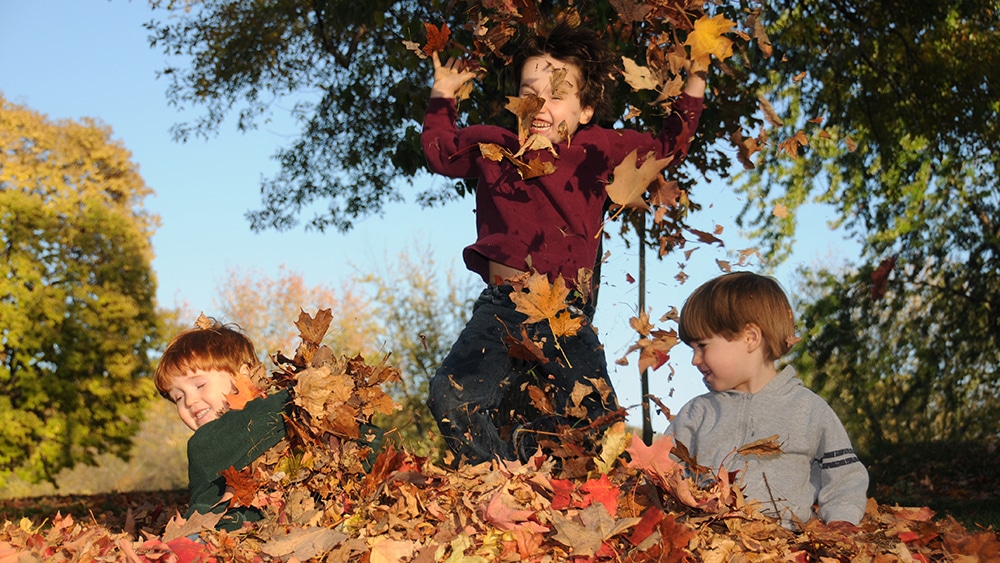
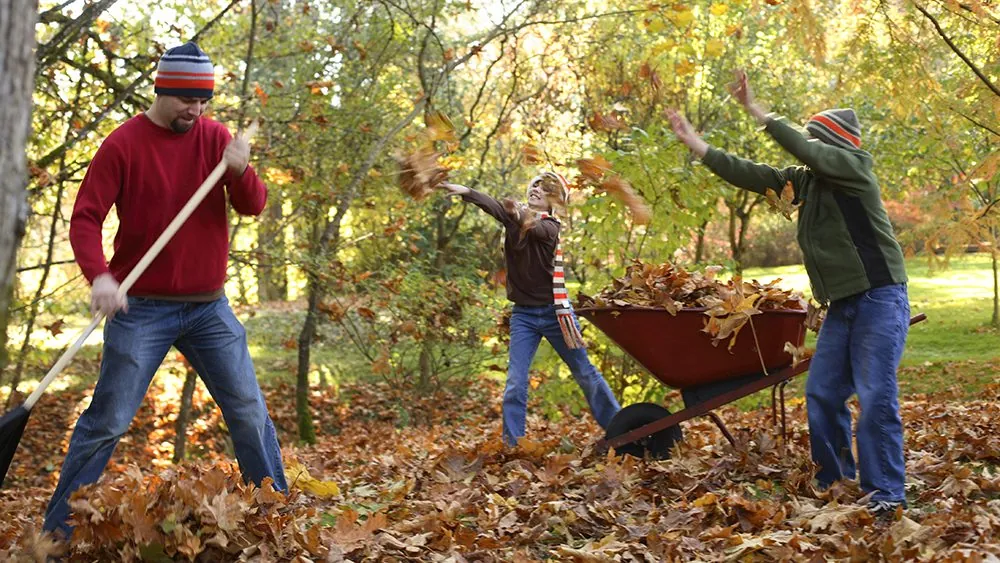
For many, the crisp fall air, beautiful foliage, and smell of autumn leaves are what make fall so appealing. For children, on the other hand, it’s the irresistible lure of jumping into a giant pile of colorful leaves.
So, should you rake your leaves or embrace the “Leave the Leaves” movement? While some point to the important role fallen leaves play in the ecosystem, pest professionals offer a few additional considerations.
The “Leave the Leaves” Debate
For generations, raking and removing fallen leaves has been a standard part of fall yard cleanup. More recently, the “Leave the Leaves” movement has encouraged homeowners to leave some or all of them behind.
The argument is largely environmental: fallen leaves break down and return nutrients to the soil while also providing winter habitat for insects and other wildlife. Some advocates recommend leaving them where they fall, while others suggest moving them into garden beds or around trees.
From a pest control perspective, the question isn’t whether you leave leaves behind, but where they end up and how long they stay. A light layer in a garden bed is one thing. A damp pile sitting against your house for weeks is exactly the kind of sheltered spot pests look for as temperatures drop.
What Pests are Lurking in the Bottom of Your Leaf Pile?
As piles of leaves settle, they can trap moisture, hold warmth, block wind, and create a dark, protected space underneath. Add seeds, decaying plant material, and insects to the mix, and you’ve created food and shelter for a range of backyard visitors.
Here are a few pests that may take advantage of leaf litter:
- Ants: Leaf litter can provide ants with moisture, shelter, and plenty of organic material. It can also attract other insects, creating another potential food source. Ants in the yard are normal, but when favorable conditions are right up against your house, it gives them a much shorter trip indoors.
- Earwigs: Earwigs love cool, moist, dark places, making the underside of a damp leaf pile an attractive hiding spot. They also feed on decaying vegetation and other organic material commonly found there. Earwigs aren’t considered dangerous, but as temperatures fall, they can become unwanted guests inside the home.
- Rodents: Mice and rats look for protected areas with access to food and nesting material. An undisturbed pile of leaves and yard debris can check all three boxes, particularly when it contains sticks, seeds and other vegetation. The bigger concern isn’t necessarily a mouse hiding in your leaves — it’s giving rodents shelter a few feet from your house. Once they’re near the structure, mice can take advantage of surprisingly small gaps to get indoors.
- Snakes: Snakes can use leaf piles and other yard debris as cover, and they may also follow prey like insects and rodents into the area. They generally aren’t interested in getting into your home, but reducing dense hiding places near the house can make the immediate perimeter less attractive to them.
- Ticks: Don’t assume the first frost means ticks are gone for the year. Ticks can survive cold weather and become active during warmer periods. The CDC recommends removing leaf litter as one step homeowners can take to reduce tick habitat around the home. If you leave some leaves for wildlife, consider keeping them in designated areas away from high-traffic parts of the yard.
What about the time-honored tradition of jumping in the leaves? A freshly raked pile is less likely to have become an established pest habitat than one that has been sitting undisturbed for weeks. Still, it’s safest to check children and pets for ticks afterward.
How to Handle Fall Leaves Without Inviting Pests
The good news is that you don’t have to choose between a bare yard and a pest magnet. You don’t need to remove every last leaf, but you also shouldn’t let them pile up against your house. These options let you keep some of the environmental benefits without rolling out the welcome mat for pests.
- Clear heavy leaf cover from the lawn. A thick, matted layer can block sunlight and air from reaching the grass.
- Mulch leaves into the lawn. Running over a light layer with your mower breaks leaves into smaller pieces that can decompose rather than accumulate.
- Move leaves to garden beds. Want to keep some leaves for their environmental benefits? Relocate them to appropriate garden areas, ideally away from your home’s foundation.
- Don’t let raked piles linger. If you’re planning to bag, compost, or move your leaves, don’t leave the pile sitting untouched for weeks first.
- Clear leaves from pest-friendly hiding places. Pay particular attention to window wells, gutters, decks, outdoor HVAC equipment, and other sheltered areas around the home.
Leaf Cleanup is Just One Part of Fall Pest Prevention
As temperatures drop, rodents, spiders, and insects start looking for a way indoors. In fact, our recent study found that 1 in 5 homeowners notice the most pest activity in the fall.
Along with keeping leaf piles away from your foundation, be sure to check for other clutter, seal up any cracks and gaps, and turn to a pest control professional for extra support. If you’re interested in Anticimex SMART or other eco-friendly solutions in New England, Modern Pest Services is ready to help.