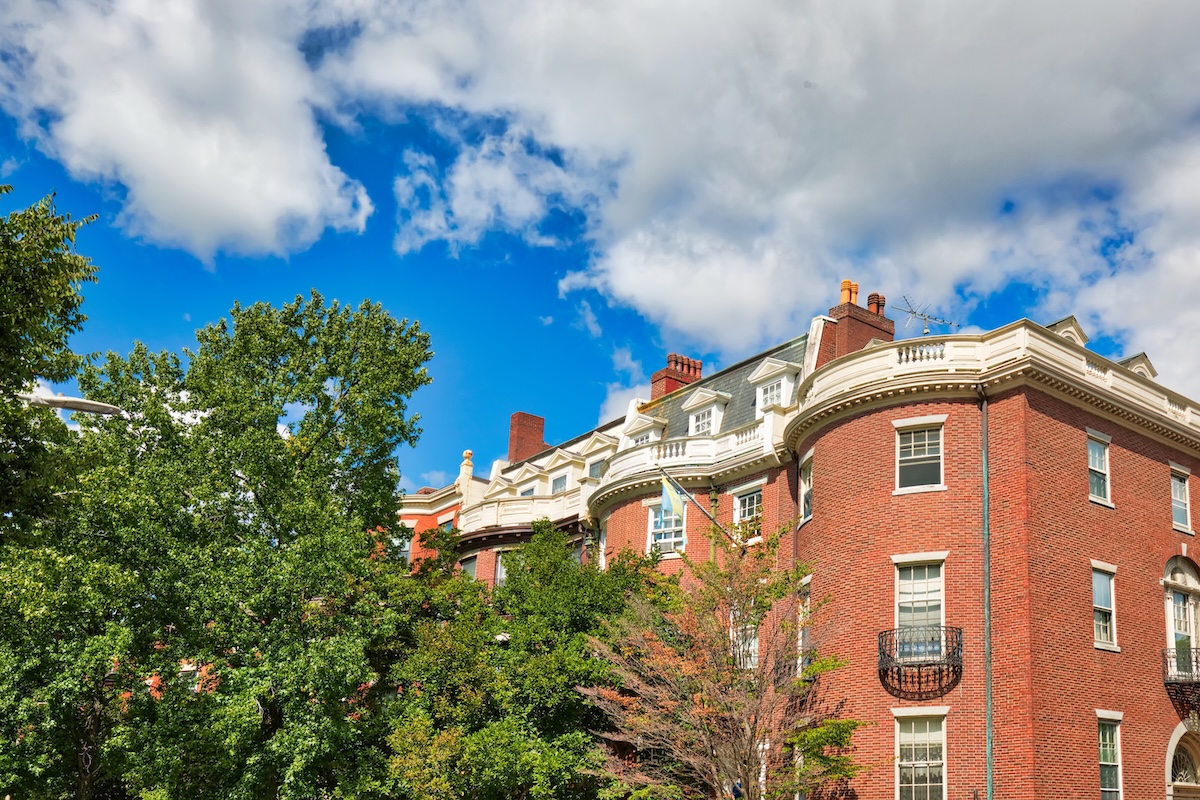
Boston University announced the BU Promise, a financial aid program that will meet 100% of demonstrated financial need without loans for first-time, first-year students who are US citizens or permanent residents, beginning with the 2026–27 academic year. At a school where tuition alone runs $73,024, that’s a major shift in what families will actually pay.
Under the program, admitted first-year students from families earning under $200,000 with typical assets will pay no more than $20,000 per year toward the cost of attendance. Families earning $75,000 or less will pay nothing, with financial aid covering full tuition plus the standard housing and dining plan.
That puts BU on the growing list of no-loan colleges where aid packages exclude student loans entirely.
Why It Matters
Sticker prices at private universities keep climbing, but most families never pay them — colleges now discount tuition 56% on average, and only about 1 in 8 students pays full price.
The problem is that “meeting full need” can mean very different things depending on how a school calculates need. BU’s approach stands out because it attaches hard dollar caps to specific income tiers, so families can estimate their net price before applying.
Income Thresholds
Here’s what admitted first-year students starting in 2026–27 can expect to pay, based on total household income with typical assets. Families must still fill out the FAFSA and CSS Profile so the college can validate assets, not just income.
- $0 – $75,000: Full tuition plus standard housing and dining covered. Net cost: $0
- $75,001 – $100,000: COA of $10,000 or less per year
- $100,001 – $150,000: COA of $15,000 or less per year
- $150,001 – $200,000: COA of $20,000 or less per year
- Over $200,000: Tailored aid, but BU says it weighs circumstances like multiple children in college or a high cost of living
One caveat: while aid packages won’t include loans, eligible students may still be offered Federal Direct Loans, and families can choose to borrow.
How This Connects
BU joins MIT and Harvard, both of which made tuition free for families earning under $200,000, in what Forbes has called a free tuition arms race among elite private universities.
The pattern matters for families comparing offers: a private school with strong aid can beat an in-state public on net price, which is why we track schools offering free tuition and encourage families to compare actual aid packages, not sticker prices.
Students must submit all required aid materials to qualify, so families targeting BU should watch FAFSA deadlines and complete the CSS Profile on time. Watch for more private universities to match the $200,000 threshold as they compete for the same shrinking pool of applicants.
Don’t Miss These Other Stories: