Key Points
- The Senate passed the Protect College Sports Act 77-22 on Monday, September 28, 2026, the first time either chamber has approved sweeping federal rules for college sports.
- The bill would lock the House v. NCAA revenue-sharing cap into federal law, add a $22.5 million retention fund, cap agent fees at 5%, and preempt state NIL laws.
- It does nothing to change how NIL income is taxed or counted on the FAFSA, and the House has until January 3 to act or the bill dies.
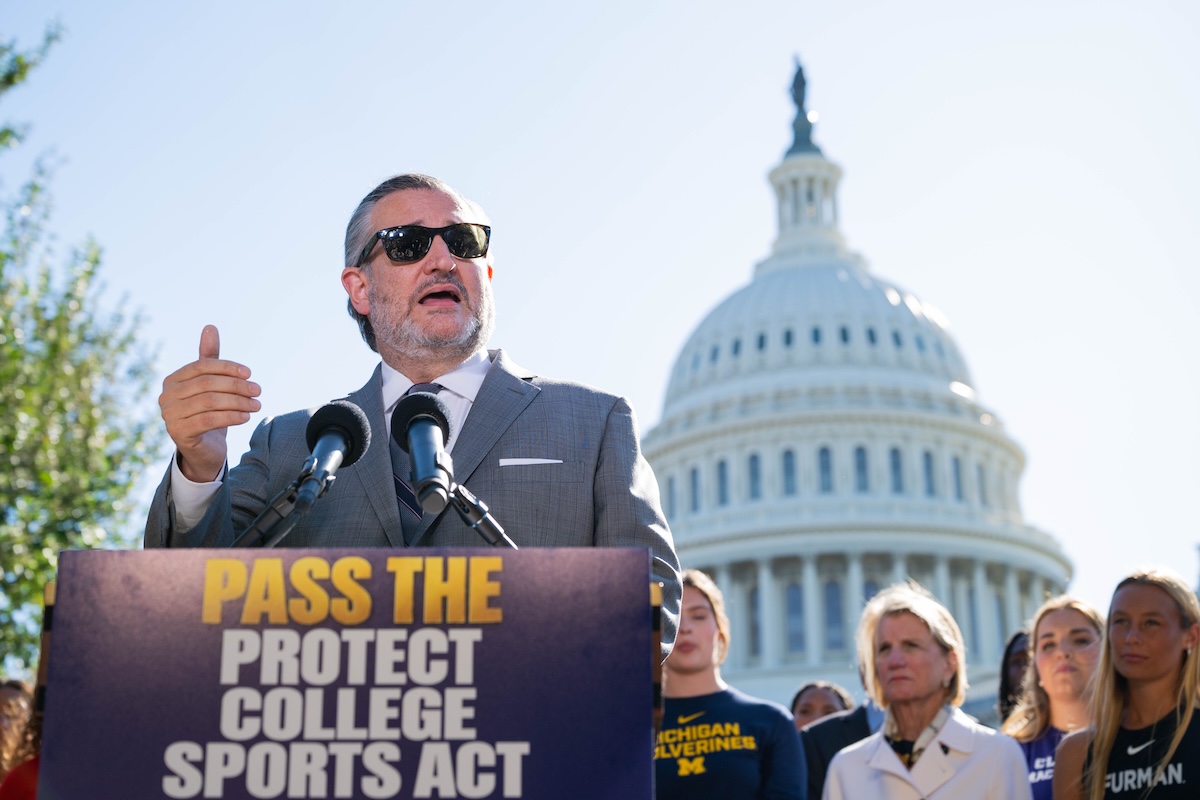
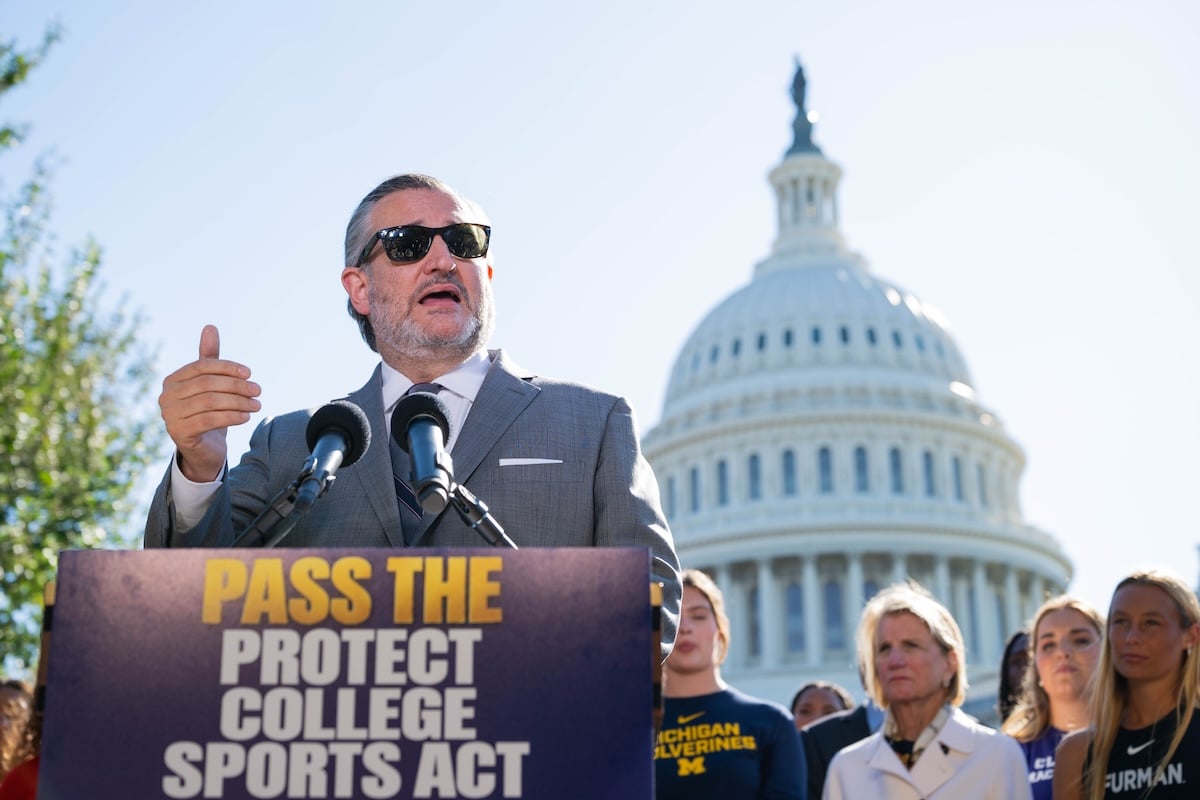
The U.S. Senate passed the Protect College Sports Act (PDF File) by a 77-22 vote late Monday, after nearly six hours of debate and seven amendments. Drafted by Senators Ted Cruz (R-Texas) and Maria Cantwell (D-Washington), the bill would write the House v. NCAA settlement into federal law, including the revenue-sharing model that turned schools into direct payers of their athletes. This is exactly what we broke down in how NIL athletes actually make money.
For families, this is a money story as much as a sports story. Athletes can now get paid directly from schools, collectives, and brands, but each dollar carries self-employment tax, financial aid consequences, and agent commissions. The bill would replace today’s patchwork of state NIL laws with one national rulebook, according to a Senate Commerce Committee fact sheet on the bill.
What The Bill Would Do
The core of the bill is how college athletes get paid. It enforces the previous House v. NCAA settlement revenue-sharing cap, which is about $21.3 million per school in 2026-27, and lets schools exceed it by up to $22.5 million a year to retain athletes who have completed at least one full season.
Schools could add up to $5 million more tied to non-revenue sports, including women’s and Olympic programs, bringing the total close to $50 million per school.
The retention fund would expire nine years after enactment and would be off-limits to schools that miss graduation and academic progress benchmarks.
On eligibility, athletes would get one transfer without losing eligibility, a five-year playing window capped at age 24, and the NCAA would get limited antitrust protection to enforce those rules. Sports agents would have to register and could charge no more than 5% of a deal’s value. Those changes reshape how athletic scholarships and roster spots work for every recruit.
The bill stays neutral on whether athletes are employees, which rules out the collective bargaining many Democrats wanted. It would require schools to cover out-of-pocket medical costs for sports-related injuries, including for five years after an athlete’s final competition, and to carry catastrophic injury coverage above $90,000. That matters for families weighing health insurance options for college students.
How It Connects
The bill would require athletes to report any NIL deal worth more than $600 to their school and association within five days. Reporting a deal to the NCAA does not change what athletes owe the IRS. NIL paid as 1099 income still triggers the 15.3% self-employment tax, which runs about $2,826 on $20,000 of net profit before income tax, as we detailed in our NIL tax breakdown. Athletes new to this should read up on paying estimated taxes.
The FAFSA treatment stays the same too. NIL earned in 2026 would first impact 2028-29 FAFSA, and about half of income above the $12,220 allowance gets added to the Student Aid Index, cutting need-based aid. Nothing in the Senate bill touches that math.
Collective money gets squeezed. The bill treats anyone who has given more than $50,000 to a school’s athletics program as an “associated entity” and bars NIL deals from those backers unless they serve a valid business purpose and pay market rates. That writes into law the test the College Sports Commission already uses, which through July 1 had denied 1,812 deals worth about $90 million, or about 20% of submitted dollars.
What It Means For Students And Families
Non-athletes pay for this system whether they follow sports or not. A GAO report found 94% of Division I programs lose money, and colleges shifted $7.2 billion from tuition, fees, and unrestricted funds to cover the gap, or about $8,500 per undergraduate over four years at the median school. Senator Cantwell framed this bill as a brake on that spending, but the reality is that sports are a driver that makes college more expensive.
Allowing schools to nearly double athlete payouts could push those subsidies higher at programs that already run deficits. Families of recruits also face a shifting market for niche sports scholarships after the NCAA settlement, and full-ride athletes already lose Pell Grant eligibility starting in 2026-27 under the 2025 federal aid overhaul.
What Happens Next In The House
The House is not scheduled to return until November 9, after the midterms. The first order of business will be the fact that government funding expires December 11, and that will compete for time. If the House does not pass the bill before the new Congress is sworn in January 3, it dies. The House’s own college sports bill, the SCORE Act, was pulled from the floor twice (in December 2025 and May 2026).
House Republicans want changes, including an outright ban on employee status and caps on international players. The Senate bill only states a policy that schools “should prioritize domestic students,” far softer than the TEAM USA Act’s 20% roster cap tied to federal student aid.
For college athletes, these are big changes, but nothing is official yet.

Robert Farrington is the founder of The College Investor and is widely recognized as one of the nation’s leading voices on student loan debt and saving for college. He holds an MBA from UC San Diego Rady School of Management and has spent over 15 years researching, writing, and advising on student loans, 529 plans, financial aid programs, and saving and investing for young professionals.
Robert has been featured in the The New York Times, The Wall Street Journal, The Washington Post, NBC News, and Forbes, where he has been a regular personal finance contributor for over a decade. His work combines both professional expertise and personal experience – he successfully navigated his own student loan repayment journey and has helped thousands of readers do the same.
He is committed to making the intersection of personal finance and education transparent and accessible. You can learn more about Robert on the About Page or on his personal site RobertFarrington.com.