How to Sell the Feeling: 7 Lifestyle Marketing Strategies That Create Emotional Connection


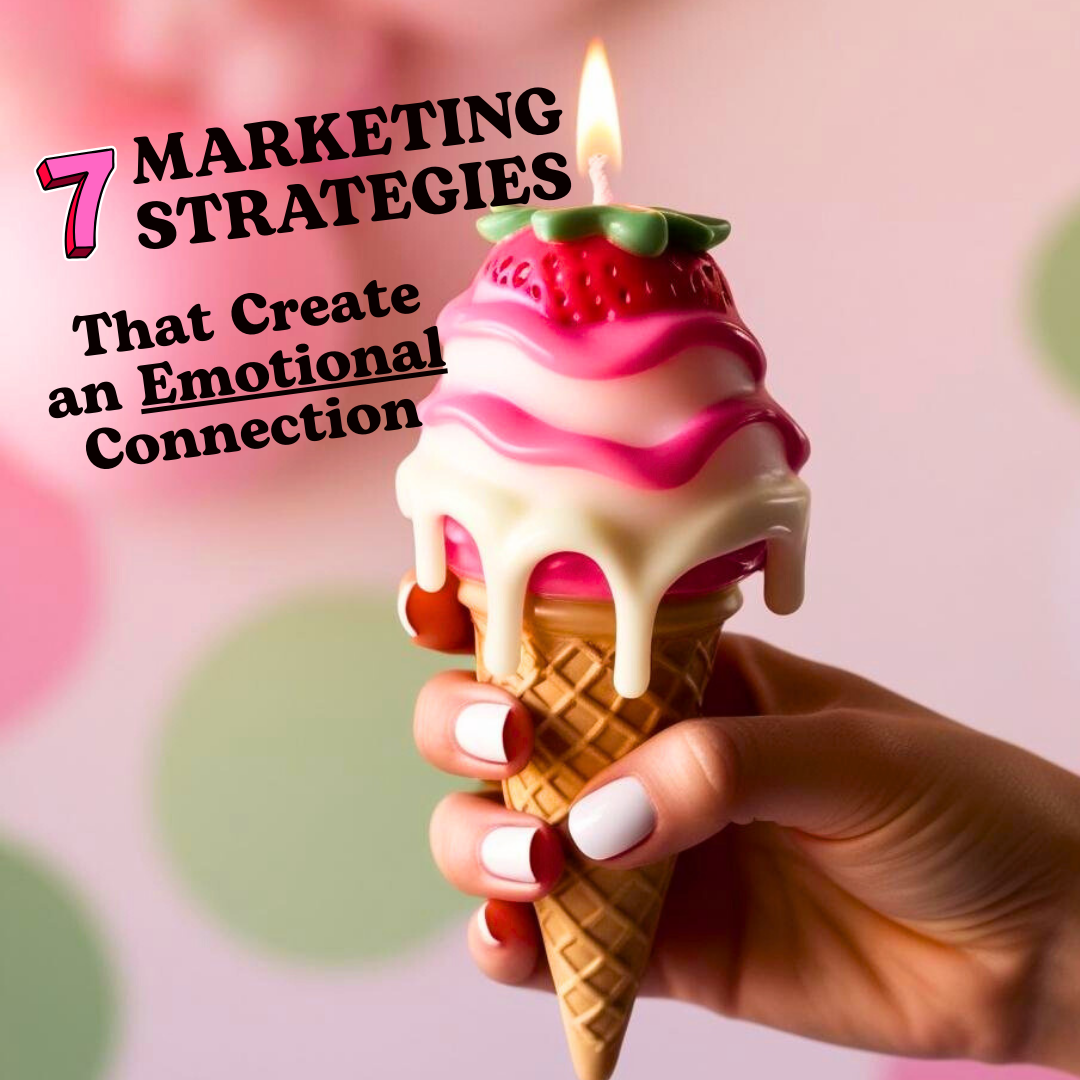
If you’re a brand selling lifestyle products, I’ll walk you through 7 proven strategies to sell more by tapping into emotion, identity, and story.
Let’s dive in.
1. Understand Your Customer’s Desired Identity
Lifestyle marketing starts with identity. Your product should feel like a natural extension of who your customer wants to be. A candle isn’t just wax—it’s the finishing touch to a slow, intentional evening. A face serum isn’t just skincare—it’s part of a self-worth ritual.
💡 Pro Tip:
Build personas based on emotional drivers, not just age or income. Think:
-
“The Cozy Minimalist”
-
“The Wellness Explorer”
-
“The Conscious Gifter”
Create content that reflects their dreams, values, and routines.
2. Build a Sensory Brand Experience (Even Online)
Lifestyle brands win when they engage the senses. Think about how you can evoke sight, smell, touch, and even sound—through digital storytelling.
-
Use rich, descriptive copy that speaks to texture, scent, and mood.
-
Incorporate ASMR-style videos of candle pours or product unboxings.
-
Use color psychology in your visuals and packaging.
🔧 Try This:
Include a “Sensory Story” section in your product descriptions:
“Infused with notes of vanilla and cedar, this candle brings warmth to chilly mornings and quiet nights.”
3. Tell Micro-Stories Instead of Listing Features
People connect to stories, not specs. Instead of “Made with essential oils,” try:
“Light this after a long day. Let the scent of eucalyptus and lavender ease your mind as you melt into your couch.”
Use storytelling in:
-
Product descriptions
-
Social captions
-
Emails and welcome flows
-
Packaging copy
Small, evocative moments build emotional connection.
4. Tap Into Lifestyle Triggers: Seasons, Rituals, and Routines
The most magnetic brands know when to show up. Align your marketing with real-life rituals and seasonal moments:
Use keywords like:
These long-tail terms boost SEO and resonate emotionally.