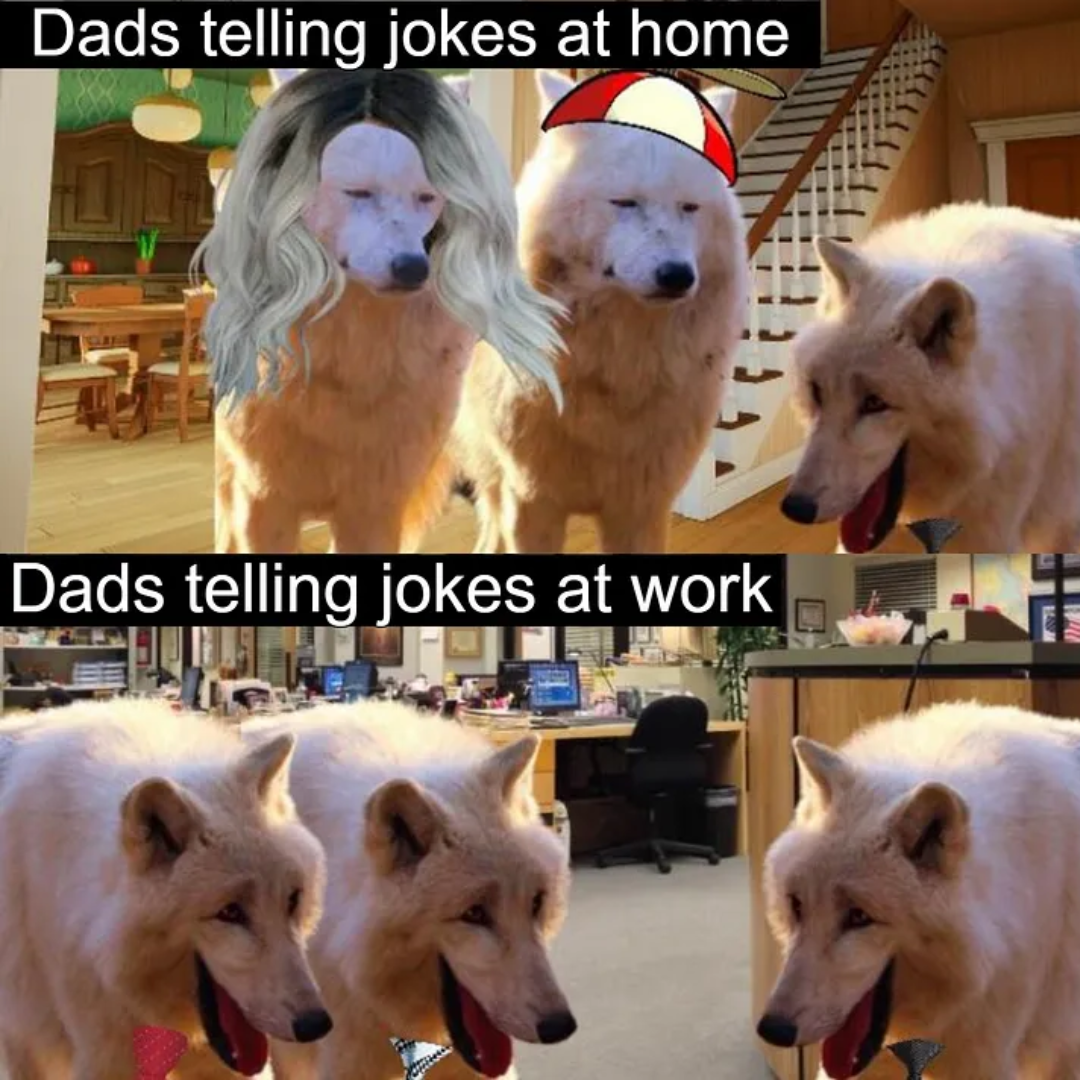
So a meme, by definition is not a format or image type, which it is so often confused with – but an image or video that has been distributed widely. A single image cannot be a meme no matter what format it’s in. It has to be copied and spread with variations to the original image. The word itself actually refers to a virus’ rapid spread and genetic mutation.
Memes aren’t something GenX created, they’ve been around since your Great Grandmother’s time, except then they were spread among friends and family via clippings from newspapers and magazines. Above is a meme from 1919, and there are others from the 1920’s, mostly in the Expectation vs. Reality format.
👀 Memes: Not Just for Laughs Anymore
In 2025, meme marketing isn’t just a playful trend, it’s a proven strategy to boost engagement, visibility, and sales conversions. For lifestyle brands, retailers, and service-based businesses, memes offer a direct line to younger audiences, emotional resonance, and viral potential.
Let’s break down the stats, take a look at few brand case studies, and strategies that prove memes really do sell.
📊 What the Studies Say: Memes Are Money
YPulse Research:
-
75% of Gen Z and Millennials share memes regularly
-
55% follow meme accounts specifically
-
Brands using humor/memes are seen as more relatable and trustworthy
👉 Trust = conversions. If your audience laughs with you, they’re more likely to buy from you.
HubSpot 2023 Social Trends:
Memes work because they connect emotionally, soften the reader’s rough edges, and travel fast.