I cleared out my elderly neighbor’s townhouse to sell it. Here’s how I dealt with mountains of stuff

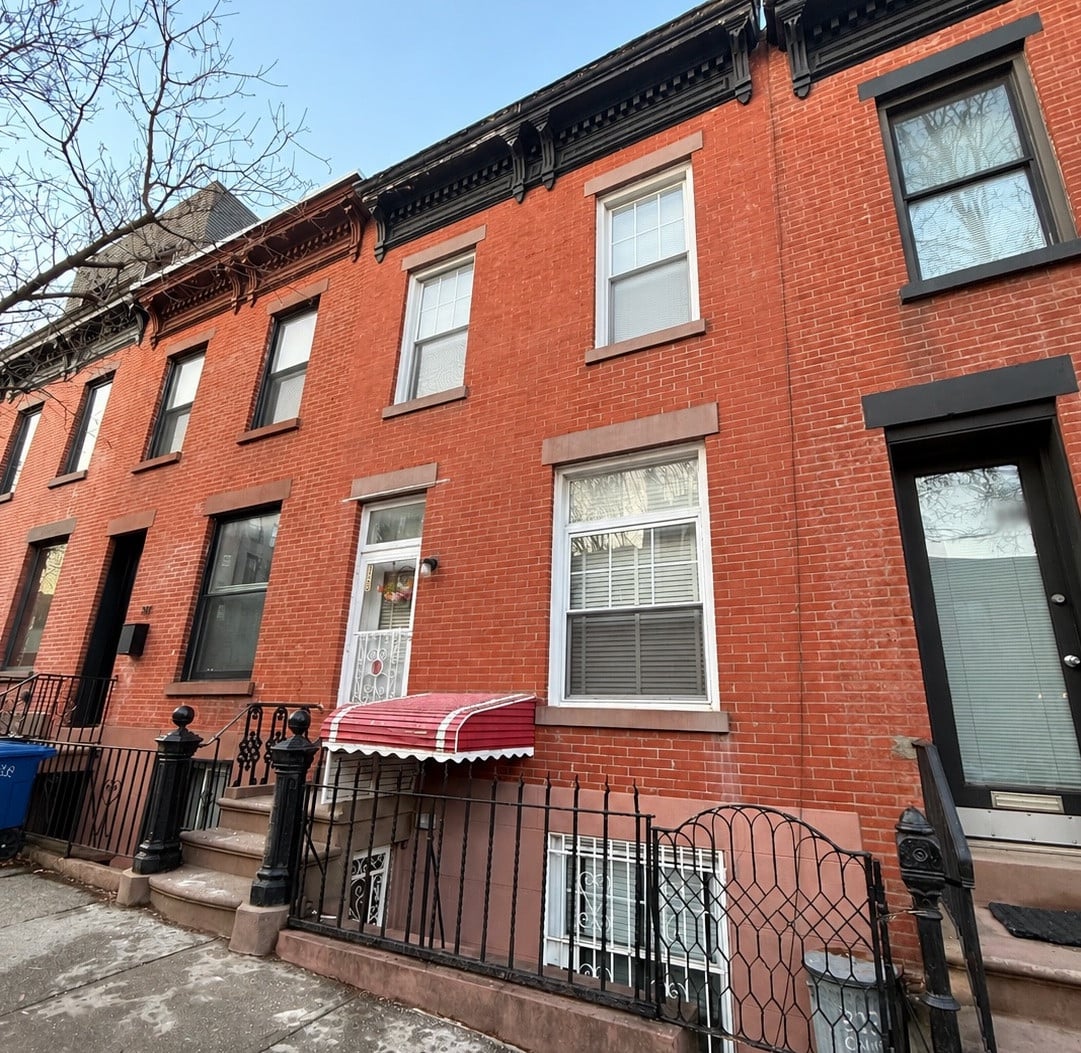
When my elderly neighbor, who I’ll refer to as Susan, moved to assisted living following a bad fall, her niece reached out to discuss the sale of Susan’s Carroll Gardens townhouse; a home that had been in their family for nearly a century.
As the owner’s friend and neighbor, and a real estate agent at CORE, I was happy to help. I agreed to swing by the house to meet with the niece and her husband, trustees of the estate, while they assessed the condition of a home they had not been invited inside for years.
The couple, we’ll call them Terri and Jim, expressed different priorities. He wanted to sell the property “as is” without removing any of the copious personal contents from Susan’s long life.
“It’s a gutter,” he said. “Let the buyer deal with the junk.”
Terri said she wanted “to do right by” her aunt, and was looking for advice. She needed to sell, but how to get from here to there was overwhelming to her. “Please, take anything you can use! There’s so much good stuff.” She held up a shirt to show me. “You’d look cute in this!’ she said.
[Editor’s Note: Brick Underground’s Inside Stories feature first-person accounts of interesting, real-life New York City real estate experiences. Have a story to share? Drop us an email. We respect all requests for anonymity.]
Nudging aside piles of clothes, linens and pillows, I found a small patch of bedspread where I parked myself as I met with them. There were dusty photos, scattered broaches, and an old rabbit-eared tv within my immediate sight. The rest of the three-story, two-family townhouse was equally cluttered with possessions from generations that lived there over the years.
The sale would pay for Susan’s assisted living, and the trustees were anxious to dispose of the property as quickly as possible. As retired snowbirds managing two homes in two states, the responsibility of executing this additional transaction was daunting.
Earning their trust
Susan, who recently turned 90, had been my neighbor for a dozen years. I’ve known her since before I was married and became a mom. My daughter and I would visit with her as she swept her stoop, or painted her fence, wearing one of her signature floral housecoats—she had about 30 of them.
We endured the covid pandemic together and had watched our Carroll Gardens neighborhood transform: Whole Foods arrived, landmark businesses shuttered, and a waterfront promenade rose on the banks of the Gowanus. I wanted to do right by her too.
I had relevant experience: I had dissolved two estates for my own aging family members and brokered an estate purchase on the Upper West Side. I presented Terri and Jim with an offer.
“If you sell this home without emptying, staging and photographing it properly, you will leave tens of thousands of dollars on the table at sale,” I explained. “I’ll make it easy for you to say yes. Take what you want and leave the rest to me.”
They agreed.
Clearing the cache
From my work as an agent, I know that major life transitions don’t always line up with market trends. It’s a tough market for unrenovated properties, and yet demand for services involved in preparing an estate sale in NYC are on the rise.
According to Attom Data, transactions involving trusts jumped 17 percent in three years accounting for approximately 28 percent of Manhattan sales in 2024. Property Shark reported that 38 percent of all NYC real estate is owned by seniors, 65 years and older. And NAR noted that failing to declutter a property for sale costs sellers an average of three times the days-on-market and up to 10 percent of the sale price.
Entire industries have cropped up around estate-turnovers: junk removers, salvage and consignment shops, and non-profit organizations have moved mountains of once-loved furniture, clothing, technology and household items from NYC estates into the local community, and unfortunately, into landfills.
A two-week deadline
I gave myself two weeks to clear the house, scheduling repairs, cleaning, photography, and listing activation to keep me on task. Once every drawer had been opened, cabinet scoured, and closet overturned, I bid out the job of “junking” it all to three local businesses who came back with comparable quotes—all in the $5,000 range.
That felt steep and the waste was a bit heartbreaking, so I challenged myself to rehome as much of it as possible, aspiring to keep the gently used household goods out of a landfill. How many free donation pickups could I arrange without losing valuable time? It was worth a try, and the results surprised me.
How to give things away
I turned to Facebook Marketplace, BoCoCa’s Buy Nothing group, Etsy creators, Ebay collectors, and even passers-by to move truckloads of stuff to anyone who could pick up. Individuals, businesses, and non-profits turned up to cart away free items, one-by-one, by the bag, by appointment, and from the curb.
A five-piece, mid-century bedroom suite went to a Park Slope neighbor who figured the cost of renting a U-haul to move it was worth the two-hour investment. A seven-piece dining set appealed to a Queens-based Facebook Marketplace shopper, though getting it out through the window proved to be a feat of amateur engineering. A garden statue of St. Anthony required two people to carry to the curb, where it attracted the attention of a local photographer before disappearing under cover of night. I later found a black-and-white photo of my client’s father posed beside the statue, bursting with pride.
On Instagram I discovered a Missouri-based Etsy Store that refurbishes and resells wedding fashions. They covered the shipping for a 1950s wedding dress and beaded headpiece. An Ebay seller came to collect a vintage army uniform. A kitchen table and appliances were re-homed by CHIPS. Pounds of clothes, linens, purses and shoes were collected by St. Mary’s clothing drive. An antique radio credenza was repurposed for an Alexis Bittar commercial. Religious relics, dishes, cookware and utensils, card tables and games, power tools, grill and more moved swiftly out of the home and into the community.
Setting up an on-site office made things infinitely easier. I greeted pickup appointments and groused at the ghosters and flakes. Yes, the flake-rate was high. If you’re doing something similar, set your expectations accordingly and advertise as a “first-come, first-served” operation. It’s wild to discover how many people will actively engage with you on Facebook Marketplace and then never show.
The bulk of the estate found new homes across the neighborhood where my client’s family set down roots and lived out generations. When I close my eyes, I can picture her floral housecoats peppering the landscape of BoCoCa’s stoop sweepers, her armoire storing costumes at a Greenpoint community theatre, her holiday decorations rewarding students in district elementary schools, and on and on.
Reaping rewards
In the end, Junkluggers carted away 1.5 trucks worth of stuff, instead of the six originally estimated, of obsolete technology, a defunct bar fridge, some broken irreparable furnishings, opened pantry items, and hazardous waste (like paint cans and unlabeled cleaners).
Dissolving a few estates has taught me the benefit of re-homing gently used things. The effort is rewarded not only in dollars; it expanded my community, introducing me to local organizers, volunteers, artists, designers, teachers, residents, and business owners.
The house went to market on schedule and was under contract within two weeks. It sold for more than $2 million—all cash—because once the property was cleared, buyers could easily see its potential.
By thrift and resourcefulness, collaboration and expertise, I helped secure my client’s future, breathed new life into treasured possessions, and deepened my appreciation for this unique place, where one person’s collection of “junk” finds its way to a hundred to treasure it.