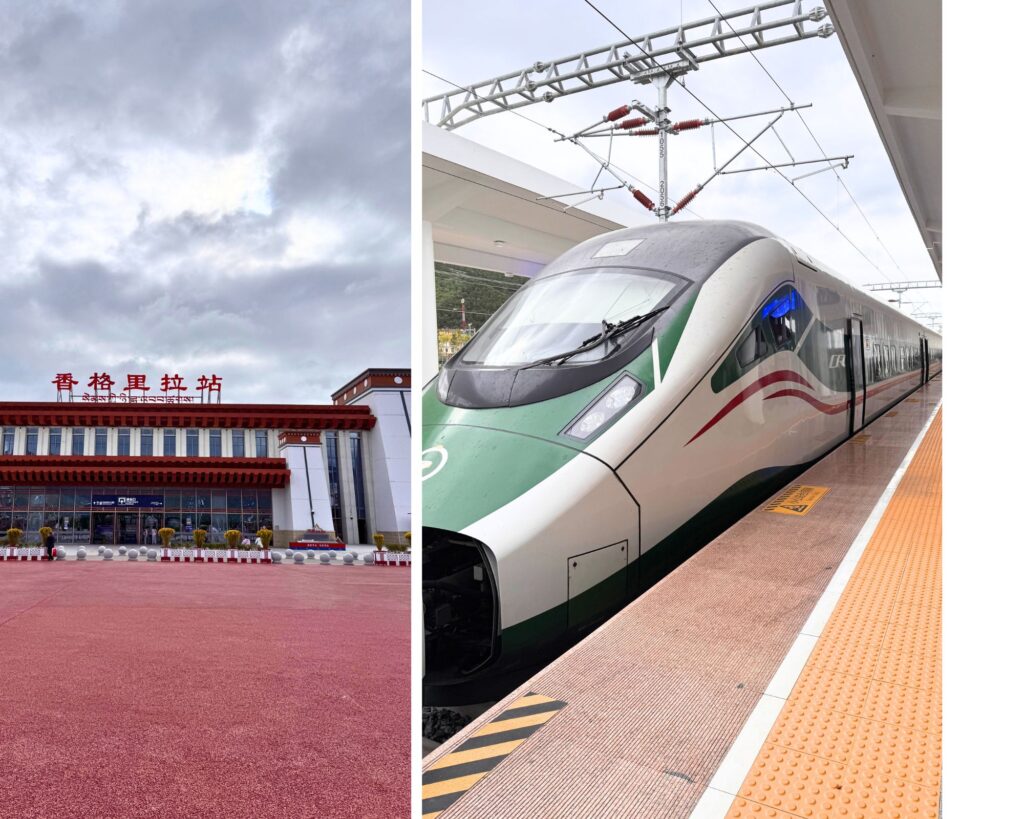
From Lijiang to Shangri-La – Highland Dreams & Tibetan Tranquility

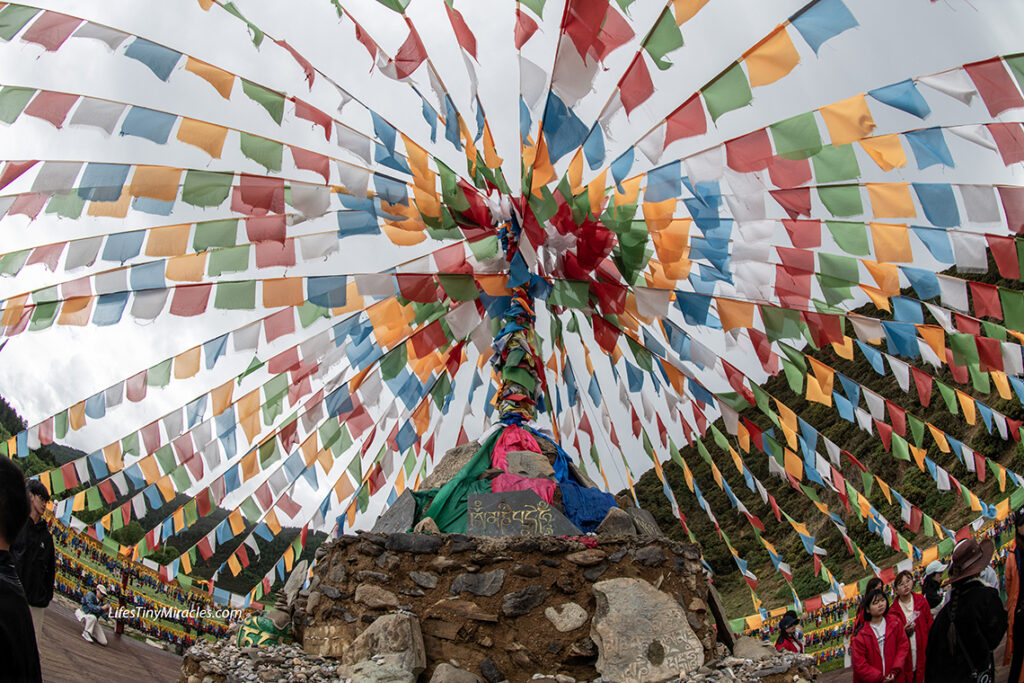
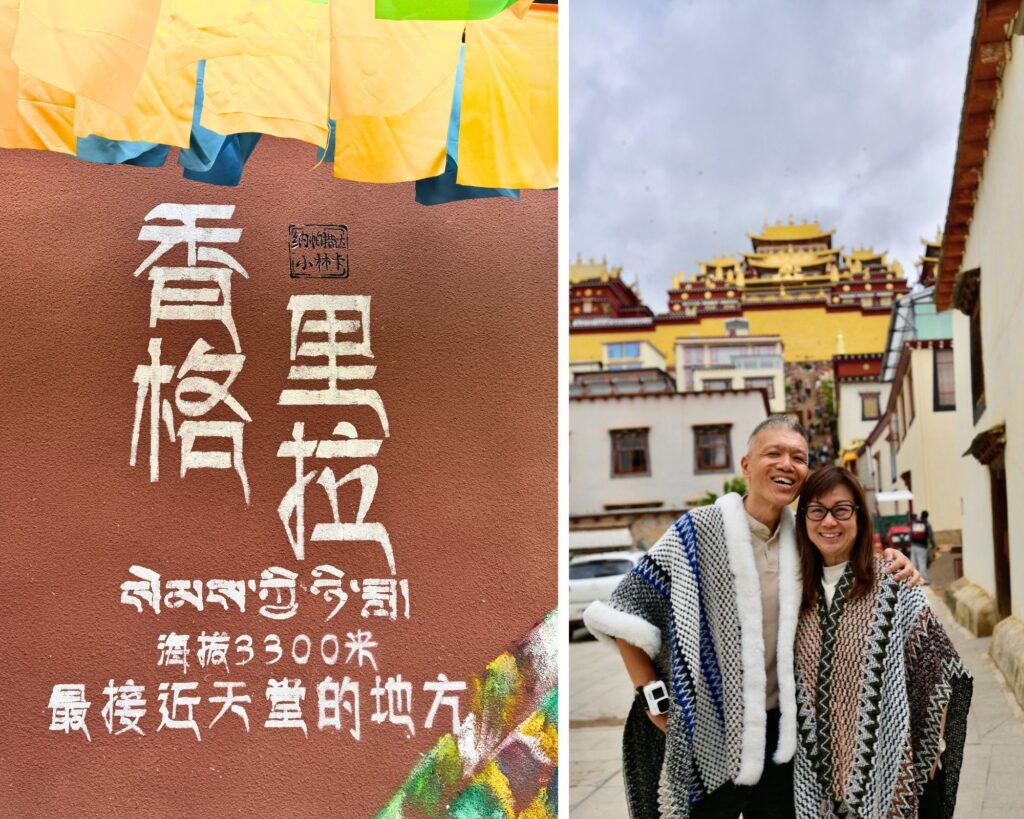
After soaking in the charm of Lijiang, we made our way further north into the highlands towards Shangri-La (香格里拉). With rolling grasslands stretching into the horizon, yaks grazing freely and golden-roofed monasteries glinting under the vast sky, Shangri-La captivated us in the most unexpected way. There was a sacred, meditative energy here paired with vibrant vibes that made us feel alive.
In this post, we’ll share:
✔️ Our journey from Lijiang to Shangri-La, including a dramatic stop at Tiger Leaping Gorge
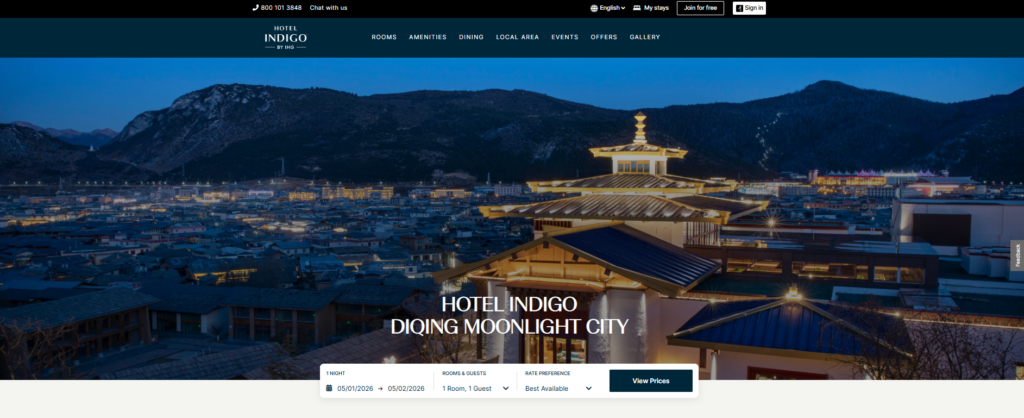
✔️ The unforgettable hospitality and panoramic views at Hotel Indigo Diqing Shangri-La 迪庆香格里拉英迪格酒店
✔️ Must-visit sights: Napa Lake 纳帕海, Songzanlin Monastery 松赞林寺 & more
Getting There: Road Trip from Lijiang to Shangri-La
We travelled from Lijiang to Shangri-La via a private car transfer arranged through a local agent I found on XiaoHongShu (小红书). The journey took about 5 hours but it was far from just a transfer. It felt like a scenic transition into a completely different world.
As we climbed higher into the highlands, the landscape slowly transformed, from lush valleys to rugged cliffs And eventually to wide, open grasslands under endless skies.
Along the way, here are some memorable stops:
- Tinghuagu Scenic Valley 听花谷 — a quiet valley dotted with seasonal wildflowers, soft and peaceful
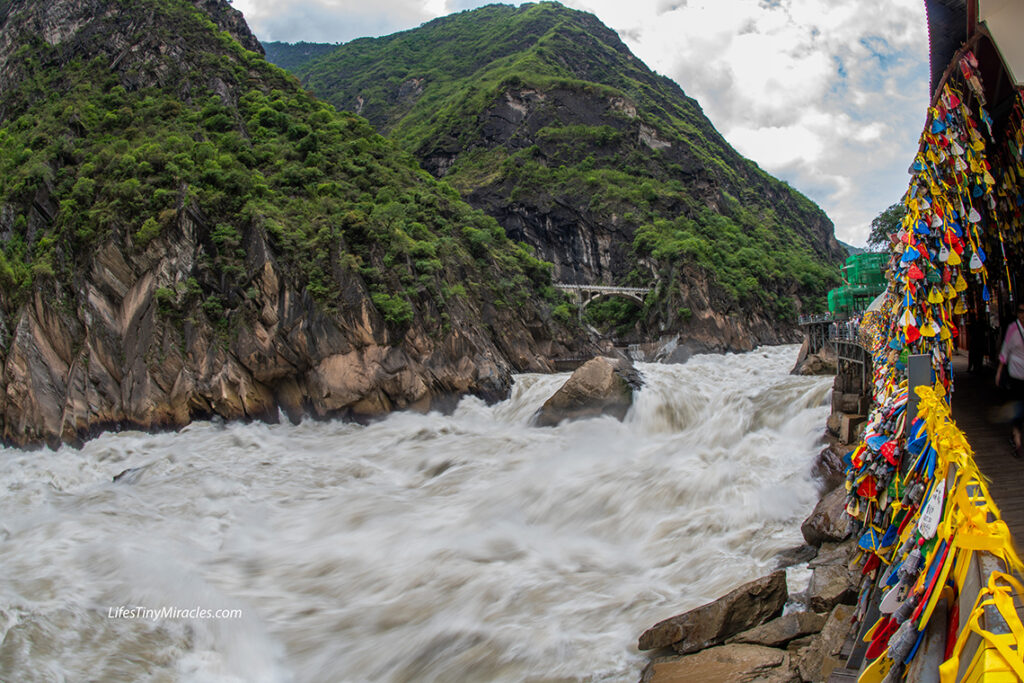
- Tiger Leaping Gorge 虎跳峡 — powerful, dramatic, and humbling, with roaring rapids cutting through towering cliffs
- Moon Bay of the Jinsha River 金沙江月亮湾 — a sweeping river bend offering stunning panoramic views
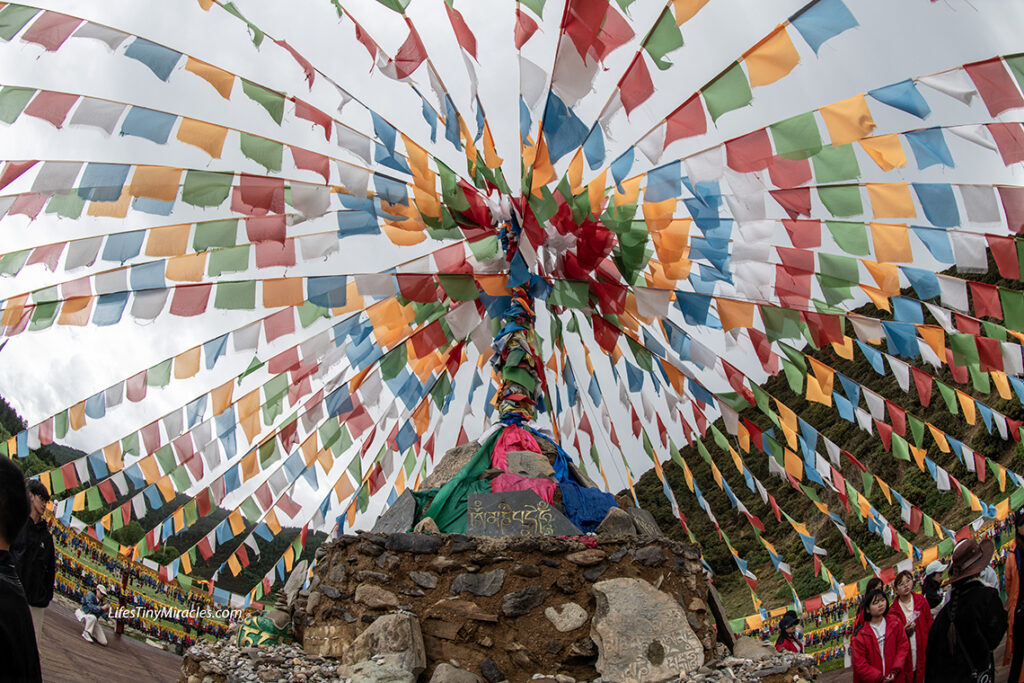
- Highland viewpoints lined with fluttering Tibetan prayer flags, adding a spiritual touch to the journey
This drive was more than just getting from point A to B. It was a gradual immersion into the raw beauty and soul of Shangri-La.
Midway Marvel: A Pitstop at Tiger Leaping Gorge
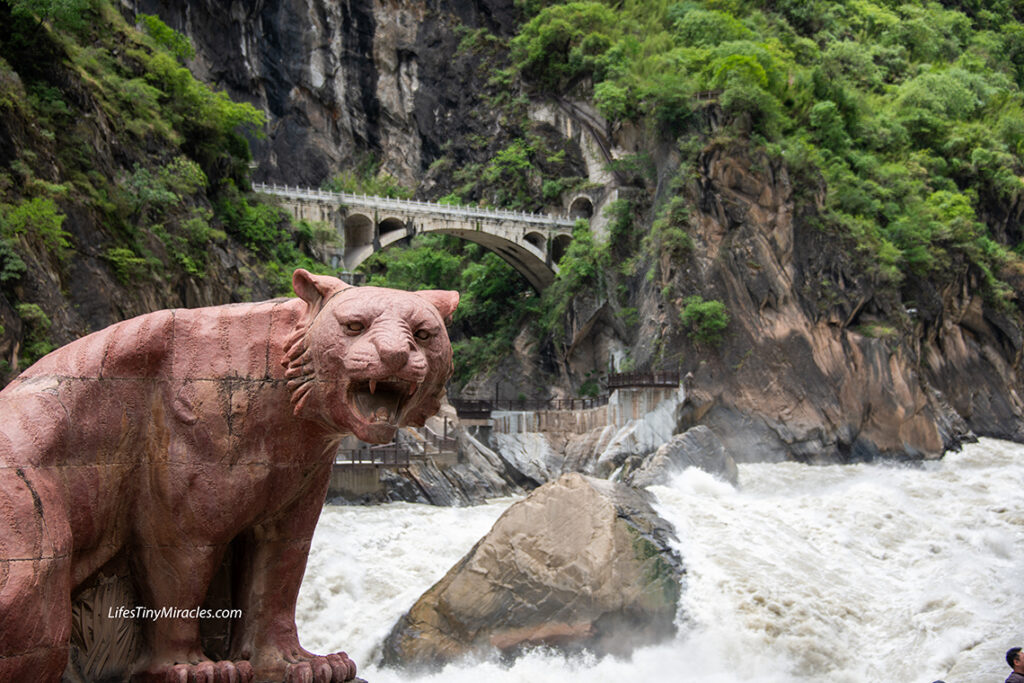
Our stop at Tiger Leaping Gorge (虎跳峡) was brief, but it left a lasting impression.
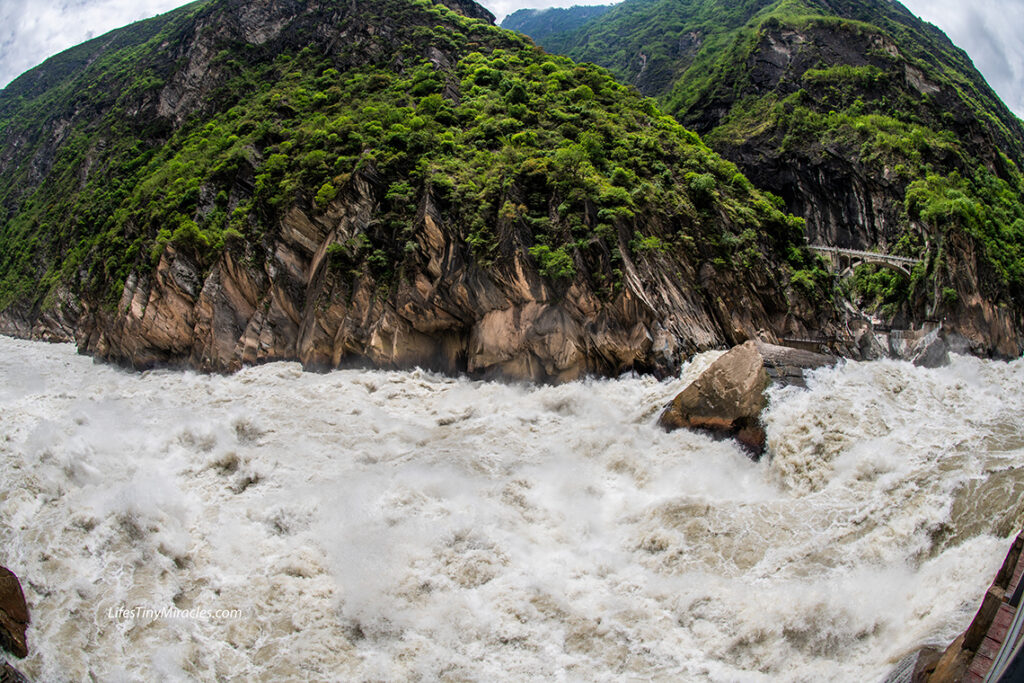
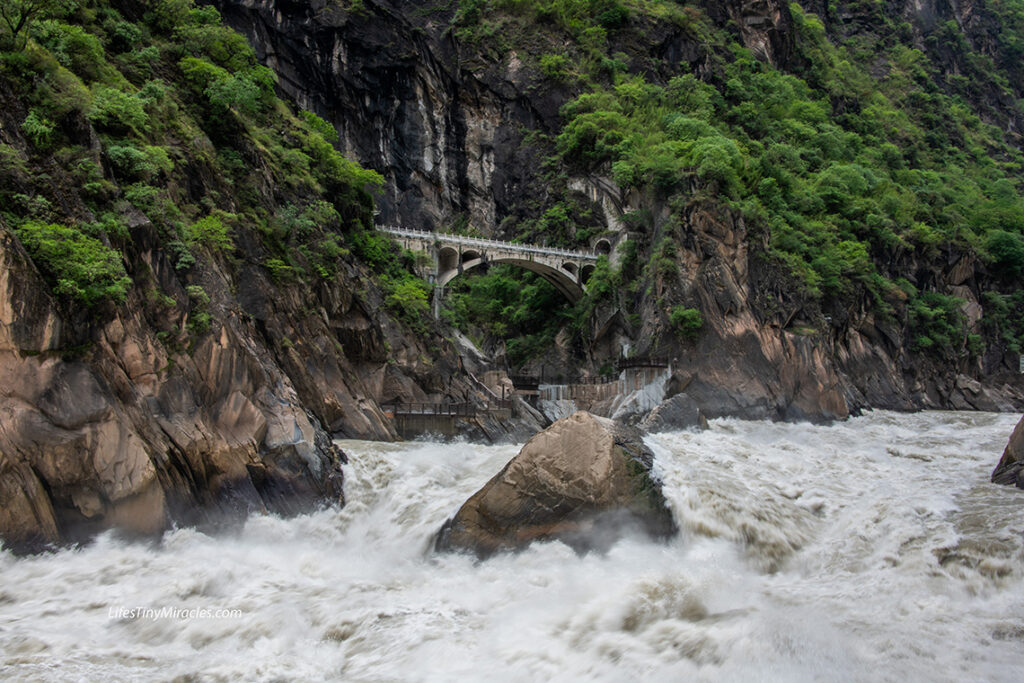
Carved deep between towering mountains, this is one of the deepest gorges in the world, where the mighty Jinsha River surges through with unstoppable force. There’s a local legend that a tiger once leapt across the narrowest point of the gorge to escape a hunter, giving this dramatic landscape its name.
We made our way down to the viewing platform, and the moment we arrived, we were completely taken by it. The river roared beneath us, crashing against the rocks, sending up fine mist into the air. Surrounded by sheer cliffs on both sides, the scale and power of it all felt overwhelming in the best way.
Travel Tips:
- Wear shoes with good grip, the steps can be steep and slippery.
- Pay to use the escalator ride down and up instead of the full climb. It may cost a little extra but it’s 100% worth it, especially if you’re travelling with kids or want to conserve energy.
Where We Stayed: Hotel Indigo Diqing Shangri-La
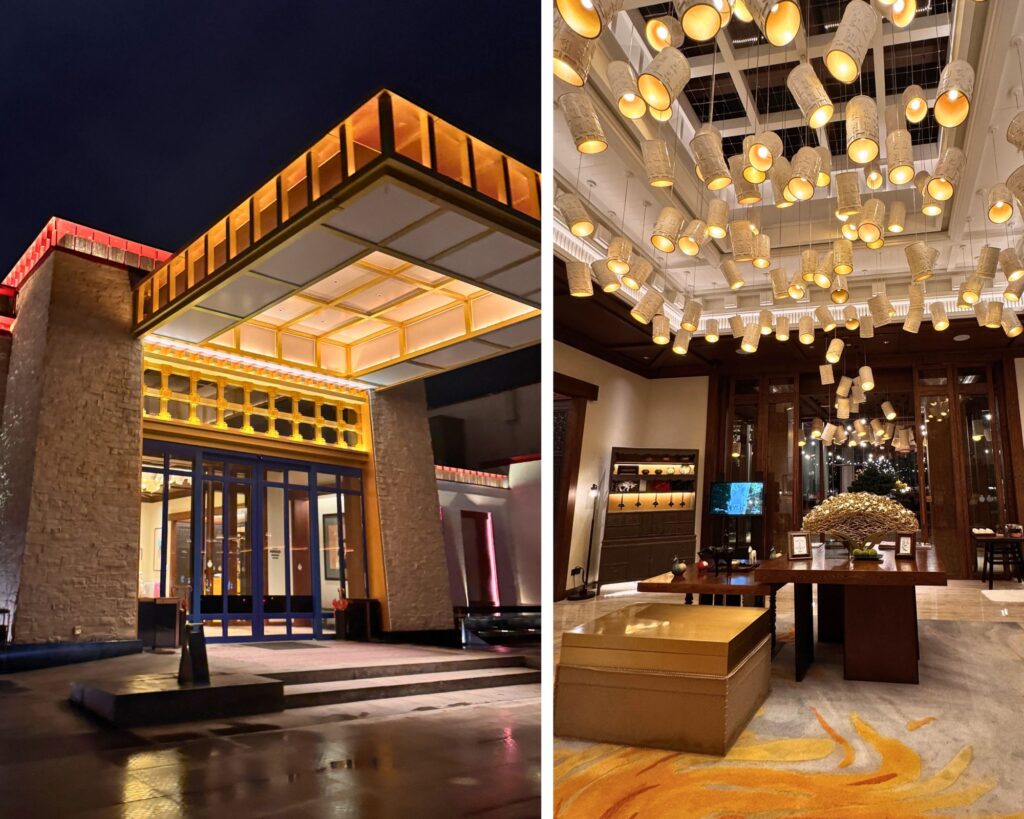
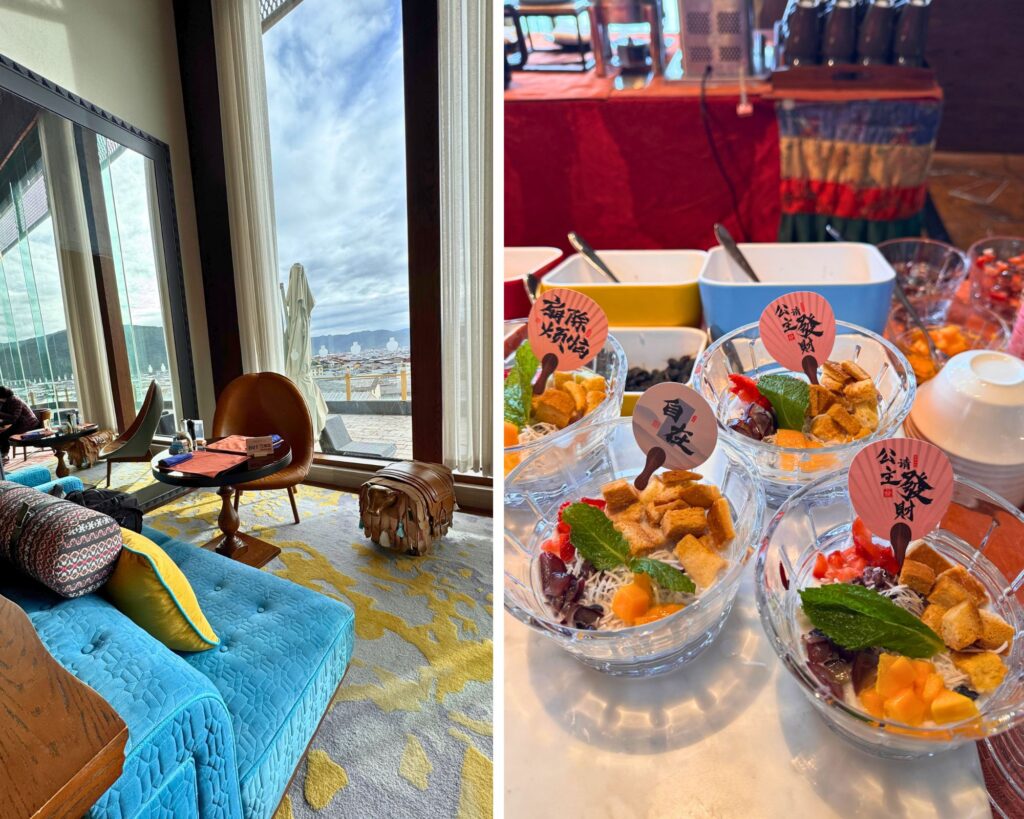
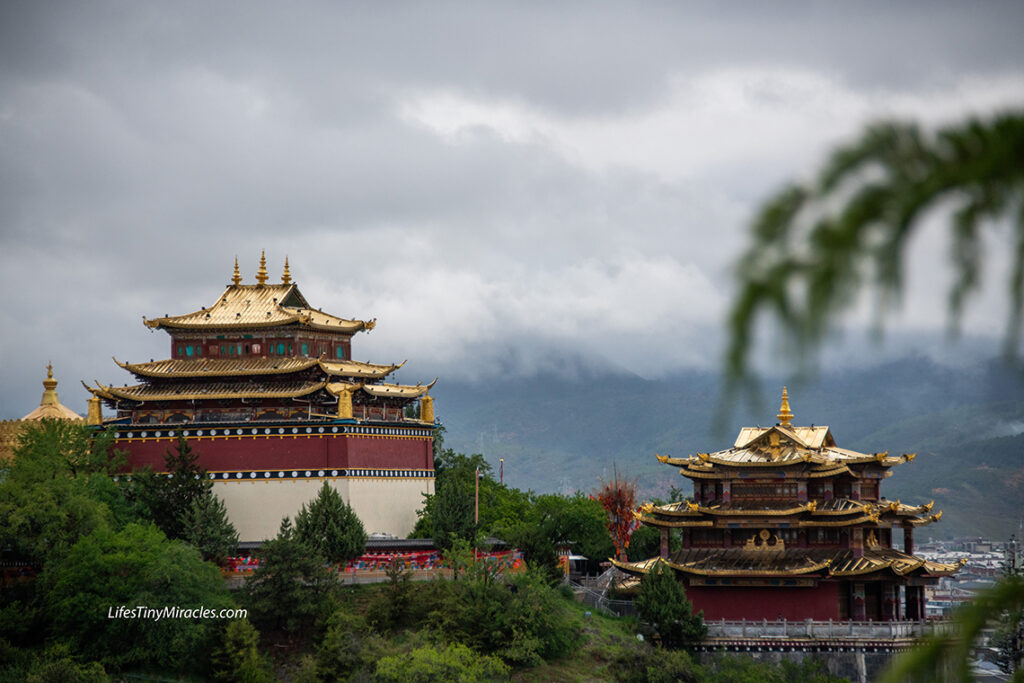
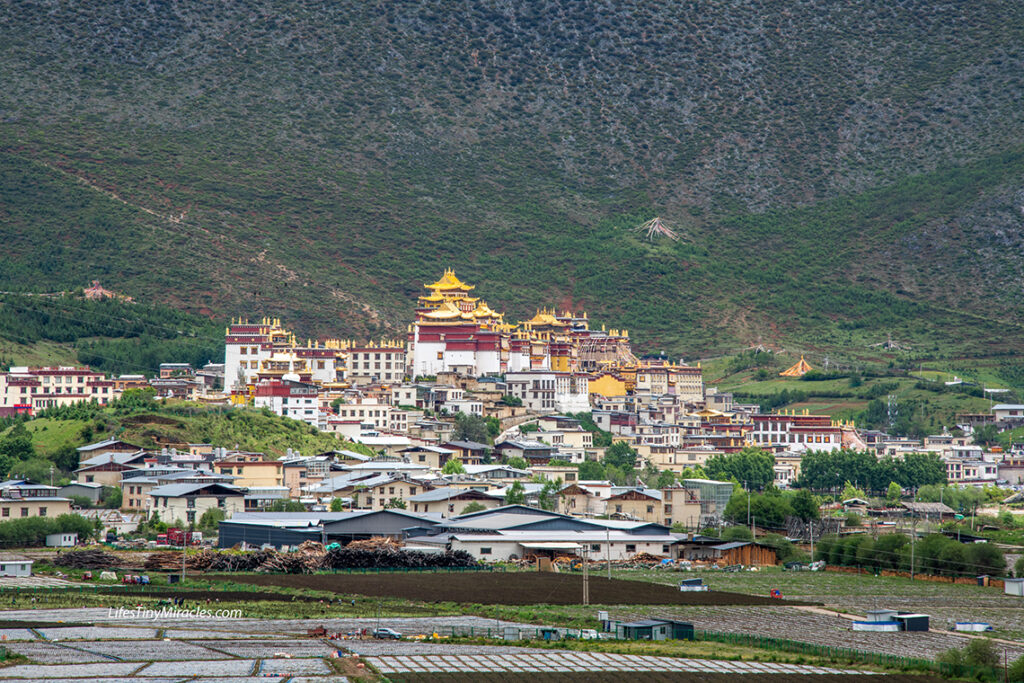
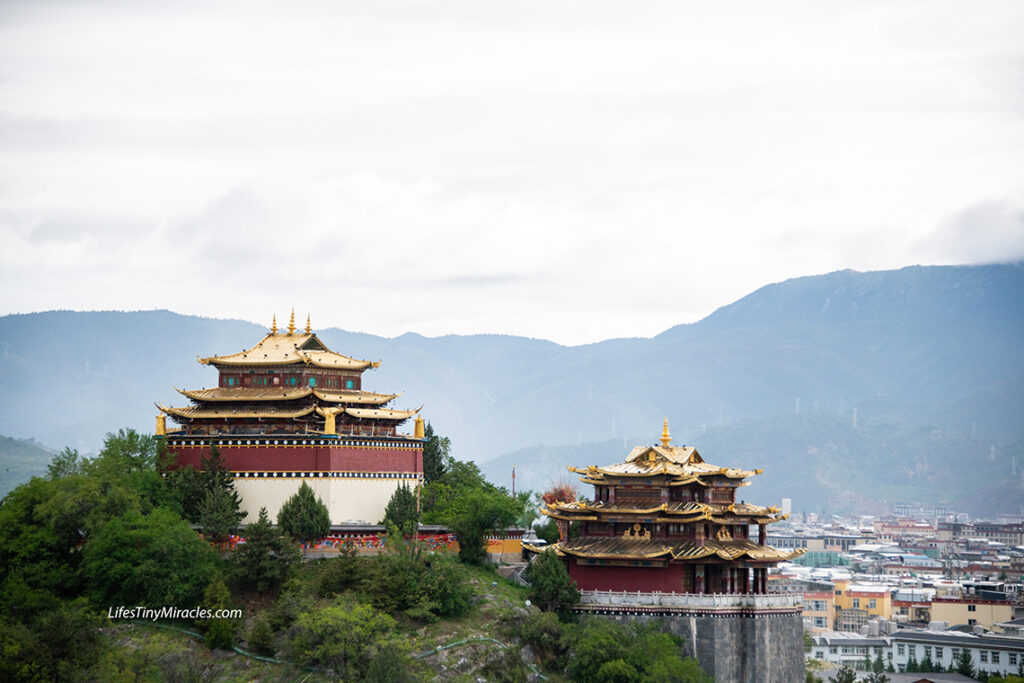
We spent two unforgettable nights at Hotel Indigo Diqing Shangri-La 迪庆香格里拉英迪格酒店, beautifully perched on a hill overlooking the majestic Songzanlin Monastery. Waking up each morning to sweeping views of the monastery’s golden roofs against the highland sky felt so peaceful, like stepping into a Tibetan painting.
What made it special:
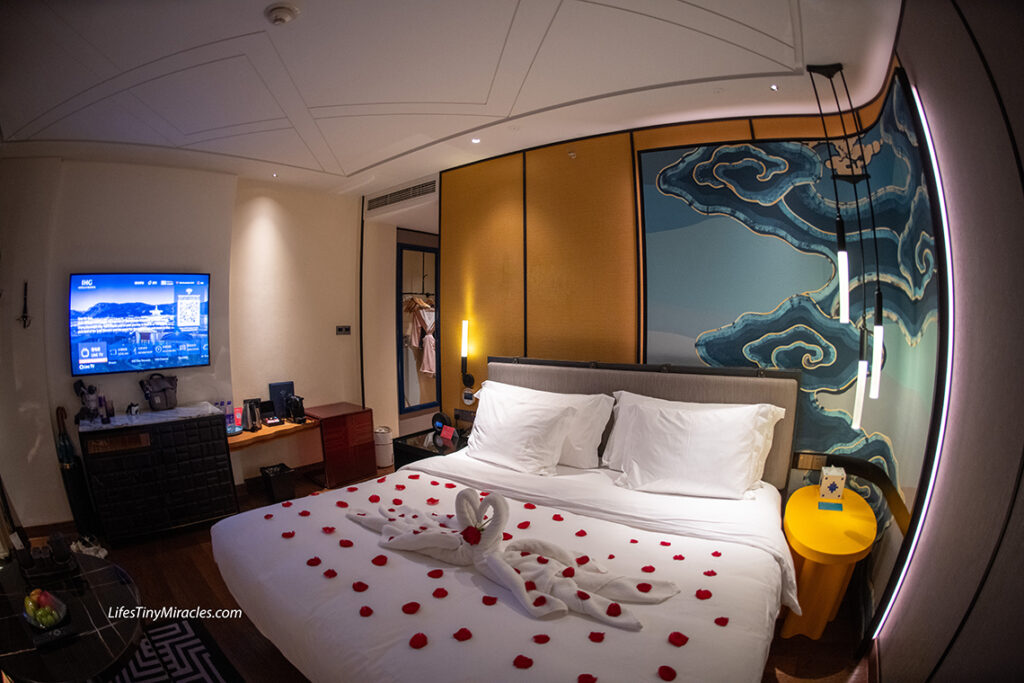
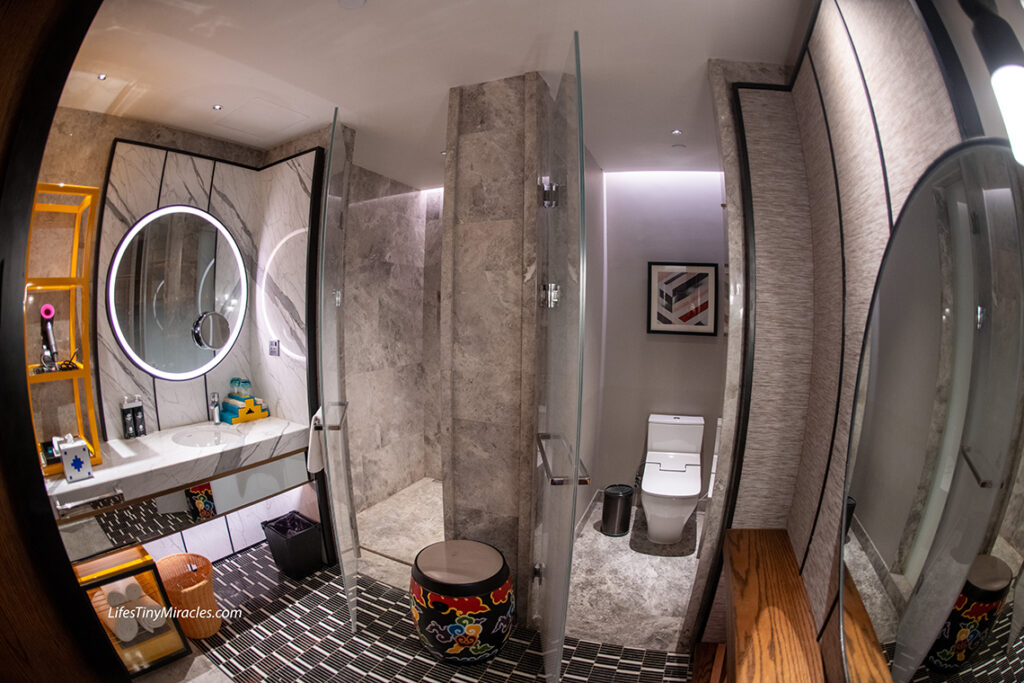
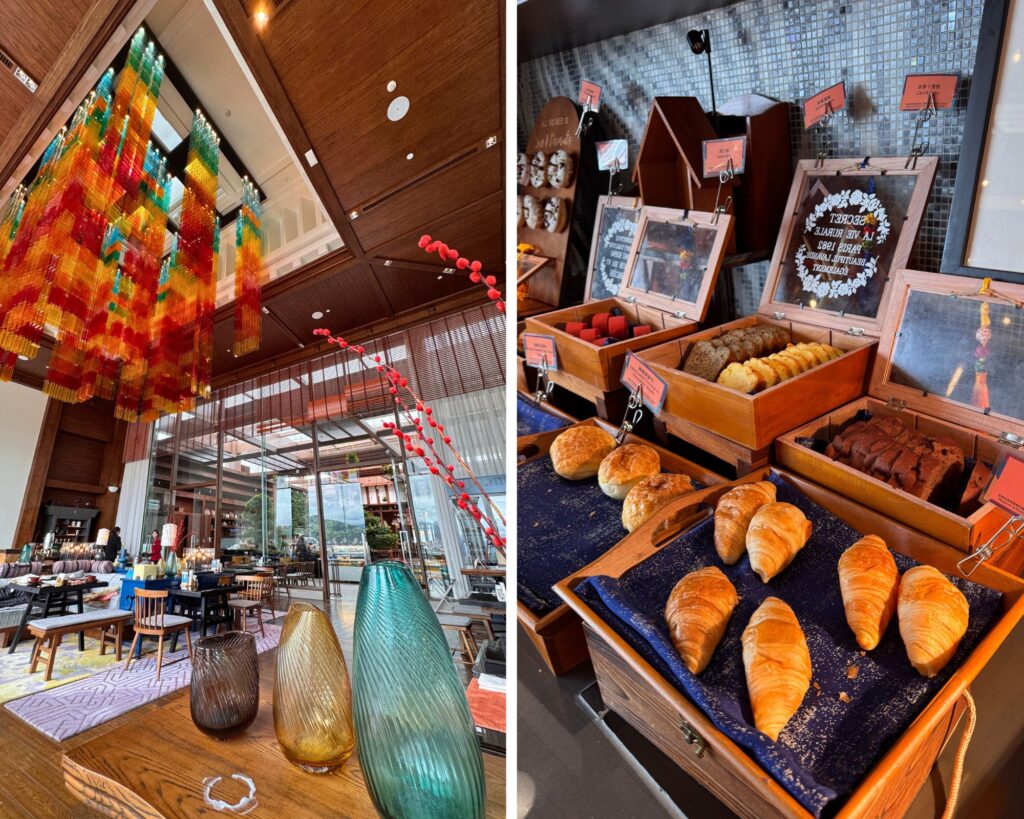
- Warm, spacious rooms thoughtfully designed with Tibetan accents and rich wooden textures, creating a cosy retreat
- Panoramic balcony views of the monastery, especially magical at sunrise and sunset
- Conveniently located near Napa Lake (纳帕海) and Songzanlin Monastery (松赞林寺), making day trips effortless
- A sumptuous breakfast spread with both local and international options to start the day right
- In-room oxygen supply, which was especially reassuring given the higher altitude in Shangri-La
After long days exploring the highlands, returning to the comfort and calm of the hotel felt like a quiet luxury in itself. This is THE perfect base for our Shangri-La experience and THE most luxurious hotel of our entire Yunnan trip!
What to See in Shangri-La
Napa Lake (纳帕海)
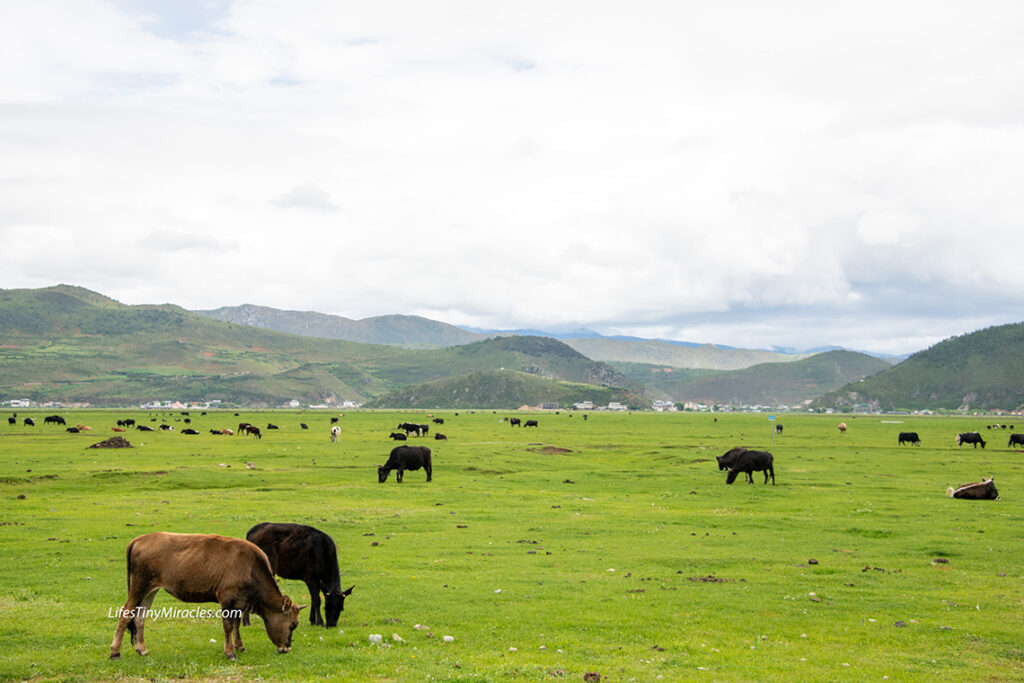
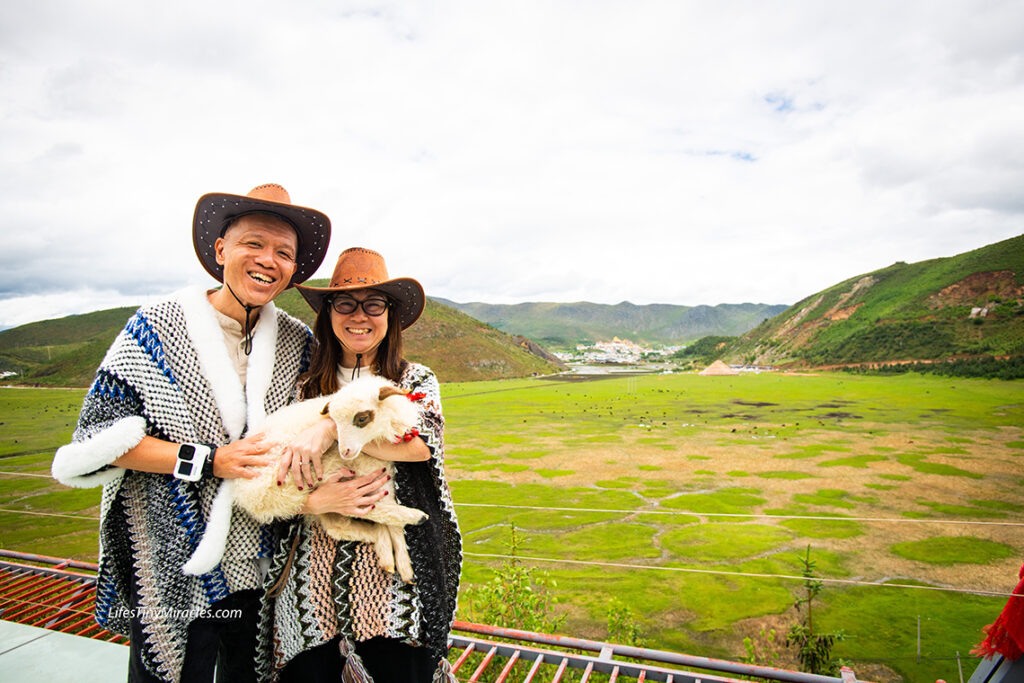
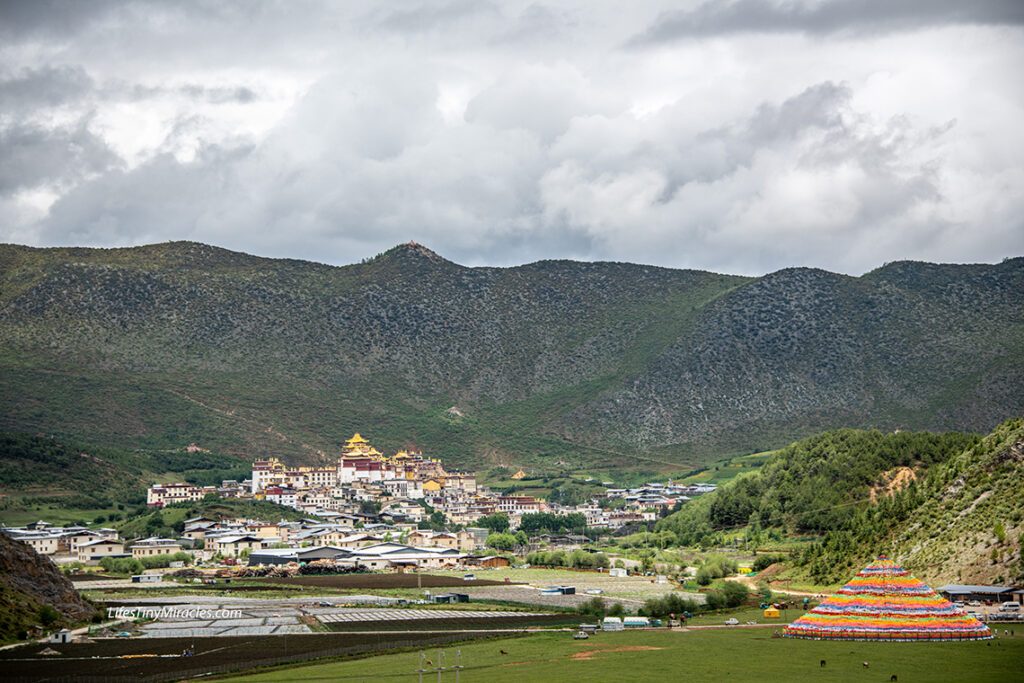
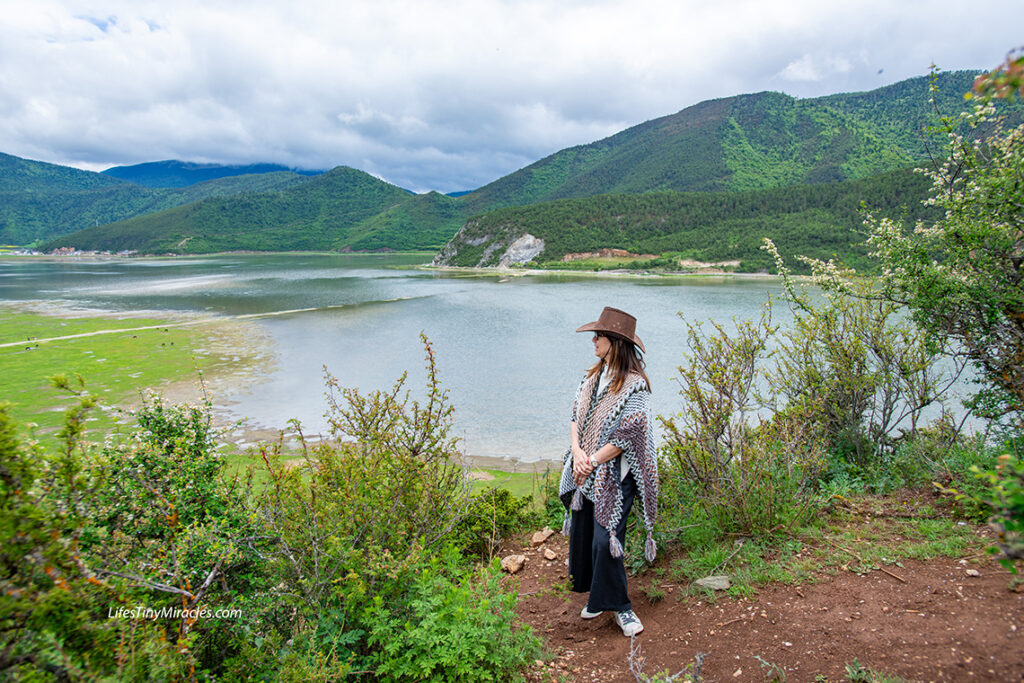
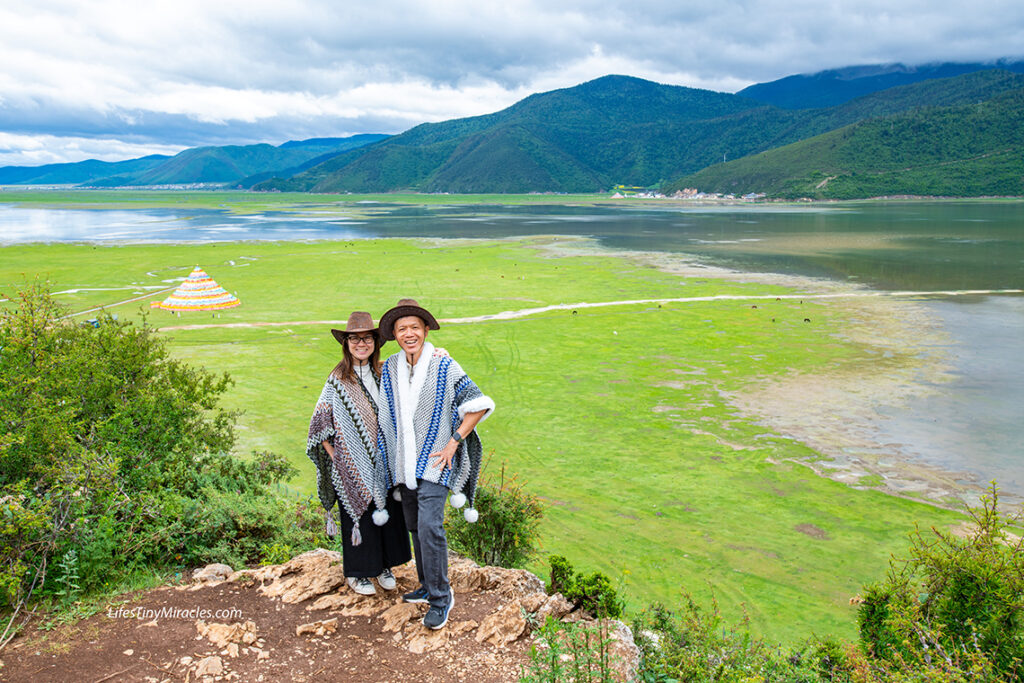
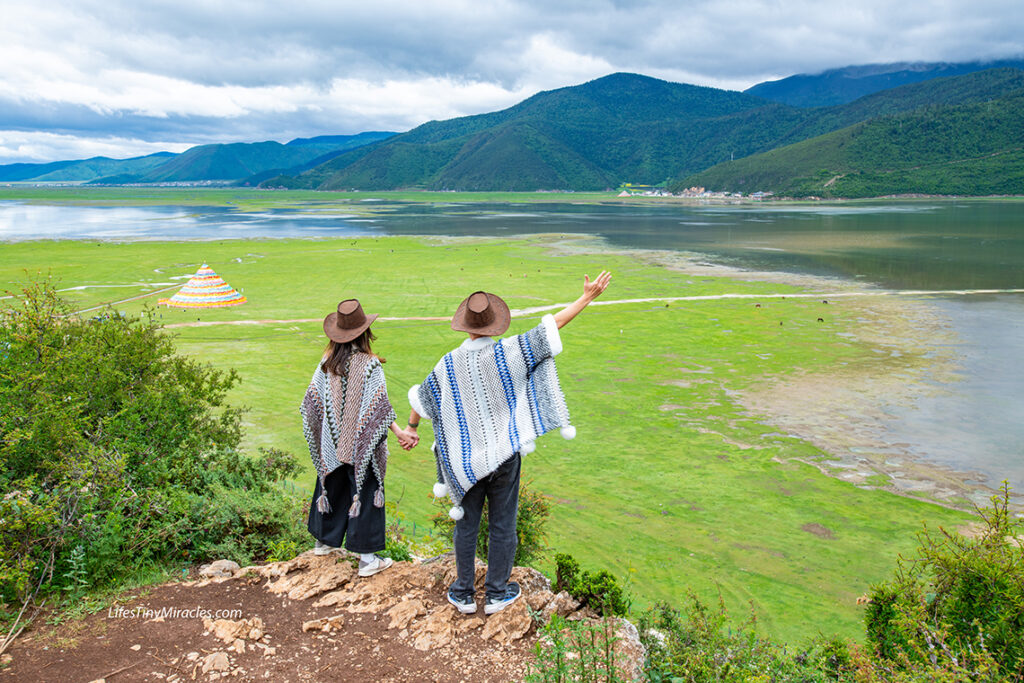
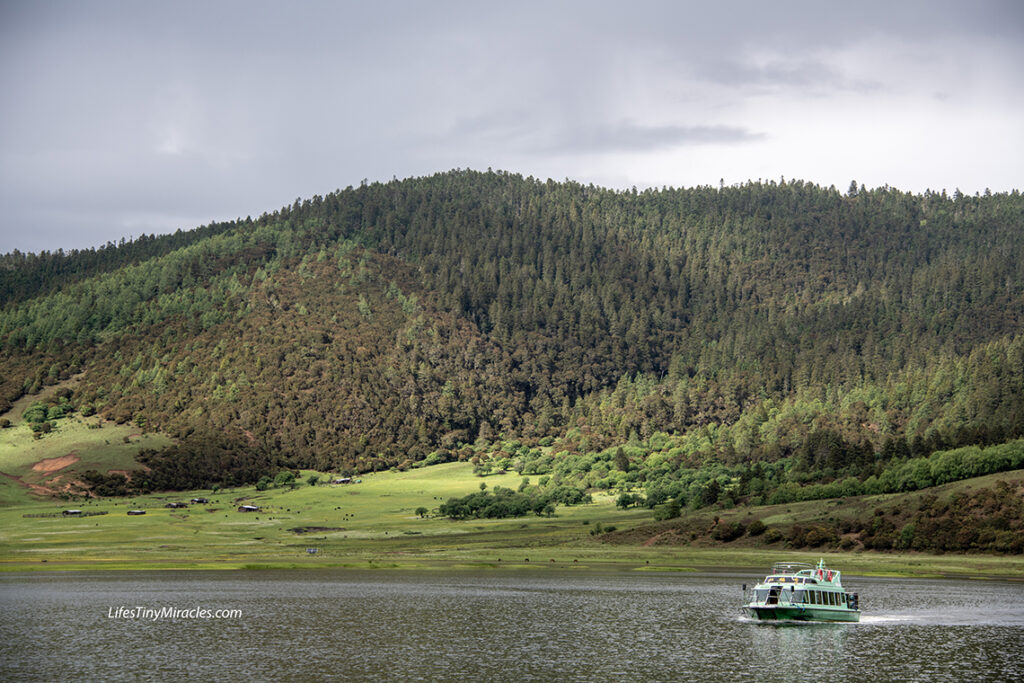
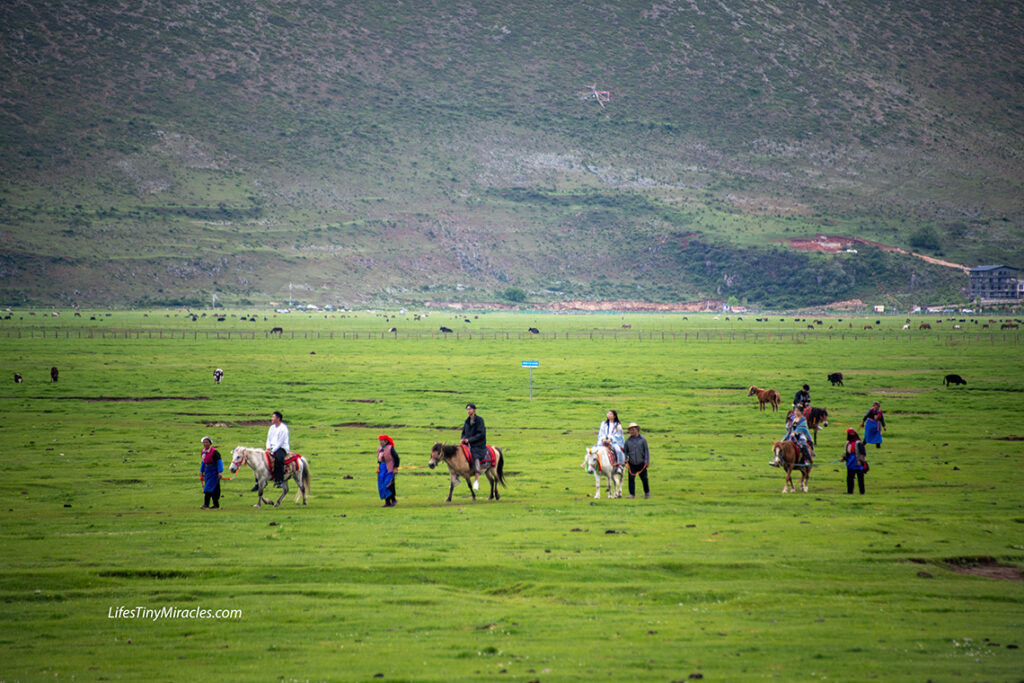
Just a short drive from our hotel, Napa Lake unfolded into a vast highland landscape that felt both wild and serene. During our visit in June, the waters had receded, revealing sweeping green pastures dotted with grazing yaks and horses, framed by distant mountains and patches of wildflowers. We took the opportunity to capture a few couple shots with our tripod, but honestly, no photo could quite do justice to how breathtaking this place felt in person.
Songzanlin Monastery (松赞林寺)
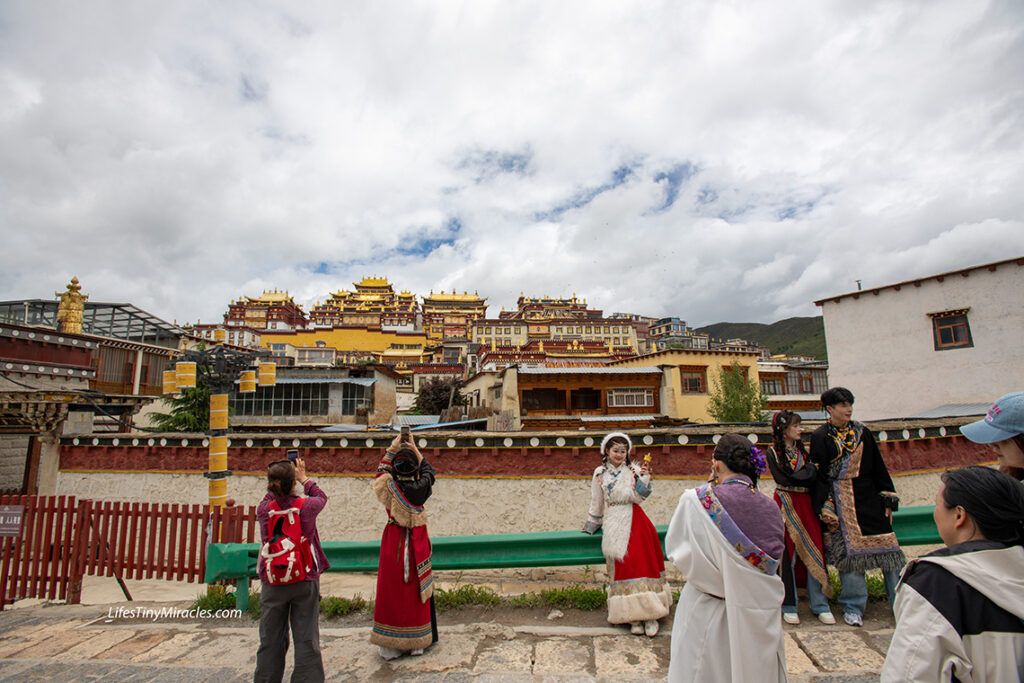
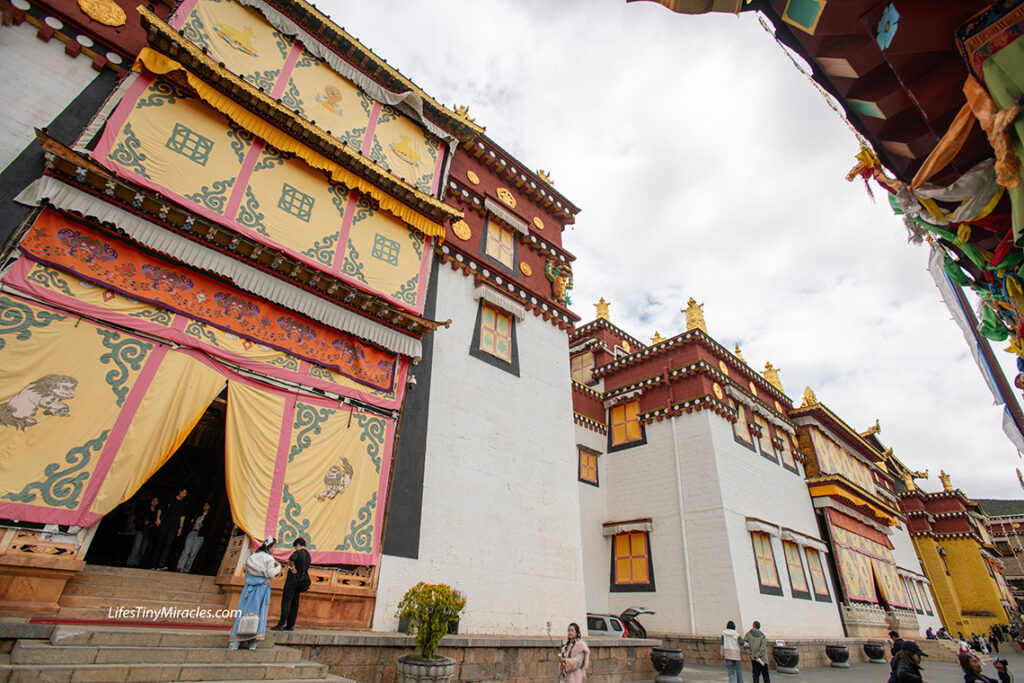
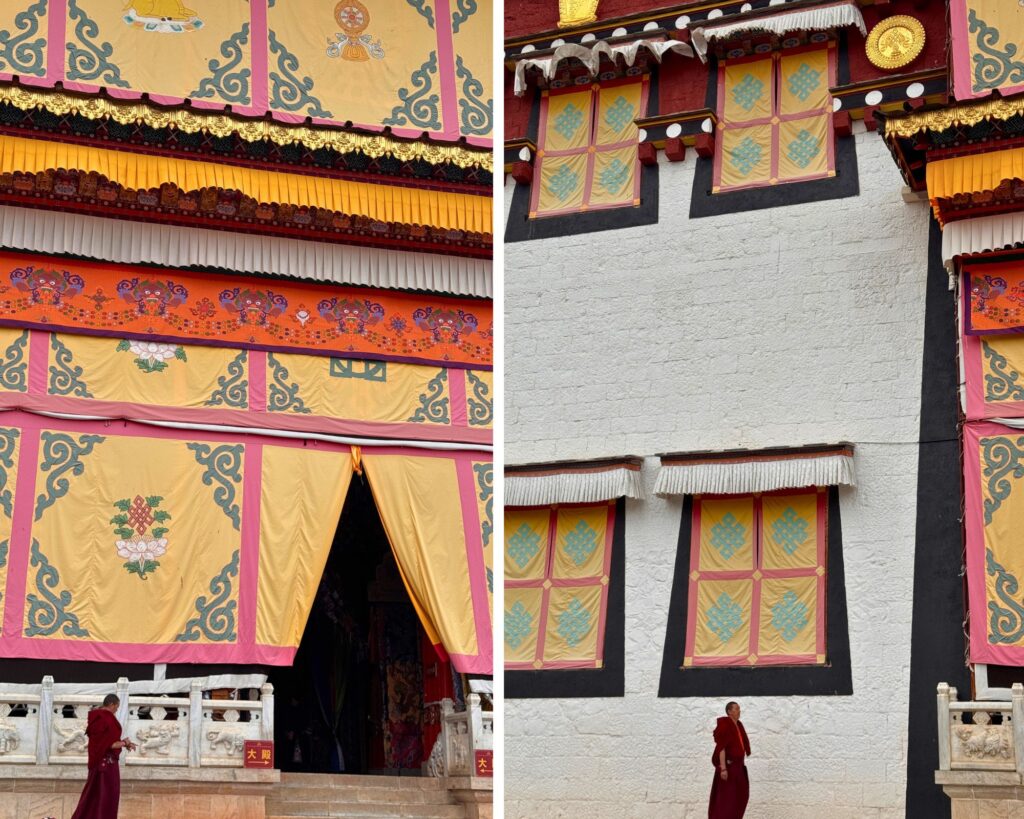
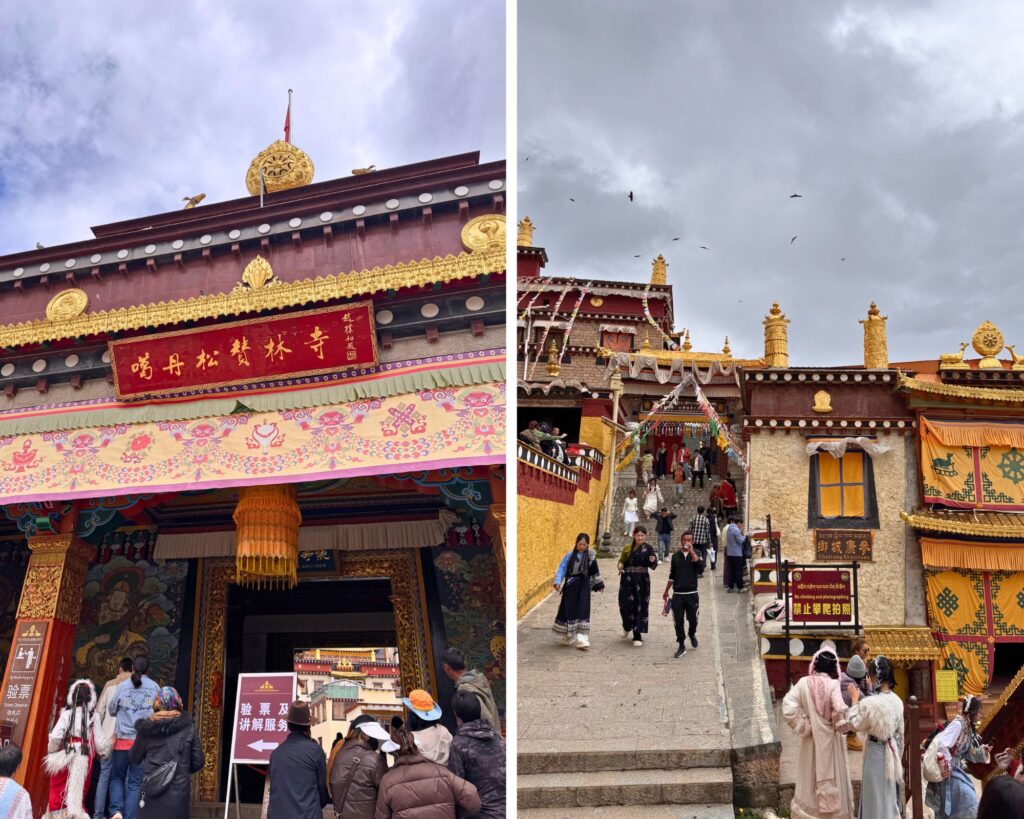
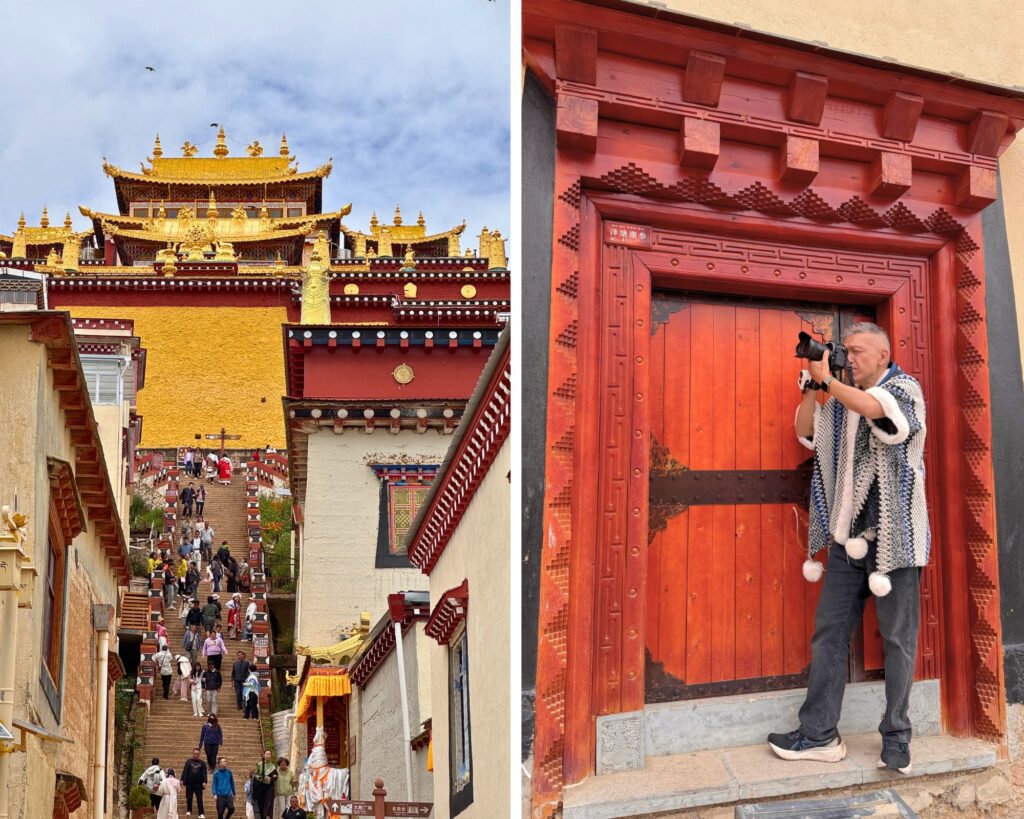
The crown jewel of Shangri-La, Songzanlin Monastery is often referred to as the “Little Potala Palace 小布达拉宫”and it’s easy to see why. Perched on a hillside with golden roofs gleaming under the sun, the monastery exudes both grandeur and serenity. As we explored its grounds, we found ourselves slowing down, drawn into its peaceful rhythm. To fully appreciate the scale, beauty and spiritual atmosphere of the monastery, I would recommend setting aside at least 2–3 hours to wander through its halls, courtyards and viewpoints at a relaxed pace.
We wandered through:
- Grand prayer halls filled with intricate murals and the soft scent of incense
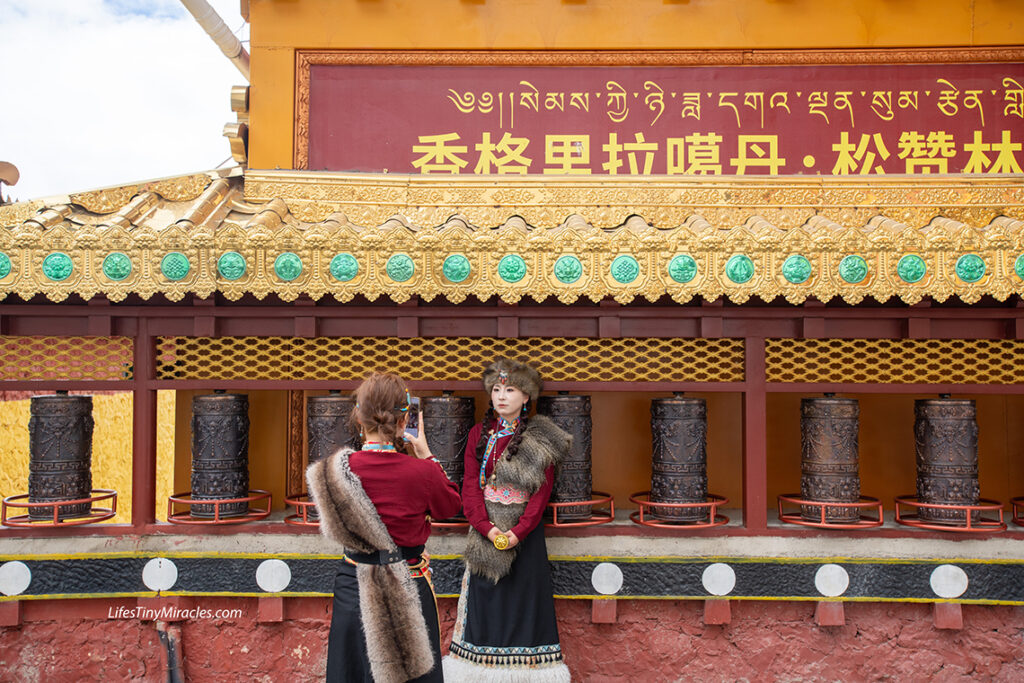
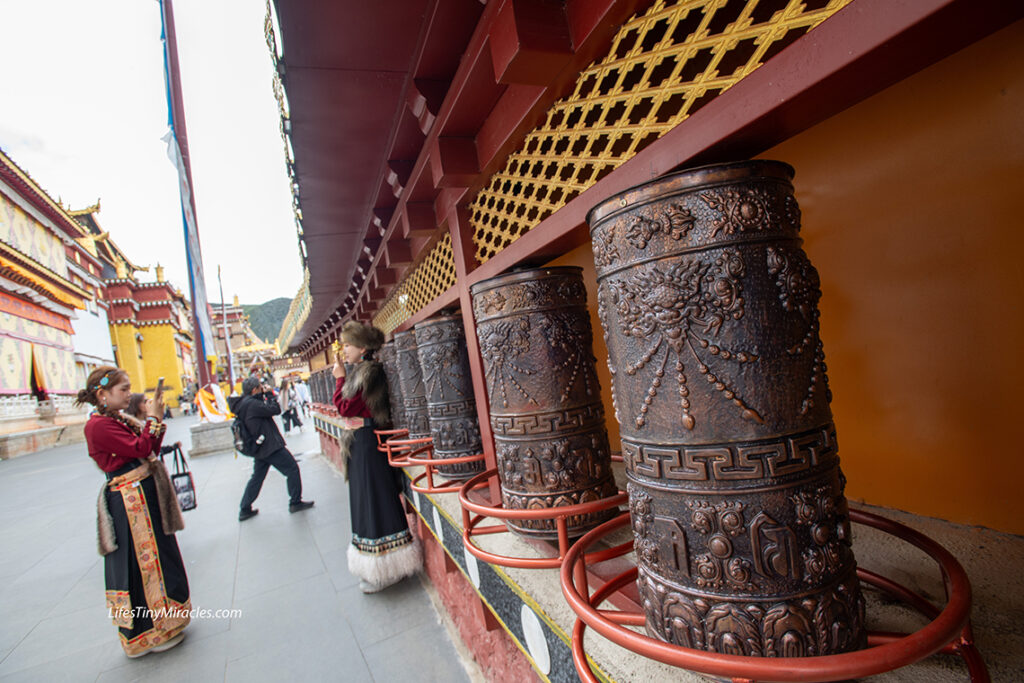
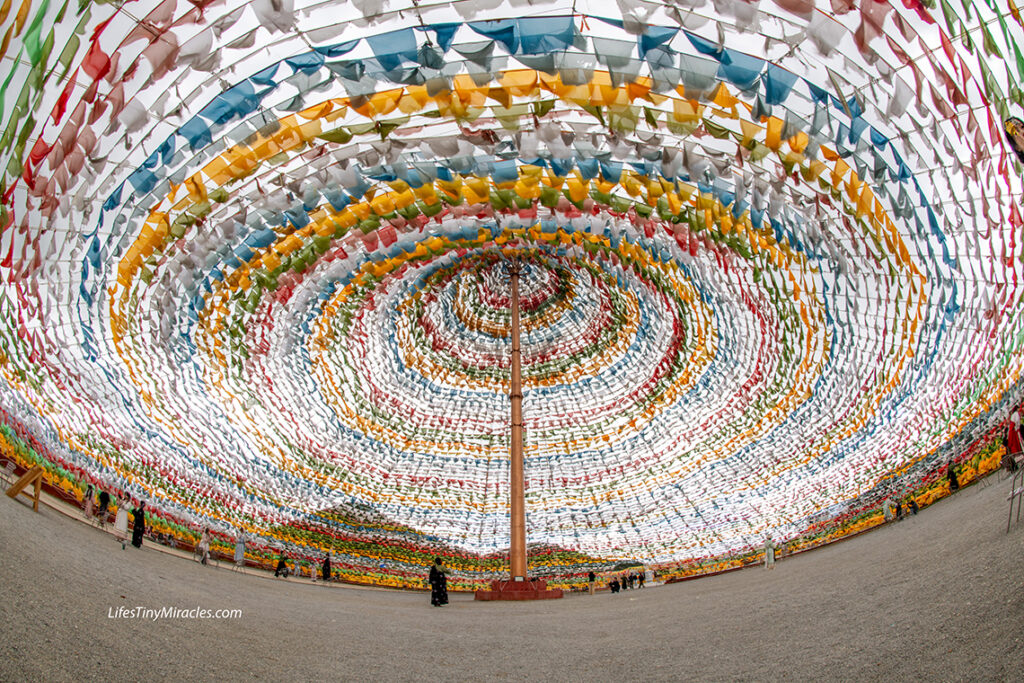
- Long rows of golden prayer wheels, quietly spinning with whispered prayers
- Staircases and balconies that opened up to breathtaking views of the valley below
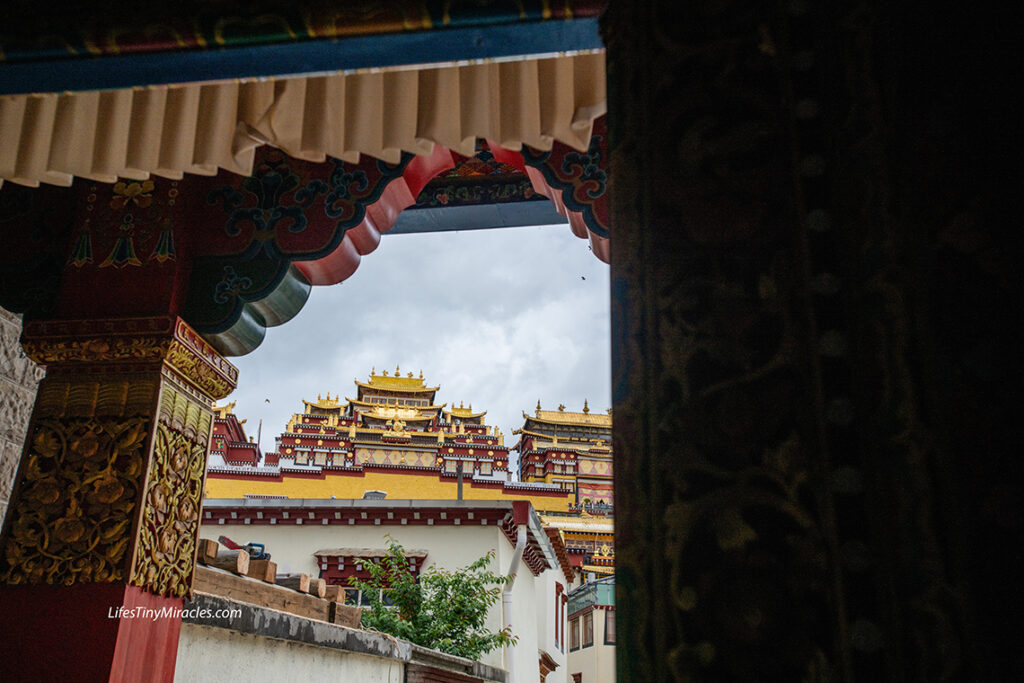
Guided Tours at Songzanlin Monastery
- Your entrance ticket usually includes a basic guided explanation (in Mandarin) once you arrive at the main complex
- These are not fixed-time tours like museums. They are typically conducted in small groups formed on-site and will start as batches of visitors arrive (especially during peak hours)
- Some scenic area buses or ticket counters may assign you to a guide upon entry
General Visiting Hours
- Opening hours are 8:00 AM – 6:00 PM
- Best time to visit:
- Morning (8–10 AM) → quieter, better light, more attentive guides
- Midday → more crowded, tours feel more rushed
Travel Tip:
- Consider joining one of their free guided tours (which runs several times each day) to better understand the history and significance of the monastery
- Photography is not allowed inside the main shrine halls. Be respectful of local customs
What to Eat & Buy in Shangri-La
Food in Shangri-La is hearty, comforting, and deeply rooted in Tibetan culture, perfect for the cool highland climate. Some dishes we tried include:
- Yak meat hotpot – Rich, savoury, and incredibly warming after a day out in the cold
- Tibetan barley buns – Soft and slightly nutty, best enjoyed with rose jam or paired with traditional butter tea
- Highland barley tea – A staple in local households; light, nutty, and surprisingly comforting
If you’re looking for souvenirs, Shangri-La offers plenty of unique, locally made finds:
- Local incense – earthy scents often used in Tibetan rituals
- Rose pastries – fragrant and delicately sweet
- Yak jerky – flavourful and distinctly local
- Handcrafted woven ornaments – intricate pieces that reflect Tibetan artistry and culture
Unique Activities in Shangri-La
The people, culture and practices in Shangri-La are evidently different from the rest of Yunnan (and China.). Here are 2 unique activities which we did to gain a deeper appreciation of the culture there.
A Meaningful Visit to a Tibetan (藏族) Family Home
One of the most memorable moments of our Shangri-La journey wasn’t planned at all. It was a simple, heartfelt invitation arranged by our driver. We found ourselves welcomed into his cousin’s traditional Tibetan home, where we sat cross-legged around a low table, sipping freshly brewed yak butter tea.
What made this experience so special was how genuine it felt. This wasn’t a curated tourist stop. It was a impromptu visit yet they hosted us graciously. Over Tibetan barley tea, we listened to stories of life in the highlands, their festivals and how the community has slowly evolved with the rise of tourism.
In that moment, the distance between our worlds felt smaller. It was a rare and humbling glimpse into a way of life so different from our own in Singapore, one that reminded us that the most meaningful parts of travel are often the most unexpected. Because sometimes, it’s not the places we visit but the people we meet and the stories they share that stay with us long after the journey ends.

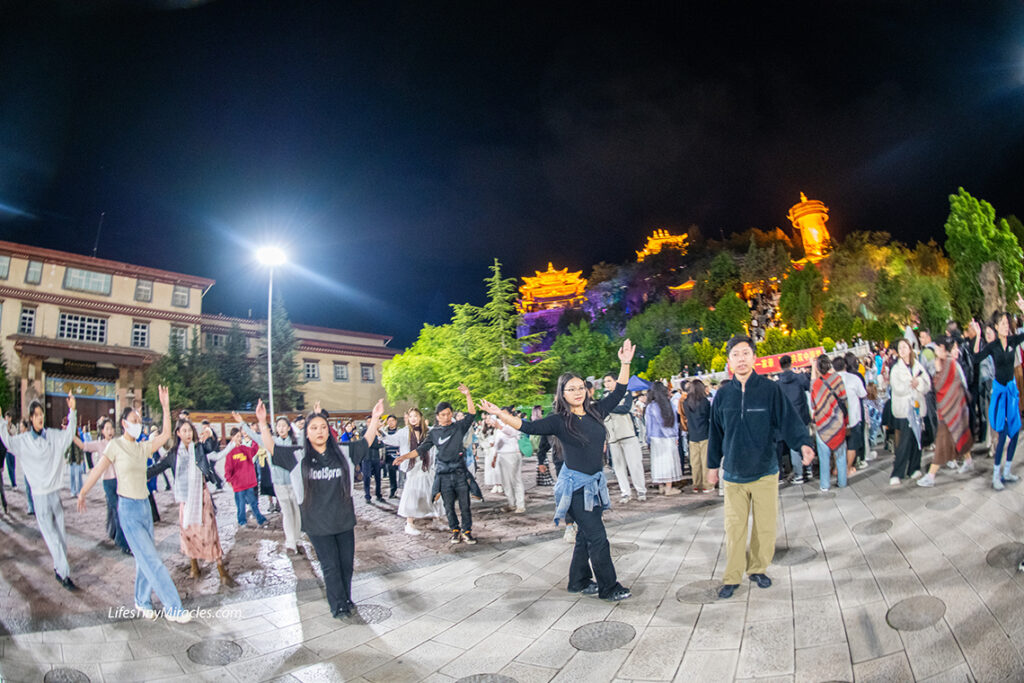
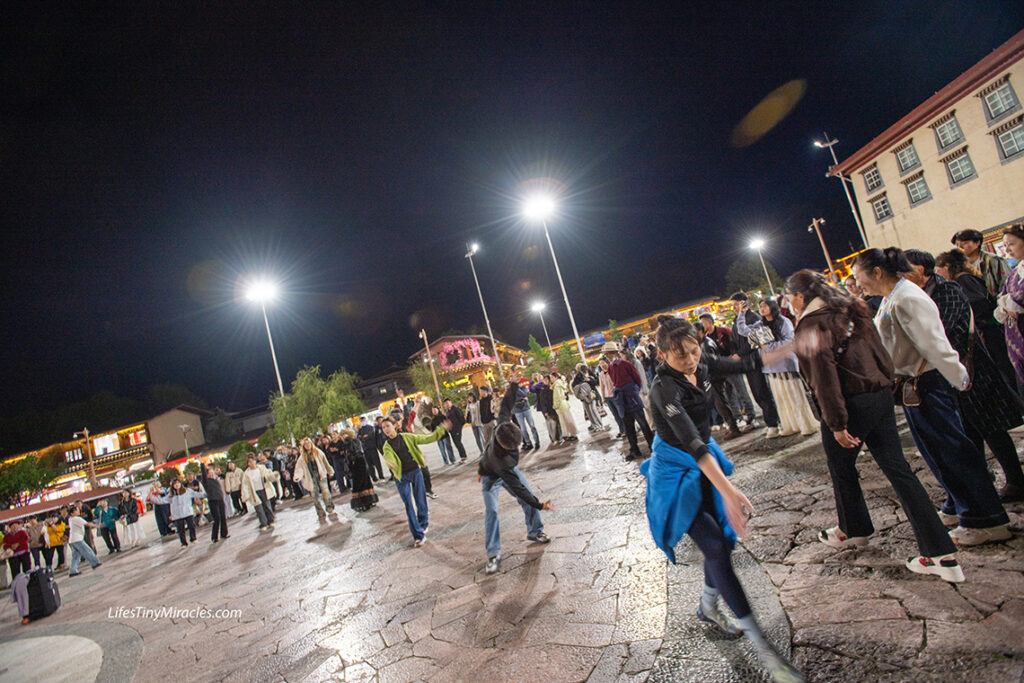
Joining locals for Communcal Dance at Dukezong Ancient Town
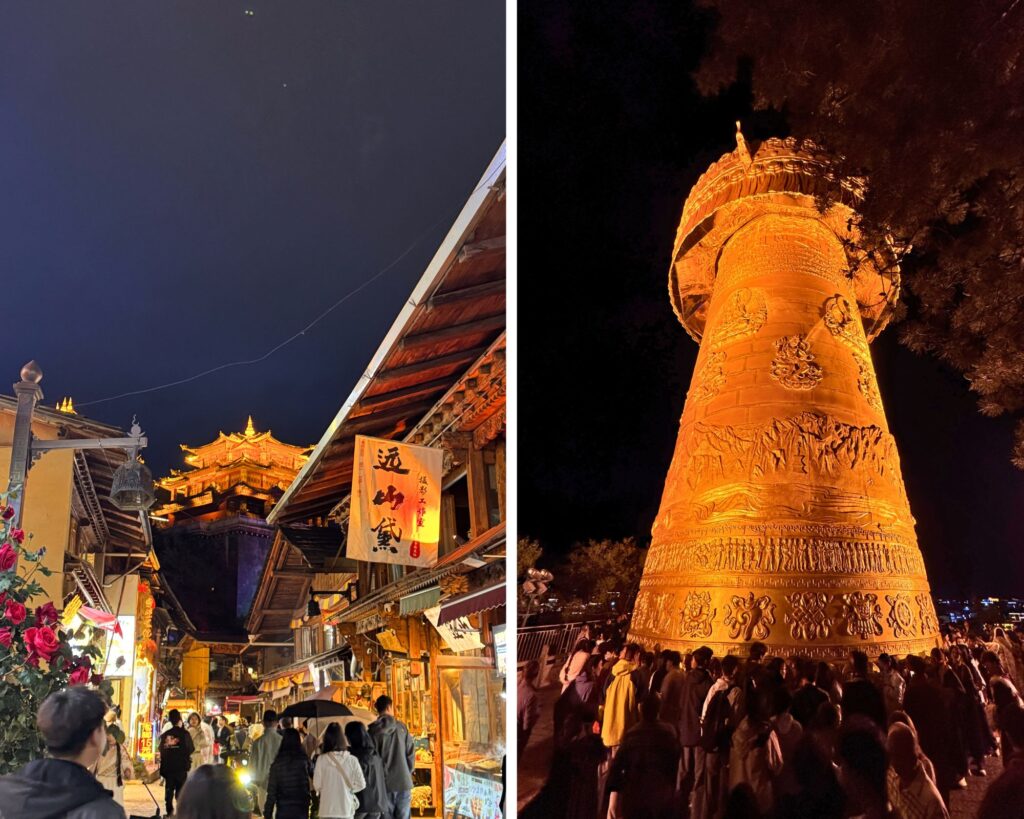
Situated at Square Street/Guishan Park (i.e. at the foot of the largest prayer wheel in the world), locals would gather in the city square for Guozhuang (circle dancing) every evening at dusk. This casual, free communal event is a great way to be immersed with the local way of life. There we saw the young and ‘not-so-young’ freely dancing to traditional tunes while forming the dance circle. The circle can get quite large and there may be smaller ones being formed. It’s quite an experience! It was a very meaningful way to end our trip at Shangri-La.
Travel Tips: How to Prevent Altitude Sickness in Shangri-La
Many travellers from Singapore (especially first-timers to highland destinations) often worry about altitude sickness, and understandably so. At over 3,000 metres above sea level, Shangri-La’s thinner air can sometimes cause mild symptoms like headaches, nausea or dizziness.
For us, we didn’t experience any altitude sickness but we did take a few simple precautions that made a big difference. Before the trip, we visited our GP family doctor in Singapore to get a prescription for Diamox (acetazolamide), a common medication for altitude adjustment. It’s recommended to start taking it 24 to 48 hours before ascending to higher altitudes like Shangri-La.
We also made a conscious effort to:
- Ascend gradually (our route from Kunming → Dali → Lijiang → Shangri-La helped our bodies acclimatise)
- Stay well-hydrated and avoid alcoholic drinks
- Take it slow upon arrival. No strenuous activity (like hiking or gym exercises)
- Avoid washing our hair on the first day in Shangri-La (a common local tip)
- Listen to our bodies and rest (if feeling dizzy or breathless)
When travelling to higher elevations, our driver also had portable oxygen canisters in the car for reassurance, though we didn’t need to use them. These are also easily available locally if you prefer to have them as a backup.
Thankfully, none of us experienced any serious symptoms. We believe that preparation and pacing made all the difference. If you’re planning to include Shangri-La in your Yunnan itinerary, do consult your doctor beforehand (especially if you have any underlying health conditions). With the right planning and precautions, Yunnan is very manageable and absolutely worth the journey.

Coming Up Next in Part 4…
Think relaxed city vibes, a leisurely photo walk through Kunming’s charming streets, a quiet morning at Green Lake Park and one last chance to soak in the beauty of Yunnan before heading home to Singapore.
In the final leg of our Yunnan journey, we take the high-speed rail from Shangri-La back to Kunming, where the pace gently slows once more.
📍 Stay tuned for Part 4: From Shangri-La to Kunming – Slowing Down in Kunming Before Heading Home
Read our complete DIY Yunnan Travelogues here:
DIY 9D8N Yunnan Part 1: From Singapore to Kunming & Dali + Travel Tips for First-timers to China
DIY 9D8N Yunnan (Part 3): From Lijiang to Shangri-La – Highland Dreams & Tibetan Tranquility
DIY 9D8N Yunnan (Part 4): Our Final Stop in Yunnan – Slowing Down in Kunming Before Heading Home