One of the clearest signals from my Milan Design Week 2026 field research is that materials are not secondary anymore. Instead, they are really becoming the main protagonists of interior design.
They are not simply finishes, surfaces or decorative choices added at the end of a project. Increasingly, they are the elements leading the conversation: shaping atmosphere, spatial identity, emotional response and even brand positioning. Material substance is what makes a space more interesting, more lived in, more layered, and I would say different form the flattening we are experiencing because of AI.
Across the installations and presentations I analyzed this year, the most interesting projects were not obviously using materials as isolated “trends to copy”, this should be never the way to properly understand trend directions….But instead, it was about using them as a language, or as a way to show a process, or to tell about heritage….
I am sharing some points in this blogpost, part of a much wider reflection we did at TRENDBARK Studio during our trend seminar from Milan.
.
1. Stone as Architecture
Stone is no longer just a surface. In several projects, marble and natural stone were treated as architectural elements: becoming envelope, volume, atmosphere and spatial identity. From a sculptural use to envelopping surfaces, stone can offer many interesting variations we were maybe not used to see before.
This is an inspiration I think can be especially relevant for architects, interior designers, surface brands, high-end residential projects and hospitality interiors, where materials are expected to communicate solidity, permanence and emotional value.

.
2. Metal as Spatial Language
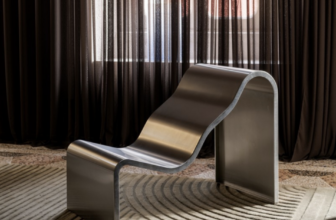
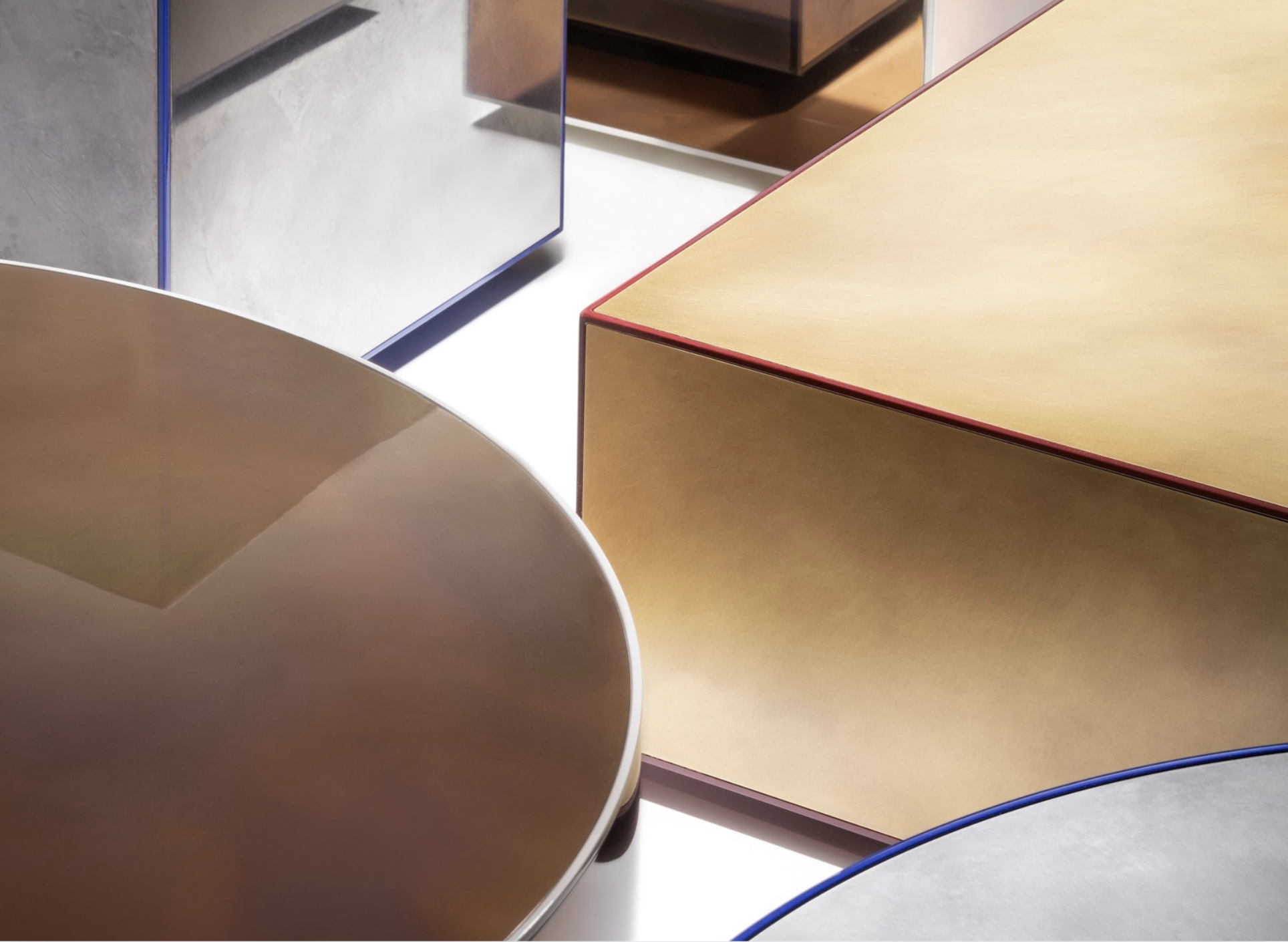
Metal was another important material direction from Milan Design Week 2026, but I observed it not only in the obvious sense of chrome, steel or industrial detail. A trend that we have been observing at TRENDBARK for three years now.
The most interesting examples showed metal as something much more layered: architectural, organic, tactile and emotional. In the seminar at TRENDBARK Studio, I used a case study to read four sophisticated metal logics: metal as architectural rhythm, metal as landscape, metal as high texture, and metal combined with colour.


.
3. One Concept, One Clear Idea, Executed Well
Not every relevant signal from Milan Design Week 2026 was about a specific material. Some projects were interesting because they showed something even more important: how a clear concept can become a complete spatial experience.
An Orange Room I observed at Salone del Mobile was a good example of this. What made it strong was not simply the use of orange, or textiles, or furniture. It was the clarity of the idea.
A monochromatic orange room where walls, ceiling, floor and furniture worked together as one immersive environment, inspired by a clear concept. This is especially relevant for contract and hospitality design, where memorability often matters more than familiarity. In these spaces, colour, material, furniture and atmosphere need to work together to create identity.
/
Final Thoughts
What these examples have in common is not simply the use of marble, metal, colour or immersive installations. What matters is how these elements are used to build a complete design language.
This is where trend research becomes useful: not as a checklist of things to copy, but as a way to understand how the aesthetic language of the present is being translated into spaces, products and experiences.
This is exactly the kind of research we develop inside TRENDBARK Studio: a professional trend intelligence hub for designers, brands and creative studios who want to go beyond visual inspiration and understand what is really shaping interiors now. Members get access to the full Milan Design Week 2026 Trendbook, seminar replays, monthly foresight tools and strategic research to support more informed, future-facing design decisions.