I am a grown man who has cried at a video game exactly fourteen times, and I’m about to list most of them. I’ve ugly-cried at a pixelated funeral, welled up during a horse ride, and once had to pause a game about a terminally ill toddler because I couldn’t see the screen properly. I’m not proud of all of it. I’m not ashamed of any of it. Video games have spent the last three decades proving they can hit harder than any other medium when they want to, and the moments below are the proof… the ones that caught us, broke us, and stayed with us long after the credits rolled.
If you’ve ever doubted that games can tell stories as well as books or film, this list is the counterargument. Fair warning: spoilers for absolutely everything below. Every single entry. If you haven’t played it yet, skip that one and come back later. You’ll thank me.
The Deaths That Broke Us
Some characters don’t just die. They leave a crater.
Aerith Gainsborough — Final Fantasy VII (1997)
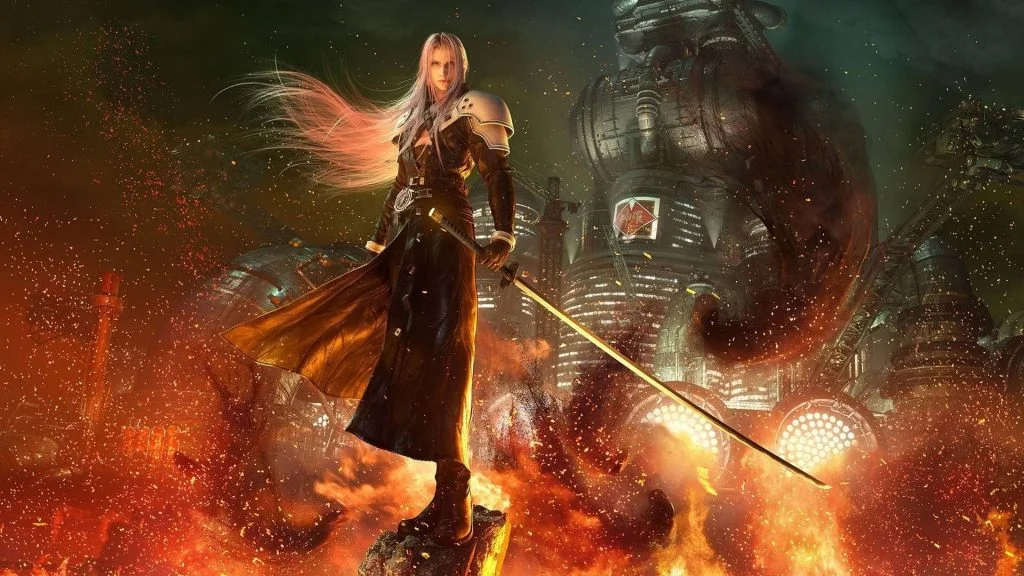
The one that started it all for an entire generation. Sephiroth’s blade, the materia bouncing down the steps, that music… it wasn’t just sad because Aerith died. It was sad because the game had spent twenty hours making you love her, and then it took her away in a cutscene you couldn’t stop. No reload. No phoenix down. Just gone. If you were thirteen when this happened, a part of you is still thirteen when you think about it.
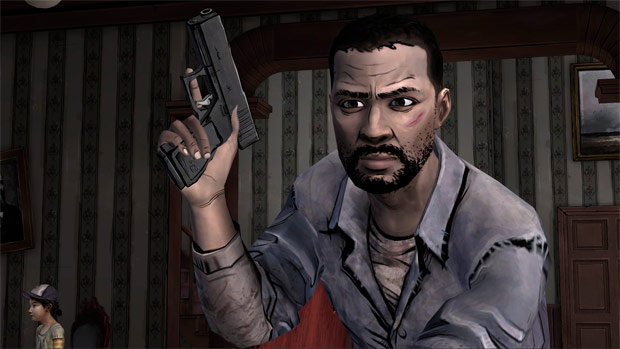
Lee Everett — The Walking Dead Season 1 (2012)
Telltale’s masterpiece earns its ending in every single conversation choice. By the time you’re sat in that room with Clementine, bitten and fading, the question of whether she pulls the trigger is the most devastating multiple-choice question in gaming history. The fact that you have to tell a child to do it… that’s not a game mechanic. That’s grief.

Joel Miller — The Last of Us Part II (2020)
Naughty Dog did the unthinkable and killed their protagonist inside the first two hours. Not heroically. Not in a blaze of glory. Joel dies on his knees, beaten to death with a golf club, while Ellie watches. It’s ugly, it’s cruel, and it’s the bravest narrative decision a AAA studio has ever made. Half the internet hated it. The other half understood exactly why it had to happen.
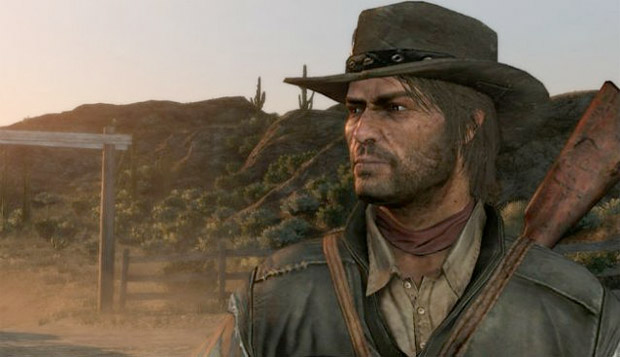
John Marston — Red Dead Redemption (2010)
You spend the entire game trying to earn John’s freedom, and Rockstar lets you believe you’ve done it. The ranch. The family. The quiet life. Then the barn doors open, and there are twenty guns pointed at you. You know what happens next. The switch to Jack afterwards is the twist of the knife — you didn’t save John. You just delayed the inevitable.

Mordin Solus — Mass Effect 3 (2012)
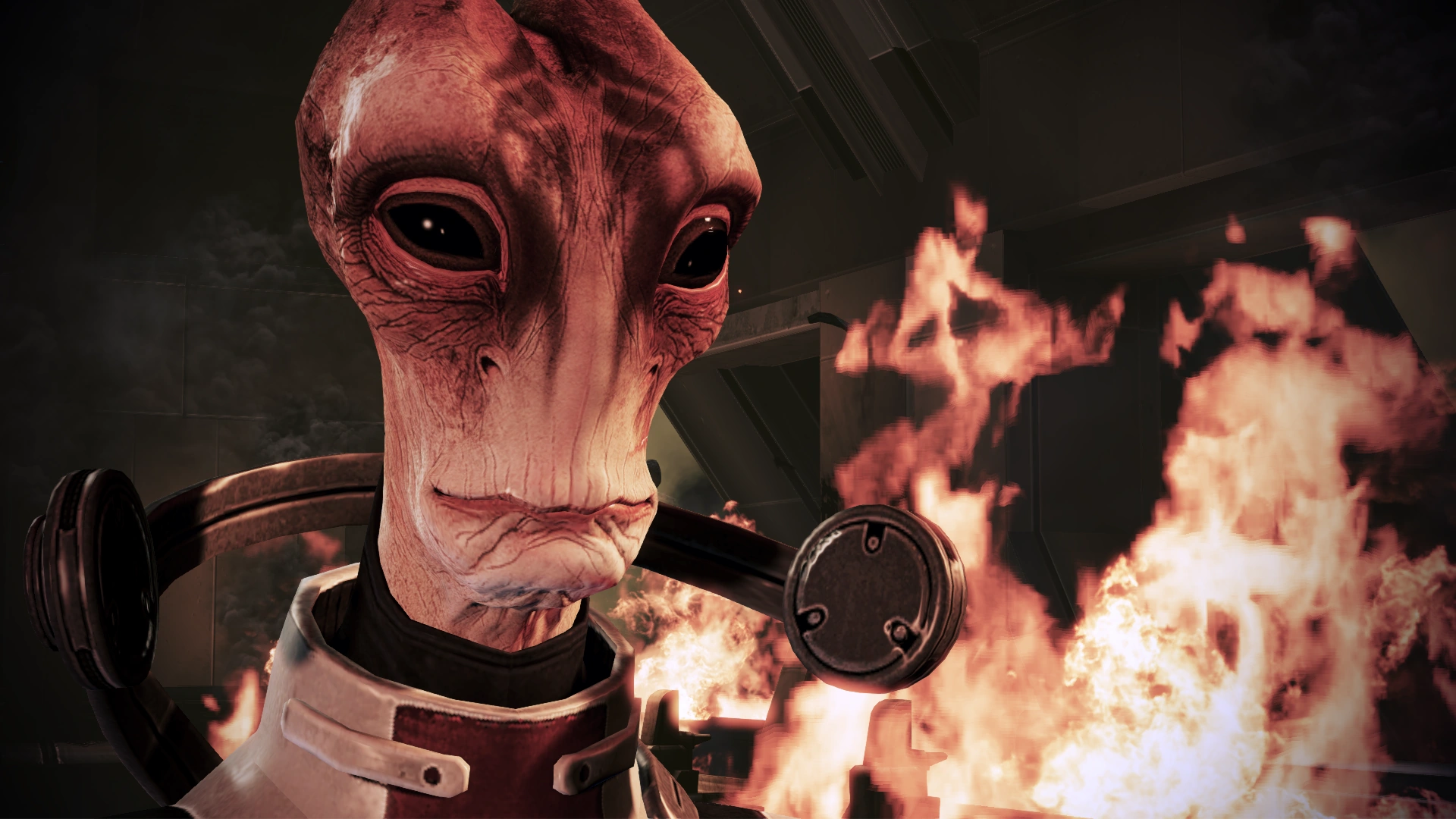
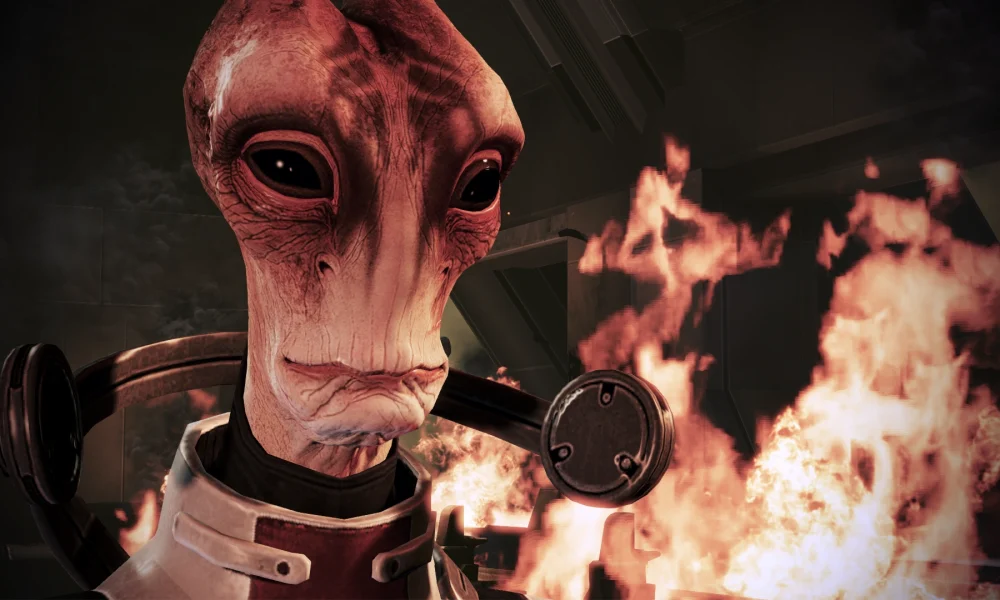
“Had to be me. Someone else might have gotten it wrong.” Six words that destroy you. Mordin’s sacrifice to cure the genophage is the emotional peak of the entire trilogy — a scientist undoing his own greatest mistake, singing Gilbert and Sullivan as the tower explodes around him. If you sabotage the cure, it’s somehow even worse.

Dominic Santiago — Gears of War 3 (2011)
Dom finding Maria in Gears 2 was already gut-wrenching. His sacrifice in the third game, driving into a fuel depot to save his squad, set to “Mad World”… it’s a moment that has no right being this affecting in a game about chainsaw guns and chest-high walls. But it is. It really, really is.
The Endings That Stayed With Us
The credits roll, and you just… sit there.

Brothers: A Tale of Two Sons (2013)
The entire game teaches you to control two brothers with two sticks. When the older brother dies and you have to cross the final river alone, the left stick does nothing… until you press the trigger that belonged to him. You feel his absence in your hands. No other game has weaponised its own control scheme like this. None.

NieR: Automata — Ending E (2017)
After dozens of hours and multiple playthroughs, the game asks if you’ll sacrifice your save file to help a stranger. Other players’ messages of encouragement scroll past as you fight the credits themselves. It’s a meditation on meaning, sacrifice, and the connection between strangers — disguised as a bullet-hell shooter. Yoko Taro, you beautiful weirdo.

To the Moon (2011)
A dying man’s last wish is to go to the moon, and two doctors rewrite his memories to make it happen. By the time you understand why he wanted to go — the paper rabbits, the lighthouse, the wife he kept forgetting — you’re a wreck. It’s an RPG Maker game with no combat, and it will ruin your evening in the best possible way.

The Last of Us (2013)
Joel’s lie. That’s it. That’s the entry. He saves Ellie from the operating table, murders a hospital full of people, and tells her the Fireflies gave up looking for a cure. She says “okay.” She doesn’t believe him. And you, the player, just carried out something monstrous because you loved a fictional child too much to let her go. Games that let you play the villain rarely make you feel it this deeply.

Valiant Hearts: The Great War (2014)
Ubisoft’s hand-drawn WWI puzzle game ends with Emile’s execution — not by the enemy, but by his own side. His final letter to his granddaughter, read over the firing squad, is one of the most quietly devastating sequences in gaming. A proper lump-in-the-throat closer.

Crisis Core: Final Fantasy VII (2007)
You know Zack dies. Everyone who played FF7 knows Zack dies. Crisis Core makes you fight his last stand anyway — a battle you literally cannot win, where the commands break apart on screen as he weakens. Knowing doesn’t help. It never helps.
The Quiet Moments That Caught Us Off Guard
No boss fight. No cutscene. Just a feeling you weren’t ready for.

That Dragon, Cancer (2016)
A game made by parents about losing their son Joel to terminal cancer at age five. There’s a scene in a hospital room where the baby won’t stop crying and nothing you do helps — no mechanic, no solution, just helplessness. It’s not entertainment. It’s testimony. I have never recommended it to another parent without adding “…but maybe not this week.”

Spiritfarer — Every Farewell (2020)
You play a ferryman guiding spirits to the afterlife. You feed them, build them homes, hug them… and then you take them to the Everdoor and say goodbye. Every single one hurts differently. Alice’s dementia-fuelled farewell. Atul disappearing without a word. Gwen’s quiet acceptance. It’s a game about death that somehow feels like a warm blanket.

Undertale — True Pacifist Ending (2015)
Asriel’s transformation, the moment everyone you’ve befriended lends you their strength, the revelation of what Flowey really is… Toby Fox built an entire RPG around the idea that you don’t have to fight, and the emotional payoff for that commitment is staggering. The music alone could make you cry.

What Remains of Edith Finch — Lewis’s Story (2017)
Lewis works in a fish cannery, and his daydreams gradually consume the screen until fantasy overtakes reality entirely. It’s a three-minute sequence that says more about depression, escapism, and quiet desperation than most full-length games manage. You don’t even realise what’s happened until it’s over.

Celeste — Summit Conversation (2018)
Madeline sits on the mountain and admits she climbs because she doesn’t know what else to do. It’s a platformer about anxiety and depression that never once feels preachy, and that single conversation at the summit — honest, raw, hopeful — is the reason people tattoo strawberries on their arms.

Gris (2018)
No words. No dialogue. Just colour slowly returning to a broken world as a young woman processes grief. The moment the screen floods with red for the first time is breathtaking — not because anything happens, but because you feel something shift. Pure emotional game design.
The Companion Farewells
They were only NPCs. So why does it feel like losing a mate?

Arthur Morgan’s Horse — Red Dead Redemption 2 (2018)
Arthur’s death is devastating, but it’s the horse that gets people. Your horse — the one you’ve ridden for sixty hours, fed, brushed, calmed during thunderstorms — collapses in the final mission. Arthur kneels, puts his hand on its neck, and says “thank you.” I am told this is where most people lose it entirely. I am told this. By other people. Not from personal experience. Obviously.
Agro — Shadow of the Colossus (2005)
Your horse falls from a crumbling bridge in the final act, and the silence afterwards is deafening. Wander’s stumble, the empty reins… Team Ico understood that the bond between player and animal companion is sometimes stronger than any human relationship in a game. Agro survives, technically. Doesn’t matter. The fall breaks you regardless.

Tali’Zorah / Thane / Legion — Mass Effect 3 (2012)
Mass Effect 3 is a farewell tour, and almost every companion gets a moment that could make this list. Tali removing her mask. Thane’s prayer. Legion’s “does this unit have a soul?” Pick your poison — they all hurt, and they hurt more because you’ve spent three games building those relationships from scratch.
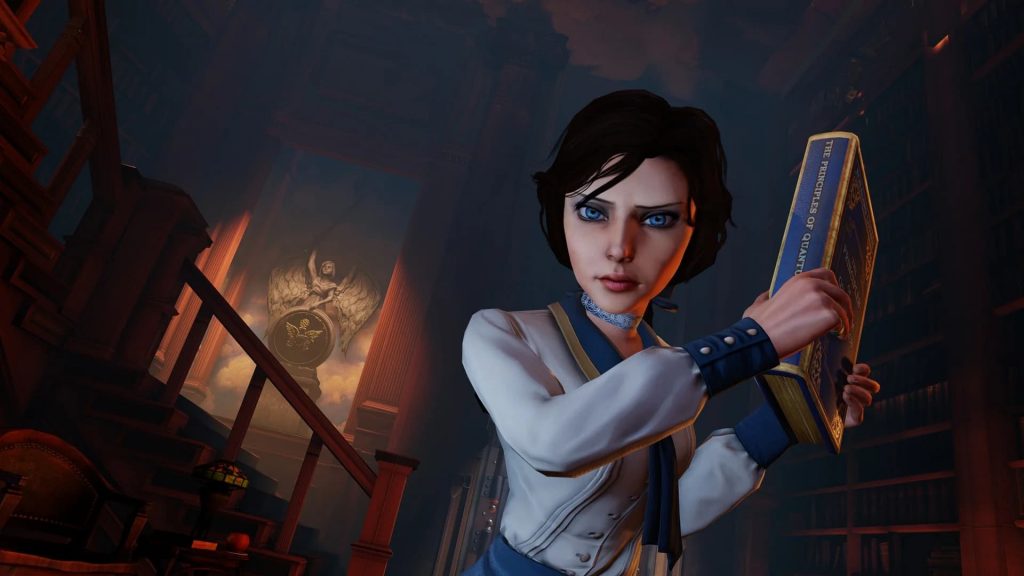
Elizabeth — BioShock Infinite: Burial at Sea (2014)
Elizabeth’s arc across Infinite and its DLC is one of gaming’s great tragedies. Burial at Sea’s ending — her willing sacrifice to save the Little Sisters, knowing full well what it costs — reframes the entire BioShock universe. The final shot lingers long after you’ve closed the game.
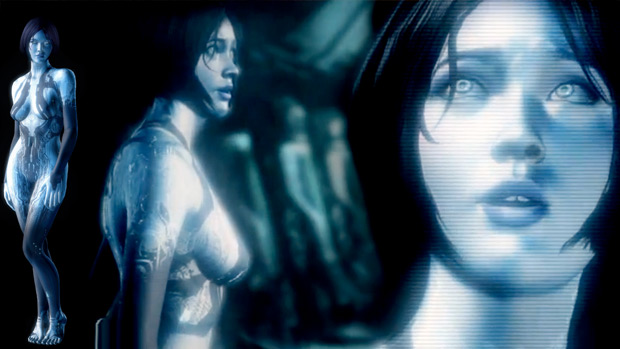
Cortana — Halo 4 (2012)
“Welcome home, John.” Cortana’s deterioration across Halo 4 gives Master Chief his first genuinely emotional arc, and her sacrifice at the end — touching him for the first and last time — is the moment the franchise grew up. Say what you will about what came after. This ending earned its tears.

Midna — The Legend of Zelda: Twilight Princess (2006)
Midna shatters the Mirror of Twilight with a single tear, severing the link between worlds forever. She smiles, says “see you later,” and you know she’s lying. For a Zelda game, it’s an astonishingly bittersweet farewell — and one that Nintendo, wisely, never undid.
The Ones We Didn’t See Coming
You loaded these up expecting fun. You were not prepared.
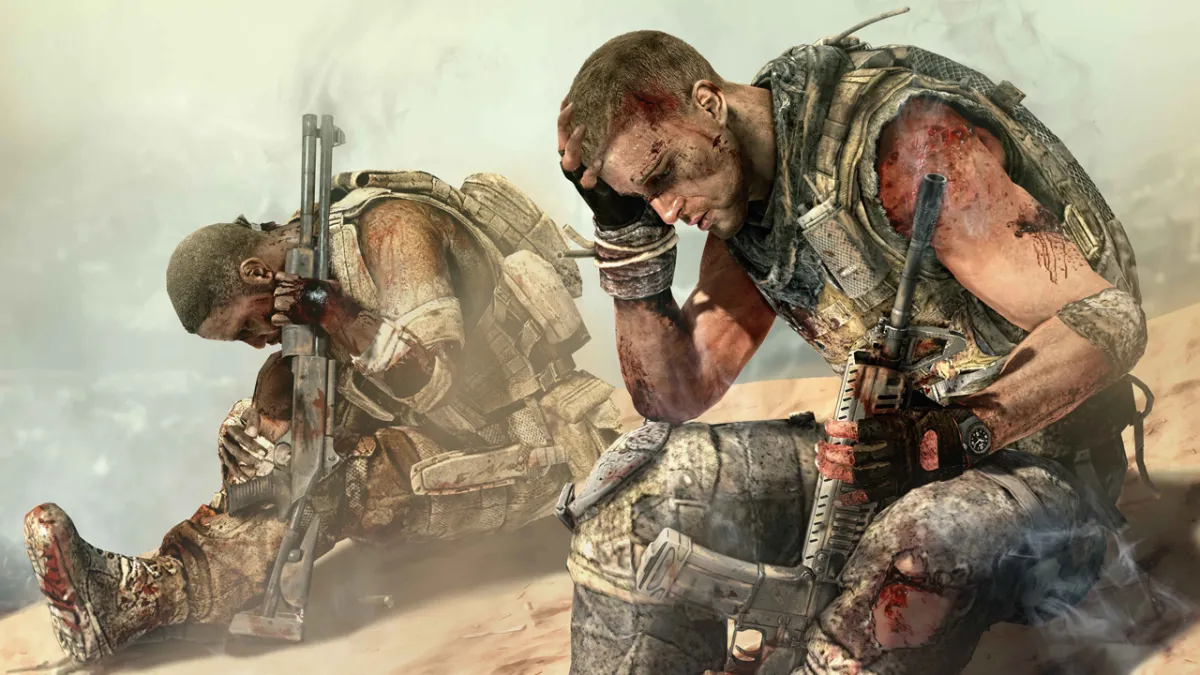
Spec Ops: The Line — White Phosphorus Scene (2012)
You’ve just used white phosphorus on an enemy position. You walk through the aftermath. And then you see the civilians. The mothers. The children. The game doesn’t let you look away. It’s not sad in the way a funeral is sad — it’s sad in the way guilt is sad. You did this. The game made sure you know it.

Metal Gear Solid 3 — The Boss’s Final Salute (2004)
The Boss was never a traitor. She was a patriot who accepted being branded one so the world wouldn’t end. When Snake pulls the trigger in that field of white flowers, and the game forces you to press the button yourself… Kojima understood that the player’s complicity is the cruelest weapon a designer has.

The Walking Dead Season 2 — Kenny’s Arc (2014)
Kenny’s slow unravelling across Season 2 is Telltale at their most unflinching. Whether you stand with him or against him, the final confrontation forces you to confront what grief does to good people. There’s no right answer. There never is, with Kenny.

Life is Strange — Sacrifice Chloe Ending (2015)
You spend five episodes rewinding time to save your best friend, and the game’s final choice asks you to undo all of it. Let Chloe die in that bathroom to save an entire town. The funeral scene, Max sitting alone… it’s the rare “good” ending that feels like a punishment.

Persona 3 — The Final Seal (2006)
The protagonist sacrifices their life to become a seal against death itself. The rooftop scene with your friends, the slow fade, Aigis holding you as spring arrives… it’s made worse by the fact that your party doesn’t fully understand what you’ve done. You saved everyone, and nobody can properly thank you for it.

Final Fantasy X — Tidus’s Farewell (2001)
Tidus was never real. The game tells you this, and you refuse to accept it, and then he walks through Yuna on the airship deck and you have to accept it. His high-five with Jecht, Yuna’s whistle, the crowd scene… it’s the most operatic farewell in the series, and in a franchise full of goodbyes, that’s saying something.
Thirty moments. Thirty proof points that this medium can make you feel things no film, book, or song quite manages — because you were there. You weren’t watching someone else’s story. You were living it, holding the controller, pressing the button. That’s the difference. That’s why it hits so hard.
If you want more of this kind of thing — pieces about what games mean, not just how they play — the rest of our gaming culture coverage is the place to start. Bring tissues. Or don’t. I definitely didn’t need them. Definitely.
Frequently asked questions
What is considered the saddest moment in video game history?
Aerith’s death in Final Fantasy VII (1997) is widely considered the single most iconic sad moment in gaming, largely because it was the first time many players experienced genuine grief over a fictional character. Lee’s death in The Walking Dead Season 1 and Arthur Morgan’s final ride in Red Dead Redemption 2 are close contenders for more modern audiences.
Why do video games make us cry more than films?
Agency. When you spend forty hours making choices, building relationships, and guiding a character through danger, their loss feels personal in a way that passive media can’t replicate. You didn’t watch someone die — you were there, holding the controller, unable to stop it. That complicity makes the emotional impact sharper.
Are there any sad games suitable for younger players?
Spiritfarer (PEGI 7) handles death with extraordinary warmth and is suitable for older children. Celeste and Gris are both gentle enough for teens. That Dragon, Cancer is technically family-safe in terms of content but emotionally very heavy — use your judgment depending on the child.
Which sad game should I play first?
If you want something short and devastating, To the Moon or Brothers: A Tale of Two Sons can both be finished in an evening. If you want a longer experience that builds to an emotional crescendo, The Walking Dead Season 1 or Red Dead Redemption 2 are the gold standard — though the latter needs a serious time commitment.
Is The Last of Us Part II really that sad?
It’s devastating, but in a different way to most entries here. It’s less “beautiful sadness” and more “relentless emotional exhaustion.” Joel’s death, Ellie’s spiral, the ending on the beach — it earns every ounce of its reputation. Whether you enjoy it is another question entirely, but it will absolutely make you feel something.
Do I need to play the earlier games to appreciate moments from sequels?
For most entries, yes. Mordin’s sacrifice in Mass Effect 3 hits ten times harder if you’ve played the trilogy. Arthur Morgan’s horse scene in RDR2 lands because of sixty hours of bonding. The whole point of these moments is the emotional investment that precedes them — skipping ahead robs them of context.
Are there sad moments in multiplayer or online games?
Absolutely. Final Fantasy XIV’s Shadowbringers and Endwalker expansions contain some of the most emotional storytelling in the franchise. Journey’s anonymous co-op creates surprisingly moving connections with strangers. Even Minecraft has spawned real grief when long-term survival worlds are lost. Emotion doesn’t need a script — it just needs investment.