Should Tyla Be Allowed to Perform in Nigeria?

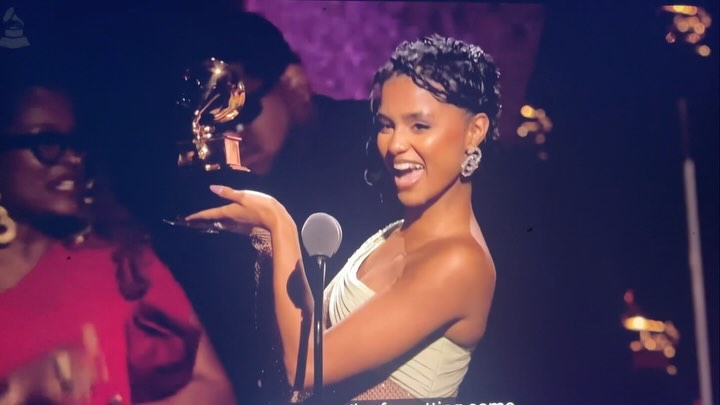
In 2025, while giving the speech for her first-ever Grammy Award for Best New Artist, Chappell Roan used the Grammys stage to challenge music executives and demand better pay and healthcare for struggling artists. Chappell has been open about her mental health and its contribution to her career. Instead of spending time thanking everyone who made it possible to win the most-coveted music award, she chose to use her platform to demand change. Chappell’s action reflected what modern art and artists have become. Artists are no longer judged solely by the songs they make or the films they star in. Increasingly, they are also judged by what they choose to stand for, and what they remain silent about.
During the EndSARS protests in 2020, when millions trooped out en masse to demand justice and responsibility from the government, Nigerians employed any tool at their disposal to get justice. At one point, Nigerians began tagging their celebrities because they knew and realised how influential voices and platforms are. Apart from how boisterous and too-loud-to-ignore the movement was, tweets and posts from celebrities definitely aided how prominent the movement was. Many artists, including Wizkid, Burna Boy, Davido and others, expressed their support during the nationwide protest. This expresses that artists’ voices, expressed or not, can influence change beyond the art they make. So an artist is judged when they speak, and they are judged when they don’t.
It can be burdening for artists, whose primary responsibility is to make art, when they are strapped with the responsibility of social change or activism. Many just want to create art, earn live, and repeat that cycle. However, it is also undeniable that while that’s all they want to do, to whom much is given, much is also expected. Because when millions of people stream your song or purchase your art and buy your tickets to actualise your reality, they also have individual realities to cater for. Part of the millions consuming your art is someone living in displacement, someone facing extreme discrimination, and someone being chased out of their land. While the artist cannot speak for all, their realities cannot simply be dismissed when brought to their consciousness.
This responsibility beyond the art has even become pronounced in the digital age of social media. What an artist likes, posts or doesn’t post is criticised and called out. Recently, it was reported that Ayra Starr‘s visa to South Africa was denied and would be unable to perform at a scheduled show. While there has been no statement from Ayra Starr or her team about this, the reports met the discrimination and anti-migrant attacks that Nigerians currently face in South Africa.
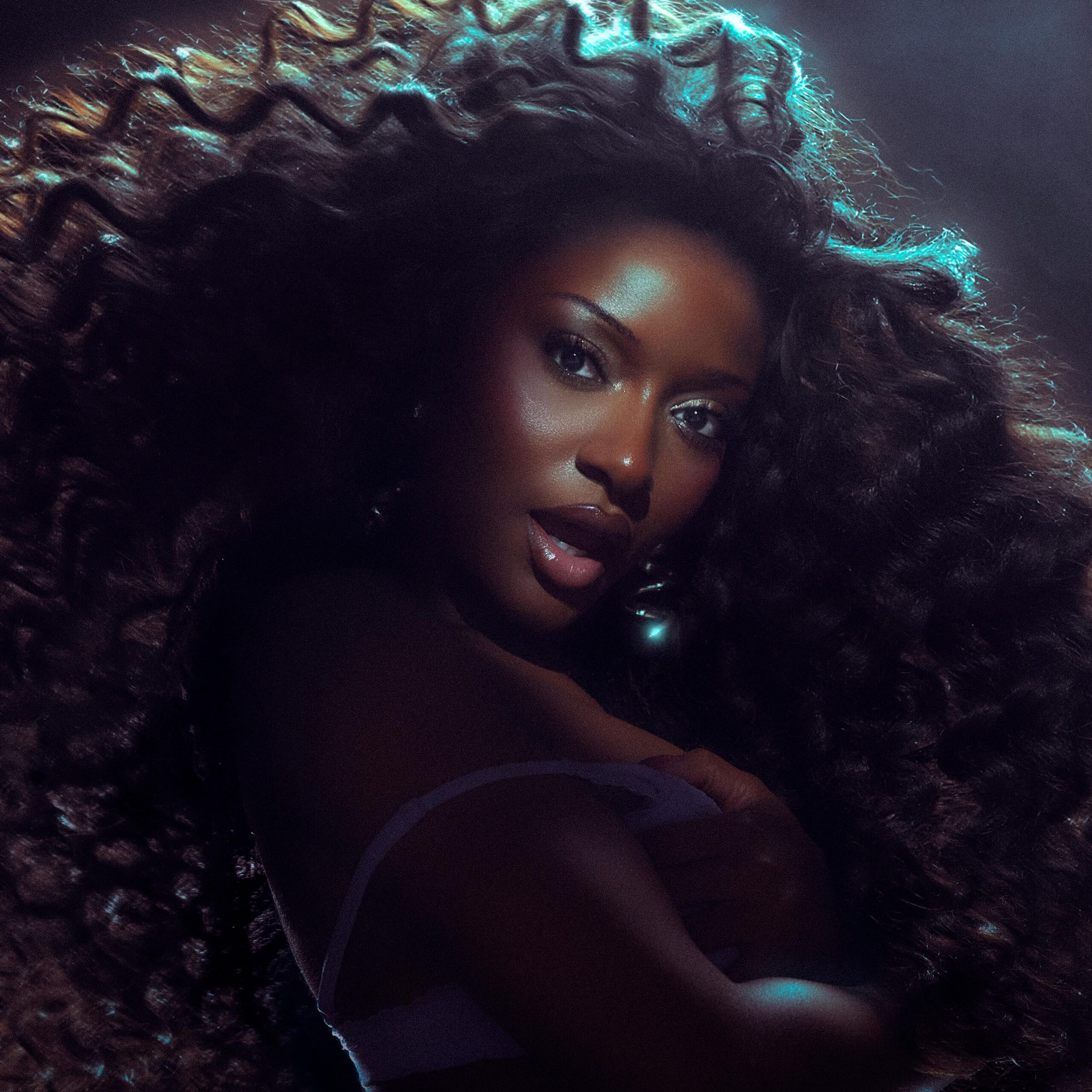
Ayra Starr showcasing her neutral-toned glam, smoky eyeliner, and voluminous wavy hair following the release of her single Tornado.
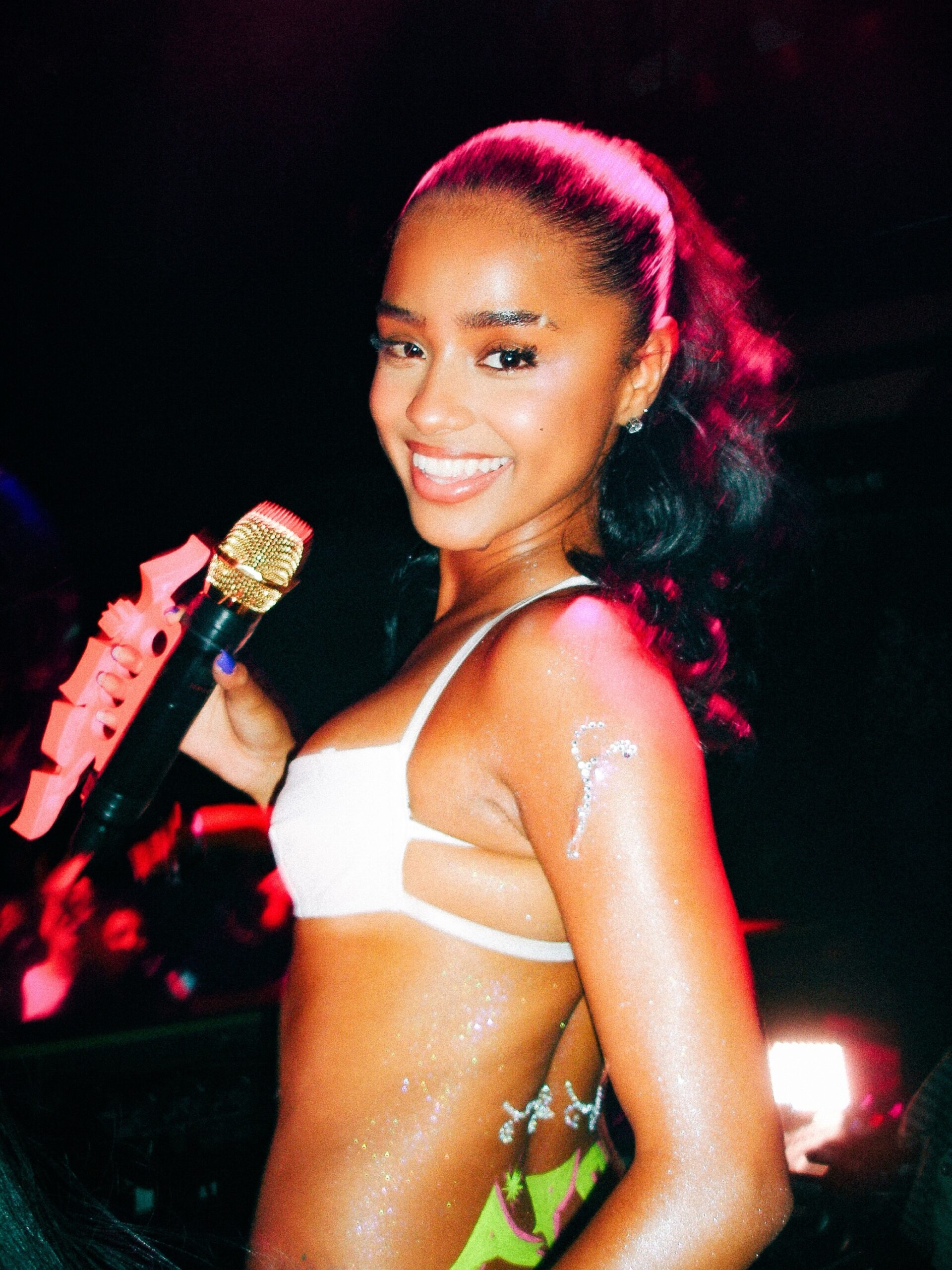
Meanwhile, Tyla, a South African artist who has many fans in Nigeria and has collaborated with many Nigerian artists, included Nigeria, Lagos specifically, as part of her touring cities for her forthcoming album but has since removed the city from her list. The removal followed the online protest from Nigerians against Tyla’s silence about what’s happening in her country, including an online petition titled “Ban Tyla from entering Nigeria until xenophobic attacks stop in South Africa.”
What’s happening is that two artists are caught paying the price of a systemic failure, caught in the web of politics versus art. If Tyla did speak against the anti-migrant attacks, would she be allowed to perform in Nigeria? If she’s allowed to perform in Nigeria, would that erase the anti-migrant and xenophobic attacks happening in South Africa?
Perhaps that is the uncomfortable truth about art today. The artist can never solve the world’s problems, nor should they be expected to. They cannot carry every cause or speak on every injustice. But influence, once attained, rarely remains confined to the stage or the screen. Whether they embrace it or resist it, their silence and their speech both become part of the work the public reads.
That is why there is no neat answer to what an artist owes beyond the art. Sometimes, speaking up changes the conversation. Other times, it changes nothing. Sometimes, remaining silent protects the artist. Other times, it costs them the trust of the very people who gave them a platform. The responsibility, then, may not be to have an opinion on everything, but to recognise that art no longer exists in a vacuum. And neither do artists. That burden may be unfair, but it is also the reality of making art in a world where every platform is political.