Subcompact Culture – The small car blog: Is a Rooftop Tent Right for Your Next Adventure?

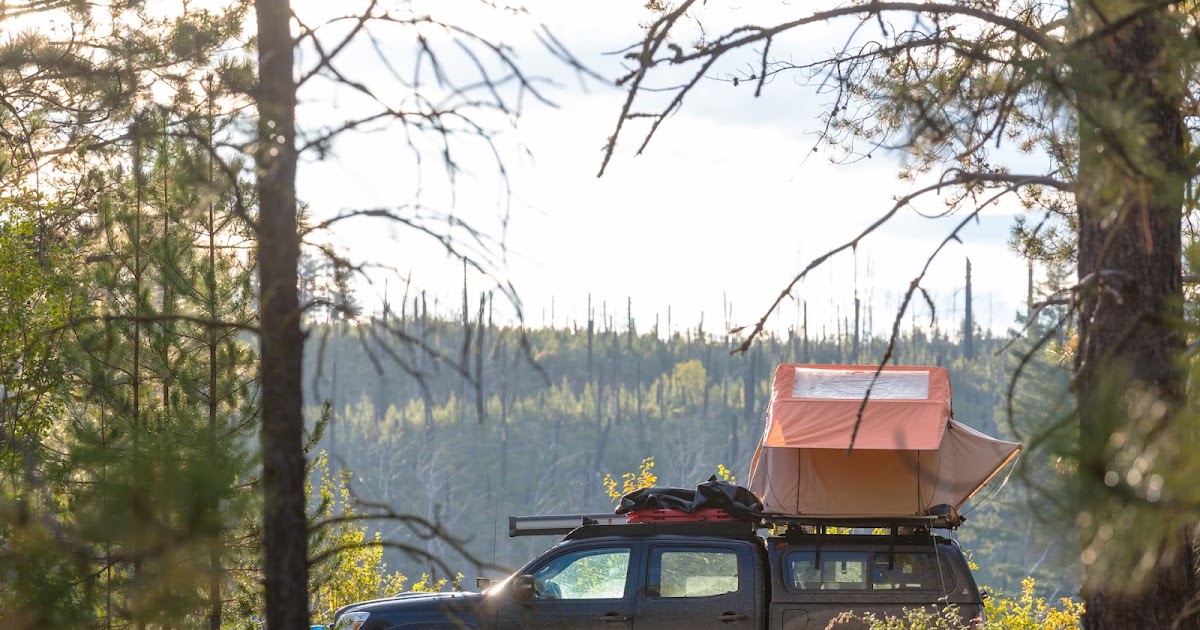

Rooftop tents have gone from a niche curiosity to a common sight at campgrounds and trailheads across the country. There’s an undeniable appeal to pulling up somewhere remote, popping open a tent on your roof, and being ready to sleep within minutes. But behind the adventure photos, they’re not the perfect solution for everyone.
Before you spend serious money on one, it’s worth an honest look at what rooftop tents do well, where they fall short, and whether one genuinely suits how you travel.
The appeal of sleeping up top
The core attraction is getting up off the ground. A rooftop tent keeps you away from cold, damp, uneven terrain, rocks, and anything that crawls, which many campers find far more comfortable than a traditional ground tent. You’re sleeping on a built-in mattress on a solid platform.
Setup is the other big draw. Most rooftop tents unfold in a couple of minutes, a welcome contrast to wrestling a ground tent into shape in the wind or the dark after a long day’s driving.
The trade-offs to consider
The convenience comes with real downsides. A rooftop tent is heavy and sits high on your vehicle, which raises your centre of gravity, affects handling, and increases fuel consumption noticeably. That weight sits up top permanently unless you remove it, which is a two-person job.
There’s also the matter of leaving camp. Because the tent is attached to your vehicle, packing up every time you want to drive somewhere can be a genuine hassle if you like to use your car as a day-tripping base.
Cost is worth being realistic about too. A quality rooftop tent is a significant purchase, and once you add a rated roof rack and any accessories, the total can rival a good camper trailer. Weigh that spend against how often you’ll actually use it. Comfort in extremes is mixed as well: being up high is superb in most conditions but can feel exposed in strong wind, so factor in where and when you tend to camp.
Hard shell versus soft shell
If you decide a rooftop tent suits you, the next choice is the style. Hard-shell tents are quicker to open, more aerodynamic, and more weatherproof, but they’re pricier and often offer less internal space. Soft-shell tents typically provide more room and an annex, at the cost of a slightly longer setup and more wind resistance.
Which is better depends on your priorities: speed and sleekness, or space and value. Both have loyal followings for good reason.
Is your vehicle up to it?
This is the question people most often skip, and it matters. Your vehicle’s roof has a dynamic weight rating for driving and a static rating for when parked, and a rooftop tent plus occupants must stay within those limits. Your roof rack and mounting also need to be rated for the load.
Fitting a heavy tent to a vehicle or rack that isn’t designed for it is unsafe. Check your vehicle’s specifications carefully, or ask a professional, before committing to a particular tent.
So, is it right for you?
A rooftop tent shines for touring and travelling, where you move between camps and value quick, comfortable setup off the ground. It’s less ideal if you tend to base yourself in one spot and explore by car, or if fuel economy and everyday practicality are high priorities.
Think honestly about how you actually travel, and whether your vehicle suits one. Match a rooftop tent to the right style of adventure and it’s a fantastic bit of kit; force it onto the wrong one and it becomes an expensive inconvenience.