
What HOAs Need to Know About ADA Compliance

Making sure your homeowners association (HOA) is compliant with all federal, state, and local laws is crucial. Some laws, such as the federal Americans with Disabilities Act (ADA), establish accessibility requirements for places of public accommodation. While many HOA amenities are private, some associations operate facilities or services that qualify as places of public accommodation. Today, we’re reviewing the basics of ADA laws, how they apply to HOAs, and how to stay compliant.
Main Takeaways
- The ADA generally applies to HOA facilities or services that qualify as places of public accommodation, which often includes amenities or offices that are open to the public.
- HOAs must also understand their responsibilities under the Fair Housing Act, which requires reasonable accommodations and modifications in certain situations.
- Regularly reviewing accessibility requirements and maintaining common areas can help reduce legal risks and keep your community compliant.
What Is the Americans With Disabilities Act?
 Philadelphia HOA managers know how important it is to be well-versed in federal, state, and local laws. The Americans with Disabilities Act (ADA) is a federal civil rights law that prohibits discrimination against individuals with disabilities. Enacted in 1990, it aims to ensure that people with disabilities have the same rights and opportunities as everyone else regarding public life, employment, and access to services.
That said, some disabilities are visible, and some are not, and it’s important to acknowledge that to prevent discrimination. In general, a person with a disability is someone who has a physical or mental impairment that limits one or more major life activities, has a history of an impairment, or is perceived by others as having an impairment. Some examples of disabilities include the following.
- Physical disabilities like cerebral palsy, spinal cord injuries, or muscular dystrophy
- Intellectual disabilities like Down syndrome, autism, or Fragile X syndrome
- Mobility disabilities like those requiring the use of a wheelchair or cane
- Deafness or hearing loss
- Blindness
- Cancer
- Epilepsy
The ADA also covers numerous disabilities not listed here.
How Does the ADA Apply to HOAs
The ADA sets requirements for employers, businesses, commercial facilities, transportation providers, and telecommunication companies to prevent discrimination against people with disabilities. So, how does this apply to homeowners associations (HOAs)?
In many cases, HOA amenities are reserved for residents and their guests, making them private rather than public accommodations. However, if an HOA opens certain facilities or services to the public, ADA requirements may apply to those areas.
Here are a few examples of when the HOA may be required to accommodate individuals who fall under the ADA requirements.
- The HOA maintains an office on the property that’s regularly visited by the public
- Trails, playgrounds, or clubhouses are open to the public
- Allowing members of the public to purchase memberships or passes to use an HOA facility
- Allowing churches or schools to use HOA facilities on a regular basis
- Public events are held in the association’s common areas
ADA Requirements for Public Accommodations
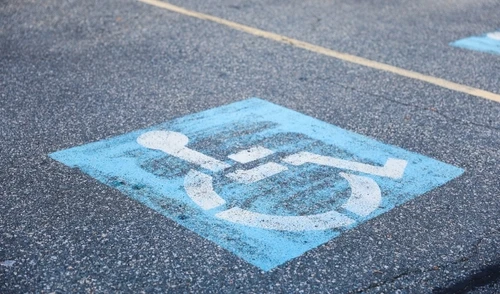 If your HOA allows public access to common areas, it’s important to know how to comply with ADA guidelines. If this is the case, your HOA must assess and modify any barriers to accessibility in public spaces. Some common ADA compliance requirements for HOAs include the following.
- Entrances- Public areas may need accessible routes, entrances, or other features that comply with applicable ADA accessibility standards.
- Parking- Accessible parking spaces should have proper signage and be located near entrances to common areas.
- Restrooms- Public restrooms may need to meet applicable ADA accessibility standards, including accessible stalls, grab bars, and sinks, where required.
- Walkways- Accessible routes to public common areas should comply with applicable ADA accessibility standards and remain free of obstructions.
Need More Advice? contact us today!
Once these modifications are made, it’s crucial that the HOA regularly maintains accessibility in these areas. For instance, the HOA should check for blocked pathways, ensure functional elevators, and make sure accessible parking spaces are free for those who need them.
Individual Residences Within an HOA
Even when the ADA does not apply, HOAs may still have responsibilities under the Fair Housing Act (FHA) to provide reasonable accommodations or allow reasonable modifications for residents with disabilities. For instance, someone who uses a wheelchair to get around must be allowed to adapt their home to meet their personal needs. Whether it’s installing a ramp or a chairlift in their home, the HOA may need to permit these reasonable modifications when required under applicable law.
Another example is allowing a service animal or, in some situations, an assistance animal even if the HOA has a no-pet policy.
Understanding ADA and FHA Compliance
Because ADA compliance can be quite complex, HOAs should consider working with professionals to ensure their common areas are ADA-compliant. Additionally, HOAs must also understand how the Fair Housing Act (FHA) differs from the ADA. Although both laws protect individuals with disabilities, they apply in different ways.
The FHA protects residents from discriminatory practices based on race, color, national origin, religion, sex, disability, or familial status.
While the ADA applies to HOA public areas, the FHA ensures that individuals with disabilities have equal access to housing. That said, under the FHA, HOAs must make reasonable accommodations and allow modifications for residents with disabilities.
FAQs About ADA Compliance for HOAs
 ADA compliance can be confusing because the rules depend on how your homeowners association operates and whether its facilities are open to the public. Below are answers to some of the most common questions HOA boards have about ADA and Fair Housing Act compliance.
Does the ADA apply to every homeowners association?
No. The ADA generally applies when an HOA operates facilities or services that qualify as places of public accommodation. Private amenities reserved for residents and their guests are often treated differently.
What is the difference between the ADA and the Fair Housing Act?
The ADA focuses on accessibility in public accommodations, while the Fair Housing Act protects people from housing discrimination and requires reasonable accommodations and modifications in certain situations.
Can an HOA prohibit service animals?
Generally, no. Depending on the circumstances, HOAs may need to allow service animals or assistance animals when required under applicable law, even if the community has pet restrictions.
What HOA amenities may need to comply with the ADA?
Amenities such as clubhouses, leasing offices, playgrounds, pools, or event spaces that are regularly open to the public may need to meet ADA accessibility requirements.
What happens if an HOA fails to comply with ADA requirements?
If the ADA applies and the association fails to comply, it may face complaints, legal action, required accessibility improvements, or financial penalties.
Avoiding Legal Risks and Penalties for Non-Compliance
Knowing the law is the first step in avoiding legal risks or penalties for non-compliance. If you’re unsure of whether or not the ADA applies to your HOA, look at how things are structured. Does your HOA operate any facilities or services that are open to the public? If so, certain facilities or activities may be subject to ADA requirements. Otherwise, if the ADA applies and the association fails to comply, it may face complaints, legal action, required corrective measures, or financial penalties.
If you need help managing and maintaining common areas within your HOA, you may want to find an HOA management team to help. Full-service companies like Bay Property Management Group can help with any aspect of HOA management. Whether you need to prepare the annual budget, perform inspections, or stay on top of maintenance, BMG has you covered. Contact us today to learn more about all the ways we can benefit your community association.


