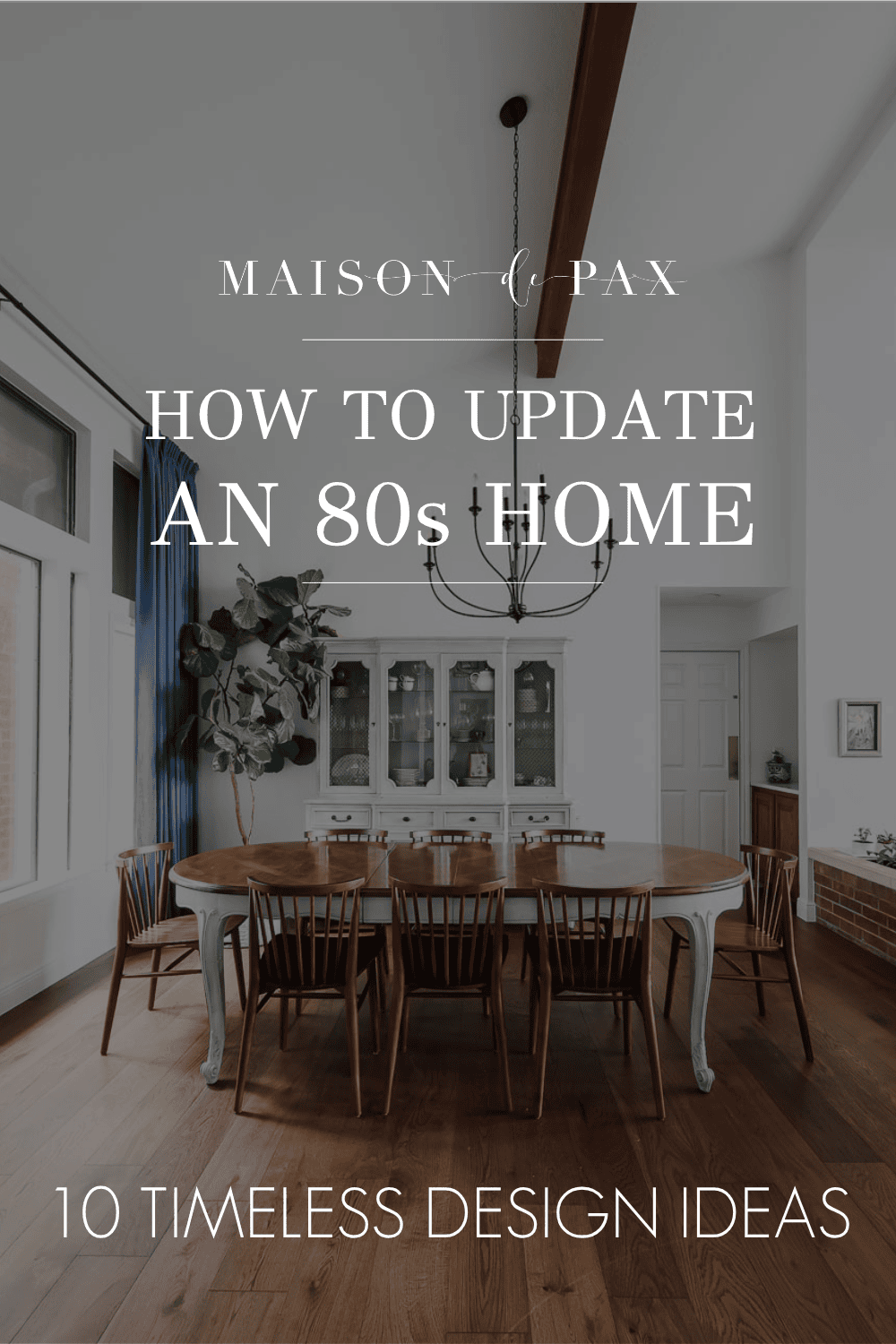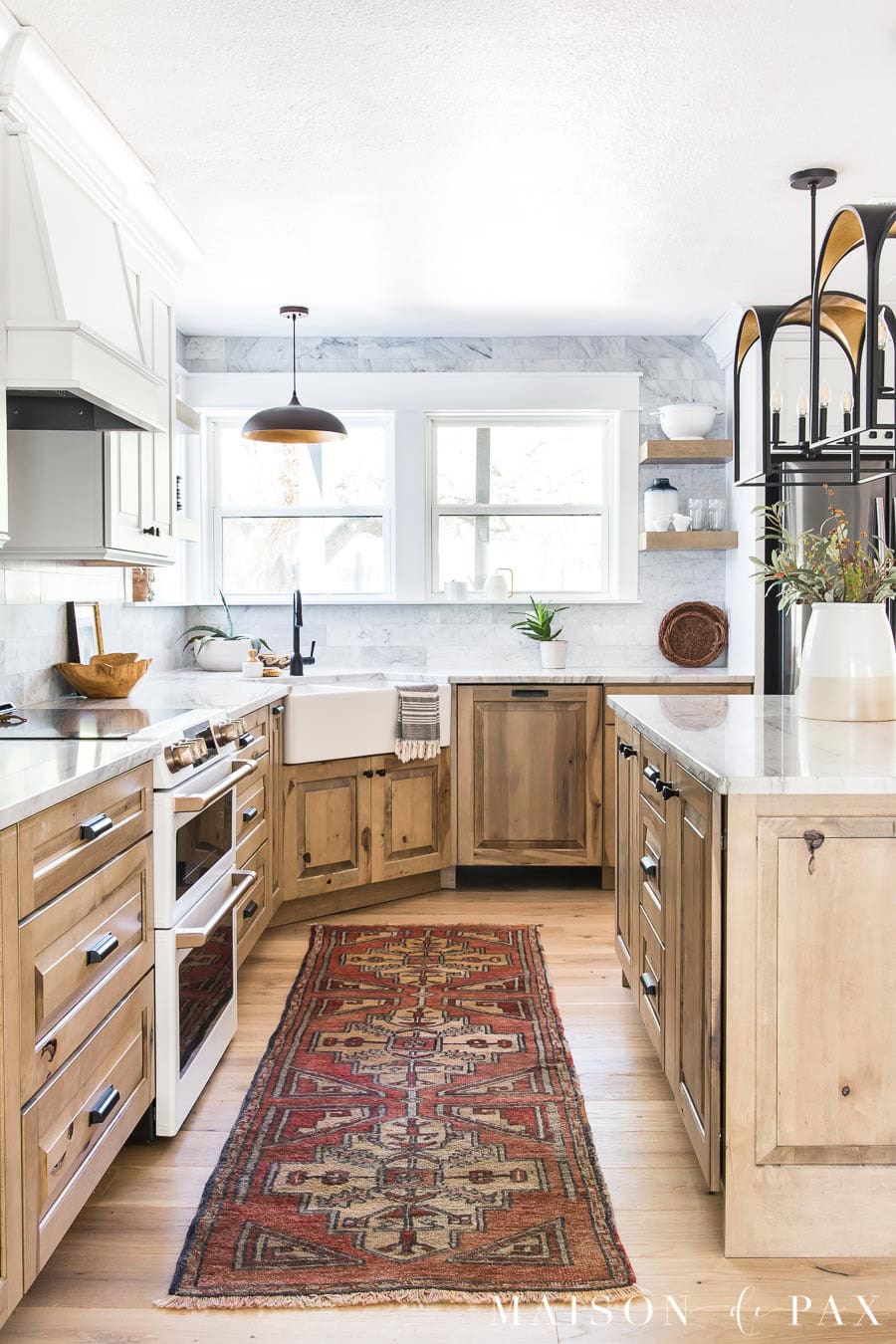
Wondering where to start with your 80s home renovation? These are ten timeless updates that can make the biggest impact, whether you’re planning a full remodel or updating one project at a time.
If you’ve recently—or not so recently—bought an 80s house, you may be wondering where to start. Between orange oak, brass fixtures, popcorn ceilings, and compartmentalized floor plans, it’s easy to focus on everything that feels dated.
But here’s the good news: many homes built in the 1980s also have incredible potential. Vaulted ceilings, generous room sizes, large windows, mature landscaping, and solid construction are all features worth building on.
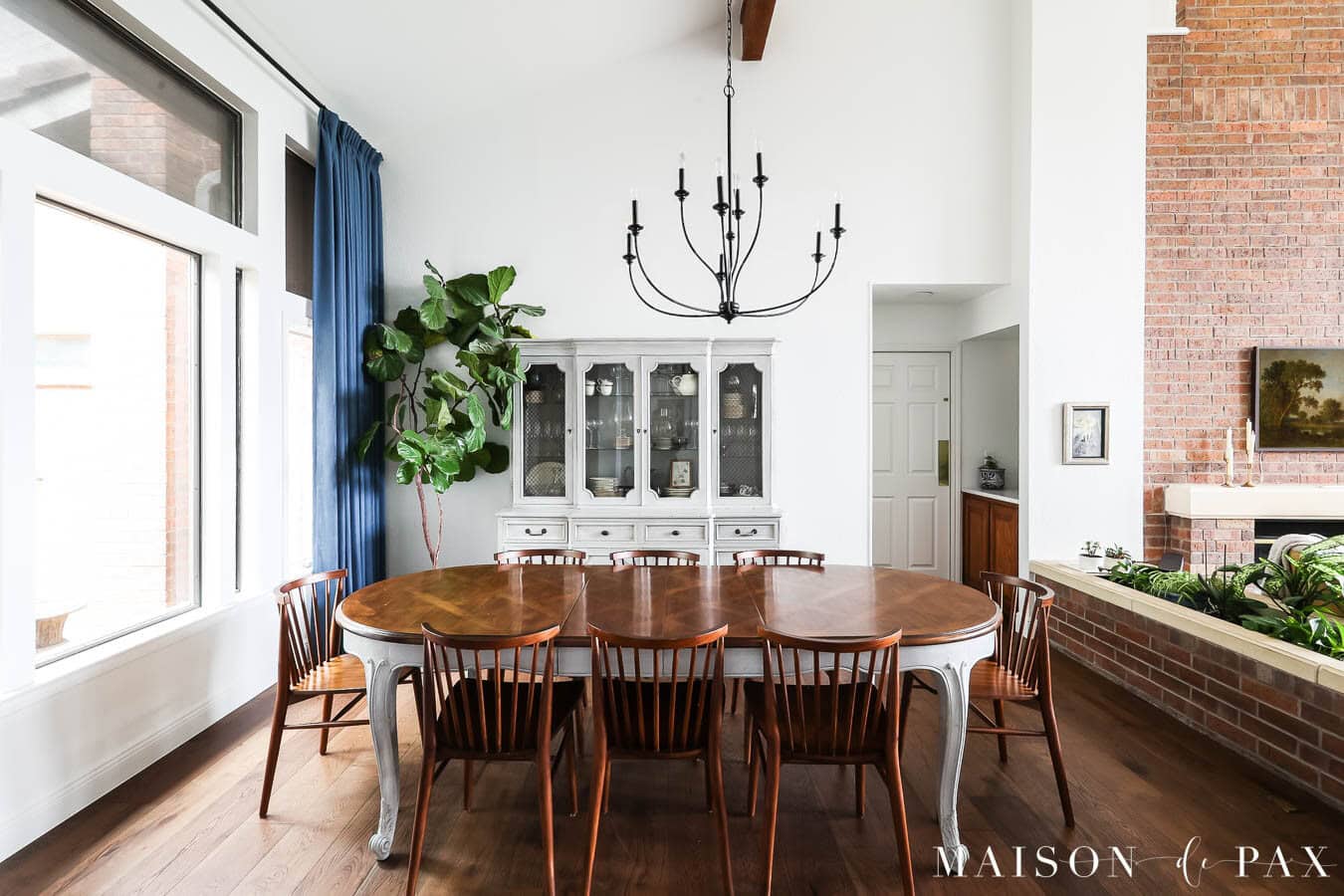
In recent years, I’ve updated two different 1980s homes—my parents’ house and, more recently, our own. My parents completed a whole-house renovation before moving in, while we’ve been updating our home one project at a time as we live here. Although the timelines have looked very different, many of the same ideas have guided both renovations.
If you’re wondering how to modernize an 80s home without making it feel trendy or stripping away its character, these are the updates I’d prioritize first. Rather than focusing on rooms, I’d encourage you to think about your home in layers. Start with the changes that affect the entire house, then gradually work your way down to the details that add personality and character.
1. Start with the Changes that Make the Biggest Visual Impact
When you’re staring at a long renovation list, it’s tempting to jump straight to the fun projects like kitchens and bathrooms. But before any individual room can really shine, I think it’s worth tackling the updates that change how the entire house feels. For us, that meant focusing first on the biggest surfaces: floors, walls, ceilings, and paint.
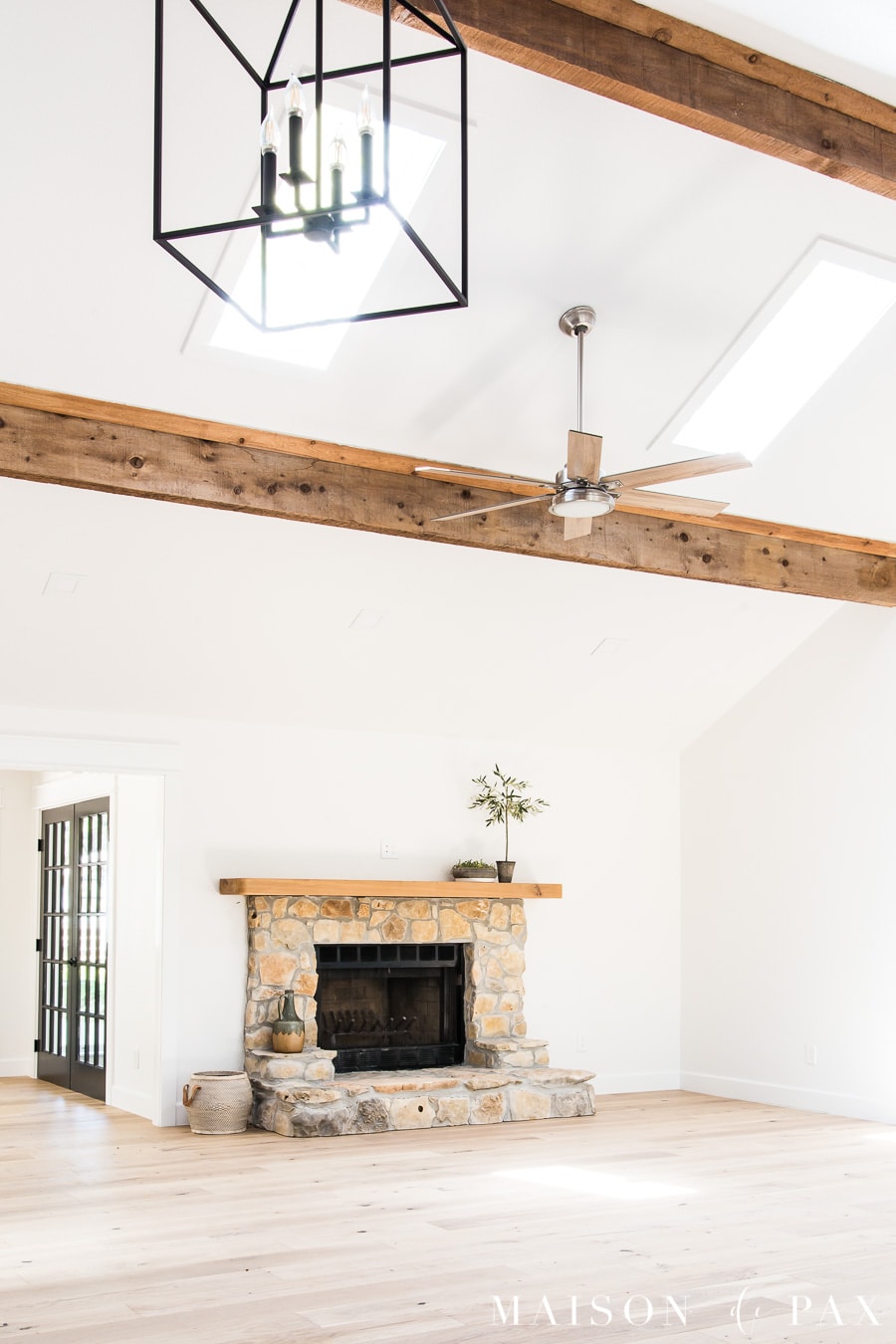
Many homes from this era have a patchwork of carpet, vinyl, laminate, and tile, making the house feel visually busy. Installing one continuous flooring material creates a calmer, more intentional look while helping every room feel connected. Even if you renovate one room at a time, planning for consistent flooring can help the house feel cohesive in the long run.
Removing popcorn ceilings, repairing damaged drywall, and giving the house a fresh coat of paint also provides instant impact. These aren’t always the most exciting updates, but they create a clean foundation that makes every future project look better.
If you’re deciding where to spend your time and budget first, I’d begin with the surfaces you see in every room.
Helpful resources:
2. Simplify the Color Palette
Many 80s homes feel busy—not because of the architecture, but because so many finishes are competing for attention. Warm wood, wallpaper, multiple flooring materials, patterned tile, stained trim, colorful carpet… it’s a lot for the eye to process.
One of the simplest ways to modernize an older home is to simplify that palette.
In both of our renovations, we used one soft white throughout the main living spaces to create continuity from room to room. That doesn’t mean every room has to be white. In our current home, we’ve added color in bedrooms, bathrooms, and smaller spaces while keeping the main areas light and cohesive.
A consistent palette allows the architecture to become the focal point. And choosing timeless paint colors doesn’t mean avoiding color altogether—it simply means using it with purpose.
Helpful resources:
3. Replace the Orange—Not the Warmth
If there’s one feature people most associate with an 80s house, it’s probably orange oak. Whether it’s trim, cabinets, stair railings, or doors, the warm, heavy orange stain can make an otherwise beautiful home feel stuck in another decade.
But here’s where I think many renovations go wrong: they remove all the warmth along with the orange. Real wood adds warmth, texture, and character in a way that painted surfaces simply can’t. Instead of eliminating stained wood altogether, consider how you can introduce more balanced, natural wood tones.
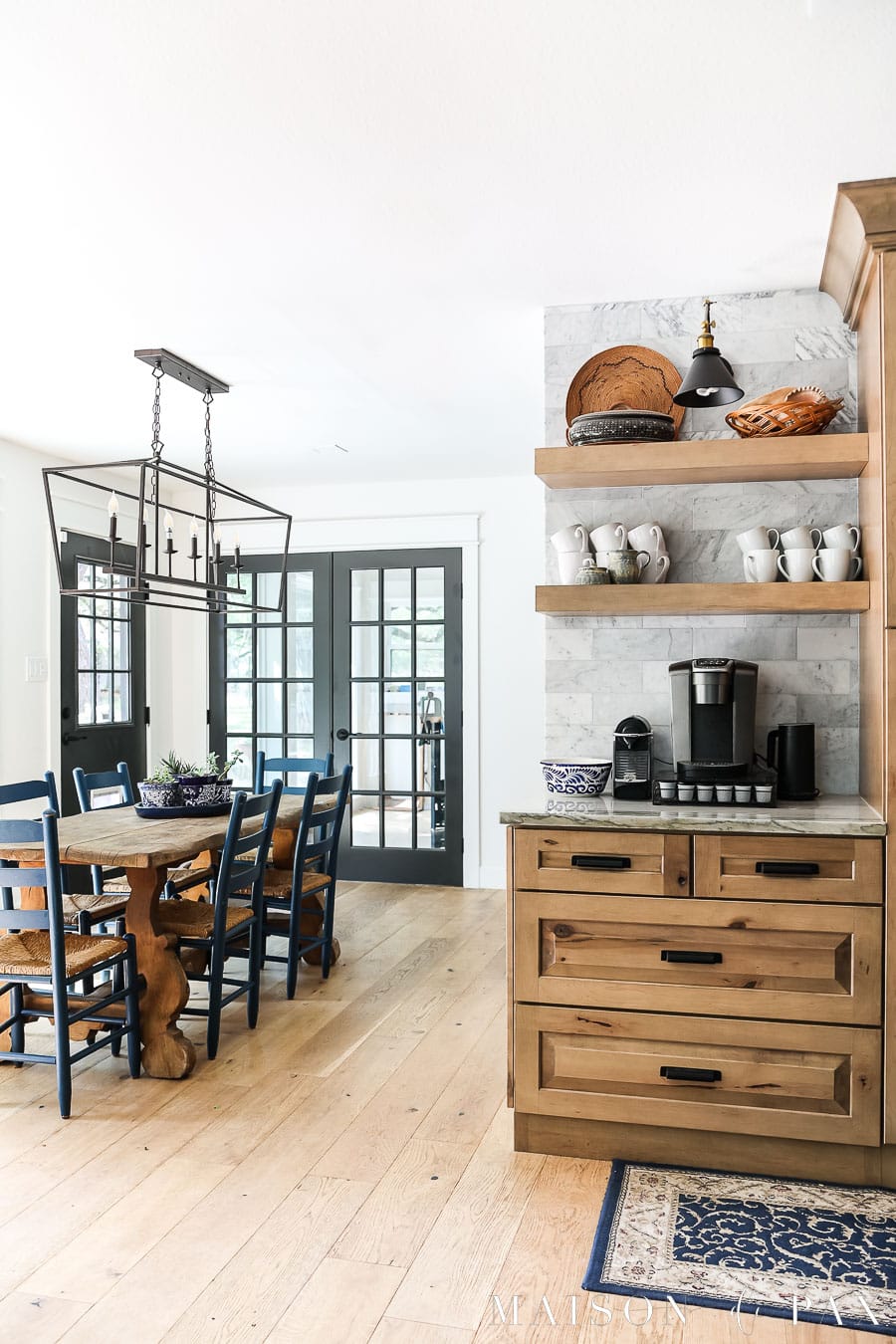
In my parents’ home, we replaced much of the orange oak with rustic maple cabinetry and engineered white oak wood floors. In our home, we kept some of the original oak but changed the stain to coordinate with our new dark wood floors. Different approaches, but the same goal: reducing the orange while keeping the warmth that natural wood brings to a home.
Sometimes painting existing wood is absolutely the right decision. We’ve painted trim, stair railings, and cabinetry where it made sense. But we’ve also re-stained orange oak and intentionally added natural wood back into our homes through furniture, shelving, cabinetry, and architectural details.
That balance is what keeps a renovation from feeling trendy.
Helpful resources:
4. Update the Architectural Details
Once the biggest surfaces have been updated, it’s often the smaller architectural details that continue to make a home feel dated. The good news is that many of these elements can be updated without changing the home’s footprint.
We’ve painted interior doors, updated stair railings, and added picture frame molding in a few spaces to give the house a more custom, timeless feel. For example, in my sons’ bathroom, simple molding completely transformed the space. None of those projects were major renovations, but together they’ve made a noticeable difference.

Rather than trying to recreate the latest trend, choose details that could have looked beautiful forty years ago—and will still look beautiful forty years from now.
Small architectural updates have a way of elevating the entire house.
Helpful Resources:
5. Replace Dated Hardware
One of the easiest ways to update an 80s home is by replacing the hardware you interact with every day. Cabinet pulls, faucets, door knobs, and even house numbers may seem like small details, but together they have a surprisingly big impact.
If your home still has its original hardware, don’t feel like you have to replace everything overnight. Focus on the areas you’ll notice most—kitchen cabinets, bathroom faucets, and frequently used doors—and update them as your budget allows.
When choosing new hardware, I recommend looking beyond what’s currently trending. Whether you prefer polished nickel, unlacquered brass, matte black, or another classic finish, simple shapes and classic finishes tend to have much more staying power than anything that’s overly ornate or highly stylized.
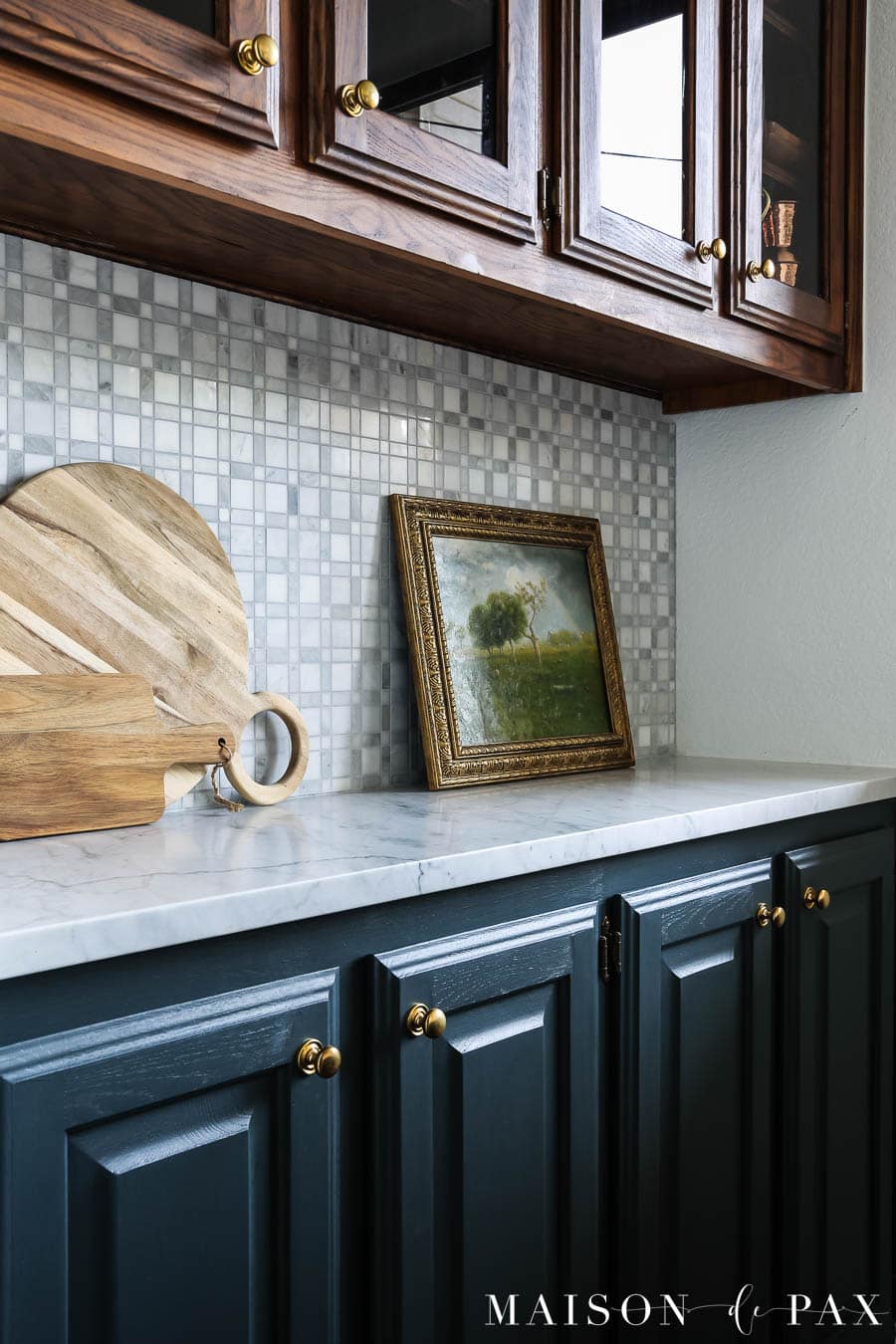
You also don’t have to match every finish perfectly. In our home, you’ll find a mix of metals throughout the house, but each room has a clear, intentional palette. That creates a layered look that feels collected rather than like everything came from the same catalog.
Updating the hardware is one of the quickest ways to make an older home feel current without taking on a major renovation.
Helpful Resources:
6. Upgrade Your Lighting
Lighting has the power to completely transform the feel of an older home, but while replacing dated light fixtures can make a dramatic difference, don’t stop there. Think about how each room is lit throughout the day and in the evening. Relying on a single overhead fixture often creates harsh shadows and makes a room feel flat.
Instead, aim for layers of light. Combine decorative overhead fixtures with clean recessed lighting, table lamps, floor lamps, sconces, or under-cabinet lighting to create a warmer, more inviting atmosphere. Whenever possible, add dimmers so you can adjust the mood to fit the occasion.
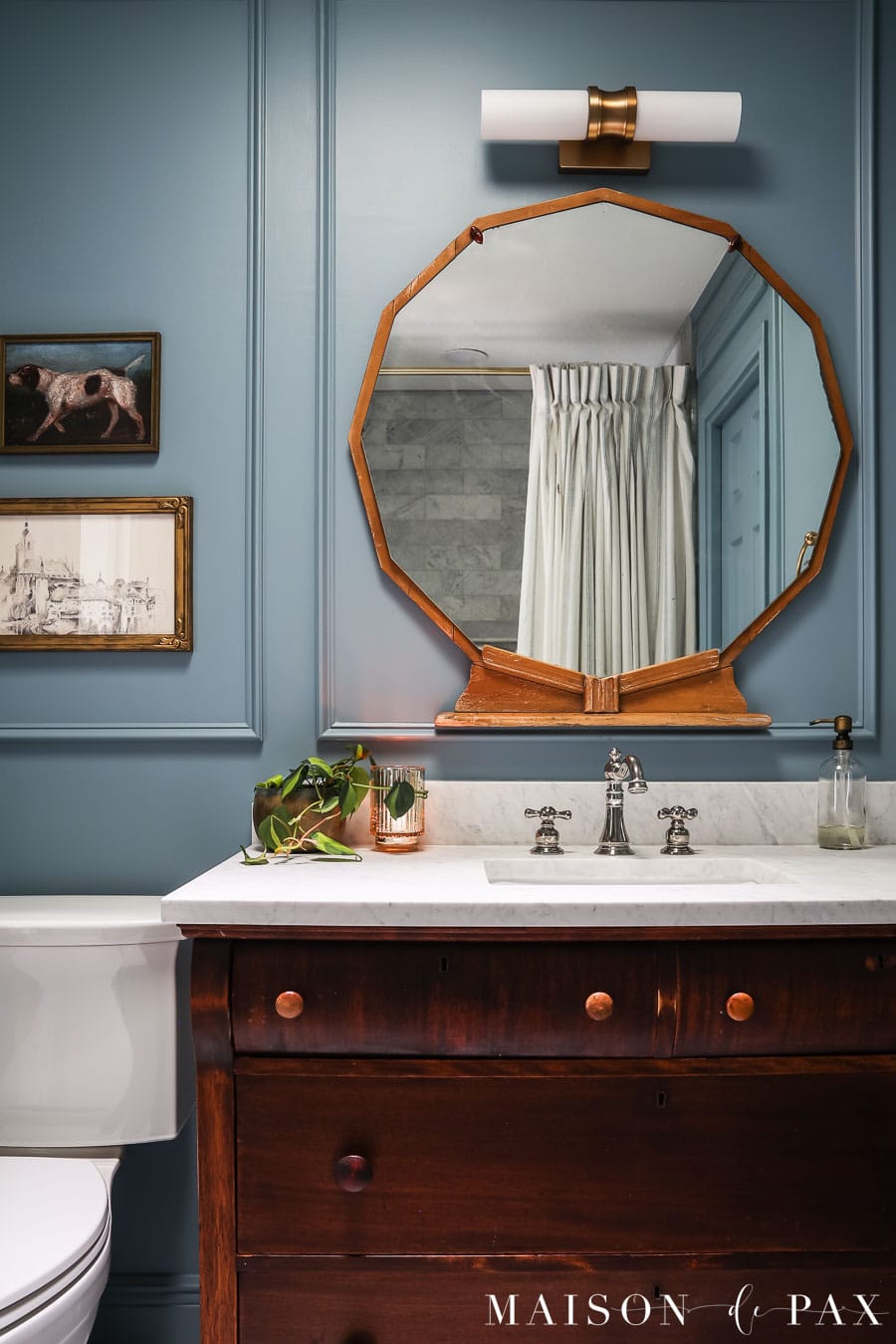
The bulbs you choose matter, too. A warm white light generally feels much more comfortable and welcoming than the cool, bluish light that can make a home feel sterile. If you like getting technical, I prefer 3000K lighting—warm, but not yellow.
Good lighting doesn’t just help you see your home; it helps you enjoy spending time in it.
Helpful Resources:
7. Keep the Features Worth Saving
When updating an older home, it’s easy to assume that anything original should be replaced. But before you start tearing things out, take a closer look at what’s actually there.
Some of the features that make an 80s home feel dated aren’t the features themselves—they’re the finishes. Changing paint, stain, hardware, countertops, or lighting can completely transform a space without removing the architectural elements that make your home unique.
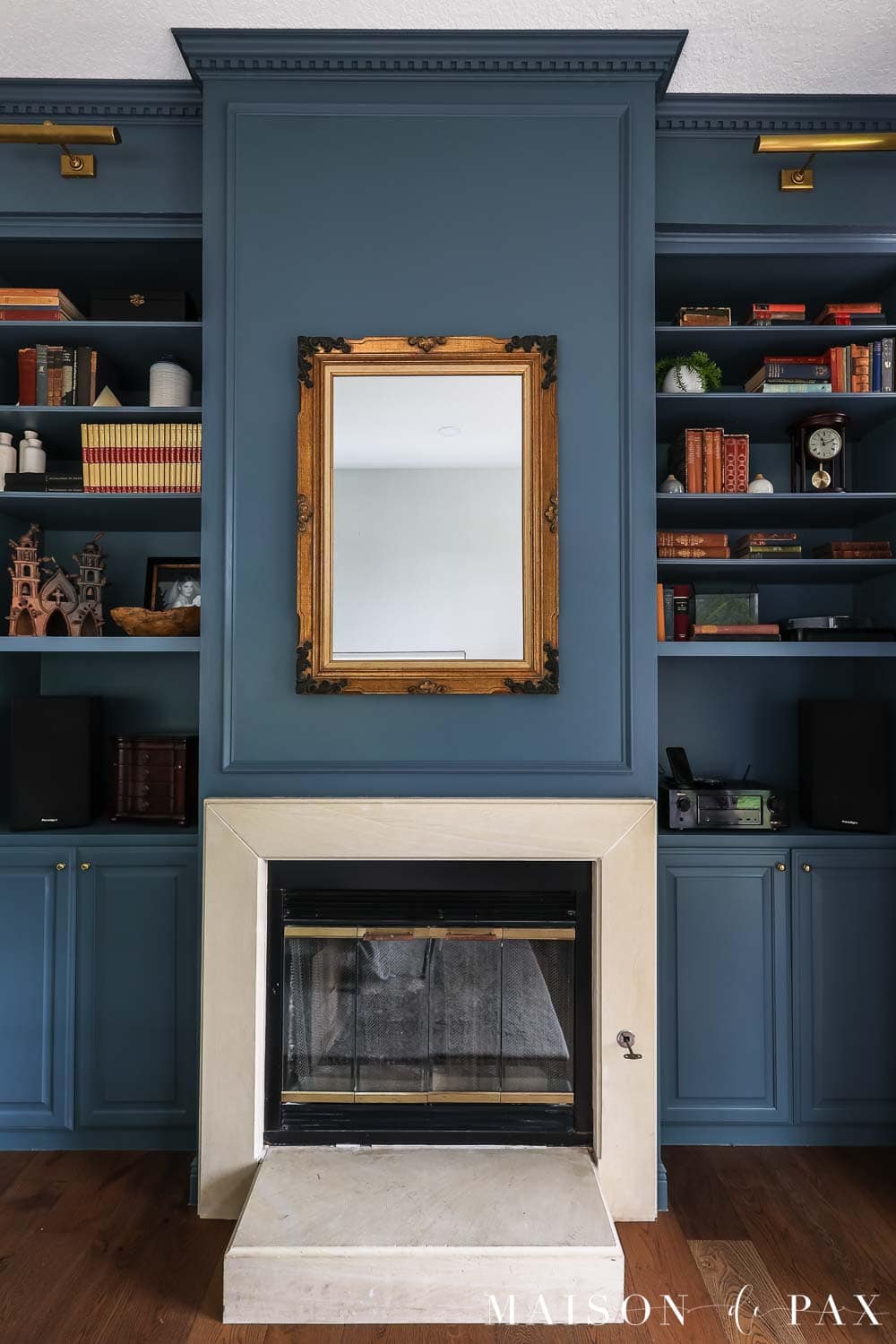
One of my favorite examples is the wet bar in our living room. While many homeowners would have removed it altogether, we chose to update it instead. By re-staining the original oak upper cabinets, painting the lower cabinets, replacing the countertop, and adding timeless fixtures and hardware, we turned it into a feature we genuinely enjoy instead of something we wanted to hide.

We took a similar approach in other areas of both homes. Instead of replacing the dramatic front windows in our current home, we embraced them and let them become one of the home’s defining features. In my parents’ home, we preserved the original staircase, updating the railing while keeping the beautiful architectural form that gives the entry so much character.
The same principle applies throughout an older home. Before removing built-ins, brick fireplaces, vaulted ceilings, oversized windows, or other original features, ask yourself whether the feature is really the problem—or whether it just needs a fresh perspective.
Helpful Resources:
8. Choose Timeless Materials
No renovation lasts forever, but choosing classic materials can help your home age gracefully instead of feeling dated again in a few years.

When it’s time to replace flooring, countertops, tile, or cabinetry, look for materials that have proven their staying power rather than whatever happens to be trending. Natural wood, simple tile, classic stone, and understated finishes tend to outlast bold patterns and trendy colors.
That doesn’t mean every choice has to be neutral or expensive. Some of my favorite spaces incorporate color and personality while relying on materials that feel authentic to the home. The goal isn’t to create a showroom—it’s to choose finishes you’ll still love years from now.
As you’re making selections, consider how they’ll relate to the rest of your home. The most timeless renovations feel cohesive, with materials that complement one another rather than competing for attention.
Helpful Resources:
9. Don’t Overlook the Exterior
When planning a renovation, it’s easy to pour all of your time and budget into the interior. But don’t underestimate the impact of your home’s exterior.

Simple updates like fresh paint, updated lighting, new house numbers, landscaping, or even a new or freshly painted front door can completely change the way your home feels before you ever step inside.
Just like indoors, I recommend working with your home’s architecture rather than trying to disguise it. A well-chosen paint color, classic materials, and thoughtful landscaping can highlight the best features of an 80s home while minimizing the ones you’d rather downplay.
The goal isn’t to make your home look brand new. It’s to make it look like the very best version of itself.
Helpful Resources:
10. Decorate in Layers, Not Trends
Once the renovation dust settles, it can be tempting to decorate your home all at once. But some of the most timeless homes are collected gradually rather than purchased in a single shopping trip.
Instead of filling every room with pieces from one store or one decorating trend, layer your home over time. Mix old and new furniture. Incorporate natural materials alongside painted finishes. Display meaningful artwork, family heirlooms, vintage finds, and collected treasures that tell your story.
One of the easiest ways to keep a home from feeling stuck in a particular decade is to avoid decorating it entirely in the style of another one. A home with furnishings and accessories gathered from a variety of time periods naturally feels more personal, more interesting, and ultimately more timeless.
That doesn’t mean every room needs to be eclectic. Repeating colors, materials, and finishes throughout the house creates a sense of cohesion, while varied textures, furnishings, and décor add the depth that makes a home feel welcoming.
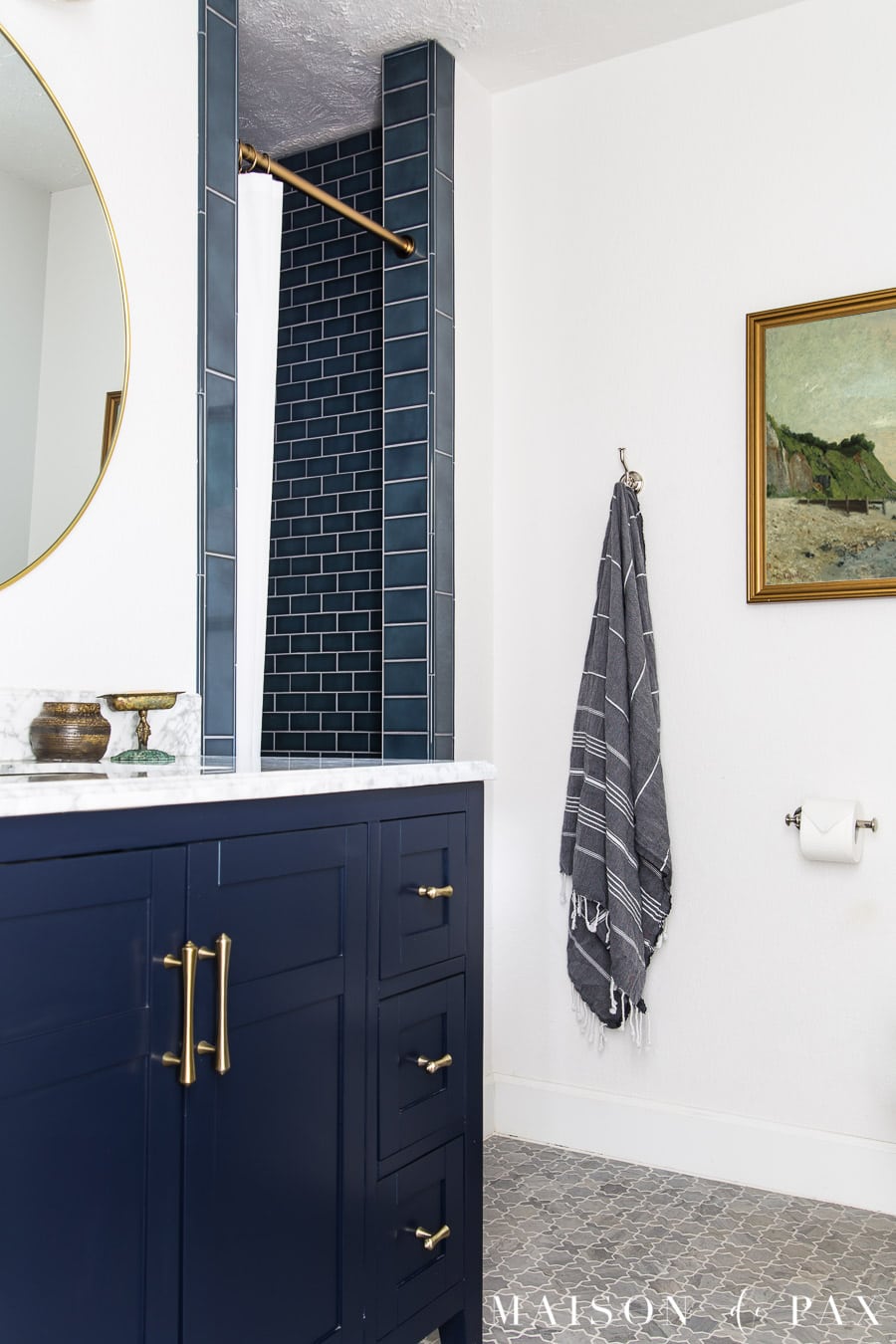
The most beautiful homes don’t look like they were finished in a weekend—they look like they’ve been thoughtfully collected over time.
Helpful Resources:
FAQ
Can you modernize an 80s house without a complete renovation?
Absolutely. Many of the updates with the biggest visual impact—paint, flooring, lighting, hardware, and updated wood tones—can be completed over time. We’ve renovated one 80s home all at once and another room by room, and both approaches can produce beautiful, timeless results.
What makes an 80s house look dated?
Many 1980s homes feature orange oak, shiny brass hardware, popcorn ceilings, heavy wallpaper, compartmentalized floor plans, and multiple flooring materials. The good news is that many of these are surface-level finishes that can be updated without changing what makes the house special.
Should I paint all of the oak in an 80s house?
Not necessarily. While painting is sometimes the right solution, many original wood features can be updated with a different stain or balanced with painted finishes elsewhere. The goal isn’t to eliminate warmth—it’s to update the overall palette.
What should I update first in an 80s home?
Start with the elements that affect the entire house: flooring, walls, ceilings, and paint. Creating a cohesive foundation makes every future renovation feel more intentional.
Are 80s homes worth renovating?
They often are! Many homes built in the 1980s have generous room sizes, vaulted ceilings, large windows, mature landscaping, and solid construction. With thoughtful updates, they can feel every bit as wonderful as newer homes.
How can I make my 80s home feel timeless instead of trendy?
Choose classic materials, simplify the color palette, preserve architectural features where possible, and decorate with pieces collected over time rather than following a single decorating trend.
Of course, there’s more than one way to love an older home. If your dream is a perfectly preserved 1980s home, embrace it! Every house tells a story, and there’s no single “right” way to honor it.
These ideas simply reflect the approach that’s worked best for our family and the look we love. We’ve found that thoughtful updates, timeless materials, and a willingness to work with your home’s best features can transform an outdated house without erasing what made it special in the first place.
Whether you’re renovating one room at a time or tackling a whole-house remodel, I hope these ideas help you see the potential in your own home and give you the confidence to make it your own.