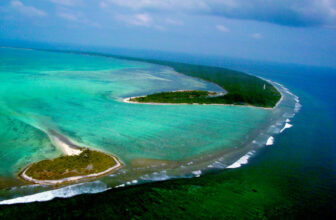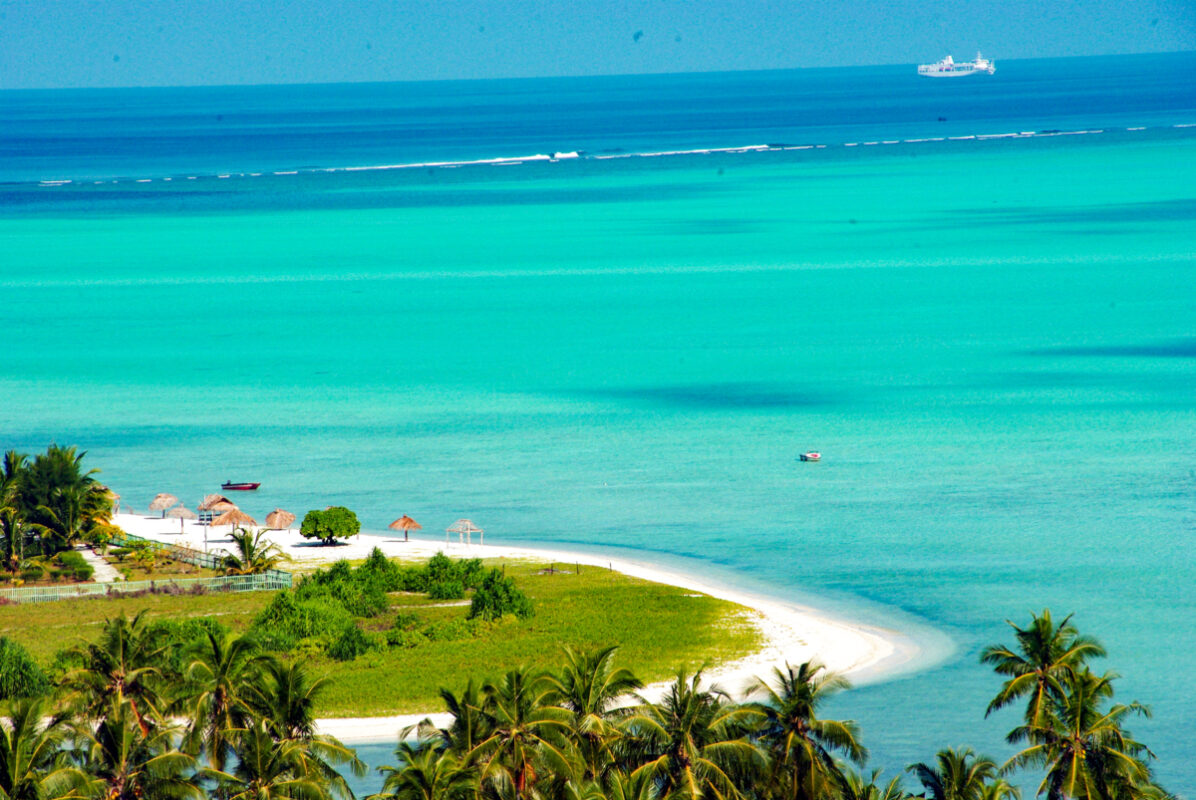
The turquoise waters of the southeastern Arabian Sea gently embrace the silvery, palm-fringed beaches of Lakshadweep. Spectacular sunrises and sunsets unfold beside tranquil lagoons, while dolphins, turtles and colourful reef fish add to the magic of exploring this remote tropical archipelago. For snorkelers, scuba divers and nature lovers, the coral reefs and shallow lagoons reveal an extraordinary underwater world.
Often compared with the Maldives because of its clear blue lagoons, white coral-sand beaches and tropical island landscapes, Lakshadweep offers a distinctly Indian island experience. Its smaller scale, protected marine environment, traditional island communities and relatively secluded character make it an appealing destination for travellers seeking a peaceful tropical escape.
Our Lakshadweep Travel Guide brings together essential information for planning your journey, from the geography and natural attractions of the islands to transportation, inter-island connectivity, accommodation, entry permits and practical travel tips. Whether you are planning your first visit or looking for a more detailed Lakshadweep itinerary, this guide will help you understand how to travel around India’s premier tropical island destination.
For curated itineraries and assistance with planning your island holiday, explore our Lakshadweep Tour Packages.
Unique Geophysical Features of the Lakshadweep Archipelago
Located in the Arabian Sea, roughly 220 to 440 kilometres from Kochi on India’s southwestern coast, Lakshadweep is India’s smallest Union Territory by area. The archipelago consists of 36 islands, 12 atolls, 3 reefs and 5 submerged banks, covering about 32 square kilometres of land. Ten of the islands are inhabited.
The islands are part of the larger Lakshadweep–Chagos island system and are predominantly coral formations. Over geological time, coral growth developed around and above submerged structures, creating the characteristic atolls, reefs, lagoons and narrow islands that define the landscape today.
This geological origin explains many of Lakshadweep’s most distinctive features. Coral reefs protect the islands from much of the open-sea swell, while shallow lagoons create calm, clear waters that are ideal for swimming, snorkelling, kayaking and other water-based activities. The beaches are largely composed of fine coral-derived sand, giving many shorelines their characteristic bright white appearance.
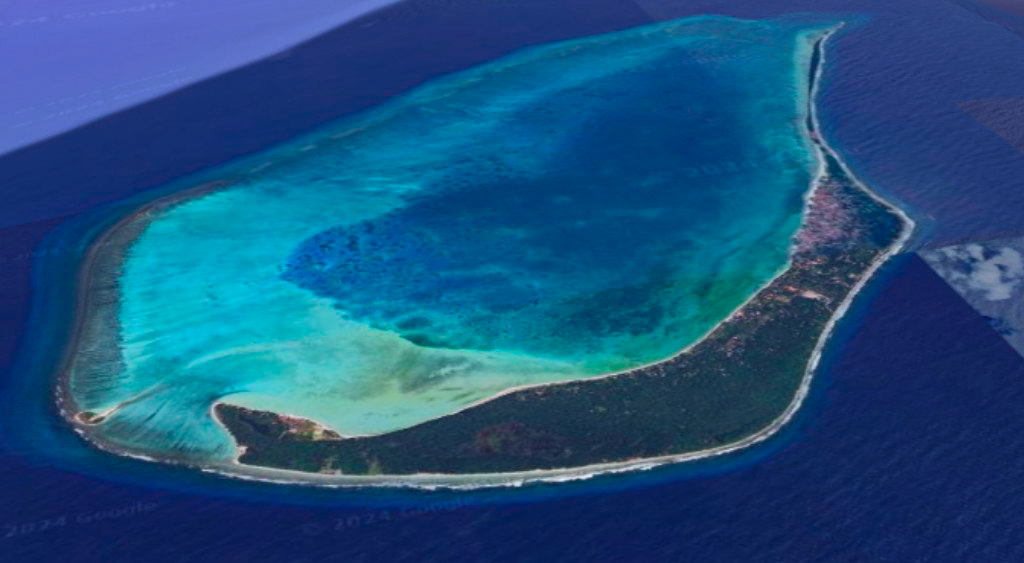
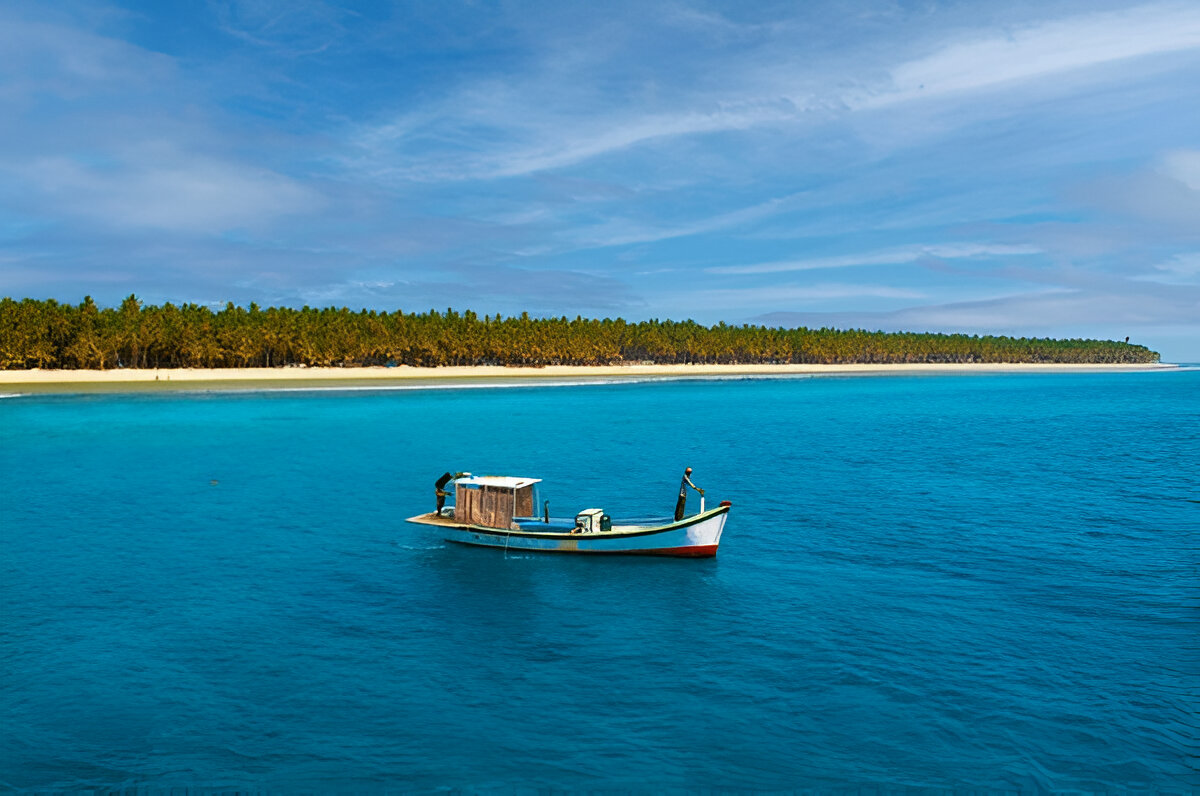
The islands also support coconut palms, tropical vegetation and a variety of coastal ecosystems. Because coral and sandy soils are highly permeable, rainfall can rapidly infiltrate the ground, while freshwater availability and vegetation are closely linked to the islands’ fragile ecological environment.
Beyond their scenic beauty, Lakshadweep’s reefs and lagoons are central to the destination’s tourism experience. Visitors can explore coral gardens while snorkelling, discover marine life on scuba-diving excursions, kayak across sheltered lagoons, enjoy sandy beaches and, where permitted and available, visit remote sandbars and uninhabited islets.
The natural environment is complemented by a distinctive island culture shaped by centuries of maritime connections with the Indian subcontinent and the wider Arabian Sea region. Traditional fishing, coconut cultivation, boat-building, local architecture, music and community life add another dimension to a Lakshadweep holiday.
Experience Lakshadweep with SetMyTrip through carefully planned itineraries, island stays and practical assistance for your tropical getaway. Explore Lakshadweep Tour Packages.
How to Reach Lakshadweep
For tourism purposes, Kochi (Cochin), Kerala, is the principal gateway to Lakshadweep. Travellers can reach the islands by air or by passenger ship, subject to the applicable permit, transport schedule and weather conditions.
Agatti is the only island in Lakshadweep with an operational airport. Direct air connectivity from Kochi makes Agatti the most convenient entry point for many travellers. From Agatti, boats provide onward connectivity to islands such as Kavaratti and Kadmat during the fair-weather season, while inter-island high-speed vessels operate primarily during the fair season.
Passenger ships also connect Kochi with Lakshadweep. The sea journey generally takes around 14 to 18 hours, depending on the island and vessel. Since sailing schedules can change according to weather, vessel availability and operational requirements, travellers should check the current schedule before finalising their itinerary.
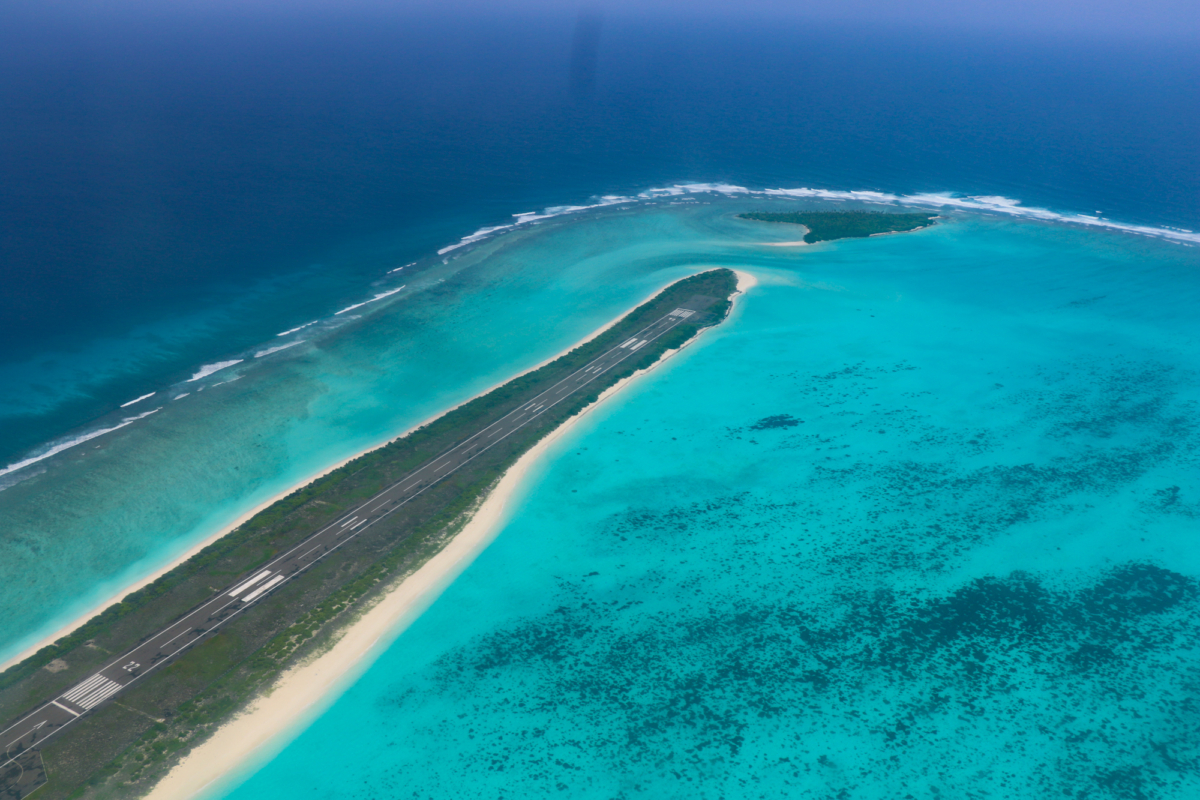
Touch down at Agatti Airport, where the island’s narrow airstrip meets the turquoise waters of the surrounding lagoon.
Inter-Island Travel Guide for Lakshadweep
Exploring more than one island is one of the most rewarding ways to experience Lakshadweep. However, inter-island travel requires more planning than travelling between destinations on the mainland because vessel schedules are seasonal and can change according to weather, sea conditions, vessel availability and operational requirements.
The Lakshadweep Administration operates both passenger ships and High-Speed Crafts (HSCs). The current fleet includes five all-weather passenger ships and six High-Speed Crafts. The HSCs are primarily used for inter-island connectivity during the fair-weather season, currently specified by the Administration as 15 September to 15 May. Passenger ships also operate between the mainland and the islands and provide inter-island connectivity. Check the official Lakshadweep Shipping & Aviation information.
High-Speed Crafts and Government Passenger Ships
The Administration’s current fleet includes the following passenger vessels and High-Speed Crafts:
| Vessel | Type | Passenger Capacity | Typical Role |
|---|---|---|---|
| M.V. Kavaratti | All-weather passenger ship | 700 | Mainland and inter-island connectivity |
| M.V. Arabian Sea | All-weather passenger ship | 250 | Mainland and inter-island connectivity |
| M.V. Lakshadweep Sea | All-weather passenger ship | 250 | Mainland and inter-island connectivity |
| M.V. Corals | All-weather passenger ship | 400 | Mainland and inter-island connectivity |
| M.V. Lagoons | All-weather passenger ship | 400 | Mainland and inter-island connectivity |
| HSC Cheriyapani | High-Speed Craft | 150 | Primarily inter-island during fair weather |
| HSC Valiyapani | High-Speed Craft | 150 | Primarily inter-island during fair weather |
| HSC Parali | High-Speed Craft | 150 | Primarily inter-island during fair weather |
| HSC Blue Marlin | High-Speed Craft | 50 | Primarily inter-island during fair weather |
| HSC Black Marlin | High-Speed Craft | 50 | Primarily inter-island during fair weather |
| HSC Skip Jack | High-Speed Craft | 50 | Primarily inter-island during fair weather |
The vessel assigned to a particular journey can change, so travellers should not treat the table as a fixed route timetable. Always check the current voyage displayed on the official booking system before planning an island-to-island connection. 1
Important Inter-Island Routes for Tourists
For many visitors, Agatti, Kavaratti and Kadmat form an important part of a multi-island itinerary. The official Lakshadweep tourism information confirms that boats are available from Agatti to Kavaratti and Kadmat during the fair season. During the monsoon period, helicopter transfer between Agatti and Kavaratti may be available, subject to operational availability. 2
| Island / Route | Travel Planning Guidance |
|---|---|
| Agatti → Kavaratti | Boat connectivity is available during the fair season. Check the current sailing before booking onward accommodation. |
| Agatti → Kadmat | Boat connectivity is available during the fair season, subject to the current operational schedule. |
| Kavaratti → Other Islands | Kavaratti is an important inter-island connectivity point. Current vessel availability should be checked for the intended date. |
| Kavaratti → Kalpeni | Services may be available depending on the current sailing programme. Confirm the voyage before building a fixed itinerary. |
| Kavaratti → Minicoy | Plan around the published vessel schedule rather than assuming a daily service. |
| Bangaram / Thinnakara | Transfers are generally arranged through the relevant tourism/resort or local boat operator and depend on weather and permissions. |
| Remote islands and islets | Connectivity can be limited and may not operate as a conventional tourist ferry service. Confirm arrangements before including them in an itinerary. |
How to Check Lakshadweep Ferry and Ship Schedules
Lakshadweep’s current government ship-ticketing system allows travellers to search for available journeys by selecting the departure port, destination and travel date. The system displays available voyages and seats, making it more reliable than relying on an old static ferry timetable.
Official Lakshadweep Ship Ticketing:
Lakshadweep IRCTC Ship Ticket Portal
- Register on the official Lakshadweep e-ticketing portal.
- Select your departure port and destination.
- Choose the intended travel date.
- Check the available voyage and seating options.
- Complete the booking and follow the current web check-in requirements.
The official ticketing platform also provides voyage information and online booking for government-operated ships and High-Speed Crafts. Travellers should use the current portal rather than relying solely on schedules reproduced on third-party websites. 3
Inter-Island Ferry Costs for Tourists in Lakshadweep
Inter-island fares vary according to the route, vessel, passenger category and accommodation or seating class. Because fares and applicable rules can be revised, it is better to verify the amount shown for your specific journey at the time of booking.
| Journey | Fare Information | What Travellers Should Do |
|---|---|---|
| Mainland → Lakshadweep | Varies by destination, vessel and passenger category | Check the official ticketing portal for the selected sailing. |
| Agatti → Kavaratti | Route and vessel dependent | Check the current voyage and fare before booking accommodation. |
| Agatti → Kadmat | Route and vessel dependent | Confirm the current fair-season sailing. |
| Kavaratti → Other Islands | Route and vessel dependent | Use the official booking system for the exact travel date. |
The current online ticketing system is designed to show available seats and journey information for the selected date. Therefore, historic fare tables should not be treated as guaranteed current prices. 4
Planning a Multi-Island Lakshadweep Itinerary
If your itinerary includes several islands, build some flexibility into your schedule. A flight or ship arrival followed immediately by an onward inter-island transfer can be risky if weather or vessel operations change.
- Start with Agatti: Agatti is the principal air entry point and a convenient starting point for many itineraries.
- Use Kavaratti strategically: Kavaratti is the administrative capital and an important island for tourism and inter-island connectivity.
- Consider Kadmat: Kadmat combines long sandy beaches, lagoons and water-based activities and is accessible from Agatti during the fair season.
- Allow buffer time: Keep sufficient time between separate ship, HSC and flight bookings.
- Check the sailing before departure: Weather and operational conditions can affect vessel schedules.
- Do not assume daily service: A route appearing on a previous timetable does not guarantee that the same service operates on your travel date.
Monsoon and Inter-Island Connectivity
Inter-island transport changes during the monsoon. The Administration states that High-Speed Crafts operate during the fair-weather season, while helicopter services may connect Agatti and Kavaratti during the monsoon when inter-island vessel services are withdrawn, subject to availability. 5
For this reason, travellers planning a monsoon visit should confirm both their island access and onward transportation before finalising accommodation.
Useful Official Resources
Always check the latest sailing schedule, seat availability, fare, weather advisory and permit requirements immediately before travelling.
Lakshadweep Entry Permit and Travel Planning
A valid entry permit is required for tourists visiting Lakshadweep. This applies to Indian as well as foreign visitors, although the islands that foreign tourists may visit are subject to the current rules of the Lakshadweep Administration.
Because permit requirements, documentation and island access can change, travellers should complete the permit process using the current official Lakshadweep Administration system before travelling. Your permit should also correspond with the islands and travel dates included in your itinerary.
Step-by-Step Lakshadweep Trip Planning
Step 1: Decide Your Islands and Travel Dates
Start by deciding which islands you want to visit and how many nights you wish to spend on each island. Your choice should take into account flight availability, inter-island vessel schedules, accommodation availability and the season of travel.
For a first trip, islands such as Agatti, Kavaratti, Kadmat, Bangaram and Minicoy can provide very different experiences, from lagoons and beaches to water sports and distinctive island culture.
Step 2: Arrange Your Accommodation or Tourism Package
Once your itinerary is decided, confirm your accommodation or authorised tourism package. Some Lakshadweep travel arrangements include transfers and permit assistance, which can simplify planning considerably.
If you are arranging the trip independently, make sure that your accommodation and transportation plans are compatible with the island permissions and current transport schedule.
Step 3: Check Whether Additional Documents Are Required
The documents required for a permit application depend on the applicant and the current rules of the Lakshadweep Administration. Applicants should follow the document checklist displayed by the official permit system rather than relying on an old checklist reproduced on a travel website.
Where a Police Clearance Certificate (PCC) or character certificate is required for your application, complete that process before submitting the permit application.
Detailed guide: How to Get a Police Clearance Certificate (PCC) for Lakshadweep Permit
Step 4: Apply for the Lakshadweep Entry Permit
The Lakshadweep Administration provides an online e-Permit system for visitors. Travellers should use the current official portal and follow the instructions applicable to their nationality, travel dates and selected islands.
Official e-Permit Portal: Lakshadweep e-Permit
Online Application Process
- Create or access your account on the official Lakshadweep e-Permit portal.
- Enter the requested personal and travel information accurately.
- Provide the required sponsor, accommodation or supporting information wherever applicable.
- Select the permitted island or islands relevant to your itinerary.
- Upload the documents requested by the current application system.
- Pay any applicable permit or processing charges displayed by the official portal.
- Submit the application and retain your application/reference details.
- After approval, keep a digital and printed copy of your permit for your journey.
Do Indian Tourists Need a Permit for Lakshadweep?
Yes. Indian tourists also require an entry permit to visit Lakshadweep. The permit requirement should therefore be considered an essential part of trip planning rather than something to arrange after reaching the islands.
Indian visitors with the appropriate permit are permitted to visit the islands according to the current regulations of the Lakshadweep Administration. Individual island access can still depend on tourism arrangements, accommodation, local permissions and transport availability.
Can Foreign Tourists Visit Lakshadweep?
Foreign tourists are permitted to visit selected islands subject to the current regulations. The Lakshadweep Administration currently lists Agatti, Bangaram and Kadmat for foreign tourists.
Foreign visitors should verify the latest entry, immigration, permit and island-access requirements before booking their journey, as these regulations may be revised.
Lakshadweep Entry Permit: Important Points
- Permit required: All tourists need the appropriate Lakshadweep entry permit.
- Apply before travelling: Do not plan to obtain permission only after reaching the islands.
- Check island eligibility: Island access depends on the rules applicable to your nationality and current tourism arrangements.
- Keep documents accessible: Carry your permit and identification documents during the journey.
- Verify current requirements: Document requirements and procedures can change, so use the official e-Permit portal for the latest instructions.
For a detailed walkthrough: Lakshadweep Entry Permit – Step-by-Step Guide
Exploring Lakshadweep’s Tourist Attractions
Lakshadweep offers a remarkable variety of experiences despite its small land area. Each island has its own combination of beaches, lagoons, coral reefs, water sports, cultural traditions and marine environments. The following islands are among the most useful to consider when planning a Lakshadweep itinerary.
Agatti Island
Agatti is one of the principal gateways to Lakshadweep and home to the archipelago’s only airport. Its spectacular lagoon, coral reefs and long stretches of sandy shoreline make it an excellent starting point for a tropical island holiday. Visitors can enjoy snorkelling, scuba diving, kayaking and other water-based activities, subject to local conditions and availability.
Bangaram Island
Bangaram is a small, teardrop-shaped island surrounded by a beautiful lagoon. Known for its secluded beaches and exceptional marine environment, it is particularly attractive to travellers seeking a peaceful island escape. Thinnakara and the Parali islets are located nearby, making the Bangaram area suitable for boat excursions and lagoon exploration.
Kavaratti Island
Kavaratti, the administrative capital of Lakshadweep, combines natural beauty with the cultural heritage of the islands. Its calm lagoon, beaches, mosques and marine attractions make it one of the most interesting islands for visitors. Water activities include kayaking, sailing, windsurfing, glass-bottom boat excursions and scuba diving, depending on current availability.
Kadmat Island
Kadmat is known for its long sandy beaches, shallow lagoons and excellent opportunities for water sports. The island is approximately 8 kilometres long and has a lagoon on its western side. Snorkelling, scuba diving, kayaking and other marine activities make Kadmat a popular choice for travellers interested in exploring Lakshadweep’s underwater environment.
Minicoy Island
Minicoy lies at the southern end of the Lakshadweep archipelago and has a distinctive cultural identity. The island is known for its traditional villages, tuna-fishing heritage, colourful cultural traditions and the historic lighthouse built in 1885. Its lagoon and nearby Viringili Islet add to its appeal.
Minicoy is particularly interesting for travellers who want to experience more than beaches and water sports. The island’s traditional Jahadhoni boats, Lava dance, local community life and Mahl language provide an insight into a culture that is distinct from many of the northern Lakshadweep islands.
Other Lakshadweep Islands
Beyond the better-known tourist islands, Lakshadweep includes several other inhabited and uninhabited islands and islets. Islands such as Kalpeni, Amini, Andrott, Kiltan, Chetlat and Bitra have their own landscapes, communities and ecological characteristics.
However, not every island functions as a conventional tourist destination. Accommodation, permits, transport and tourism facilities differ considerably, so travellers should confirm the current arrangements before adding a less-visited island to their itinerary.
Learn more: Places to Visit in the Lakshadweep Islands
Marine Life and Coral Reefs of Lakshadweep
The marine environment is one of the greatest attractions of Lakshadweep. The islands are surrounded by coral reefs, shallow lagoons and clear tropical waters that support a diverse range of marine life. For many travellers, exploring these underwater habitats is the highlight of a Lakshadweep holiday.
The coral reefs provide habitat for numerous reef fish and other marine organisms, while the surrounding lagoons create relatively calm waters suitable for swimming, kayaking and snorkelling. Depending on the location and season, visitors may also encounter sea turtles, rays, reef fish and dolphins.
Snorkelling in Lakshadweep
Snorkelling is one of the easiest ways to experience Lakshadweep’s underwater environment without undertaking formal scuba-diving training. Many lagoons have relatively shallow water, allowing visitors to observe coral formations and tropical fish close to the surface.
Popular tourist islands such as Agatti, Bangaram, Kavaratti and Kadmat offer opportunities for snorkelling, although the exact location, accessibility and equipment availability depend on local operators, weather and sea conditions.
- Agatti: Clear lagoon waters and accessible reef environments.
- Bangaram: Excellent surroundings for lagoon and reef exploration.
- Kavaratti: Calm lagoon areas and organised marine activities.
- Kadmat: Shallow lagoon and extensive marine environment suitable for water activities.
- Kalpeni: Known for lagoon activities, reef exploration and shallow coastal waters.
Scuba Diving in Lakshadweep
Lakshadweep is also one of India’s notable destinations for scuba diving. Its coral reefs, lagoons and clear tropical waters provide opportunities to explore underwater landscapes and observe reef ecosystems.
Scuba-diving facilities are available on selected islands, including Kavaratti, Kadmat and Minicoy. The Lakshadweep Administration also offers organised diving-related tourism packages covering selected islands.
First-time divers should use an authorised diving centre and complete the required safety briefing and equipment checks before entering the water. Diving locations and activities should always be selected according to weather, sea conditions and the advice of qualified instructors.
Scuba Diving Requirements
The Lakshadweep Administration’s tourism information states that participants in its scuba-diving programme must be at least 14 years old, possess swimming skills and provide the required medical fitness certification. Requirements can vary according to the operator and programme, so travellers should confirm the current conditions before booking.
Glass-Bottom Boat Rides
Travellers who prefer to stay above the water can explore Lakshadweep’s reefs through glass-bottom boat excursions. These boats provide views of the coral and marine life beneath the vessel without requiring visitors to snorkel or dive.
Glass-bottom boat excursions are particularly useful for families, older travellers and visitors who are not comfortable entering deeper water. Availability depends on the island, weather and local tourism facilities.
Kayaking and Lagoon Activities
The sheltered lagoons surrounding several Lakshadweep islands are well suited to non-motorised water activities. Depending on the destination, visitors may find kayaks, pedal boats, sailing equipment and other recreational facilities.
Kavaratti is particularly well known for lagoon-based activities, while Kadmat and Kalpeni also provide opportunities for kayaking and exploring the shallow coastal waters.
Dolphins, Turtles and Marine Encounters
Lakshadweep’s surrounding waters support a variety of marine animals, including dolphins, sea turtles, rays and numerous species of reef fish. Sightings of wild animals are never guaranteed, however, and responsible visitors should maintain a safe distance and avoid touching, feeding or chasing marine wildlife.
When snorkelling or diving, avoid standing on coral, collecting shells or damaging reef organisms. Even apparently small disturbances can harm slow-growing coral ecosystems.
Responsible Tourism in Lakshadweep
Lakshadweep’s natural beauty depends on fragile coral and coastal ecosystems. Responsible tourism is therefore essential for protecting the islands for future generations.
- Do not touch, break or stand on live coral.
- Do not collect coral, shells or marine organisms as souvenirs.
- Maintain a safe distance from turtles, dolphins and other wildlife.
- Avoid feeding wild marine animals.
- Use reef-safe practices and follow instructions from authorised activity operators.
- Minimise single-use plastic and dispose of waste responsibly.
- Follow local instructions concerning protected areas and restricted activities.
Best Time to Visit Lakshadweep
The best time for most travellers to visit Lakshadweep is generally the fair-weather season, when sea conditions are more suitable for island transfers and water-based activities.
The timing of your visit should also depend on what you want to do. Travellers primarily interested in beaches, sightseeing and lagoon activities may have different considerations from those planning scuba diving or a multi-island itinerary.
| Season | What to Expect | Best For |
|---|---|---|
| October–May | Generally more suitable for island travel and marine activities. | Island hopping, beaches, snorkelling, diving and water sports. |
| June–September | Monsoon conditions can affect sea transport and outdoor activities. | Suitable only for travellers comfortable with seasonal limitations and changing transport arrangements. |
The Lakshadweep Administration notes that High-Speed Crafts operate primarily during the fair-weather period, while alternative arrangements such as helicopter services may be available on selected routes during the monsoon, subject to operational conditions.
Lakshadweep for Adventure Travellers
Lakshadweep is an excellent destination for travellers who enjoy water-based adventures. Depending on the island and current operating conditions, activities can include:
- Scuba diving around coral reefs.
- Snorkelling in shallow lagoons.
- Kayaking across sheltered waters.
- Sailing and windsurfing at selected locations.
- Glass-bottom boat rides for viewing marine life without entering the water.
- Island and sandbar excursions where permitted and available.
Availability of individual activities varies between islands and can be affected by weather, sea conditions, local regulations and operator schedules. Always confirm availability before including a particular activity in your itinerary.
Lakshadweep for Different Types of Travellers
Lakshadweep for Couples
The secluded beaches, turquoise lagoons and spectacular sunsets make Lakshadweep particularly attractive for couples. Agatti and Bangaram are popular choices for travellers looking for a relaxed tropical atmosphere, while Kavaratti and Kadmat offer a wider range of activities.
Lakshadweep for Families
Families can enjoy beaches, lagoon excursions, glass-bottom boat rides and selected water activities. When travelling with children, choose activities according to age, swimming ability and sea conditions, and follow the instructions of local activity providers.
Lakshadweep for Scuba Divers
Travellers primarily interested in diving should consider islands with established diving facilities, such as Kavaratti, Kadmat and Minicoy. Allow sufficient time for the diving programme rather than attempting to fit multiple islands into a very short itinerary.
Lakshadweep for Nature Lovers
Nature enthusiasts can combine lagoon exploration, coral-reef activities, bird and marine-life observation, beaches and quieter island experiences. Responsible tourism is particularly important because the islands’ ecosystems are delicate and closely connected to the surrounding ocean.
Practical Lakshadweep Travel Tips
A holiday in Lakshadweep requires a little more planning than a conventional beach destination. Transport between islands is limited, permits are mandatory and weather conditions can influence vessel operations. Planning these details in advance will make your journey considerably smoother.
Book Transport and Accommodation in Advance
Accommodation capacity on the islands is limited compared with major mainland destinations. During popular travel periods, rooms, flights and organised tourism packages can sell out well in advance.
It is therefore advisable to finalise your island itinerary, accommodation and principal transportation before travelling. If you are planning multiple islands, check the inter-island vessel schedule before confirming non-refundable bookings.
Keep Your Itinerary Flexible
Weather and sea conditions can affect boat and High-Speed Craft operations. Avoid creating an itinerary where a delayed vessel would cause you to miss an important flight or another non-refundable booking.
Whenever possible, keep a reasonable buffer between your arrival in Lakshadweep and your onward inter-island journey or return flight.
Carry Sufficient Cash
Digital payment facilities are increasingly available, but connectivity and payment infrastructure can vary between islands. Carrying some cash is therefore advisable, particularly when travelling away from the principal tourist centres.
Respect Local Culture
Lakshadweep has a distinct island culture and strong local communities. Visitors should dress respectfully, follow local customs and comply with instructions concerning photography, beaches, public spaces and religious sites.
Protect the Marine Environment
The coral reefs surrounding Lakshadweep are fragile ecosystems. Never stand on coral, collect coral or shells, feed marine animals or leave plastic and other waste behind.
When participating in snorkelling or scuba diving, listen carefully to your instructor or guide and maintain appropriate distance from marine life.
What to Pack for Lakshadweep
Packing for Lakshadweep is relatively simple, but your choice of clothing and equipment should reflect the tropical climate and the activities you plan to undertake.
- Lightweight cotton clothing for the warm and humid tropical climate.
- Swimwear suitable for organised water activities and permitted beach areas.
- Sun protection such as sunglasses, a hat and sunscreen.
- Comfortable sandals or water-friendly footwear for beaches and boat transfers.
- Personal medicines and essential toiletries.
- Power bank for keeping essential devices charged while travelling between islands.
- Waterproof pouch or dry bag for phones, documents and other valuables during boat journeys.
- Reusable water bottle to reduce dependence on single-use plastic.
- Valid identification and permit documents required for your journey.
Travel Documents Checklist
- Valid government-issued identification.
- Lakshadweep entry permit.
- Flight or ship tickets.
- Accommodation or tourism-package confirmation.
- Any additional documents requested by the current permit system.
- Medical or diving certification where required for specific activities.
Food and Dining in Lakshadweep
Seafood and coconut feature prominently in the traditional cuisine of Lakshadweep. Tuna and other locally available fish are important parts of the island food culture, while rice, coconut and regional spices commonly accompany meals.
The exact dining options depend on your island and accommodation. Resorts and organised tourist facilities generally provide meals as part of the stay or package, while dining choices can be more limited on less-developed islands.
Travellers with specific dietary requirements should inform their accommodation provider or tour operator before arrival rather than assuming that every island will have the same range of food options.
How Many Days Are Enough for Lakshadweep?
For a first visit, 4 to 6 nights can provide enough time to experience one or two islands without making the itinerary unnecessarily rushed. Travellers who want to combine several islands or spend more time diving and exploring the lagoons may prefer a longer stay.
| Trip Length | Suitable For |
|---|---|
| 3–4 nights | A short island escape focused on one principal destination. |
| 5–6 nights | A comfortable first Lakshadweep holiday with time for beaches, water activities and limited island hopping. |
| 7+ nights | Travellers wanting a slower pace, diving or a more extensive multi-island itinerary. |
The ideal duration ultimately depends on your transport schedule. A longer itinerary is particularly useful when your trip involves multiple inter-island vessel connections.
Lakshadweep Travel Guide: Frequently Asked Questions
Is a permit required to visit Lakshadweep?
Yes. A valid entry permit is required for tourists visiting Lakshadweep. Travellers should apply through the current official permit system and check the latest requirements before departure.
What is the main gateway to Lakshadweep?
Kochi in Kerala is the principal gateway to Lakshadweep. Agatti has the archipelago’s only airport and is the main air entry point for visitors.
Can I travel between Lakshadweep islands?
Yes. Government passenger ships and High-Speed Crafts provide inter-island connectivity, but services depend on the route, season, weather, vessel availability and operational requirements. Always check the current sailing schedule for your travel date.
Which Lakshadweep islands can foreign tourists visit?
The current Lakshadweep Administration tourism information lists Agatti, Bangaram and Kadmat for foreign tourists. Foreign visitors should verify the latest permit and island-access rules before booking.
What is the best time to visit Lakshadweep?
For most travellers, the fair-weather period is preferable because sea conditions are generally more suitable for inter-island travel and water activities. The monsoon can affect vessel operations and outdoor activities.
Which island is best for scuba diving?
Kavaratti, Kadmat and Minicoy are among the islands with organised diving facilities. The best choice depends on your experience, preferred dive sites and the availability of diving programmes during your travel dates.
Is Lakshadweep suitable for families?
Yes. Families can enjoy beaches, lagoon excursions, glass-bottom boat rides and selected water activities. Parents should choose activities according to children’s swimming ability, age and prevailing sea conditions.
Is Lakshadweep similar to the Maldives?
Both destinations are tropical coral-island environments with turquoise lagoons and white-sand beaches, but Lakshadweep has its own geography, culture, regulations and tourism model. It should be experienced as a distinct Indian island destination rather than simply as an alternative to the Maldives.
How can I book Lakshadweep ship tickets?
Government-operated ship and High-Speed Craft tickets can be checked through the official Lakshadweep ticketing system. Since schedules and availability can change, travellers should search for their specific travel date before finalising their itinerary.
Check Lakshadweep Ship Tickets
How can I apply for the Lakshadweep Entry Permit?
The Lakshadweep Administration provides an online e-Permit system. Applicants should follow the current instructions and document requirements shown on the official portal.
Apply for Lakshadweep Entry Permit
Plan Your Lakshadweep Holiday with SetMyTrip
Lakshadweep is a destination where careful planning can make a significant difference. From selecting the right island and arranging the required permit to coordinating flights, accommodation and inter-island transfers, having a well-planned itinerary helps you make the most of your time in the islands.
Whether you are looking for a relaxing beach holiday, an adventure-filled diving trip, a romantic island escape or a longer multi-island experience, SetMyTrip can help you plan your Lakshadweep journey with carefully designed itineraries and practical travel assistance.
Explore Lakshadweep Tour Packages
Explore Our Lakshadweep Islands Travel Guide
Final Thoughts: Your Lakshadweep Travel Guide
Lakshadweep offers a rare combination of pristine lagoons, coral reefs, white-sand beaches, marine life and distinctive island culture. Its remote character is part of its appeal, but it also means that travellers need to plan permits, accommodation and transportation carefully.
From arriving at Agatti and exploring its spectacular lagoon to experiencing the cultural heritage of Minicoy, the beaches of Kadmat, the attractions of Kavaratti or the secluded beauty of Bangaram, every island offers a different perspective on this remarkable archipelago.
The most important advice is simple: plan ahead, check the latest official information, allow flexibility for weather-dependent transportation and travel responsibly. With the right preparation, a Lakshadweep holiday can become one of India’s most memorable tropical travel experiences.
For personalised assistance with your itinerary, accommodation and island arrangements, contact SetMyTrip and explore our Lakshadweep tour packages.